
Can homemade cupcakes be stored at room temperature? Yes, they can, but for a shorter period than when refrigerated. This comprehensive guide will explore the optimal methods for storing your delicious homemade cupcakes to ensure maximum freshness and flavor. We will delve into the factors influencing their shelf life, provide practical storage tips, and answer common questions about keeping these delightful treats at their best.
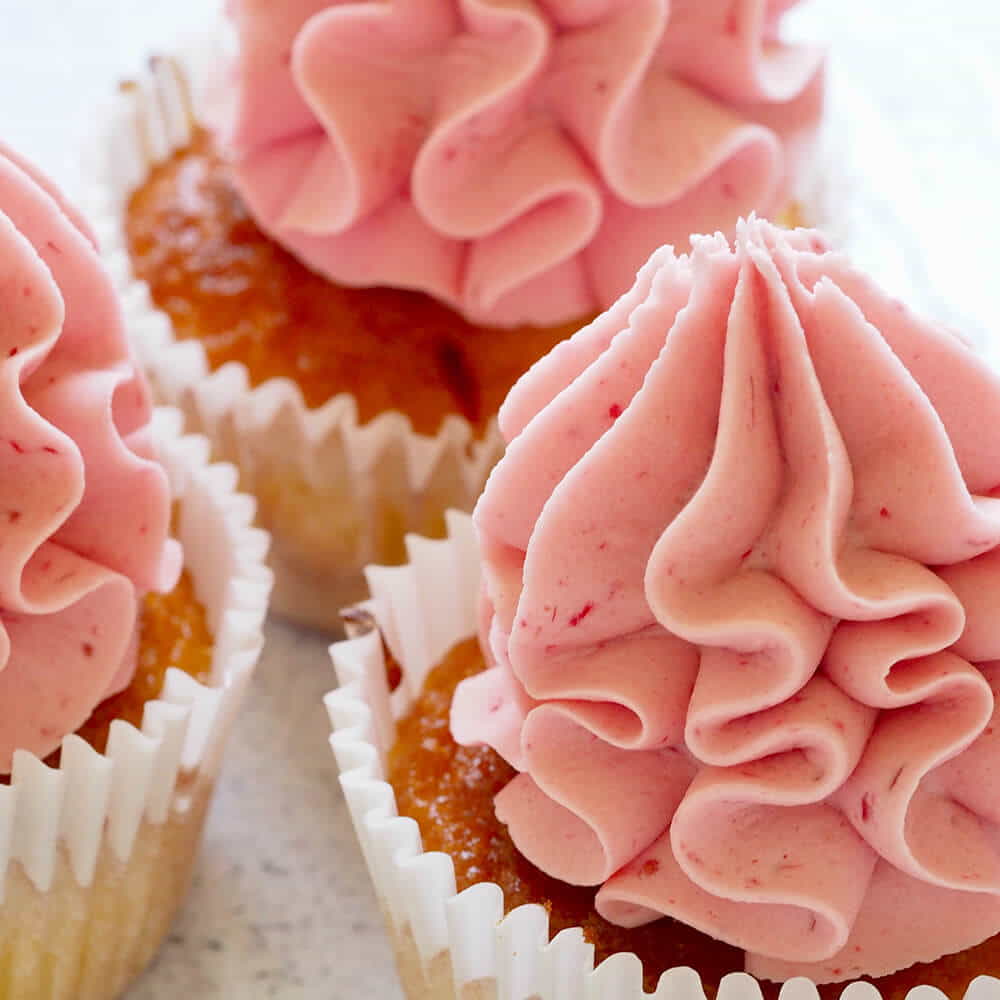
Image Source: www.cater4you.co.uk
The Lifespan of Your Sweet Creations: Decoding Cupcake Shelf Life
The question of how long do homemade cupcakes last is a common one among bakers and dessert lovers. The answer isn’t a simple number, as it depends on several factors. These include the ingredients used, how they are frosted, and, most importantly, how they are stored. Understanding cupcake freshness is key to enjoying your baking for as long as possible.
Room Temperature Cupcakes: A Brief Enjoyment
Storing cupcakes at room temperature cupcakes is a popular choice for immediate consumption. When kept in an airtight container at a stable room temperature (ideally between 68-72°F or 20-22°C), unfrosted or simply frosted cupcakes can maintain their quality for about 2-3 days.
Key Factors for Room Temperature Storage:
- Airtight Container: This is non-negotiable. A good seal prevents the cupcakes from drying out and also protects them from absorbing odors from other foods.
- Cool, Dry Place: Avoid direct sunlight or proximity to heat sources like ovens or radiators, as this can cause them to spoil faster.
- Frosting Type: Simple buttercream or glaze will hold up better at room temperature than cream cheese frosting or fresh fruit toppings, which require refrigeration.
Refrigerated Cupcakes: Extended Freshness, Altered Texture
For cupcakes that need to last a bit longer, refrigerated cupcakes are the way to go. Refrigeration significantly slows down the spoilage process, extending their life to approximately 4-5 days.
Considerations for Refrigerated Storage:
- Airtight Sealing is Crucial: As cupcakes cool in the refrigerator, they can absorb moisture, making them soggy. Conversely, the dry air of the fridge can dry them out. An airtight container or tightly wrapped cupcakes prevent both issues.
- Frosting and Fillings: Cupcakes with cream cheese frosting, dairy-based fillings, or fresh fruit toppings must be refrigerated to prevent bacterial growth and spoilage.
- Texture Changes: Cold temperatures can sometimes make cake a bit denser or drier. Bringing refrigerated cupcakes back to room temperature before serving can help improve their texture.
Factors Influencing Homemade Cupcake Longevity
Several elements play a crucial role in determining the cupcake shelf life. Knowing these will help you make informed decisions about your baking.
Ingredient Impact on Shelf Life
The very components of your cupcake recipe can affect how long they remain edible and delicious.
- Moisture Content: Recipes with higher moisture content, like those using sour cream or yogurt, might have a slightly shorter shelf life at room temperature compared to drier cake recipes.
- Fat Content: Butter and oil contribute to the richness and also act as mild preservatives. Cupcakes with a good amount of fat tend to stay moist for longer.
- Sugar Content: Sugar is a natural preservative. Recipes with a higher sugar content can often last a bit longer.
Frosting and Decorations: The Delicate Layers
The type of frosting and any additional decorations can significantly alter how to store cupcakes.
- Buttercream: Most standard buttercreams (butter, powdered sugar, milk/cream) are generally stable at room temperature for 1-2 days, provided the environment is cool.
- Cream Cheese Frosting: Due to the dairy content, cream cheese frosting requires refrigeration. Cupcakes with this frosting will last about 3-4 days when refrigerated.
- Meringue-Based Frostings: These, like Italian or Swiss meringue, can be quite stable at room temperature for a day or two.
- Whipped Cream or Pastry Cream Fillings: These are highly perishable and absolutely require refrigeration. Cupcakes with these fillings should be consumed within 1-2 days and always stored cold.
- Fondant: While fondant itself is quite stable and acts as a barrier, the cake beneath still needs appropriate storage based on its ingredients. Fondant-covered cupcakes can often be stored at room temperature for a few days, but it’s best to check the cake’s internal components.
- Fresh Fruit: Any fresh fruit used as a topping or filling is highly perishable and necessitates refrigeration. These cupcakes should be eaten within 1-2 days.
Environmental Conditions: The Unseen Forces
The environment where you store your cupcakes is perhaps the most critical factor.
- Temperature: As discussed, warmer temperatures accelerate spoilage, while cooler temperatures slow it down.
- Humidity: High humidity can make cupcakes soggy, while very dry air can cause them to dry out. An airtight container helps regulate this.
- Light: Direct sunlight can degrade the quality of baked goods.
Mastering Homemade Cupcake Storage: Essential Tips
Proper homemade cupcake storage is an art and a science. Implementing these cupcake storage tips will ensure your baked goods remain delightful.
The Best Way to Store Cupcakes for Optimal Freshness
The best way to store cupcakes depends on when you plan to eat them and the type of frosting.
-
For Short-Term Storage (1-2 Days):
- Cool cupcakes completely before storing. Warm cupcakes will create condensation inside the container, leading to sogginess.
- Place them in an airtight container. If you don’t have a container large enough, individual cupcake carriers or even well-sealed cake boxes work.
- For unfrosted cupcakes, a simple resealable plastic bag or an airtight container is sufficient for room temperature storage.
- If frosted, try to arrange them so the frosting doesn’t touch other cupcakes or the container lid. A muffin tin can be a great temporary solution inside a larger container for stability.
-
For Longer-Term Storage (3-5 Days):
- Refrigerate cupcakes with perishable frostings or fillings in an airtight container.
- To prevent the cake from drying out in the fridge, you can gently wrap each frosted cupcake in plastic wrap before placing it in the airtight container.
- Allow refrigerated cupcakes to come to room temperature for about 30 minutes to an hour before serving for the best flavor and texture.
Freezing Your Cupcakes: A Longer-Term Solution
If you find yourself with an abundance of cupcakes, freezing is an excellent option. This extends the homemade baked goods shelf life considerably, often for up to 2-3 months.
Steps for Freezing Cupcakes:
- Cool Completely: Ensure cupcakes are fully cooled.
- Unfrosted is Best: For the best results, freeze unfrosted cupcakes. Frosting can sometimes change texture or separate when frozen and thawed.
- Wrap Individually: Wrap each unfrosted cupcake tightly in plastic wrap.
- Add Another Layer: Place the individually wrapped cupcakes in a freezer-safe airtight container or a heavy-duty freezer bag. This provides an extra layer of protection against freezer burn.
- Label and Date: Mark the container with the date and type of cupcake.
Thawing Frozen Cupcakes:
- Remove cupcakes from the freezer and unwrap them.
- Place them on a wire rack at room temperature to thaw. This usually takes a few hours.
- For frosted cupcakes (if you chose to freeze them frosted), thaw them in their container to prevent condensation from directly hitting the frosting.
Detecting Expired Cupcakes: Knowing When to Discard
While we aim to prolong freshness, it’s important to recognize expired cupcakes. Even with proper storage, there comes a time when they are no longer safe or pleasant to eat.
Signs of Spoilage:
- Mold: Any visible mold, no matter how small, means the cupcake is expired and should be discarded.
- Off Smell: A sour, yeasty, or generally unpleasant odor is a clear indicator that the cupcake has gone bad.
- Unusual Texture: If the cake is excessively dry, crumbly, sticky, or gummy in an unnatural way, it’s a sign of spoilage.
- Discoloration: While some frostings have vibrant colors, any unusual discoloration on the cake or frosting could signal a problem.
- Taste: If a cupcake looks and smells okay but tastes unpleasant (sour, bitter, or stale), it’s best to stop eating it.
It’s better to be safe than sorry. When in doubt, it’s always best to throw out expired cupcakes.
Storage Table Summary
To provide a quick reference, here’s a summary of typical cupcake storage guidelines:
| Cupcake Type | Storage Location | Estimated Shelf Life | Notes |
|---|---|---|---|
| Unfrosted Cupcakes | Room Temperature | 2-3 days | Store in an airtight container. |
| Buttercream or Glazed Cupcakes | Room Temperature | 1-2 days | Store in an airtight container in a cool, dry place. |
| Cream Cheese Frosting Cupcakes | Refrigerator | 3-4 days | Store in an airtight container. Bring to room temperature before serving. |
| Cupcakes with Dairy Fillings/Toppings | Refrigerator | 1-2 days | Highly perishable. Ensure airtight storage. |
| Cupcakes with Fresh Fruit Toppings/Fillings | Refrigerator | 1-2 days | Perishable due to fruit. |
| Unfrosted Cupcakes (Frozen) | Freezer | 2-3 months | Wrap individually, then store in an airtight container or freezer bag. Thaw at room temperature. |
| Cupcakes with Stable Frosting (Frozen) | Freezer | 1-2 months | Frosting texture may change. Wrap well. Thaw carefully. |
Frequently Asked Questions (FAQ)
Here are answers to some common queries regarding how to store cupcakes.
Q1: Can I leave cupcakes out on the counter overnight?
A: It’s generally not recommended to leave cupcakes with dairy-based frosting or fillings out overnight. Unfrosted or simply glazed cupcakes might be okay if the temperature is cool and they are in an airtight container, but it’s still best to store them properly to maintain freshness and safety.
Q2: My cupcakes look a bit dry after refrigerating. What can I do?
A: This is a common issue. To combat dryness, always ensure your refrigerated cupcakes are in a truly airtight container. You can also try gently wrapping them in plastic wrap before placing them in the container. Bringing them back to room temperature for about 30-60 minutes before serving also helps rehydrate the cake slightly.
Q3: How do I store cupcakes so the frosting doesn’t get smushed?
A: Use an airtight container that is tall enough to accommodate the frosting. If the container is too shallow, consider using a cupcake carrier designed with individual wells. Another trick is to place a layer of parchment paper or a paper towel on top of the frosting before sealing the container, ensuring it doesn’t touch the lid.
Q4: What is the difference in shelf life between homemade and store-bought cupcakes?
A: Store-bought cupcakes often have a longer shelf life due to preservatives and commercial baking practices. Homemade cupcakes, made with fresh ingredients and without artificial preservatives, generally have a shorter homemade baked goods shelf life.
Q5: Can I freeze cupcakes with cream cheese frosting?
A: Yes, you can freeze cupcakes with cream cheese frosting, but the texture of the frosting might change upon thawing. It can sometimes become a bit grainier or softer. Ensure they are well-wrapped to prevent freezer burn, and thaw them in the refrigerator overnight followed by a short time at room temperature.
By following these guidelines and understanding the factors that affect cupcake freshness, you can savor your delicious homemade creations for as long as possible. Happy baking and happy storing!