
Yes, you can absolutely use floor tile for kitchen countertops, and it’s a practical and aesthetically pleasing choice for many homeowners. While often associated with floors, many types of durable tiles designed for high traffic areas are perfectly suited for the demands of a kitchen workspace. This opens up a world of possibilities for DIY kitchen countertops and cost-effective kitchen counters.
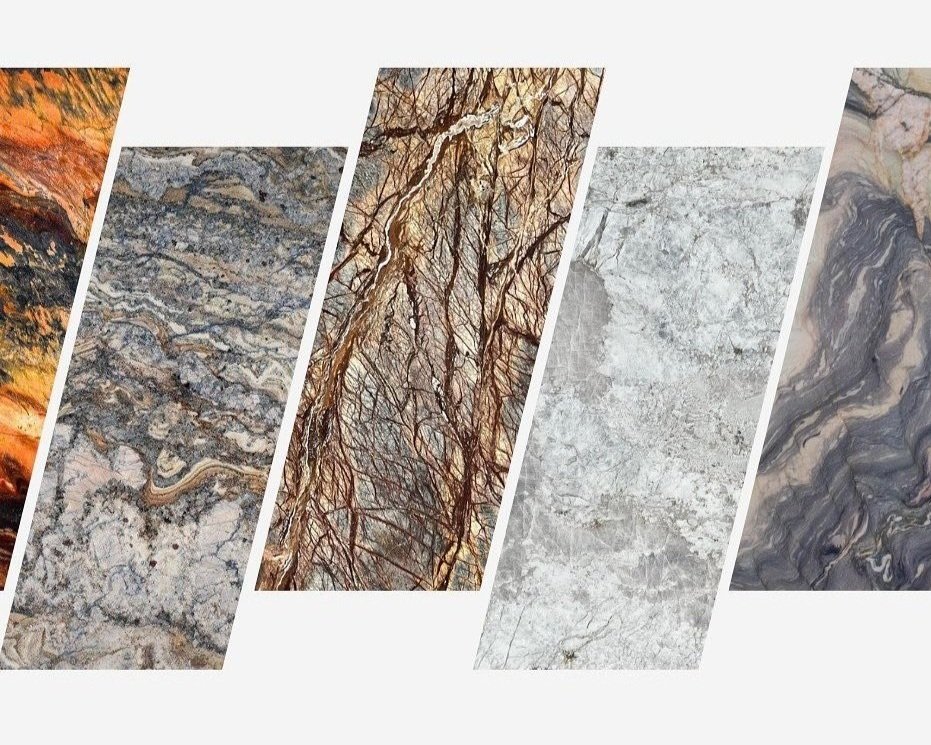
Image Source: images.squarespace-cdn.com
The Appeal of Tile Kitchen Countertops
Choosing tile kitchen countertops offers a compelling blend of functionality, style, and affordability. Unlike more conventional materials, tiles provide immense design flexibility, allowing you to personalize your kitchen to your exact taste. From intricate mosaic patterns to bold, large-format slabs, the options are virtually endless. Furthermore, the inherent durability of many tiles makes them a sensible investment for a high-use area like the kitchen.
Durability and Performance
When considering durable kitchen surfaces, tiles often rank highly. Floor tiles, in particular, are engineered to withstand constant foot traffic, dropped objects, and general wear and tear. This inherent resilience translates well to countertop applications.
- Scratch Resistance: Many porcelain and ceramic tiles are highly resistant to scratches, meaning your cutting board might become less of a necessity for everyday tasks.
- Heat Resistance: Most tiles can handle hot pans placed directly on them without damage, offering a significant advantage over some other countertop materials.
- Stain Resistance: Properly sealed tiles are also resistant to staining from common kitchen spills like wine, coffee, and oil.
Aesthetics and Design Versatility
The aesthetic advantages of using floor tile for your kitchen counters are undeniable.
- Vast Design Choices: You can find tiles that mimic the look of natural stone, wood, metal, or even concrete. There are also countless colors, patterns, and finishes available.
- Customization: You can create unique designs by mixing and matching different tile sizes, shapes, and colors. This is especially true when using smaller tiles for intricate patterns or borders.
- Complementary to Backsplashes: If you’re planning a kitchen backsplash tile, using the same or complementary tile for your countertops can create a cohesive and visually stunning look.
Cost-Effectiveness
Compared to granite, quartz, or marble countertops, cost-effective kitchen counters can often be achieved by opting for tile. While the initial material cost can vary widely depending on the tile chosen, the overall investment is frequently lower, making it an attractive option for budget-conscious renovators. The availability of affordable yet stylish floor tiles specifically for this purpose further enhances their value.
Types of Floor Tile Suitable for Countertops
Not all floor tiles are created equal when it comes to countertop suitability. You’ll want to select tiles known for their durability, low porosity, and resistance to chips and cracks.
Porcelain Kitchen Countertops
Porcelain is an excellent choice for kitchen countertops. It’s made from denser clay fired at higher temperatures, resulting in a harder, less porous, and more durable material than standard ceramic.
- Low Porosity: Porcelain’s low water absorption rate (less than 0.5%) makes it highly resistant to stains and bacteria. This is a crucial factor for kitchen surfaces.
- Exceptional Durability: It’s incredibly hard-wearing, resisting scratches, chips, and cracks better than many other tile options.
- Variety of Styles: Porcelain tiles come in an astonishing array of styles, mimicking natural stone, wood, and concrete with remarkable realism.
Ceramic Kitchen Countertops
While generally less dense and slightly more porous than porcelain, high-quality ceramic floor tiles can also be a viable option for kitchen countertops, especially for those seeking even more budget-friendly DIY kitchen countertops.
- Porosity: Look for ceramic tiles with a PEI (Porcelain Enamel Institute) rating of 3 or higher, which indicates good resistance to abrasion. The lower the porosity, the better for countertop use.
- Glazed Finish: A good quality glaze provides a protective, non-porous surface.
- Cost Savings: Ceramic tiles are often more affordable than porcelain, making them a very attractive choice for cost-effective kitchen counters.
Other Tile Considerations
While porcelain and ceramic are the most popular, other tiles can be used, though they might require more specialized care or have limitations.
- Natural Stone Tiles (Marble, Travertine, Slate): These can be used, but they are often more porous and susceptible to staining and etching than porcelain or ceramic. They require diligent sealing and careful maintenance.
- Glass Tiles: Beautiful and highly stain-resistant, but they can be prone to chipping and cracking if heavy items are dropped on them.
- Metal Tiles: Offer a unique industrial look but can be prone to scratching and staining depending on the metal and finish.
The Tile Countertop Installation Process
Implementing tile countertop installation is a project that many ambitious DIYers can tackle. However, it requires precision, patience, and the right tools and materials. The sub-base preparation is paramount for a successful and long-lasting installation.
Preparing the Sub-Base
A solid and level sub-base is crucial for preventing tile cracking.
- Existing Countertop: If you have an old countertop, remove it and any old adhesive.
- Plywood or Cement Board: For new installations or over existing solid surfaces (like laminate), you’ll typically need to install a layer of cement board or exterior-grade plywood (at least ½ inch thick). This provides a stable, moisture-resistant surface for tiling.
- Leveling: Ensure the sub-base is perfectly level. Use shims if necessary.
- Backer Board: A cement backer board (like HardieBacker or Durock) is highly recommended as it’s specifically designed for wet areas and tiling. It should be screwed into the sub-base according to manufacturer instructions.
Setting the Tiles
This is where the aesthetic vision comes to life.
- Layout Planning: Dry-lay your tiles on the sub-base to plan your layout, ensuring even spacing and proper cuts around sinks and edges.
- Adhesive Application: Use a high-quality thin-set mortar specifically formulated for tile installation. Apply it to the sub-base with a notched trowel, holding the trowel at a 45-degree angle to create consistent ridges.
- Tile Placement: Press each tile firmly into the mortar with a slight twisting motion to ensure good adhesion. Use tile spacers to maintain consistent grout lines.
- Edge and Sink Cuts: Use a wet saw or a tile nipper for precise cuts around the sink basin and countertop edges.
Grouting and Sealing
The grout for tile counters plays a vital role in both the appearance and functionality of the finished product.
- Grout Selection: Choose a high-quality, sanded grout for wider grout lines (1/8 inch or more) or unsanded grout for very narrow lines. Epoxy grout is an excellent, highly durable, and stain-resistant option for kitchens, though it is more challenging to work with.
- Grouting Application: Once the thin-set mortar has cured (usually 24-48 hours), remove the tile spacers. Mix the grout according to the manufacturer’s instructions and apply it using a grout float, forcing it into the joints.
- Cleaning Excess Grout: Wipe away excess grout from the tile surface with a damp sponge, rinsing the sponge frequently.
- Sealing the Grout: After the grout has cured (check product instructions, typically 48-72 hours), apply a good quality grout sealer. This is essential to prevent staining and moisture absorption. For extra protection on sealed tile countertops, a second coat might be beneficial.
Sealing the Tiles
While many porcelain tiles are naturally very low in porosity, sealing the grout is non-negotiable. Depending on the tile material and finish, you might also consider sealing the tiles themselves.
- Impregnating Sealers: These penetrate the porous material (like grout or some natural stone tiles) and fill the pores, blocking stains and moisture.
- Topical Sealers: These form a protective film on the surface. They can offer shine but may wear off over time and require reapplication.
For the most robust protection on sealed tile countertops, use an impregnating sealer on the grout and potentially on the tiles themselves if they have a natural porous finish.
Key Considerations for Tile Kitchen Countertops
While the benefits are significant, a few points are worth noting to ensure your tile kitchen countertops are a success.
Grout Lines and Cleaning
The grout lines are often the most debated aspect of tile countertops.
- Maintenance: Grout lines can collect food particles and grease if not properly sealed and cleaned. Regular wiping with a mild cleaner is necessary.
- Grout Color: Lighter grout colors will show dirt and stains more readily than darker or mid-toned grout.
- Grout Alternatives: Consider epoxy grout, which is highly resistant to stains and much easier to clean than traditional cementitious grout. Alternatively, using larger tiles with minimal grout lines can reduce the cleaning burden.
Durability of Edges and Corners
While the tile itself is durable, the edges and corners are more susceptible to chipping if heavy objects are dropped directly onto them.
- Bullnose or Beveled Edges: Many tile installers can create a more rounded or beveled edge for counter edges, which can reduce the risk of chipping.
- Tile Trim: Specialized edge trim tiles or metal edging can also be used to protect exposed edges.
Sink and Fixture Integration
Cutting tiles for sink reveals requires precision.
- Professional Cutting: If you’re not comfortable with a wet saw, consider having a professional tile installer handle the sink cut-outs.
- Overmount vs. Undermount Sinks: Overmount sinks sit on top of the countertop, making installation easier. Undermount sinks are installed from below and require a perfectly smooth and sealed countertop edge to prevent water seepage behind the tiles.
Advantages of Using Floor Tile for Countertops
Let’s summarize the compelling reasons why floor tile is a fantastic option for your kitchen.
Cost Savings
As mentioned, this is often the primary driver. You can achieve a high-end look without the premium price tag associated with many other countertop materials. This makes it a fantastic choice for those working with a budget, allowing more funds for other kitchen upgrades.
Design Freedom
The sheer variety of styles, colors, patterns, and sizes available in floor tiles means you are not limited in your design choices. You can create a truly unique look that reflects your personal style.
Durability and Longevity
When installed correctly and maintained properly, tile countertops are incredibly durable. They can withstand the rigors of daily kitchen use for many years.
Heat Resistance
You don’t need to worry about using trivets for hot pots and pans, which is a significant convenience in a busy kitchen.
Water and Stain Resistance (with proper sealing)
Porcelain and properly sealed ceramic tiles are highly resistant to water and common kitchen stains.
Potential Drawbacks and How to Mitigate Them
It’s important to be aware of potential downsides and how to address them.
Grout Maintenance
- Mitigation: Regular sealing of grout lines, using darker grout colors, opting for epoxy grout, or choosing larger format tiles to minimize grout area.
Chipping on Edges and Corners
- Mitigation: Careful placement of heavy objects, using bullnose or beveled edge tiles, or incorporating metal trim for edges.
Uneven Surfaces (if not installed correctly)
- Mitigation: Meticulous sub-base preparation and professional installation or careful adherence to DIY instructions.
Grout Lines Can Harbor Bacteria (if not cleaned/sealed)
- Mitigation: Regular cleaning with appropriate disinfectants and ensuring grout is thoroughly sealed.
Comparing Tile to Other Countertop Materials
To truly appreciate the value of tile, let’s briefly compare it to some common alternatives.
| Feature | Tile Countertops | Granite Countertops | Quartz Countertops | Laminate Countertops |
|---|---|---|---|---|
| Cost | Generally Cost-Effective | Moderate to High | High | Low to Moderate |
| Durability | High (tile), Moderate (grout) | Very High | Very High | Moderate |
| Heat Resistance | Excellent | Excellent | Excellent | Poor (can scorch) |
| Stain Resistance | Good (porcelain/sealed ceramic), Poor (unsealed) | Very Good | Excellent | Moderate (can stain) |
| Scratch Resistance | Very Good (tile), Moderate (grout) | Very Good | Excellent | Moderate (can scratch) |
| Maintenance | Moderate (grout cleaning/sealing) | Low (occasional sealing) | Very Low | Low |
| Design Options | Nearly Unlimited | Wide variety of natural patterns | Wide variety of patterns and consistent colors | Many patterns, but less depth than natural materials |
| DIY Friendliness | Moderate to High (depending on complexity) | Low (requires specialized tools and skill) | Low (requires specialized tools and skill) | High |
Conclusion: Embracing Floor Tile for Your Kitchen Counters
Can you use floor tile for kitchen countertops? Absolutely, and it’s a choice that offers a wealth of benefits, from significant cost savings and unparalleled design freedom to impressive durability. By selecting appropriate tiles, focusing on meticulous tile countertop installation, and committing to proper sealing and maintenance, you can create durable kitchen surfaces that are both beautiful and highly functional. Whether you’re undertaking DIY kitchen countertops or working with a contractor, ceramic kitchen countertops and porcelain kitchen countertops are excellent contenders for creating stunning and practical cost-effective kitchen counters. Remember that attention to detail, particularly with grout for tile counters and ensuring your sealed tile countertops are well-protected, will ensure a long-lasting and satisfying result.
Frequently Asked Questions (FAQ)
Q1: Is tile a good material for kitchen countertops?
A1: Yes, tile is a good material for kitchen countertops, especially durable floor tiles like porcelain and ceramic. They offer a combination of durability, heat resistance, stain resistance (when sealed), and vast design possibilities.
Q2: What is the best type of floor tile for kitchen countertops?
A2: Porcelain tiles are generally considered the best type of floor tile for kitchen countertops due to their high density, low porosity, and exceptional durability. High-quality ceramic tiles with a PEI rating of 3 or higher can also be a good option.
Q3: How do I clean tile kitchen countertops?
A3: Clean tile kitchen countertops regularly with a mild dish soap and water. For tougher grime, use a pH-neutral tile cleaner. For grout, use a soft brush and a dedicated grout cleaner, and rinse thoroughly. Always blot up spills promptly to prevent staining, especially on grout.
Q4: Do I need to seal tile countertops?
A4: You must seal the grout lines to protect them from stains and moisture. While many porcelain tiles are inherently low-porosity, sealing the tiles themselves can provide an extra layer of protection, especially for ceramic tiles or those with a more natural, textured finish.
Q5: Can I cut on tile kitchen countertops?
A5: While many tiles are scratch-resistant, it’s generally recommended to use a cutting board to protect both your knives and the tile surface from potential chipping or scratching over time.
Q6: Will grout lines crack on a countertop?
A6: Grout lines can crack if the countertop experiences significant flexing or impact, or if they are not installed correctly. Using a high-quality grout, proper sub-base preparation, and minimizing movement can help prevent cracking. Epoxy grout is also more durable and less prone to cracking than cementitious grout.