
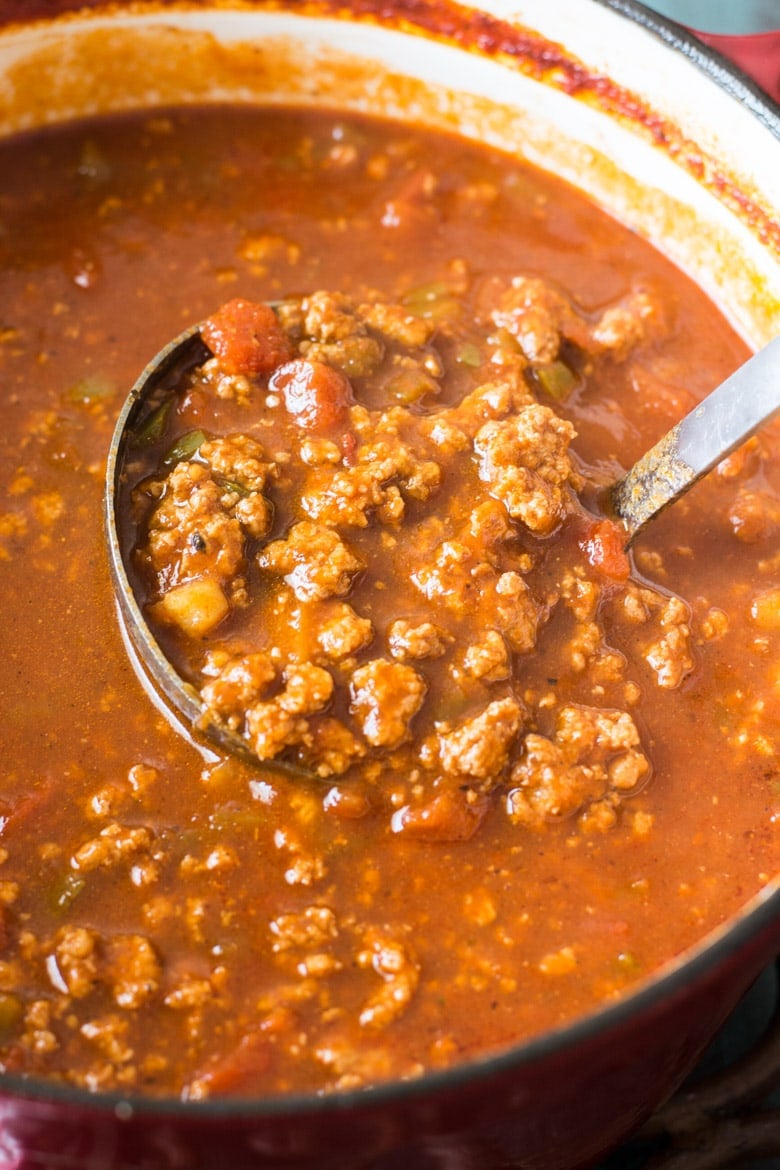
Image Source: www.maebells.com
How Many Carbs In Homemade Chili With Beans Explained
So, how many carbs are in homemade chili with beans? A typical serving of homemade chili with beans can range from 30 to 60 grams of total carbohydrates, heavily depending on the types and amounts of beans, vegetables, and any added sweeteners or starches. This article will delve into the specifics of bean carb content, break down chili ingredients and their impact, and provide nutritional information chili for making informed choices. We’ll also explore kidney bean nutrition, black bean macros, and help you calculate your carb count chili recipe for your own creations.
When you’re enjoying a comforting bowl of homemade chili, especially one packed with hearty beans, it’s natural to wonder about its nutritional makeup. Chili is a beloved dish for many, offering warmth, flavor, and a good dose of protein and fiber. However, for those mindful of their carbohydrate intake, understanding the total carbohydrates chili contribution from its key components is essential. This guide aims to demystify the carb count in your favorite homemade chili, offering clear explanations and practical tips.
Fathoming the Carbohydrate Content of Chili
The carbohydrate count in chili isn’t a fixed number. It’s a dynamic figure influenced by every single ingredient you toss into the pot. Think of it like building with blocks; the type and quantity of each block determine the final structure’s size and composition. In the case of chili, the primary drivers of carbohydrate content are the beans, but other elements play a significant role too.
The Humble Bean: A Carb Powerhouse
Beans are undoubtedly the star carbohydrate source in most chili recipes. They are also a fantastic source of fiber, protein, and various micronutrients. It’s this fiber that helps to moderate the impact of the carbohydrates on your blood sugar levels.
Bean Carb Content Breakdown
Different types of beans have slightly varying carbohydrate profiles. For instance, red kidney beans and black beans are commonly used in chili, and their bean carb content is a crucial factor in the overall dish.
-
Kidney Beans: A half-cup (about 86 grams) of cooked kidney beans typically contains around 19-20 grams of total carbohydrates, with about 7-8 grams of that being dietary fiber. This means the net carbs (total carbs minus fiber) are in the range of 11-13 grams. This contributes significantly to the kidney bean nutrition profile, offering a good balance of energy and digestive benefits.
-
Black Beans: Similar to kidney beans, a half-cup (about 86 grams) of cooked black beans also offers roughly 19-20 grams of total carbohydrates, with about 8 grams of fiber. Their black bean macros are quite comparable, making them interchangeable in many recipes without drastically altering the carb count.
-
Pinto Beans: Another popular choice, pinto beans are also rich in carbohydrates and fiber. A half-cup serving of cooked pinto beans usually contains around 18-19 grams of total carbohydrates, with 8 grams of fiber.
-
Other Beans: Varieties like cannellini beans, great northern beans, and even chickpeas (though less traditional in many chili recipes) will have similar carbohydrate and fiber profiles.
The key takeaway here is that beans are carbohydrate-dense foods, but their high fiber content is a critical factor in their overall nutritional impact.
Beyond the Beans: Other Contributing Ingredients
While beans are the primary carbohydrate contributors, other chili ingredients also add to the total carbohydrates chili. Understanding these secondary sources can help you fine-tune your carb count chili recipe.
-
Vegetables:
- Onions: Onions contribute some carbohydrates, but typically in moderation. A medium onion (around 110 grams) has about 11 grams of carbohydrates, with about 2 grams of fiber.
- Peppers: Bell peppers, jalapeños, and other chili peppers are relatively low in carbohydrates. A cup of chopped bell pepper (around 149 grams) has about 9 grams of carbohydrates, with about 3 grams of fiber.
- Tomatoes: Diced tomatoes, tomato paste, and tomato sauce are also sources of carbohydrates. A cup of diced tomatoes (around 180 grams) contains about 10 grams of carbohydrates, with 2 grams of fiber. Tomato paste, being more concentrated, will have a higher carb density per volume.
-
Sweeteners: Some chili recipes include a touch of sugar or honey to balance acidity or add a hint of sweetness. Even a tablespoon of sugar can add about 12-13 grams of carbohydrates. This is a significant addition to your homemade chili carbs.
-
Thickeners: While many chili recipes don’t require thickening, some might use a small amount of flour or cornstarch. A tablespoon of all-purpose flour has about 7 grams of carbohydrates. Cornstarch is similar, with about 8 grams of carbohydrates per tablespoon.
-
Grains/Starches (Less Common): Some regional variations might include corn or even grains like hominy. Corn, for example, is a starchy vegetable with a higher carbohydrate count than non-starchy vegetables.
Calculating Your Homemade Chili Carbs
To accurately determine the total carbohydrates chili in your dish, you need to look at your specific recipe and the quantities of each ingredient. This is where knowing how to calculate your carb count chili recipe becomes invaluable.
A Step-by-Step Approach
-
List All Ingredients: Write down every single item that goes into your chili, from the beans and meats to the spices and liquids.
-
Determine Serving Size: Decide on a standard chili serving size for your recipe. This is crucial for calculating the carb count per portion. A common serving size might be 1.5 to 2 cups.
-
Find Nutritional Information for Each Ingredient: Use reliable sources like the USDA FoodData Central, nutrition labels on packaged goods, or reputable online nutrition databases. Pay close attention to the carbohydrate and fiber content per serving of each ingredient.
-
Calculate Total Carbs for the Entire Pot:
- Multiply the carbohydrate content of each ingredient by the amount you used.
- Sum up the carbohydrates from all ingredients.
- Remember to factor in the fiber content separately.
-
Calculate Carbs Per Serving: Divide the total carbohydrates for the entire pot by the number of servings.
Example: A Basic Beef and Bean Chili (Approximate Values)
Let’s consider a simplified recipe for a beef and bean chili to illustrate the calculation process.
Recipe Ingredients (for 8 servings):
- 1 lb ground beef
- 1 large onion (chopped)
- 2 bell peppers (chopped)
- 2 cloves garlic (minced)
- 1 (28 oz) can diced tomatoes
- 1 (15 oz) can kidney beans (drained and rinsed)
- 1 (15 oz) can black beans (drained and rinsed)
- 1 (6 oz) can tomato paste
- 1 cup beef broth
- Chili powder, cumin, oregano, salt, pepper to taste (negligible carbs in typical spice amounts)
Nutritional Breakdown (per ingredient, approximate):
- Ground Beef (1 lb): 0g carbs
- Large Onion (110g): 11g carbs, 2g fiber
- Bell Peppers (2 cups chopped, 298g): 18g carbs, 6g fiber
- Garlic (2 cloves): 2g carbs, <1g fiber
- Diced Tomatoes (1 can, 28 oz or ~794g): ~44g carbs, ~8g fiber (estimate based on 10g carbs per cup)
- Kidney Beans (1 can, 15 oz or ~425g cooked): ~38g carbs, ~15g fiber (estimate based on 19g carbs per half-cup, 2.5 half-cups per can)
- Black Beans (1 can, 15 oz or ~425g cooked): ~38g carbs, ~16g fiber (estimate based on 19g carbs per half-cup, 2.5 half-cups per can)
- Tomato Paste (1 can, 6 oz or ~170g): ~20g carbs, ~2g fiber (estimate based on 10g carbs per quarter cup, 2.5 quarter cups per can)
- Beef Broth (1 cup): 0-1g carbs
Total Carbohydrates for the Pot:
11 (onion) + 18 (peppers) + 2 (garlic) + 44 (tomatoes) + 38 (kidney beans) + 38 (black beans) + 20 (tomato paste) + 1 (broth) = ~172 grams of total carbohydrates
Total Fiber for the Pot:
2 (onion) + 6 (peppers) + <1 (garlic) + 8 (tomatoes) + 15 (kidney beans) + 16 (black beans) + 2 (tomato paste) = ~49 grams of fiber
Net Carbohydrates for the Pot:
172g (total carbs) – 49g (fiber) = ~123 grams of net carbohydrates
Carbohydrates Per Serving (for 8 servings):
* Total Carbs: 172g / 8 servings = ~21.5 grams per serving
* Fiber: 49g / 8 servings = ~6.1 grams per serving
* Net Carbs: 123g / 8 servings = ~15.4 grams per serving
Note: These are simplified estimates. Actual values can vary based on specific brands and preparation methods.
This example shows how even a basic chili can have a noticeable carb count, with beans being the dominant contributor.
The Role of Fiber in Chili
It’s crucial to reiterate the importance of fiber in chili. Fiber is a type of carbohydrate that your body cannot digest. Instead, it passes through your digestive system relatively intact. This has several beneficial effects:
- Slower Sugar Absorption: Fiber helps to slow down the absorption of sugar into your bloodstream, preventing sharp spikes and crashes in blood glucose levels. This is particularly important for individuals managing diabetes or aiming for stable energy levels.
- Increased Satiety: Foods high in fiber tend to make you feel fuller for longer, which can aid in weight management by reducing overall calorie intake.
- Digestive Health: Fiber promotes regular bowel movements and supports a healthy gut microbiome.
Therefore, while the total carbohydrates chili from beans is significant, the high fiber content means the net carbohydrate impact is often lower than the raw numbers suggest. When reviewing nutritional information chili, always look at both total carbs and fiber.
Customizing Your Chili for Lower Carb Intake
If you’re aiming for a lower carbohydrate chili, there are several adjustments you can make to your homemade chili carbs:
Ingredient Swaps and Adjustments
- Reduce or Omit Beans: While this might change the fundamental nature of chili for some, you can reduce the overall quantity of beans or even make a beanless chili. If you reduce the beans, you might want to compensate with more non-starchy vegetables or a protein source.
- Choose Lower-Carb Vegetables: Focus on non-starchy vegetables like zucchini, mushrooms, celery, and spinach. While onions and peppers have carbs, they are generally lower than beans.
- Avoid Added Sugars: Skip any recipes that call for sugar, honey, or maple syrup. If sweetness is desired, consider a very small amount of a low-carb sweetener or rely on the natural sweetness of tomatoes and some vegetables.
- Be Mindful of Thickeners: If you need to thicken your chili, consider a small amount of xanthan gum or a very small amount of tomato paste, which has a more concentrated flavor and less volume than diced tomatoes, thus requiring less overall.
- Lean Protein Sources: Stick to lean ground beef, turkey, chicken, or even plant-based protein alternatives like textured vegetable protein (TVP) which are primarily protein and have minimal carbohydrates.
Portion Control
Even with a moderate carbohydrate count, controlling your chili serving size is a key strategy. Be mindful of how much you’re eating to manage your overall intake.
Understanding Nutritional Information Chili
When you look at the nutritional information chili on a packaged product or a recipe card, you’ll typically see categories like:
- Total Carbohydrates: The sum of all types of carbohydrates, including sugars, starches, and fiber.
- Dietary Fiber: The indigestible part of carbohydrates.
- Sugars: Naturally occurring sugars and any added sugars.
- Net Carbohydrates: Often calculated as Total Carbohydrates minus Dietary Fiber. This is a metric some people use to gauge the impact on blood sugar.
It’s important to read and interpret this information in the context of your personal dietary goals. For example, if you are on a ketogenic diet, you would be more concerned with net carbs, whereas for general healthy eating, focusing on total carbs and fiber is often sufficient.
Frequently Asked Questions About Chili Carbs
Q1: Are beans healthy even though they have carbs?
A1: Yes, beans are considered very healthy. They are excellent sources of fiber, protein, vitamins (like folate and iron), and minerals. The fiber in beans helps to offset their carbohydrate content by slowing down digestion and glucose absorption.
Q2: Can I eat chili on a low-carb diet?
A2: Yes, you can, but you’ll need to make adjustments. Opt for beanless chili or chili with a significantly reduced amount of beans. Focus on lean meats, non-starchy vegetables, and healthy fats.
Q3: How do I calculate the carbs in my homemade chili?
A3: List all ingredients, find their nutritional data for the amounts used, sum up the total carbohydrates for the entire pot, and then divide by your chosen chili serving size.
Q4: What are the best beans for chili if I’m watching carbs?
A4: All common chili beans (kidney, black, pinto) have similar carbohydrate and fiber profiles. The difference in total carbs between them is usually minor. The key is the quantity of beans used and the amount of fiber in chili they contribute.
Q5: Is chili a high-carb meal?
A5: A traditional chili made with ample beans, particularly a larger chili serving size, can be considered a moderate to high-carbohydrate meal due to the bean carb content. However, by adjusting ingredients and serving sizes, you can make it fit various dietary needs.
In conclusion, the question of “How Many Carbs In Homemade Chili With Beans” is best answered by looking at your specific recipe. By paying attention to the bean carb content, the other chili ingredients, and the resulting nutritional information chili, you can create a delicious and satisfying dish that aligns with your health and dietary preferences. Remember the power of fiber in chili and the importance of a well-defined chili serving size when enjoying this classic comfort food.