
Can you teach preschool at home? Yes, you absolutely can! Teaching young children at home is a rewarding experience, and creating a rich learning environment is key to a successful home preschool. This guide will walk you through how to teach preschool at home, offering fun ideas and practical advice for setting up your home preschool and implementing effective preschool learning activities. We’ll explore creating a preschool environment, developing a preschool curriculum at home, and finding valuable resources for home preschool.
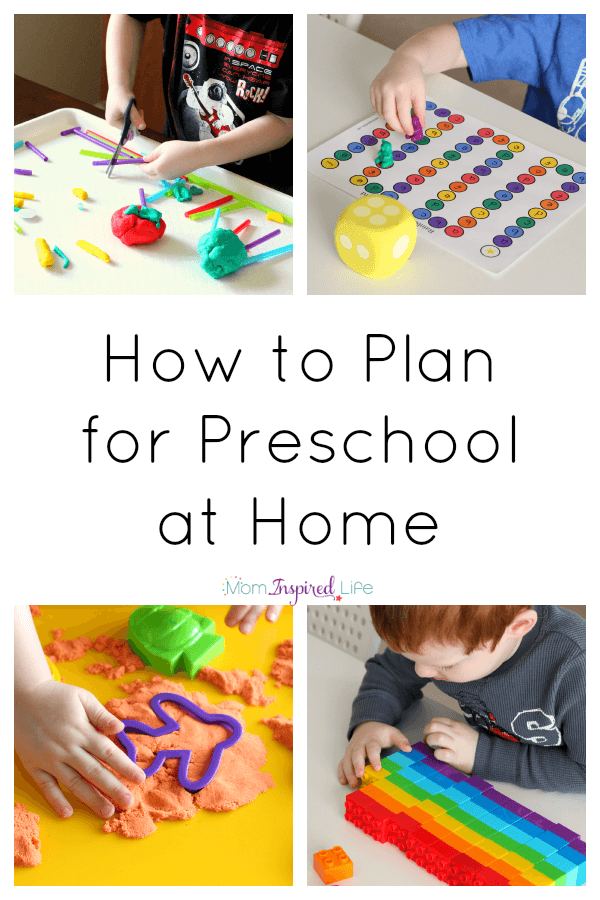
Image Source: funlearningforkids.com
Why Teach Preschool at Home?
Many parents choose to teach preschool at home for various reasons. It allows for personalized attention, a flexible schedule, and the ability to tailor learning to a child’s specific interests and pace. It also fosters a strong bond between parent and child through shared learning experiences.
Benefits of Home Preschool
- Individualized Learning: You can focus on your child’s strengths and areas needing support.
- Flexibility: Adapt lessons to your family’s daily rhythm and spontaneous learning opportunities.
- Cost-Effective: Save on tuition fees associated with traditional preschools.
- Stronger Parent-Child Bond: Shared learning builds deeper connections.
- Control Over Curriculum: Choose methods and topics that align with your values.
- Early Socialization (with planning): While not a substitute for group play, you can integrate social learning through playdates and community activities.
Creating a Preschool Environment at Home
Setting up a dedicated space can significantly enhance the learning experience. You don’t need a huge room; even a corner can be transformed into a vibrant learning hub. The goal is to create a stimulating, organized, and safe place where your child feels encouraged to explore and learn. This is the foundation for effective early childhood education at home.
Designing Your Home Preschool Setup
Think about how to make the space inviting and functional.
Key Elements of a Preschool Learning Space
- Designated Learning Area: A table and chairs are essential for focused activities like drawing, puzzles, and crafts.
- Reading Nook: A cozy spot with pillows and blankets for storytime. This encourages a love for books.
- Play Zones: Areas for imaginative play, building blocks, and sensory exploration.
- Accessible Storage: Shelves or bins where materials are easy for your child to reach and put away. This teaches responsibility.
- Visual Aids: Colorful charts, alphabet displays, number lines, and a calendar can be displayed on walls.
- Natural Light: Position your learning area near a window if possible.
- Child-Sized Furniture: Small tables and chairs make the space feel like their own.
- Safety First: Ensure all materials are non-toxic and that there are no hazards in the space.
Organizing Learning Materials
Organization is crucial for a smooth preschool day. Having materials readily available reduces frustration for both you and your child.
Tips for Organizing Preschool Materials
- Categorize: Group similar items together (e.g., art supplies, math manipulatives, books).
- Label: Use pictures or simple words for younger children.
- Rotation: Keep only a few items out at a time to prevent overwhelm and maintain interest. Rotate toys and activities weekly or bi-weekly.
- Vertical Space: Use shelves and wall organizers to maximize space.
- Trays and Bins: Contain smaller items like beads, crayons, or puzzle pieces.
Developing Your Preschool Curriculum at Home
A preschool curriculum at home doesn’t need to be complicated. It should be play-based and focus on developing foundational skills across various domains. Your preschool lesson plans at home can be flexible and adapted to your child’s interests.
Core Learning Areas for Preschool
- Literacy: Developing pre-reading skills.
- Numeracy: Building early math concepts.
- Science: Exploring the world around them.
- Social-Emotional Development: Learning to manage feelings and interact with others.
- Fine Motor Skills: Developing hand-eye coordination.
- Gross Motor Skills: Enhancing large muscle movement.
- Creativity & Art: Expressing themselves through various mediums.
Crafting Preschool Lesson Plans at Home
Your lesson plans can be simple, focusing on a theme for the week or month. This helps integrate learning across different subjects.
Sample Weekly Theme: “Bugs and Insects”
Monday:
* Literacy: Read “The Very Hungry Caterpillar.” Discuss the life cycle. Practice letter ‘C’ (for Caterpillar).
* Art: Make caterpillars using toilet paper rolls and paint.
* Science: Observe real or toy insects. Discuss their body parts.
Tuesday:
* Numeracy: Count ladybug spots. Sort toy insects by size or color.
* Gross Motor: “Bug Hunt” in the backyard – look for insects.
* Sensory: Create an “insect habitat” in a sensory bin with dirt, leaves, and plastic bugs.
Wednesday:
* Literacy: Write a simple sentence about a bug (e.g., “I see a bee.”).
* Fine Motor: Use tweezers to pick up small pom-poms (“insects”).
* Music: Sing songs about bugs like “The Ants Go Marching.”
Thursday:
* Science: Learn about bees and how they make honey.
* Art: Make a bee craft with yellow and black paper.
* Sensory: Play with playdough and insect cookie cutters.
Friday:
* Review & Fun: Revisit favorite bug activities. Watch a short documentary about insects.
* Snack: Make “ant cups” with pudding and crushed cookies.
Fun Preschool Learning Activities
The best way to teach young children at home is through engaging, hands-on activities. These homeschool preschool activities should be fun and allow for exploration.
Literacy Activities
- Alphabet Hunt: Hide letter magnets or blocks and have your child find them.
- Rhyming Games: Say a word and have your child say a word that rhymes.
- Storytelling: Read books daily, ask questions about the story, and encourage your child to retell it.
- Name Recognition: Practice recognizing and writing their name with various materials (paint, sand, playdough).
- Sight Word Practice: Introduce a few simple sight words (like “the,” “a,” “is”) and create flashcards.
Numeracy Activities
- Counting Objects: Use everyday items like buttons, blocks, or snacks to count.
- Number Matching: Create simple cards with numbers and corresponding dots or pictures.
- Shape Sorting: Use shape sorters or cut out shapes from paper to sort.
- Pattern Making: Use blocks, beads, or colored paper to create simple patterns (ABAB, AABB).
- Building with Blocks: Discuss shapes and sizes while building.
Science Activities
- Nature Walks: Collect leaves, rocks, and sticks. Discuss their textures and properties.
- Planting Seeds: Grow a simple plant and observe its growth over time.
- Water Play: Explore concepts like floating, sinking, and pouring.
- Simple Experiments: Baking soda and vinegar volcanoes, color mixing with food coloring.
- Weather Chart: Track the weather daily and discuss different weather conditions.
Fine Motor Skill Activities
- Playdough Fun: Rolling, cutting, and shaping playdough strengthens hand muscles.
- Beading: Threading beads onto string or pipe cleaners.
- Cutting Practice: Using safety scissors to cut paper, playdough, or play food.
- Puzzles: Age-appropriate puzzles help with dexterity and problem-solving.
- Drawing and Coloring: Using crayons, markers, and colored pencils.
Gross Motor Skill Activities
- Obstacle Courses: Set up a simple course using pillows, tunnels, and chairs.
- Dancing and Movement: Put on music and encourage free movement.
- Ball Play: Rolling, throwing, and kicking balls.
- Outdoor Play: Running, jumping, and climbing in a safe outdoor space.
- Simon Says: A fun way to practice following directions and coordination.
Creative and Art Activities
- Painting: Finger painting, brush painting, easel painting.
- Collage: Gluing different materials like paper scraps, fabric, or natural items onto paper.
- Drawing and Doodling: Provide a variety of drawing tools.
- Crafts: Making animals, seasonal decorations, or simple projects related to themes.
- Sculpting: Using clay or playdough to create three-dimensional objects.
Resources for Home Preschool
There are many excellent resources available to support your home preschool journey. These resources can provide structure, inspiration, and educational materials.
Types of Resources
- Online Curricula: Many websites offer free or paid preschool curriculum frameworks.
- Educational Websites & Apps: Look for sites with interactive games and activities.
- Books: Children’s books are invaluable for literacy and theme-based learning. Non-fiction books can introduce science concepts.
- Printables: Websites offer free printable worksheets, flashcards, and activity sheets.
- Craft Supplies: Basic art supplies are essential for creative expression.
- Manipulatives: Counting bears, pattern blocks, and shape sorters are great for math.
- Sensory Bin Fillers: Rice, beans, sand, water, pasta, cloud dough.
- Local Library: A fantastic source for books, DVDs, and sometimes even learning kits.
- Educational Toys: Building blocks, puzzles, dress-up clothes, and pretend play items.
Finding Quality Resources
When choosing resources, consider your child’s age, developmental stage, and interests.
Key Considerations When Selecting Resources
- Age Appropriateness: Ensure the content and complexity match your child’s abilities.
- Engagement: Does the resource capture your child’s attention?
- Educational Value: Does it support learning in key developmental areas?
- Safety: Are materials non-toxic and free of small parts that could be a choking hazard?
- Cost: Balance your budget with the quality and utility of the resource.
- Reviews and Recommendations: See what other parents and educators say.
Structuring the Preschool Day
While flexibility is key, having a general structure can help. A predictable routine provides a sense of security for young children.
Sample Daily Schedule
This is a flexible guide, adjust as needed based on your child’s energy levels and interests.
- 9:00 AM – 9:30 AM: Arrival & Free Play/Quiet Activity
- Child chooses an activity like puzzles, blocks, or drawing.
- 9:30 AM – 10:00 AM: Circle Time
- Calendar, weather, songs, a brief discussion about the day’s theme.
- 10:00 AM – 10:30 AM: Focused Learning Activity
- Math or literacy game, a science experiment, or a craft related to the theme.
- 10:30 AM – 11:00 AM: Snack & Story Time
- Healthy snack, followed by reading a book.
- 11:00 AM – 11:45 AM: Gross Motor/Outdoor Play
- Park visit, backyard play, or indoor active games.
- 11:45 AM – 12:15 PM: Quiet Play/Sensory Bin
- Child-led exploration with toys or a sensory bin.
- 12:15 PM – 12:30 PM: Tidy Up Time
- Involve your child in putting away materials.
- 12:30 PM: Lunch
Afternoon: Nap time, more free play, or outings.
Adapting for Different Learning Styles
Children learn in different ways. Being aware of various learning styles can help you offer a well-rounded preschool experience.
Common Learning Styles
- Visual Learners: Learn best by seeing. Use charts, pictures, videos, and demonstrations.
- Auditory Learners: Learn best by hearing. Use songs, rhymes, read-alouds, and discussions.
- Kinesthetic Learners: Learn best by doing and moving. Use hands-on activities, games, and physical movement.
- Read/Write Learners: Learn best by interacting with written words. Use journaling, writing practice, and reading.
You can incorporate a mix of these styles into your preschool curriculum at home to cater to your child’s preferences and to reinforce learning through multiple channels.
Frequently Asked Questions About Teaching Preschool at Home
Here are answers to common questions parents have when starting a home preschool.
What is the most important aspect of teaching preschool at home?
The most important aspect is fostering a love of learning through play and positive experiences. It’s about making learning fun and engaging for your child.
Can I use a published preschool curriculum at home?
Yes, absolutely. Many parents find published preschool curriculum resources helpful for structure and ideas. You can adapt them to fit your child’s needs and your family’s schedule.
How do I handle socialization for my homeschooled preschooler?
You can arrange playdates with other children, join parent-child classes, visit parks, and participate in community events. These opportunities provide social interaction.
What if my child doesn’t want to participate in an activity?
Forcing participation can be counterproductive. Offer the activity and let your child explore it at their own pace. If they are not interested, redirect them to another engaging activity and try the original one again later.
How much time should I dedicate to formal lessons?
Preschool learning is largely integrated into play. Short, focused periods of direct instruction (15-30 minutes for specific activities) are usually sufficient for preschoolers. The majority of learning happens through exploration and play.
What are the benefits of early childhood education at home?
It offers personalized learning, flexibility, cost savings, and the ability to build a strong parent-child bond through shared educational experiences. It allows you to tailor the learning environment and curriculum specifically to your child’s needs and interests.
By implementing these fun ideas and strategies, you can create a rich and effective early childhood education at home. Remember to be patient, celebrate small successes, and most importantly, enjoy the journey of learning with your child!