
Can you do Montessori at home? Yes, absolutely! Montessori at home focuses on creating a nurturing, structured environment that fosters a child’s natural curiosity and independence. This guide will walk you through the core principles and practical steps to bring the Montessori philosophy into your daily life.
Image Source: images.squarespace-cdn.com
Embracing the Montessori Philosophy
The Montessori method, developed by Dr. Maria Montessori, is a unique educational approach that respects the child as an individual and nurtures their innate desire to learn. It’s not just about toys or specific materials; it’s a way of life that prioritizes respect, independence, and a love for learning. The core idea is child-led learning, where the child directs their own educational journey with guidance from a supportive adult.
The Prepared Environment Montessori
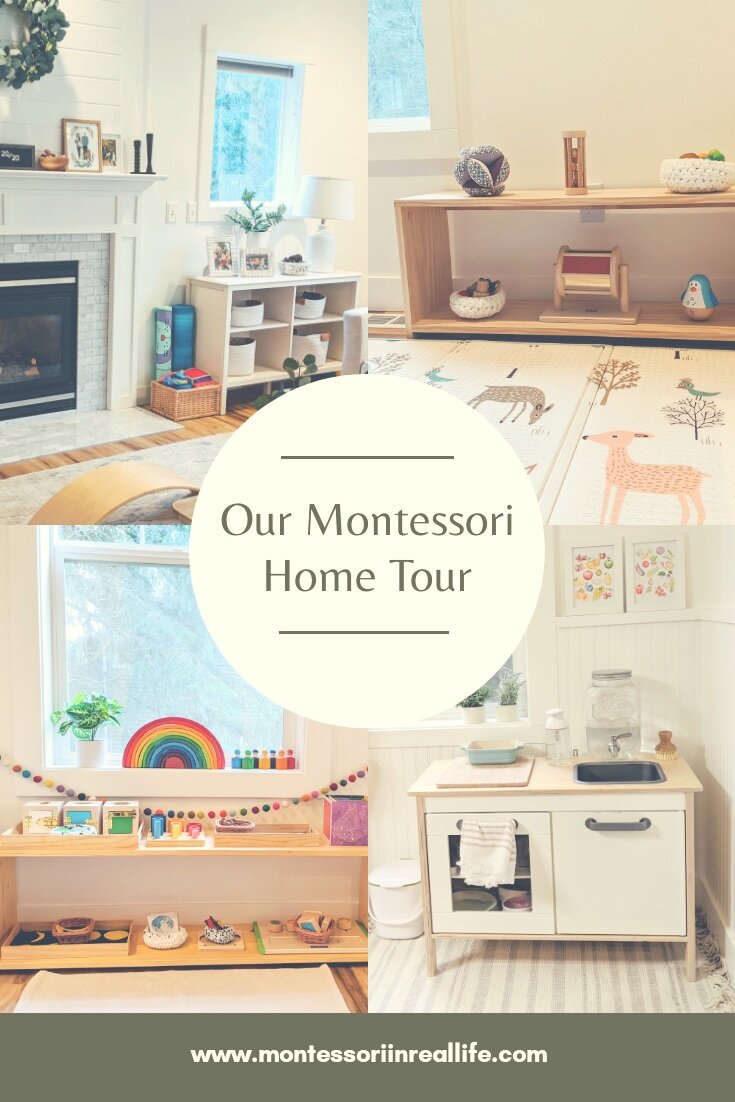
A cornerstone of Montessori is the prepared environment Montessori. This is a space carefully designed to be child-sized, orderly, and accessible, allowing children to explore and learn independently. It’s a place where everything has a purpose and a place, promoting a sense of calm and order.
- Child-Sized Furniture: Tables, chairs, shelves, and sinks should be at your child’s height, allowing them to move and interact with their surroundings freely.
- Order and Accessibility: Materials are displayed neatly on open shelves, usually in low, easily reachable containers. Each item has its specific place.
- Aesthetic Appeal: The environment should be beautiful and calming, often incorporating natural elements like plants and soft colors.
- Freedom of Movement: Children should be able to move around the space freely and choose their activities.
The Role of the Adult
In a Montessori home, the adult is a guide, not a dictator. Your role is to observe, prepare the environment, and present materials when the child is ready.
- Observation: Watch your child to see what interests them and what challenges they are facing.
- Preparation: Set up the environment and organize Montessori learning materials in a way that invites exploration.
- Presentation: Show your child how to use a material, but then step back and allow them to practice independently.
- Respect: Treat your child with respect, speaking to them calmly and acknowledging their efforts.
Implementing Montessori Toddler Activities
Bringing Montessori into your home with toddlers is all about focusing on practical skills and sensory exploration. Montessori toddler activities are designed to help them develop fine motor skills, concentration, and independence.
Practical Life Skills
Montessori practical life skills are fundamental to the Montessori approach for young children. These activities help children develop their coordination, concentration, independence, and sense of order. They also provide a sense of accomplishment and belonging.
Examples of Montessori Practical Life Activities:
- Dressing Frames: Using frames with buttons, zippers, snaps, or buckles to practice self-dressing.
- Pouring: Transferring dry goods (beans, rice) or liquids (water) from one container to another.
- Spoon Transferring: Moving small items like beads or pompoms from one bowl to another using a spoon.
- Washing Hands: A dedicated sink area with child-sized soap, towels, and a stool.
- Sweeping and Dusting: Using small brooms and dustpans.
- Food Preparation: Simple tasks like spreading butter on toast, peeling bananas, or cutting soft fruits with a child-safe knife.
- Watering Plants: Using a small watering can.
Tips for Setting Up Practical Life Activities:
- Start Simple: Begin with one or two activities that are age-appropriate.
- Clear Presentation: Show the child how to do the activity slowly and deliberately.
- Child-Sized Tools: Use real tools that are small and safe for children.
- Troubleshooting: Be available to help if the child struggles, but avoid taking over.
Montessori Sensory Play
Montessori sensory play is crucial for toddlers and preschoolers as it allows them to explore the world through their senses. These activities help them develop their cognitive abilities, language, and fine motor skills.
Montessori Sensory Play Ideas:
- Sensory Bins: Fill a bin with materials like rice, beans, pasta, sand, water, or shredded paper and add scoops, cups, and small toys.
- Themed Sensory Bins:
- Ocean Bin: Blue water beads, shells, small plastic sea creatures.
- Farm Bin: Corn kernels, toy farm animals, small tractors.
- Nature Bin: Leaves, twigs, acorns, pinecones, smooth stones.
- Color Mixing: Using water with food coloring in small bottles or trays.
- Sound Cylinders: Pairs of sealed containers filled with different materials that make distinct sounds when shaken.
- Smelling Bottles: Small jars with different pleasant scents (cinnamon, lemon, lavender).
- Texture Boards: Boards covered with different textured materials (sandpaper, velvet, cotton balls, foil).
Key Principles for Sensory Play:
- Supervision: Always supervise young children during sensory play.
- Containment: Use bins or trays to keep materials contained and make cleanup easier.
- Purposeful: While fun, ensure there’s an element of exploration and discovery involved.
Transitioning to Montessori Preschool at Home
As children grow, Montessori preschool at home builds upon the foundational skills with more structured learning materials and activities. The focus remains on independence, concentration, and developing a love for learning across various domains.
Montessori Learning Materials
Montessori learning materials are specifically designed to be self-correcting, isolating one concept at a time, and engaging the child’s senses. While you don’t need to buy everything, understanding the purpose of these materials can help you create similar learning opportunities at home.
Key Characteristics of Montessori Materials:
- Self-Correcting: The materials often have built-in mechanisms that allow the child to see if they have made a mistake without direct adult intervention.
- Isolates a Concept: Each material is designed to teach one specific skill or concept.
- Sensorial: They appeal to the child’s senses, making learning more tangible and engaging.
- Graduated Difficulty: Materials are typically presented in a sequence from simple to complex.
- Aesthetic and Orderly: They are beautifully made and presented, encouraging care and respect.
Examples of Montessori Learning Materials and Home Adaptations:
| Montessori Material | Concept Taught | Home Adaptation |
|---|---|---|
| Pink Tower | Visual discrimination of size, development of fine motor skills, introduction to cubic form. | Wooden blocks of varying sizes, painted pink. Arrange from largest to smallest. |
| Brown Stair | Visual discrimination of thickness and width, development of fine motor skills. | Wooden prisms of varying thickness and width, painted brown. Arrange from thickest to thinnest. |
| Red Rods | Visual discrimination of length, development of fine motor skills. | Wooden rods of varying lengths, painted red. Arrange from longest to shortest. |
| Cylinder Blocks | Visual discrimination of size (height and diameter), fine motor control. | Wooden blocks with cylinders that fit into corresponding holes. Can be replicated with DIY wooden dowels and holes drilled into a wooden base, or even cardboard tubes cut to different lengths. |
| Sandpaper Letters | Introduction to letter sounds and their shapes, tactile learning. | Cut letters from sandpaper and glue them onto sturdy cardstock. Trace the letters with your finger while saying the sound. |
| Moveable Alphabet | Early reading and spelling without the need for precise motor control. | Wooden or foam letters that children can arrange to form words. You can also use magnetic letters or printed letters on cardstock. |
| Golden Beads | Introduction to the decimal system, quantity, and place value. | Sets of beads representing units, tens, hundreds, and thousands. Can be mimicked with different colored beads or even small counters and place value charts. |
| Number Rods | Introduction to quantity and the concept of numbers 1-10. | Similar to Red Rods but divided into segments representing units. |
| Geometric Cabinet | Introduction to basic geometric shapes, their names, and attributes. | Cut out various geometric shapes from colored paper or foam. Create matching outlines on a board. |
| Puzzle Maps | Geography, recognizing continents, countries, and states. | Large floor puzzles of maps. You can also use printed maps and have your child color in continents or trace borders. |
Montessori Language Development
Montessori language development is a gradual and multi-sensory process. It begins with spoken language and progresses to reading and writing, all at the child’s pace.
Stages and Activities:
-
Spoken Language:
- Enriching Conversation: Talk to your child about everything you are doing. Use descriptive language.
- Reading Aloud: Read a variety of books daily, pointing to words and pictures.
- Naming Objects: Label objects around the house and in nature.
-
Pre-Reading Skills:
- Listening Games: Play games that involve identifying sounds in words (phonemic awareness).
- Rhyming: Read rhyming books and identify rhyming words.
- Picture Matching: Match identical pictures.
-
Introduction to Letters (Phonics):
- Sandpaper Letters: Trace letters and say their sounds.
- Moveable Alphabet: Sound out words and build them with letter tiles.
- Letter Craft: Make letters out of various materials (playdough, paint, yarn).
-
Reading:
- Phonics Readers: Use books that focus on phonetic sounds.
- Sight Words: Introduce common words that don’t follow phonetic rules.
- Reading Comprehension: Discuss the stories read.
-
Writing:
- Pre-Writing Activities: Tracing lines, shapes, and pre-writing strokes (e.g., with a pencil, chalk, or in a sand tray).
- Using the Moveable Alphabet: Children often write words before they can physically write them with a pencil.
- Pencil Grip Practice: Using chunky pencils or crayons initially.
Montessori Math Activities
Montessori math activities focus on concrete, hands-on experiences that build a strong foundation in number sense and mathematical concepts.
Early Math Concepts:
-
Counting and Number Recognition:
- Sandpaper Numbers: Tracing numbers and associating them with quantity.
- Spindle Box: Pairing numbers 0-9 with corresponding quantities of spindles.
- Bead Stairs: Using colored beads to represent quantities.
- Counting Objects: Simple counting of everyday items.
-
Quantity and Symbol Association:
- Number Rods: Connecting the length of the rod with the quantity it represents.
- Memory Game: Matching number cards with corresponding quantities of objects.
-
Decimal System Introduction:
- Golden Beads: Learning about units, tens, hundreds, and thousands through concrete materials.
-
Basic Operations (Addition, Subtraction, Multiplication, Division):
- Addition/Subtraction Strip Boards: Using colored strips and cards to perform operations.
- Stamp Game: A more abstract material using stamps for units, tens, hundreds, and thousands.
- Golden Beads: Performing operations with the Golden Bead material.
Adapting Math Activities at Home:
- Use Everyday Objects: Count toys, snacks, or steps.
- Board Games: Many board games involve counting and simple addition.
- Cooking: Measuring ingredients involves fractions and quantities.
- Sorting and Patterning: Sort objects by color, size, or shape. Create patterns with blocks or beads.
Creating Your Montessori-Inspired Home: Practical Tips
Bringing Montessori into your home doesn’t require a complete overhaul or expensive materials. It’s about intention and adapting the principles to your family’s needs. Here are some Montessori at home tips:
The Prepared Environment at Home
- Designate a Learning Space: Even if it’s just a corner of a room, create a dedicated space for your child’s activities.
- Low Shelving: Use low, open shelves so your child can easily access and return materials.
- Child-Sized Workstations: A small table and chair at your child’s height is ideal.
- Order and Rotation: Keep materials organized and rotate them periodically to maintain interest. Don’t overwhelm your child with too many choices at once.
- Beauty and Simplicity: Keep the space clean, uncluttered, and visually appealing.
Fostering Independence
- Empower with Practical Life Skills: As mentioned, these are crucial. Let your child help with chores and daily routines.
- Offer Choices: Within limits, allow your child to choose their activities. This fosters a sense of agency.
- Allow for Mistakes: Mistakes are learning opportunities. Don’t rush to correct; encourage them to try again.
- Provide Tools: Ensure they have child-sized tools for tasks like washing, preparing food, or cleaning.
The Art of Observation
- Slow Down and Watch: Take time to truly observe your child without interruption. What are they drawn to? What are they struggling with?
- Follow Their Lead: If your child is fascinated by a particular topic or activity, lean into it. This is the essence of child-led learning.
- Be Patient: Development takes time. Celebrate effort and progress, not just perfect outcomes.
Montessori Language Development at Home
- Conversation is Key: Talk to your child throughout the day. Narrate your actions and explain things simply.
- Read, Read, Read: Make reading a daily ritual. Visit the library regularly.
- Phonics Focus: Introduce letter sounds before letter names. Use multi-sensory approaches like sandpaper letters or tracing in sand.
- Encourage Storytelling: Ask open-ended questions about books and encourage them to tell their own stories.
Montessori Math Activities at Home
- Integrate Math into Daily Life: Count objects, measure ingredients while cooking, discuss shapes in the environment.
- Hands-on Manipulatives: Use blocks, beads, buttons, or even dried pasta to explore counting, sorting, and patterns.
- Focus on Concepts, Not Just Rote Memorization: Help your child grasp the ‘why’ behind mathematical ideas.
Frequently Asked Questions (FAQ)
Q1: Do I need special Montessori materials to do Montessori at home?
A: While authentic Montessori materials are excellent, you don’t need them to start. You can adapt many activities using everyday household items and simple DIY materials. Focus on the principles of order, independence, and child-led learning.
Q2: My child isn’t interested in the activities I set up. What should I do?
A: Observe your child. What are they currently interested in? Try to incorporate their current interests into Montessori activities. For example, if they love cars, use toy cars in a sensory bin or to practice counting. Also, ensure the environment is truly prepared and materials are accessible and appealing to them.
Q3: How do I balance Montessori with other learning activities or preschool programs?
A: The Montessori philosophy can be integrated alongside other approaches. The core principles of respecting the child, fostering independence, and creating a prepared environment are universally beneficial. You can pick and choose activities that resonate with your family.
Q4: Is Montessori only for young children?
A: While the early years are a primary focus for many Montessori at home practitioners, the principles can extend to older children. The emphasis on child-led learning, inquiry, and respect for the individual remains valuable throughout development.
Q5: How much structure should there be in a Montessori home?
A: Montessori is structured but flexible. The structure comes from the prepared environment and the predictable routines. Within that structure, children have freedom to choose their activities and work at their own pace, which is a key aspect of child-led learning.
By focusing on creating a supportive, ordered environment and respecting your child’s natural development, you can successfully implement the Montessori philosophy in your home, fostering a lifelong love of learning.