
Can you verify a homeschool diploma? Yes, you can verify a homeschool diploma through various methods, depending on how it was issued and for what purpose you need verification. This guide will walk you through the steps to ensure your homeschool credentials are both legally recognized and efficiently validated.
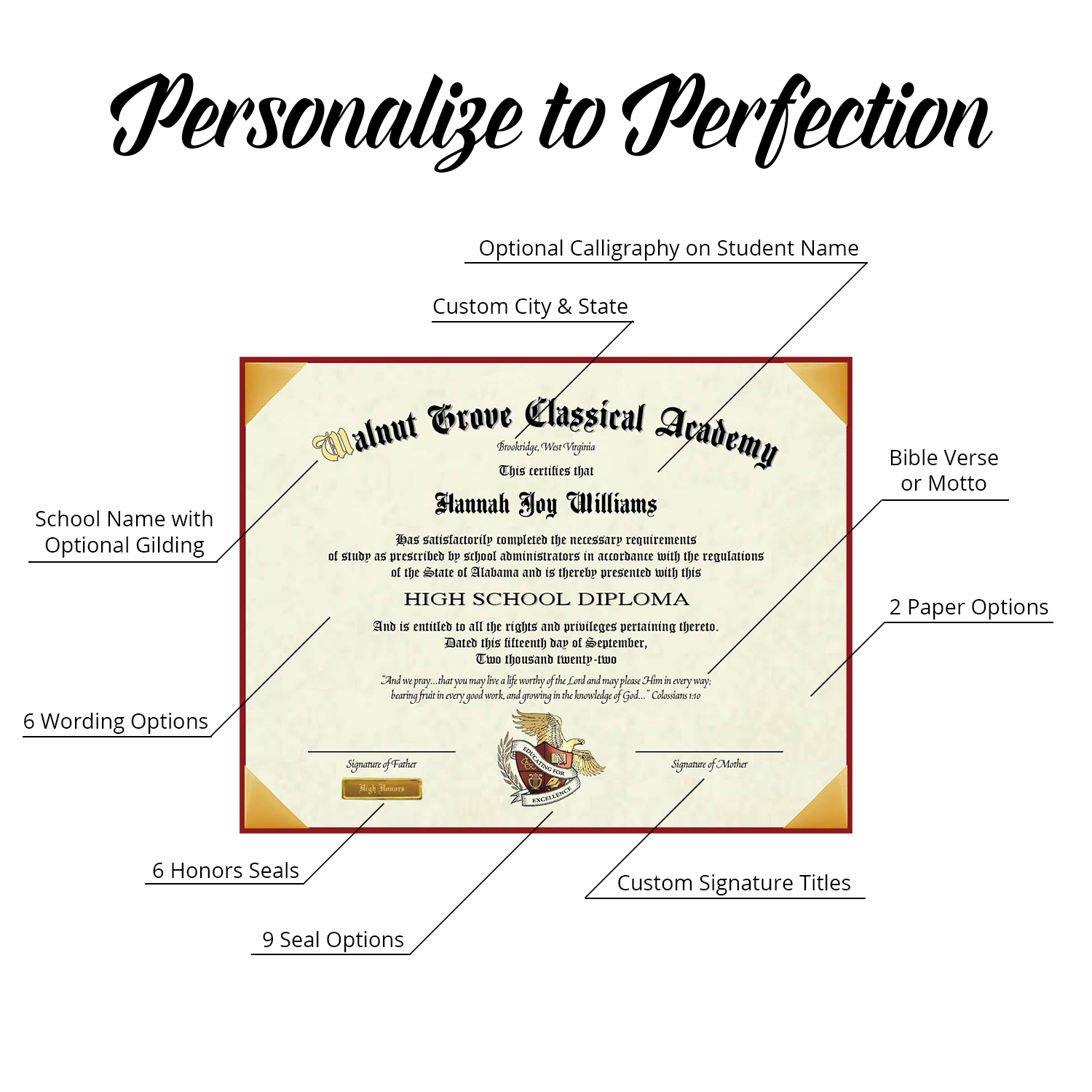
Image Source: www.homeschooldiploma.com
Deciphering Homeschool Diploma Legitimacy
When you’re looking to verify a homeschool diploma, the first step is to understand what makes it legitimate in the eyes of institutions like colleges, employers, or government agencies. A valid homeschool diploma signifies that a student has met the educational requirements set forth by their state and has completed a course of study equivalent to traditional schooling. This process can sometimes feel complex, but with the right information, it becomes straightforward.
Navigating State Homeschool Diploma Regulations
Each state has its own specific state homeschool diploma regulations. These rules dictate the requirements for homeschooling, including curriculum, attendance, and record-keeping. Understanding these regulations is crucial because they form the basis of your homeschool education’s legal standing. Some states consider parents to be private tutors and do not issue official diplomas, allowing parents to create their own. Other states require enrollment in an umbrella school or have specific testing requirements.
The Role of Homeschool Transcript Verification
Homeschool transcript verification is a critical component of validating your education. A homeschool transcript is like a report card for your entire homeschool journey. It lists the courses taken, the grades received, and credits earned. For the diploma to be verifiable, the transcript must accurately reflect the coursework and demonstrate that homeschool graduation requirements have been met. This document is often the primary evidence of your academic achievements.
Accredited Homeschool Diploma vs. Independent Homeschool Diploma
There are two main paths for issuing homeschool diplomas: accredited programs and independent homeschool diploma issuance by parents or a homeschool association.
- Accredited Homeschool Diploma: Diplomas issued by accredited homeschool programs are generally easier to verify because the accrediting body has already vetted the program’s curriculum and standards. These programs often provide official transcripts and diplomas that are readily accepted by most institutions.
- Independent Homeschool Diploma: If you or your parents issued your diploma independently, verification might involve more steps. This is common in states where homeschooling is viewed as a parental right. In such cases, the emphasis is on the accuracy and completeness of your homeschool transcript and portfolio.
Homeschool Diploma Equivalency: What It Means
Homeschool diploma equivalency refers to the recognition of your homeschool education as being comparable to that of a graduate from a traditional high school. This is usually established through your transcript, standardized test scores (like SAT or ACT), and potentially a portfolio of your work. Colleges and employers look for this equivalency when evaluating your qualifications.
Steps to Verifying Your Homeschool Diploma
Verifying your homeschool diploma involves presenting the right documentation and, in some cases, going through a formal process with a third party. The goal is to provide irrefutable proof of your educational attainment.
Preparing Your Homeschool Documentation
The foundation of any verification process is meticulous record-keeping. Gather all relevant documents:
- Homeschool Transcript: This should be detailed and professionally presented.
- Course Descriptions: If a course was unique or advanced, include a brief description of its content.
- Standardized Test Scores: SAT, ACT, AP, or CLEP scores can significantly bolster your academic record.
- Portfolio of Work: This might include essays, projects, research papers, and other samples of your academic output.
- Diploma: The physical diploma itself.
Checking Homeschool Credentials: Common Verification Avenues
When someone needs to verify your homeschool credentials, they typically look for the following:
For College Admissions
Colleges are accustomed to verifying high school credentials. For homeschoolers, they will review your transcript, test scores, and recommendation letters. Some colleges may request additional information about your homeschool program or curriculum.
- High School Equivalency Tests: While not always required for homeschoolers, taking tests like the GED or HiSET can serve as a standardized measure of your academic achievement if your homeschool transcript is questioned. However, these tests are typically for those without a high school diploma. For homeschoolers, the transcript and test scores (SAT/ACT) are usually sufficient.
- Accreditation: If your homeschool program was accredited, providing the accreditation details can expedite the verification process.
For Employment
Employers may require verification to ensure you meet the minimum educational requirements for a position. This is often a simpler process than college admissions.
- Direct Submission: You may simply need to provide a copy of your diploma and transcript.
- Employer Verification: Some employers might contact your issuing entity (if applicable) or ask for further documentation.
For Military Enlistment
The military has specific requirements for educational qualifications.
- Acceptance of Homeschool Diplomas: The U.S. military generally accepts homeschool diplomas that meet state requirements. You will need to provide your transcript and diploma.
- Specific State Requirements: Be aware of any specific state homeschool diploma regulations that might be particularly important for military enlistment.
Formal Verification Processes
In certain situations, a more formal verification process might be necessary.
Using a Homeschool Umbrella School or Association
If you were part of a homeschool umbrella school or association, they can often provide official verification letters or transcripts. This is especially true if they issued your diploma.
Utilizing Third-Party Verification Services
Several companies specialize in verifying academic credentials, including homeschool diplomas. These services can be a valuable resource if you need an independent validation.
- National Student Clearinghouse: While primarily for traditional schools, some homeschool programs may register with them.
- Specialized Homeschool Verification Services: Search for services that specifically cater to validating homeschool education. They can provide an official seal or letter of confirmation.
What Makes a Homeschool Diploma Legally Recognized?
A legal homeschool diploma is one that is issued in accordance with the laws of the state in which the homeschooling took place. The key factors for legal recognition include:
- Compliance with State Laws: Did the homeschool program (or parental guidance) adhere to the state’s state homeschool diploma regulations?
- Accurate Record-Keeping: Was a comprehensive transcript and potentially a portfolio maintained?
- Purpose of Verification: The level of scrutiny often depends on who is requesting verification.
Validating Homeschool Education: Best Practices
To ensure your homeschool education is recognized and easily verifiable, follow these best practices:
- Maintain Detailed Records: Keep records of all subjects studied, books used, assignments completed, grades, and attendance.
- Create a Professional Transcript: A well-organized transcript is your most important document.
- Use Accredited Programs When Possible: If state laws or your future goals suggest it, consider an accredited homeschool program. This simplifies verification significantly.
- Prepare for Standardized Tests: Even if not required by your state, taking SAT or ACT exams provides a widely recognized benchmark of your academic abilities.
- Understand Homeschool Graduation Requirements: Ensure your curriculum and coursework align with any specific homeschool graduation requirements set by your state or chosen program.
Strategies for Quick Verification
Speeding up the verification process often comes down to preparation and knowing where to turn.
The Importance of a Well-Organized Portfolio
A comprehensive portfolio acts as a powerful backup to your transcript. It allows institutions to see the depth and quality of your work, which can be particularly helpful for an independent homeschool diploma.
- Tangible Evidence: Include graded assignments, research papers, creative writing, science lab reports, and project documentation.
- Demonstrating Mastery: This can showcase skills and knowledge not always captured on a transcript alone.
Leveraging Homeschool Transcript Verification Services
Some services are specifically designed to streamline the homeschool transcript verification process. These can be invaluable for those with an independent homeschool diploma or when dealing with institutions unfamiliar with homeschooling.
- Professional Formatting: These services can help format your transcript to meet standard requirements.
- Independent Review: They offer an unbiased assessment of your academic records.
Understanding the Diploma Issuing Authority
The ease of verification often hinges on who issued the diploma.
- Accredited Programs: These typically have established processes for verification, often involving direct contact with the school.
- State-Issued Diplomas (Rare for Homeschool): While rare for homeschoolers, if your state provides a diploma, that state’s Department of Education would be the verification point.
- Parent-Issued Diplomas: This is where you, as the homeschool parent or graduate, might need to provide the most comprehensive documentation.
Gathering Supporting Evidence for Homeschool Diploma Equivalency
To prove homeschool diploma equivalency, consider these supporting documents:
- SAT/ACT Scores: High scores can demonstrate academic readiness.
- Advanced Placement (AP) or College-Level Examination Program (CLEP) Scores: These can grant college credit and validate advanced learning.
- Letters of Recommendation: From tutors, mentors, or community leaders who can attest to your academic abilities and character.
Addressing Common Verification Challenges
Homeschoolers sometimes encounter unique challenges when verifying their education. Being prepared can mitigate these issues.
When Institutions Are Unfamiliar with Homeschooling
Some colleges or employers might not have clear procedures for verifying homeschool diplomas because they haven’t encountered many homeschool graduates.
- Educate the Institution: Provide clear, organized documentation. Offer contact information for your homeschool association or any accreditation body.
- Highlight Equivalency: Emphasize how your transcript and test scores demonstrate homeschool diploma equivalency to a traditional high school education.
Proving Homeschool Graduation Requirements Were Met
Ensuring you can prove you met homeschool graduation requirements is paramount.
- Detailed Record Keeping: This is your primary defense. Your transcript should clearly show completion of core subjects and electives.
- State Guidelines: Reference the state homeschool diploma regulations that you followed.
The Nuances of an Independent Homeschool Diploma
An independent homeschool diploma requires extra diligence in documentation.
- Professional Presentation: Ensure your diploma and transcript look official and are well-organized.
- Consistency: The information on your diploma should align perfectly with your transcript.
Legal Homeschool Diploma vs. Informal Recognition
The term “legal homeschool diploma” is key. It means your diploma is recognized by law as a valid educational credential in your jurisdiction. This is established by adhering to your state’s homeschooling laws. Informal recognition is when an institution accepts your credentials without a formal verification process.
Maintaining Records for Future Verification
The best time to prepare for verification is throughout your homeschooling years.
Archiving Important Documents
- Digital and Physical Copies: Keep both digital backups and physical copies of all academic records, including your diploma.
- Secure Storage: Store these documents in a safe place.
Staying Current with State Homeschool Diploma Regulations
State homeschool diploma regulations can change.
- Regular Review: Periodically check your state’s Department of Education website for any updates to homeschooling laws.
- Association Resources: If you belong to a homeschool association, they often provide updates on legal requirements.
Conclusion: Ensuring Your Homeschool Diploma Stands Strong
Verifying a homeschool diploma is a process rooted in meticulous record-keeping and a clear understanding of your state’s requirements. By diligently documenting your academic journey, creating a professional transcript, and knowing the avenues for verification, you can confidently present your credentials for any purpose. Whether seeking higher education, employment, or military service, a well-prepared homeschool graduate can navigate the verification process smoothly and efficiently, proving the validity and rigor of their homeschool education. Remember, the strength of your diploma lies in the strength of the documentation supporting it.
Frequently Asked Questions (FAQ)
Q1: How can I get my homeschool diploma officially verified?
A1: Verification typically involves providing your homeschool transcript and diploma to the requesting institution (college, employer, etc.). If the institution requires a more formal process, you might need to use a third-party verification service or have your issuing homeschool association provide official documentation.
Q2: What are the homeschool graduation requirements in my state?
A2: Homeschool graduation requirements vary significantly by state. You should consult your state’s Department of Education website or a reputable homeschool organization for the specific regulations applicable to your state. These often include minimum subject requirements, credit hours, and sometimes standardized testing.
Q3: Is an accredited homeschool diploma legally different from an independent homeschool diploma?
A3: Legally, a diploma is considered valid if it meets the state homeschool diploma regulations under which the homeschooling occurred. Accreditation from a recognized body can make verification easier and is often preferred by colleges and employers, but an independent diploma issued in compliance with state law is also legal.
Q4: Can I use my homeschool transcript as proof of education if I don’t have a physical diploma?
A4: In many cases, a detailed and well-prepared homeschool transcript, especially when accompanied by standardized test scores (like SAT or ACT), can serve as sufficient proof of your education, particularly if your state allows parents to issue diplomas.
Q5: What if a college or employer has never seen a homeschool diploma before?
A5: Be prepared to educate them. Provide a clear, professional transcript, a copy of the diploma, and any relevant information about your homeschool program or the state homeschool diploma regulations you followed. Offering contact information for your homeschool association or any accreditation body can also be helpful.
Q6: How do I ensure my homeschool diploma has equivalency to a traditional high school diploma?
A6: Demonstrating homeschool diploma equivalency is achieved through a strong academic record. This includes a comprehensive transcript detailing courses and grades, high standardized test scores (SAT, ACT), AP/CLEP exam results, and a portfolio of work that showcases your learning.
Q7: What role does checking homeschool credentials play in the verification process?
A7: Checking homeschool credentials is the core of the verification process. It involves reviewing all your academic documentation—transcript, test scores, diploma, and portfolio—to confirm that you have met the necessary educational standards.
Q8: Are there services that specialize in validating homeschool education?
A8: Yes, there are third-party services that specialize in validating homeschool education by reviewing your records and issuing an official confirmation. Some homeschool associations also offer verification services for their members.
Q9: What makes a homeschool diploma “legal”?
A9: A legal homeschool diploma is one issued in compliance with the homeschooling laws of the state where the education took place. This usually means adhering to the state’s curriculum, attendance, and record-keeping requirements.
Q10: How can I quickly verify my homeschool diploma?
A10: Quick verification is usually achieved by having all your documentation (transcript, diploma, test scores) perfectly organized and readily available. If you were part of an accredited program or homeschool association, leveraging their established verification processes can also expedite the process.