
Getting a hospital bed at home is crucial for individuals recovering from illness, surgery, or managing chronic conditions that affect mobility. Can you get a hospital bed at home without being in a hospital? Yes, you can! Many options exist to acquire a hospital bed for home use, from renting to purchasing, and often with assistance from insurance or healthcare providers. This comprehensive guide will walk you through the entire process, from deciding if a hospital bed is right for you to arranging delivery and setup.
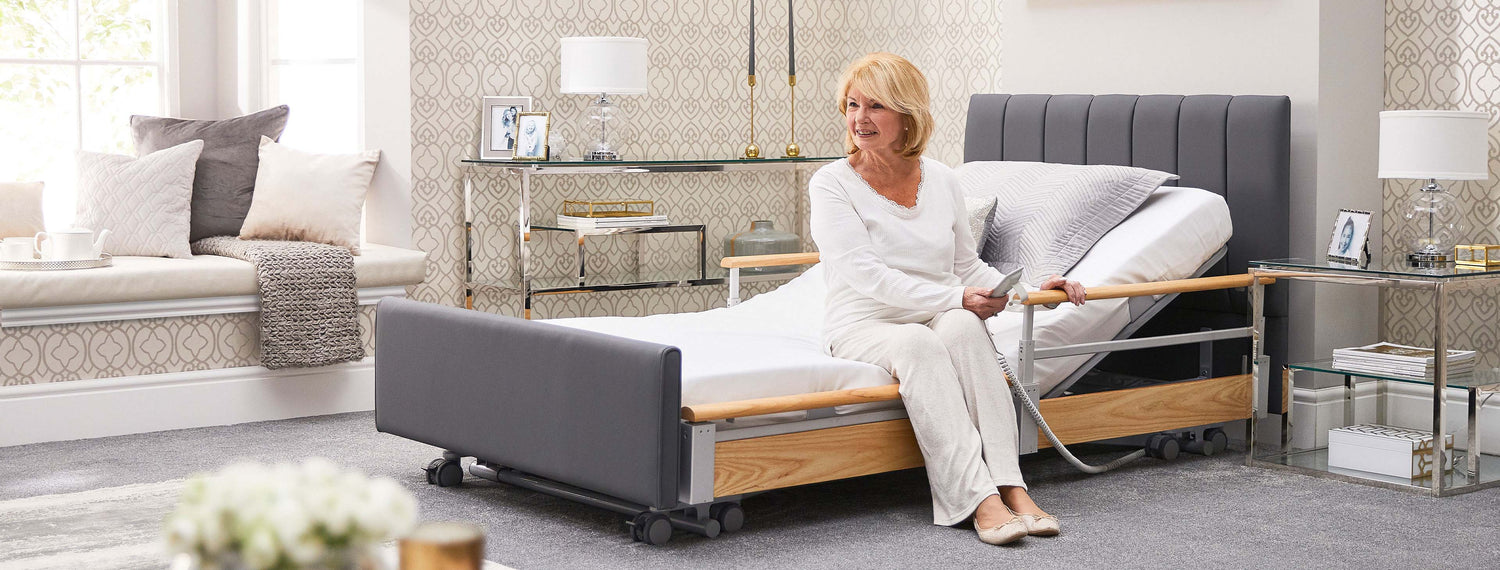
Image Source: operabeds.com
Why You Might Need a Hospital Bed at Home
Hospital beds, also known as adjustable beds or medical beds, offer significant advantages over standard mattresses for individuals with specific healthcare needs. Their adjustable features provide comfort, safety, and ease of care.
Key Benefits of Hospital Beds
- Improved Comfort and Support: The ability to adjust the head and foot sections allows users to find the most comfortable position for resting, sleeping, and performing daily activities like reading or eating. This can alleviate pressure points and reduce the risk of bedsores.
- Enhanced Safety: Side rails can prevent falls from the bed, a common concern for individuals with mobility issues or who are prone to wandering.
- Easier Transfers: The adjustable height of most hospital beds makes it simpler for caregivers to help the patient get in and out of bed, reducing the risk of injury for both parties. This is a vital aspect of home healthcare services.
- Assisted Mobility: For those who need to spend a significant amount of time in bed, the adjustable features can help with repositioning, which is essential for preventing complications like pneumonia and blood clots.
- Caregiver Support: Features like adjustable height and accessible side rails significantly ease the burden on caregivers, making tasks like changing linens, assisting with personal hygiene, and administering medication more manageable.
Determining the Need for a Hospital Bed
Before you start looking for a hospital bed, it’s important to confirm that it’s the best solution for your situation. This usually involves a discussion with your doctor or healthcare provider.
Consulting Your Doctor
Your physician is your primary resource for determining medical equipment needs. They can assess your condition, mobility, and overall health to recommend appropriate home medical equipment.
- Medical Necessity: A doctor’s prescription is often required for insurance coverage. They will document why a hospital bed is medically necessary for your recovery or ongoing care.
- Specific Features: Your doctor can advise on specific features you might need, such as bariatric capacity, specific rail types, or integrated scales, depending on your medical condition.
How to Obtain a Hospital Bed: Your Options
There are two primary ways to get a hospital bed for home use: renting and purchasing. Each option has its pros and cons, depending on your long-term needs and financial situation.
Option 1: Hospital Bed Rental
Renting a hospital bed is a popular choice for short-term needs, such as during a recovery period after surgery or a temporary illness.
Advantages of Renting
- Cost-Effective for Short-Term Use: If you only need the bed for a few weeks or months, renting is generally less expensive than buying.
- Flexibility: You can easily return the bed when you no longer need it, avoiding the commitment of ownership.
- Maintenance and Repairs: Rental companies typically handle maintenance and repairs, saving you the hassle.
- Access to Newer Models: You may have the option to upgrade to newer models as they become available.
Where to Rent a Hospital Bed
Several types of providers offer hospital bed rentals:
- Durable Medical Equipment (DME) Suppliers: These are specialized companies that provide medical equipment for home use. They are often the best source for quality equipment and professional service.
- Home Healthcare Agencies: Some home health agencies may offer rental services or can direct you to reliable rental providers.
- Medical Supply Stores: Local medical supply stores can be a good starting point, though their inventory for rentals might be smaller.
What to Expect When Renting
- Rental Agreement: You’ll sign a rental agreement that outlines the terms, duration, and costs.
- Delivery and Setup: Most companies offer delivery and setup services. Ensure they provide professional installation to ensure the bed is safe and functional.
- Ongoing Fees: Understand the daily, weekly, or monthly rental fees and any additional charges for accessories like mattresses, side rails, or trapeze bars.
Option 2: Hospital Bed Purchase
Purchasing a hospital bed is a more significant investment but can be more economical for long-term use.
Advantages of Purchasing
- Long-Term Cost Savings: If you anticipate needing the bed for an extended period (over a year), purchasing can be cheaper in the long run.
- Ownership and Control: You own the equipment and can use it as needed without rental time limits.
- Choice of Features: You have a wider selection of models and features to choose from to perfectly match your needs.
Where to Purchase a Hospital Bed
- Durable Medical Equipment (DME) Suppliers: Again, these are often the most reliable sources for purchasing high-quality durable medical equipment.
- Online Retailers: Many online platforms sell hospital beds, but it’s crucial to research the seller’s reputation and warranty policies.
- Medical Supply Stores: Local stores offer the advantage of seeing and testing beds before buying.
What to Consider When Purchasing
- Features and Functionality: Decide whether you need a manual, semi-electric, or fully electric bed. Fully electric beds offer the most convenience with remote control adjustments.
- Weight Capacity: Ensure the bed can safely support the user’s weight.
- Size: Standard hospital beds are twin-sized, but other sizes might be available.
- Mattress Type: Consider specialized mattresses (e.g., pressure-reducing, memory foam) that can enhance comfort and prevent skin breakdown.
- Warranty and Service: Look for a good warranty and inquire about available repair services.
Navigating Insurance Coverage for Hospital Beds
Insurance coverage for hospital beds can significantly reduce the out-of-pocket cost, but it requires meeting specific criteria and proper documentation.
Medicare and Medicaid
- Medicare Part B: Typically covers hospital beds if they are deemed medically necessary by your doctor and prescribed as durable medical equipment. You will usually need to meet a deductible and pay a coinsurance. The bed must be for use in your home, and a healthcare provider must order it.
- Medicaid: Coverage varies by state, but Medicaid often covers hospital beds for eligible individuals. Contact your state’s Medicaid office for specific details.
Private Health Insurance
- Policy Review: Check your specific health insurance policy to see if it covers hospital beds or other home medical equipment.
- Pre-authorization: Many insurance plans require pre-authorization before approving the rental or purchase of a hospital bed. Your doctor’s office will typically handle this process.
- Deductibles and Coinsurance: Be prepared to pay deductibles and coinsurance amounts as outlined in your plan.
What is Required for Insurance Approval?
- Doctor’s Prescription: A detailed prescription from your physician explaining why the hospital bed is medically necessary.
- Documentation of Need: This might include information about the patient’s condition, mobility limitations, and how the bed will improve their health and safety.
- Supplier Verification: The equipment supplier may need to provide documentation about the bed’s specifications and cost.
Key Features to Look for in a Hospital Bed
When choosing a hospital bed, consider the following features to ensure it meets your or your loved one’s needs.
Types of Adjustments
- Manual Beds: All adjustments (height, head, and foot) are made manually using cranks. These are the least expensive but require more effort.
- Semi-Electric Beds: The head and foot sections are adjusted electrically with a remote, while the bed height is adjusted manually with a crank. This offers a good balance of convenience and cost.
- Fully Electric Beds: All adjustments, including height, head, and foot sections, are controlled electronically with a remote. These are the most convenient and most expensive.
Other Important Features
- Weight Capacity: Ensure the bed can support the user comfortably and safely. Standard beds usually have a capacity of around 350-450 pounds, with bariatric models available for higher weights.
- Side Rails: These are crucial for fall prevention. Options include full-length rails, half-length rails, or no rails. Some rails are also designed to assist with repositioning.
- Mattress: Hospital beds often come with basic innerspring mattresses. For enhanced comfort and pressure sore prevention, consider gel, foam, or alternating pressure mattresses. Many suppliers offer a choice.
- Headboard and Footboard: These are primarily aesthetic but can also provide attachment points for accessories.
- Trapeze Bar (Optional): A trapeze bar attaches to the head of the bed and can help users pull themselves up, aiding in repositioning and transfers.
- Bed Caster Wheels: Many hospital beds have wheels, making them easier to move for cleaning or repositioning. Look for locking casters for stability.
Finding a Medical Supply Store or DME Provider
Locating a reputable provider is a critical step in the process.
Where to Search
- Your Doctor’s Office: Healthcare providers often have a list of trusted DME suppliers they work with.
- Insurance Provider: Your insurance company can provide a list of in-network DME providers.
- Online Search: Use search terms like “DME supplier near me,” “home medical equipment rental,” or “hospital bed purchase.”
- Local Hospitals and Rehabilitation Centers: They may have affiliated DME departments or recommendations.
What to Ask Potential Providers
- Product Availability: Do they have the specific type of hospital bed you need (rental or purchase)?
- Delivery and Setup: What are their delivery timelines and setup procedures? Is there an extra charge?
- Insurance Billing: Do they work with your insurance provider and handle the billing process?
- Rental Terms: If renting, what are the daily, weekly, or monthly rates? Are there any hidden fees?
- Purchase Warranty: If purchasing, what is the warranty on the bed and its components?
- Customer Reviews: Look for online reviews or ask for references.
The Process of Getting Your Hospital Bed
Once you’ve decided on renting or purchasing and have a prescription, here’s a typical step-by-step process.
Step 1: Doctor’s Consultation and Prescription
- Discuss your needs with your doctor.
- Obtain a written prescription detailing the type of bed and any specific features required.
Step 2: Insurance Verification (If Applicable)
- Contact your insurance provider to verify coverage and understand the process.
- Provide them with the prescription and any other required documentation.
- Obtain pre-authorization if necessary.
Step 3: Selecting a Provider
- Research and choose a reputable DME supplier or medical supply store based on your needs (rental vs. purchase, insurance acceptance).
Step 4: Ordering the Bed
- For Rentals: Sign the rental agreement, specifying the duration and delivery date.
- For Purchases: Discuss payment options, warranty, and delivery.
Step 5: Delivery and Setup
- Ensure the provider delivers the bed to the correct room.
- Confirm that the setup is done professionally and that you understand how to operate the bed and its features.
- Ask about any safety features and how to use them.
Step 6: Ongoing Support and Maintenance
- If renting, know how to contact the provider for issues or early returns.
- If purchasing, keep your warranty information handy and know who to contact for service.
Hospital Beds and Related Accessibility Equipment
A hospital bed is often part of a broader strategy to improve home accessibility and safety for individuals with mobility challenges. Consider other mobility aids for seniors and accessibility equipment that can complement the hospital bed.
- Grab Bars: Install grab bars in bathrooms and near doorways for added support.
- Ramps and Stair Lifts: For individuals who have difficulty with stairs, ramps or stair lifts can improve home navigation.
- Shower Chairs and Transfer Benches: These make bathing safer and easier.
- Raised Toilet Seats: These can make using the toilet more comfortable and less strenuous.
- Walkers and Canes: These mobility aids for seniors can help with ambulation around the house.
These items, often categorized under home healthcare services or in-home care solutions, work together to create a safer and more supportive living environment.
Frequently Asked Questions (FAQ)
Q1: Can I get a hospital bed delivered the same day?
Delivery times vary depending on the provider and your location. Many DME suppliers offer next-day or within 24-48 hours delivery, especially for urgent medical needs. It’s best to call and inquire about their delivery schedule.
Q2: What is the average cost of renting a hospital bed?
The cost of renting a hospital bed typically ranges from $75 to $200 per month, depending on the type of bed and included features. Some providers may also charge a delivery and setup fee, which can be around $50 to $150.
Q3: How much does it cost to purchase a hospital bed?
Purchasing a standard semi-electric hospital bed can cost anywhere from $700 to $1,500. Fully electric beds can range from $1,000 to $3,000 or more, depending on brand, features, and accessories.
Q4: Do I need a special mattress for a hospital bed?
While hospital beds come with standard mattresses, specialized mattresses like pressure-reducing or alternating pressure mattresses are highly recommended for individuals who will be in bed for extended periods. These help prevent bedsores and improve comfort. Your doctor can advise if a special mattress is medically necessary for insurance coverage.
Q5: What if I don’t have a prescription but think I need a hospital bed?
It’s crucial to consult your doctor. They are the best resource to determine if a hospital bed is medically appropriate for your condition. Insurance will almost certainly require a prescription for coverage.
Q6: Can I return a hospital bed if I don’t need it anymore?
If you are renting, you can typically return the bed at any time. If you purchased the bed, you generally cannot return it unless there’s a defect or it was ordered in error and the seller has a return policy.
Q7: What are the main differences between home medical equipment and durable medical equipment?
While the terms are often used interchangeably, home medical equipment is a broader category that can include disposable supplies (like bandages) and items that aren’t necessarily durable (like walkers). Durable medical equipment (DME) specifically refers to equipment that is expected to last for at least three years, withstand repeated use, and is primarily used to serve a medical purpose (like hospital beds, wheelchairs, and oxygen equipment). Insurance policies typically refer to DME when covering these types of items.
By carefully considering your needs, exploring your options, and working with your healthcare provider, you can successfully secure a hospital bed to enhance comfort, safety, and care at home.