
Can I test for poison in food at home safely? While complete laboratory-grade poison detection at home is extremely difficult and often impossible for many substances, there are practical at-home food safety checks you can perform to identify potential contamination or spoilage, and some basic tests for common contaminants. These methods focus on visual cues, smell, and simple chemical reactions that can indicate problems, ultimately aiding in preventing foodborne illness at home.
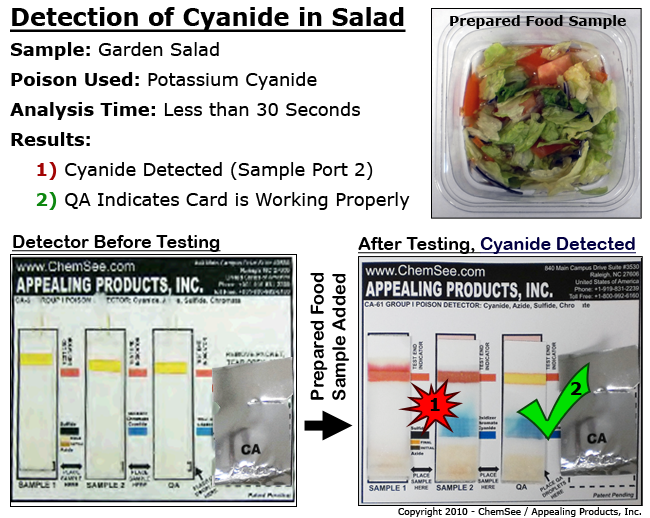
Image Source: www.chemsee.com
How To Test For Poison In Food At Home Safely
Concerns about food safety are valid. Whether it’s accidental contamination, spoilage, or even deliberate adulteration, knowing how to identify potential dangers in your food is crucial. While sophisticated laboratory analysis is the gold standard for detecting toxins in food, some basic methods can help you spot common issues at home. This guide will walk you through identifying harmful substances in food and performing homemade food contaminant detection safely and effectively.
Visual Food Poisoning Indicators
Often, the first signs of trouble are visible. Your eyes are powerful tools for initial screening.
Look for Changes in Appearance
- Mold: This is a clear sign of spoilage. Different molds have different colors – white, green, black, pink, or blue. Don’t just cut off the moldy part; mold can grow invisible threads (mycelium) deep into the food. Some molds produce mycotoxins, which are harmful.
- Discoloration: Unnatural color changes can indicate spoilage or chemical reactions. For example, meat turning gray or green, or fruits and vegetables becoming unusually brown or black, are red flags.
- Sliminess: Foods that should be firm becoming slimy or sticky on the surface are often contaminated with bacteria. This is common with meats, poultry, and certain vegetables.
- Bubbles or Foam: The presence of bubbles or foam in liquids or semi-liquids that shouldn’t have them can signify bacterial fermentation or spoilage.
- Cloudiness: Clear liquids like broths, oils, or juices becoming cloudy without an apparent reason can be a sign of bacterial growth.
Examine Packaging
- Bloated or Damaged Packaging: Cans that are bulging, have leaking seams, or are deeply dented can indicate botulism, a dangerous bacterial toxin. Similarly, vacuum-sealed packages that appear inflated are a concern.
- Torn or Damaged Seals: If seals on jars, containers, or pre-packaged foods are broken, it compromises the food’s safety.
Olfactory Clues: The Power of Smell
Your sense of smell is another excellent indicator of food spoilage.
Recognizing Off-Odors
- Sour or Rancid Smells: Dairy products, oils, and fats can turn rancid, producing a sharp, sour, or unpleasant smell.
- Ammonia-like Odors: Fish that is going bad often develops a strong ammonia-like smell.
- Rotten Egg Smell: While sulfur is naturally present in some foods, a strong, pervasive rotten egg smell usually means spoilage.
- Earthy or Musty Smells: These can sometimes indicate mold growth or the presence of certain contaminants.
Important Note: While a bad smell is a strong indicator, some dangerous bacteria and toxins are odorless. Therefore, relying solely on smell is not foolproof.
Simple Home Testing Methods for Common Contaminants
While a full toxicological analysis is beyond home capabilities, a DIY food poisoning test can be attempted for certain common issues. These are not definitive but can provide clues.
Testing for Acidity/Alkalinity (pH Testing)
Some contaminants or spoilage processes can alter the pH of food. While not directly testing for poison, pH changes can indicate bacterial activity or chemical reactions.
Materials:
* pH test strips (available at pharmacies or garden supply stores)
* Distilled water
* Sample of the food
Procedure:
1. If the food is solid, mash a small amount with a little distilled water to create a slurry. For liquids, use them directly.
2. Dip a pH test strip into the food sample or slurry.
3. Compare the color of the strip to the color chart provided with the strips.
Interpretation:
* Most foods have a natural pH range. Significant deviations from the expected pH could indicate spoilage or contamination. For instance, an unusually low pH in something that should be neutral might suggest bacterial fermentation.
* This method is more useful for testing ingredients for safety if you suspect an issue with acidity or alkalinity. For example, checking if a preserved item has become too acidic.
Basic Chlorine Test (for Fruits and Vegetables)
Chlorine is sometimes used to wash produce. While generally safe in small amounts, excessive residue or using it as a bleach alternative to clean food can be harmful.
Materials:
* A few drops of liquid dish soap
* A small bowl
* Water
* A few drops of iodine solution (available at pharmacies)
Procedure:
1. Fill the small bowl with water.
2. Add a few drops of liquid dish soap.
3. Add a few drops of iodine solution. The water will turn a brown or yellowish color.
4. Add a small piece of the fruit or vegetable to the water.
Interpretation:
* If the water immediately turns colorless or significantly lighter, it suggests the presence of a reducing agent, which could be a residue from cleaning agents or certain types of spoilage.
* This is a very rudimentary test and not a definitive indicator of poison. It’s more of a “dirty water” indicator.
Detecting Heavy Metals (Limited Home Capability)
Detecting heavy metals like lead, mercury, or arsenic at home is extremely challenging and generally not feasible with simple DIY methods. These metals are often odorless and colorless and require specialized equipment.
What you can do:
* Source Your Food Wisely: Be aware of the source of your food, especially seafood, which can accumulate mercury.
* Use Lead-Free Cookware: Ensure your pots, pans, and utensils are made from safe materials, especially if you cook acidic foods. Older ceramic glazes or certain metal utensils might leach lead.
Checking for Pesticide Residues (Basic Wash)
While not a test for poison in the food, properly washing produce can reduce external pesticide residues.
Procedure:
* Wash all fruits and vegetables thoroughly under cool running water.
* You can use a soft vegetable brush for firmer produce like potatoes or carrots.
* For leafy greens, separate the leaves and rinse them individually.
* Some sources suggest using a mild saltwater solution (1 teaspoon salt in 1 cup water) or a vinegar solution (1 part vinegar to 3 parts water) for washing, followed by a thorough rinse with plain water.
Rapid Food Spoilage Test (Observation and Smell)
This isn’t a specific chemical test but rather a comprehensive observation of the food’s condition.
Factors to observe:
* Texture: Is it unusually soft, mushy, or firm?
* Color: Any discoloration or unnatural hues?
* Smell: Any off-odors, sourness, rancidity, or ammonia?
* Presence of Molds: Any visible fuzzy or colored patches?
* Bubbling or Fermentation: Are there signs of gas production?
If multiple of these indicators are present, it’s a strong sign the food has undergone rapid food spoilage and is unsafe to eat.
Testing Ingredients for Safety
When testing ingredients for safety, focus on their original state and how they are stored.
Dairy Products
- Milk: Look for a sour smell or curdling. A slimy texture is also a warning sign.
- Cheese: Small amounts of surface mold on hard cheeses can sometimes be cut away (at least an inch around and below the mold). However, soft cheeses with mold should be discarded. Off-odors or slime are bad signs.
Meats, Poultry, and Fish
- Color: Fresh meat is typically bright red, poultry is pinkish, and fish is translucent. Dullness, graying, or greenish tints are signs of spoilage.
- Smell: A strong, unpleasant odor is the most common indicator.
- Texture: Sliminess or stickiness on the surface means bacteria have multiplied.
Fruits and Vegetables
- Soft Spots or Bruising: While minor, extensive soft or mushy areas can indicate decay.
- Mold: As mentioned, mold is a clear sign to discard.
- Unusual Odors: Some fruits and vegetables can develop fermented or rotting smells when spoiled.
Canned Goods
- Bulging Cans: This is a critical sign of potential botulism.
- Leaks: Any sign of liquid escaping the can means the seal is broken and the food is likely contaminated.
- Cloudy Liquids: If the liquid inside the can looks cloudy or has foam, it’s a concern.
Identifying Common Food Poisons at Home (What to Watch For)
While you can’t test for every poison, you can recognize the signs associated with common foodborne illnesses and contamination.
- Bacterial Contamination (e.g., Salmonella, E. coli, Listeria):
- Symptoms: Nausea, vomiting, diarrhea, abdominal cramps, fever. These symptoms appear hours to days after consumption.
- Home Indicators: Often, there are no visible or olfactory clues until it’s too late, making hygiene crucial. Look for spoilage signs described above.
- Toxins (e.g., Staphylococcus aureus, Bacillus cereus, Clostridium botulinum):
- Symptoms: Vomiting and diarrhea (Staph, B. cereus), paralysis (Botulism). Toxin symptoms often appear very quickly.
- Home Indicators: Botulism is the most dangerous and is associated with bulging cans and a lack of smell. Staph and B. cereus toxins are produced by bacteria that grow in food left at room temperature. Again, spoilage signs are key.
- Natural Toxins (e.g., in certain mushrooms, improperly prepared fugu fish):
- Symptoms: Highly variable, can include neurological issues, gastrointestinal distress, and organ damage.
- Home Indicators: These are hard to detect without expert knowledge of the specific food. Never consume wild mushrooms unless you are an expert identifier. Only consume fugu from certified, experienced chefs.
- Chemical Contamination (e.g., cleaning products, pesticides):
- Symptoms: Can range from burning in the mouth and throat to severe internal damage, depending on the chemical.
- Home Indicators: Accidental mixing of cleaning supplies with food is a primary cause. Proper storage and labeling of chemicals are vital.
DIY Food Poisoning Test Scenarios and What They Mean
Let’s break down some practical home scenarios.
Scenario 1: Leftover Chicken Salad
- Observations: The chicken salad looks slightly gray, feels a bit slimy, and has a faintly sour smell.
- Interpretation: These are classic visual food poisoning indicators and olfactory cues of bacterial spoilage.
- Action: Discard immediately.
Scenario 2: Canned Peaches
- Observations: The can is bulging at both ends, and there’s a small amount of liquid seeping from the seam.
- Interpretation: This is a serious warning sign for botulism.
- Action: Do not open the can. Place it in a plastic bag to prevent leakage and dispose of it carefully, preferably by burying it or taking it to a hazardous waste facility if available, to avoid accidental exposure.
Scenario 3: Fresh Berries
- Observations: A few berries have white fuzzy mold.
- Interpretation: Mold can spread invisibly into the fruit.
- Action: Discard the entire container. Even if you remove the moldy ones, unseen spores and toxins can remain.
Scenario 4: Packaged Salad Greens
- Observations: The greens appear slightly wilted and have a faint ammonia smell.
- Interpretation: This indicates spoilage, likely from bacterial growth.
- Action: Discard.
Safety First: Precautions for Home Testing
When attempting any at-home food safety checks, prioritize your own safety.
- Wear Gloves: If you suspect a food is contaminated, wear disposable gloves to avoid spreading potential pathogens to yourself or other surfaces.
- Ventilate the Area: If you are doing any rudimentary chemical tests, ensure the area is well-ventilated.
- Use Small Samples: Only use a small portion of the food for testing.
- Dispose Properly: If you discard food, seal it in a bag to prevent pets or pests from accessing it.
- When in Doubt, Throw It Out: This is the golden rule of food safety. If you are uncertain about the safety of a food item, it is always better to err on the side of caution and discard it.
- Avoid Mixing Unknowns: Never mix unknown substances or try to create complex chemical reactions at home, as this can be dangerous.
When Professional Help is Needed
For suspected poisoning incidents or if you have serious concerns about your food supply, home tests are insufficient.
- Medical Attention: If you or someone else has consumed food and is experiencing symptoms of food poisoning or poisoning, seek immediate medical attention. Bring a sample of the suspected food with you if possible and safe to do so.
- Public Health Authorities: In cases of widespread suspected contamination or deliberate adulteration, contact your local health department or food safety agency. They have the resources for proper testing and investigation.
- Laboratory Testing: If you have specific concerns about a particular ingredient or a recurring issue, professional food testing laboratories can provide accurate analysis for a range of contaminants.
The Importance of Proper Food Handling and Storage
The best way to prevent foodborne illness and contamination is through diligent food handling practices.
- Cleanliness: Wash hands, surfaces, and utensils thoroughly before, during, and after preparing food.
- Separation: Keep raw meat, poultry, seafood, and eggs separate from other foods to prevent cross-contamination.
- Cooking: Cook foods to the correct internal temperatures to kill harmful bacteria.
- Chilling: Refrigerate perishable foods promptly. Keep your refrigerator at or below 40°F (4°C) and your freezer at 0°F (-18°C).
- Storage: Store food in airtight containers or wrapped properly to prevent contamination and spoilage.
Frequently Asked Questions (FAQ)
Q1: Can I really detect poison in food at home with simple kits?
A1: While you can perform basic checks for spoilage and some common issues, truly detecting specific poisons (like heavy metals or complex toxins) at home with simple kits is generally not possible. Professional laboratory testing is required for accurate identification of most poisons.
Q2: What are the most common signs of food poisoning at home?
A2: Common signs of spoilage that can lead to food poisoning include unusual smells (sour, rancid, ammonia), changes in texture (sliminess, mushiness), visible mold, discoloration, and swelling or damage to packaging.
Q3: If I see mold on my bread, can I just cut it off?
A3: For hard cheeses, sometimes a small amount of mold can be cut away. However, for soft foods like bread, berries, or soft cheeses, mold can have invisible roots that penetrate deep into the food. It’s safest to discard the entire item.
Q4: How can I test if my fruits and vegetables are contaminated with pesticides?
A4: You can’t definitively test for pesticide residues at home. However, thorough washing under running water, and sometimes using a mild saltwater or vinegar solution followed by rinsing, can help reduce surface residues.
Q5: My canned food is bulging. Is it safe to open?
A5: No, absolutely not. A bulging can is a strong indicator of botulism, a dangerous bacterial toxin. Do not open the can. Place it in a plastic bag to contain any leaks and dispose of it safely.
Q6: Are there any DIY tests for heavy metals in food?
A6: Simple, reliable DIY tests for heavy metals like lead or mercury in food are not readily available for home use. These require specialized laboratory equipment for accurate detection. Your best approach is to be mindful of food sources and use safe cooking materials.
Q7: What should I do if I suspect someone has been poisoned by food?
A7: If you suspect food poisoning, seek immediate medical attention for the affected person. If possible and safe, keep a sample of the suspected food for analysis. Contacting emergency services or a poison control center is crucial.
By employing these visual, olfactory, and simple testing methods, alongside vigilant food handling, you can significantly enhance your ability to identify potential dangers and keep your food safe. Remember, when in doubt, always err on the side of caution.