
Absolutely! You can paint kitchen cabinets without sanding, and it’s a fantastic way to give your kitchen a fresh new look without all the dust and labor. This guide will walk you through everything you need to know for a successful kitchen cabinet refinishing project. We’ll explore the best no-sand cabinet paint options, dive into cabinet priming, discuss essential cabinet painting prep, and share effective cabinet painting techniques to achieve a professional finish. This is a game-changer for anyone looking to tackle DIY cabinet painting and achieve beautiful results.
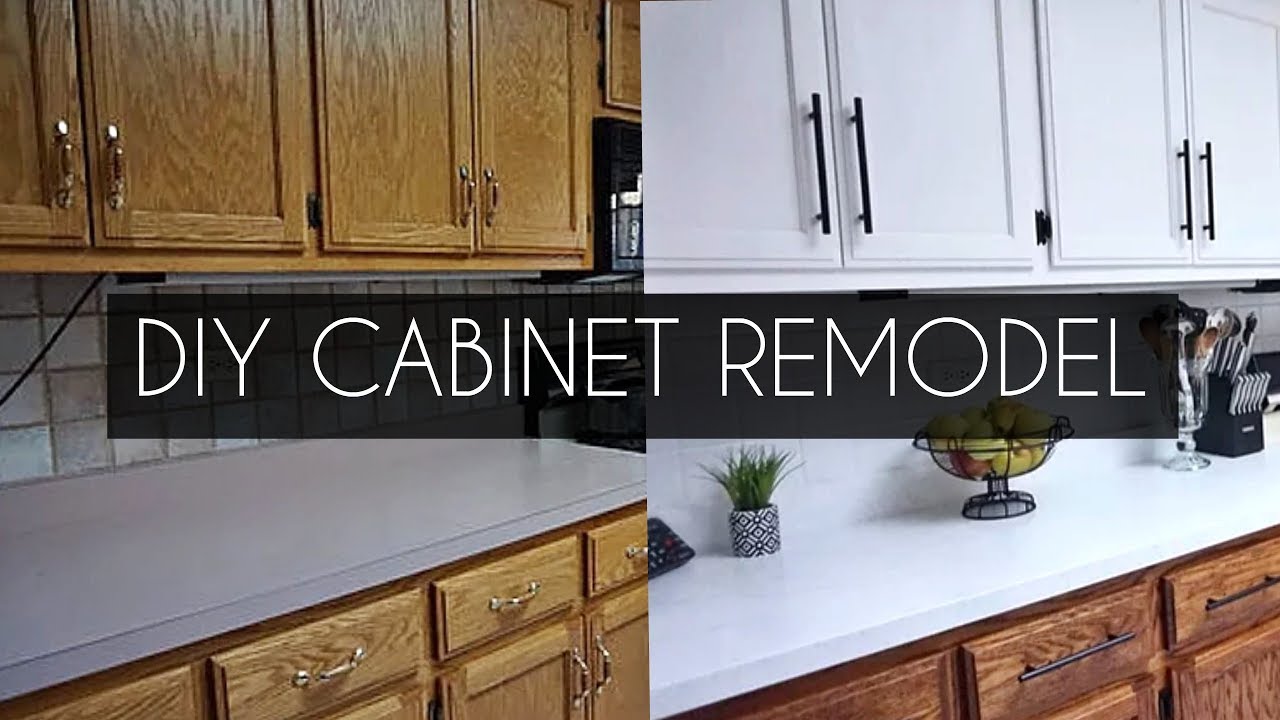
Image Source: i.ytimg.com
The Magic of No-Sand Cabinet Painting
The traditional method of painting cabinets involved a rigorous sanding process. This was necessary to create a surface that paint could adhere to properly. However, advancements in paint technology have introduced specialized paints and primers that eliminate the need for heavy sanding. This means you can achieve a durable and beautiful finish with significantly less effort. This approach is a key part of updating kitchen cabinets without the hassle.
Why Avoid Sanding?
Sanding can be time-consuming, messy, and physically demanding. For many DIYers, it’s the biggest hurdle to undertaking a cabinet painting project. By opting for no-sand methods, you can:
- Save Time: Skip hours of sanding.
- Reduce Mess: Avoid airborne dust and debris.
- Preserve Cabinet Finish: Especially important for older or delicate cabinets.
- Make it Accessible: Opens up cabinet painting to a wider range of people.
Choosing the Right Paint for a No-Sand Finish
The type of paint you select is crucial when you’re aiming for a no-sand approach. Some paints are formulated to stick to glossy surfaces with minimal prep.
Best No-Sand Cabinet Paint Options
Several types of paint are well-suited for painting cabinets without sanding. These are often referred to as “all-in-one” or “bonding” paints.
1. Alkyd Enamels (Oil-Based)
- Pros: Extremely durable, excellent adhesion, smooth finish, resistant to chipping and wear.
- Cons: Strong odor, requires mineral spirits for cleanup, can yellow over time, longer drying times.
- Adhesion: These paints are known for their superior adhesion to various surfaces, including laminate and previously finished wood.
2. Acrylic Latex Enamels with Bonding Primer
- Pros: Lower odor, easy water cleanup, fast drying times, flexible finish, available in many colors and sheens.
- Cons: May require a separate high-quality bonding primer for maximum adhesion on very slick surfaces.
- DIY Friendly: Generally the easiest to work with for beginners.
3. Chalk Paint Kitchen Cabinets
- Pros: Excellent adhesion to most surfaces with minimal prep (often just cleaning), matte finish that hides imperfections, easy to distress for a vintage look, typically water-based.
- Cons: Requires a topcoat (wax or polycrylic) for durability and water resistance, can be prone to chipping if not properly sealed.
- Application: This is a popular choice for chalk paint kitchen cabinets due to its forgiving nature.
4. Milk Paint Cabinets
- Pros: Creates a beautiful, matte, often aged look, adheres well to many surfaces, eco-friendly.
- Cons: Can chip unpredictably (which can be a pro for a distressed look), requires a bonding agent if you don’t want the chippy effect, needs a topcoat for durability.
- Aesthetic: Ideal for achieving a farmhouse or antique feel with milk paint cabinets.
What is Deglossing Cabinets?
Deglossing cabinets is a crucial step when painting without sanding. It’s a chemical process that slightly etches the surface of the existing finish, creating microscopic pores that paint can grip onto. This is an alternative to mechanical sanding and is often used in conjunction with no-sand paints or primers.
- How it Works: A liquid de-glosser is wiped onto the cabinet surface. It contains mild solvents that break down the sheen of the existing finish without removing it.
- Benefits: It’s much faster than sanding and creates a surface ready for primer or paint.
- Application: Always wear gloves and ensure good ventilation. Apply with a clean cloth, wipe in one direction, and allow the surface to dry completely.
The Essential Cabinet Painting Prep
Even without sanding, proper preparation is the cornerstone of a professional-looking paint job. Skipping these steps can lead to peeling, chipping, or an uneven finish.
Step 1: Deep Cleaning and Degreasing
This is arguably the most critical step when you’re not sanding. Kitchen cabinets are notorious for accumulating grease, grime, and food splatters.
-
Tools:
- Gloves
- Safety glasses
- Microfiber cloths
- Warm water
- Mild dish soap or a specialized degreaser (like TSP substitute or a dedicated cabinet cleaner)
- Ammonia-free cleaner (optional, for final wipe-down)
-
Process:
- Remove Hardware: Take off all knobs, handles, and hinges. Store them safely.
- Initial Wipe-Down: Mix warm water with a degreasing solution. Dampen a microfiber cloth and wipe down every surface of your cabinets, paying extra attention to areas around the stovetop and sink.
- Rinse: Use a clean cloth dampened with plain water to wipe away any soap residue. This is important as leftover soap can interfere with paint adhesion.
- Dry Thoroughly: Use a dry microfiber cloth to ensure all surfaces are completely dry. Any moisture can cause problems later.
Step 2: Deglossing (If Not Using a Paint with Built-in Adhesion)
As mentioned earlier, deglossing cabinets is an excellent alternative to sanding for creating a receptive surface.
- When to Degloss: If your paint or primer doesn’t explicitly state it adheres to glossy surfaces, or if you want an extra layer of confidence, deglossing is highly recommended.
- Application Tips:
- Wear rubber gloves and ensure good ventilation.
- Apply a small amount of de-glosser to a clean cloth.
- Wipe down the cabinets using long, even strokes. Don’t scrub aggressively.
- Allow the de-glosser to work for the time recommended by the manufacturer.
- Wipe off any excess de-glosser with a clean cloth.
- Let the cabinets dry completely.
Step 3: Repairing Imperfections
Even without sanding, you’ll want to address any dings, dents, or scratches.
- Wood Filler: For deeper gouges or dents, use a good quality wood filler.
- Apply the filler with a putty knife, pressing it into the imperfection.
- Overfill slightly, as wood filler can shrink as it dries.
- Once dry (check product instructions), you may need a light scuff sand (using a fine-grit sanding sponge, around 220 grit) just over the filled area to make it flush with the surrounding surface. This is minimal sanding, focused only on repairs.
- Caulk: For small gaps or cracks, use paintable caulk.
- Apply a thin bead of caulk.
- Smooth it with a damp finger or a caulk smoothing tool.
- Wipe away excess caulk immediately.
Step 4: Cabinet Priming
A good primer is your secret weapon when painting cabinets without sanding. Primers are designed to:
- Enhance Adhesion: They create a strong bond between the cabinet surface and the topcoat.
- Block Stains: Especially important for wood cabinets that might bleed tannins.
- Provide a Uniform Base: Ensures your topcoat color is true and consistent.
What Primer to Use for Cabinet Painting Prep?
Look for primers specifically labeled as “bonding primers” or “high-adhesion primers.” These are formulated to stick to slick, non-porous surfaces.
- Oil-Based Primers: Offer excellent adhesion and stain blocking. They are generally more durable but have stronger fumes and require mineral spirits for cleanup.
- Water-Based (Latex) Bonding Primers: Many modern water-based primers offer excellent adhesion and are easier to work with. Look for high-quality acrylic or hybrid formulas.
- Shellac-Based Primers: Fantastic stain blockers and provide superior adhesion. They dry very quickly. However, they have strong fumes and require denatured alcohol for cleanup.
Applying Cabinet Primer:
- Apply Thin, Even Coats: Use a high-quality synthetic brush for edges and corners, and a foam roller or a fine-nap roller for flat surfaces.
- Coverage: Ensure you achieve full, even coverage.
- Drying Time: Allow the primer to dry completely according to the manufacturer’s instructions. Rushing this step can compromise adhesion.
- Light Sanding (Optional but Recommended): After the primer has dried, a very light scuff sand with a fine-grit (220-320 grit) sanding sponge can further improve adhesion and create an ultra-smooth surface for the paint. This is minimal sanding, primarily to knock down any minor imperfections in the primer itself.
Mastering Cabinet Painting Techniques
Now that your cabinets are prepped and primed, it’s time to apply the paint. Achieving a smooth, durable finish requires the right techniques.
Step 1: Applying the Paint
When painting cabinets, especially when aiming for a smooth finish, the application method matters.
Using Brushes and Rollers
- Brushes: Use high-quality synthetic bristle brushes for cutting in edges and details. A good angled brush helps achieve clean lines.
- Rollers: Foam rollers or fine-nap microfiber rollers are ideal for flat surfaces. They provide a smoother finish than standard rollers. Avoid rollers with a heavy nap, as they can leave an orange peel texture.
- Application Order:
- Edges and Details: Start with your brush to paint any detailed areas or edges.
- Flat Surfaces: Use your roller for the larger, flat panels and doors. Apply paint in a “W” or “N” pattern, then go back over the area with light, even strokes to blend the paint and avoid roller marks.
Spraying Cabinets (Advanced Option)
- Pros: Achieves the smoothest, most professional finish. Very efficient for large batches of doors.
- Cons: Requires specialized equipment (paint sprayer), practice, and significant masking to protect surrounding areas.
- Paint Type: Requires thinned paint (specific to sprayer recommendations) and often a particular type of enamel.
- Consideration: If you are new to painting, spraying might be a steeper learning curve.
Step 2: Applying Multiple Coats
Achieving a durable and opaque finish typically requires multiple coats of paint.
- Number of Coats: Most projects will need 2-3 coats of your chosen topcoat.
- Drying Between Coats: Allow each coat to dry thoroughly according to the paint manufacturer’s recommendations. This is crucial for adhesion and to prevent peeling.
- Light Scuff Sanding Between Coats (Optional): For an even smoother finish, you can lightly scuff sand with a very fine grit (320-400 grit) sanding sponge between coats. Wipe away all dust with a tack cloth before applying the next coat. This step is not strictly necessary for a no-sand paint but can elevate the finish.
Step 3: Applying a Topcoat (If Needed)
Some paints, like chalk paint or milk paint, require a topcoat for protection.
- Polycrylic: A water-based, durable, and clear sealant. It dries quickly and has low odor. Available in matte, satin, semi-gloss, and gloss finishes.
- Polyurethane (Water-Based): Similar to polycrylic but generally even more durable. Can sometimes have a slight amber tint.
- Wax: Used primarily with chalk paint for a soft, matte finish. It offers some protection but is less durable than polycrylic or polyurethane and requires reapplication.
Applying Topcoats:
- Thin Coats: Apply thin, even coats using a high-quality synthetic brush or foam applicator.
- Drying: Allow each coat to dry completely before applying the next.
- Buffing: For a super-smooth finish with wax, you can buff the final coat with a soft cloth.
Popular No-Sand Paint and Finish Options
Let’s delve deeper into specific popular choices for DIY cabinet painting.
Chalk Paint Kitchen Cabinets Revisited
Chalk paint kitchen cabinets are a favorite for many DIYers due to their ease of use and forgiving nature.
- Process Recap: Clean, degloss (optional but good practice), prime (optional but recommended for durability), apply 2-3 coats of chalk paint, and seal with wax or polycrylic.
- Pros for No-Sanding: Adheres exceptionally well with minimal prep.
- Considerations: Sealing is essential for longevity.
Milk Paint Cabinets: The Authentic Look
For an authentic, often chippy, antique look, consider milk paint cabinets.
- Process Recap: Clean, degloss, apply milk paint (with or without bonding agent), and seal.
- Pros for No-Sanding: Can adhere well without sanding, and the “chipping” is often part of the desired aesthetic.
- Considerations: If you want a smooth, non-chippy finish, using a bonding agent or primer is crucial.
All-In-One Cabinet Paints
Many brands now offer paints specifically formulated for cabinets that claim excellent adhesion with minimal prep.
- Features: Often acrylic or hybrid formulas designed to bond directly to pre-finished surfaces.
- Pros: Streamlines the process, often good durability.
- Considerations: Always read the manufacturer’s instructions carefully. Some may still recommend a deglossing agent or light scuff sand for the best results.
Troubleshooting Common Issues
Even with the best techniques, you might encounter minor hiccups.
What if the Paint Isn’t Sticking?
This usually means the surface wasn’t clean enough, deglossed properly, or the primer wasn’t suitable.
- Solution: If you notice peeling or poor adhesion, you may need to remove the affected paint, re-clean the area, and re-prime and repaint. For future projects, be extra diligent with cleaning and deglossing.
How to Avoid Brush Marks?
- Use High-Quality Brushes: Invest in good synthetic brushes.
- Paint in the Direction of the Grain: For wood cabinets.
- Don’t Overload the Brush: Load your brush with just enough paint.
- Use Thin Coats: Build up color with multiple thin coats rather than one thick one.
- Consider a Foam Roller: For larger flat areas.
What if I Get Drips?
Drips happen!
- Solution: Catch drips while they are still wet by gently tipping your brush or roller and moving it along the edge. If a drip has already formed and started to dry, carefully use a damp cloth to gently smooth it out. If it’s too dry, you may need to lightly sand it down once fully cured and reapply a thin coat.
Updating Kitchen Cabinets: Beyond Paint
While painting is a major transformation, consider these other elements when updating kitchen cabinets:
- New Hardware: Swapping out knobs and pulls can dramatically change the look.
- Cabinet Doors: If your cabinet boxes are sound but the doors are dated, consider replacing just the doors.
- Organization: Install drawer organizers, pull-out shelves, or lazy Susans to improve functionality.
Frequently Asked Questions (FAQ)
Q1: How long does it take to paint kitchen cabinets without sanding?
The time varies greatly depending on the size of your kitchen, whether you remove doors and drawers, and how many coats of paint you apply. However, skipping sanding typically shaves off several hours, making a DIY cabinet painting project more manageable within a weekend or two.
Q2: Is it really possible to paint cabinets without any sanding at all?
Yes, with the right products! Using a high-quality bonding primer and a durable topcoat, or specific no-sand cabinet paints, allows you to bypass traditional sanding. However, a light scuff sand after priming is often recommended by professionals for the smoothest and most durable finish. Thorough cleaning and deglossing are essential.
Q3: What is the best no-sand cabinet paint for durability?
Alkyd enamels (oil-based paints) generally offer the most durable finish, but they come with stronger fumes and require mineral spirits for cleanup. High-quality acrylic enamel paints with a bonding primer and a durable topcoat like polycrylic are excellent durable alternatives with easier cleanup.
Q4: Can I use chalk paint without a topcoat on kitchen cabinets?
While you can apply chalk paint without a topcoat, it is highly not recommended for kitchen cabinets. Kitchens are high-traffic areas with moisture and grease. The chalk paint alone will not be durable enough to withstand daily use and will likely chip and get dirty quickly. A good quality polycrylic or wax topcoat is essential for longevity.
Q5: Do I need to remove my cabinet doors to paint them?
It is highly recommended to remove your cabinet doors and drawers to paint them. This allows you to achieve a much smoother, more professional finish with no drips or missed spots on the edges and sides. Painting them off the cabinets also makes it easier to handle them and get them ready for hardware reinstallation.
Q6: What is the best way to clean kitchen cabinets before painting?
The best way to clean kitchen cabinets before painting is to thoroughly degrease them. Use a solution of warm water and a strong degreaser like a TSP substitute, or a dedicated kitchen degreaser. Wipe down every surface with a microfiber cloth, rinse with clean water, and dry completely.
By following these steps and choosing the right products, you can successfully paint your kitchen cabinets without the arduous task of sanding, bringing a fresh new look to your kitchen with a rewarding DIY project.