
Do mice eat garden plants? Yes, mice can definitely eat garden plants, especially if they are looking for food and find your vegetable patch or flower beds an easy meal. They are attracted to seeds, seedlings, fruits, vegetables, and even flower bulbs.
Worried about tiny nibblers turning your prized garden into a buffet? You’re not alone. Mice in the garden can be a real nuisance, feasting on seeds, seedlings, and even mature plants. But before you reach for harsh chemicals, know that there are plenty of natural and safe ways to protect your green haven. This guide will walk you through effective strategies for garden pest control that are kind to your plants, your family, and the environment. We’ll explore natural mouse deterrents, homemade mouse repellents, and humane mouse exclusion methods to prevent mice in vegetable patch areas and keep them out of your flower beds.
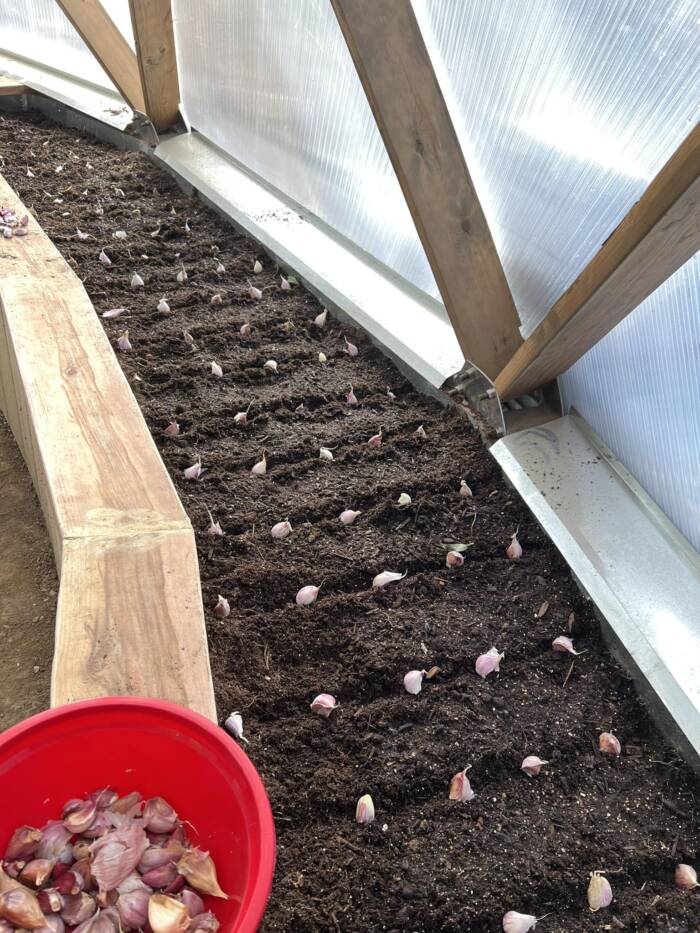
Image Source: growingspaces.com
Why Do Mice Visit Your Garden?
Mice are opportunistic creatures, always on the lookout for food, water, and shelter. Your garden offers all three. Understanding their motivations is the first step in keeping them away.
Food Sources
- Seeds: Unsprouted seeds in your soil are a primary target.
- Seedlings: Young, tender sprouts are irresistible.
- Fruits and Vegetables: Ripe berries, tomatoes, beans, peas, and fallen fruit are a feast.
- Bulbs: Some mice will dig up and eat flower bulbs.
- Insects: While less common, some mice might consume garden insects.
Shelter and Nesting Sites
- Dense Vegetation: Overgrown areas provide cover and protection.
- Compost Piles: Warm, decomposing material is an ideal nesting site.
- Clutter: Piles of wood, rocks, or debris offer hidden spaces.
- Structures: Garages, sheds, and even dense mulch can be attractive.
Natural Mouse Deterrents: Creating an Unwelcoming Environment
The goal of natural mouse deterrents is to make your garden less appealing and harder to access for these small rodents. This involves a combination of habitat modification and scent-based repellents.
Habitat Modification: Removing the Welcome Mat
Making your garden less hospitable is a powerful, long-term strategy.
Garden Tidiness is Key
- Clear Debris: Regularly remove fallen leaves, branches, and other garden waste. These provide excellent hiding spots.
- Manage Mulch: Keep mulch layers thin, especially around the base of plants. Thick mulch can offer cover for mice.
- Control Weeds: Dense weed growth can also provide shelter. Keep your garden beds weed-free.
Secure Your Food Sources
- Harvest Regularly: Don’t leave ripe fruits or vegetables on the plants or ground for long. Promptly harvest anything ready to eat.
- Clean Up Fallen Produce: Gather any fallen fruit or vegetables immediately. This eliminates a readily available food source.
- Bird Feeder Management: If you have bird feeders, mice are often attracted to spilled seed. Use a tray beneath feeders, sweep up spills regularly, and consider a squirrel-proof feeder design.
Eliminate Water Sources
- Fix Leaky Faucets: Ensure there are no constant water leaks in your garden area.
- Empty Standing Water: Remove any containers that collect rainwater, like old pots or buckets.
Scent-Based Repellents: Smells Mice Dislike
Mice have a keen sense of smell, and certain potent scents can make them want to steer clear. These are some of the most effective natural mouse deterrents.
Essential Oils
Many essential oils for mice are known to be unpleasant to their sensitive noses. When used correctly, they can be a safe and effective garden pest control method.
- Peppermint Oil: This is a popular choice. The strong scent can disorient mice.
- How to Use: Soak cotton balls in pure peppermint oil and place them around your garden beds, especially near vulnerable plants. Reapply every few days as the scent fades. You can also mix 10-15 drops of peppermint oil with water in a spray bottle and mist the affected areas.
- Eucalyptus Oil: Similar to peppermint, the strong aroma of eucalyptus can deter mice.
- How to Use: Use eucalyptus oil-soaked cotton balls or a diluted spray, just like peppermint oil.
- Tea Tree Oil: Another potent scent that mice tend to avoid.
- How to Use: Apply in the same manner as peppermint and eucalyptus oil.
Important Note on Essential Oils: While generally safe, always use essential oils diluted. Avoid spraying directly onto plants, as some oils can harm them, especially in direct sunlight. Test a small area first.
Other Natural Scents
- Cayenne Pepper/Chili Powder: The capsaicin in peppers is irritating to mice.
- How to Use: Sprinkle cayenne pepper or chili powder around the base of plants and the perimeter of your garden. Reapply after rain. Be cautious, as it can also irritate pets or children if ingested.
- Garlic: The strong smell of garlic is a known mouse repellent.
- How to Use: Plant garlic cloves around your garden beds or place crushed garlic in sachets near entry points. You can also make a garlic spray by blending garlic cloves with water and straining the liquid to spray around your garden.
- Onion: Similar to garlic, the pungent smell of onions can deter mice.
- How to Use: Scatter onion skins or small pieces of onion around affected areas.
Plant Choices: Natural Deterrents in Your Garden Design
Did you know some plants can actively help keep mice away? Incorporating these into your planting scheme is a fantastic humane mouse exclusion strategy.
- Mint: All varieties of mint have a strong scent that mice dislike. Planting mint around the perimeter of your garden or near vulnerable plants can help. Be aware that mint can be invasive, so consider planting it in containers.
- Lavender: The pleasant aroma for humans is often unpleasant for rodents.
- Marigolds: Known for their pest-repelling qualities, marigolds can deter mice and other garden pests.
- Rosemary: The strong, woody scent of rosemary is also off-putting to mice.
- Garlic and Onions: As mentioned, these can also be planted directly in your garden beds.
Homemade Mouse Repellents: DIY Solutions for Your Garden
Creating your own homemade mouse repellents allows you to control the ingredients and tailor them to your specific needs. These are often cost-effective and environmentally friendly.
The Cotton Ball Soak
This is a simple and effective method for using essential oils for mice.
Materials:
* Cotton balls
* Peppermint oil (or eucalyptus, tea tree oil)
* Small bowl or tray
Instructions:
1. Fill a small bowl with cotton balls.
2. Douse the cotton balls generously with your chosen essential oil.
3. Place these scented cotton balls around the edges of your garden beds, near seedlings, or anywhere you’ve seen mouse activity.
4. Reapply oil every 3-5 days to maintain the scent.
Spicy Sprays
These sprays offer a pungent aroma that can deter mice.
Garlic and Chili Spray:
Materials:
* 1 bulb of garlic, minced
* 1-2 tablespoons of cayenne pepper
* 1 quart (approx. 1 liter) of water
* A few drops of liquid dish soap (optional, helps the spray stick)
* Spray bottle
Instructions:
1. Combine the minced garlic, cayenne pepper, and water in a bowl.
2. Let the mixture steep for at least 24 hours to allow the scents to infuse.
3. Strain the mixture through a cheesecloth or fine sieve to remove solids.
4. Add a few drops of dish soap if desired.
5. Pour into a spray bottle.
6. Spray around the base of plants, along garden edges, and on any structures mice might use for shelter.
7. Reapply weekly and after rain.
Pepper Spray:
Materials:
* 1 cup of water
* 1 tablespoon of chili powder or cayenne pepper
* Spray bottle
Instructions:
1. Mix chili powder or cayenne pepper with water in a spray bottle.
2. Shake well.
3. Spray around your garden.
4. Reapply frequently, especially after rain.
Caution: These spicy sprays can irritate skin and eyes. Wear gloves and eye protection when making and applying them. Keep away from children and pets.
Diatomaceous Earth (Food Grade)
Food-grade diatomaceous earth (DE) is a natural powder made from fossilized aquatic organisms. It’s sharp at a microscopic level, which can dehydrate and kill insects and potentially deter mice.
How to Use:
* Sprinkle a thin layer of food-grade DE around the perimeter of your garden and the base of vulnerable plants.
* It is most effective when dry. Reapply after rain or heavy dew.
Important: Ensure you use food-grade DE. Industrial-grade DE can be harmful if inhaled. While it’s a natural substance, it’s best to wear a mask when applying it to avoid inhaling the dust.
Humane Mouse Exclusion: Blocking Access Without Harm
Humane mouse exclusion focuses on preventing mice from entering your garden or specific areas without causing them harm. This is a crucial aspect of safe rodent control for gardens.
Physical Barriers
Physical barriers are one of the most effective ways to prevent mice in vegetable patch and flower beds.
Garden Bed Barriers
- Hardware Cloth or Wire Mesh: For raised beds or vulnerable plants, you can create a barrier using fine-mesh hardware cloth (1/4 inch or 1/2 inch openings).
- Method: Bury the mesh at least 6 inches deep around the garden bed and extend it upwards about 1-2 feet. This prevents burrowing and climbing. Ensure there are no gaps.
- Plant Collars: For individual seedlings, you can create collars from stiff plastic, cardboard, or hardware cloth.
- Method: Cut a cylinder that extends a few inches below the soil surface and a few inches above the plant. This protects young stems and leaves.
Fencing
- Small-Mesh Fencing: If mice are a widespread problem, consider fencing your entire garden area. Use a sturdy material with small openings.
- Method: Bury the fence at least 6 inches into the ground to stop burrowing. Ensure the fence is at least 2 feet high to prevent them from jumping over.
Sealing Entry Points
If mice are getting into structures in or near your garden (like sheds or greenhouses), seal any openings.
- Inspect Structures: Look for cracks, holes, or gaps in walls, foundations, and around pipes or vents.
- Seal Openings: Use steel wool, caulk, or metal sheeting to block these entry points. Mice cannot chew through steel wool easily.
Ultrasonic Mouse Repellers: A Technological Approach
Ultrasonic mouse repellers are electronic devices that emit high-frequency sound waves that are supposed to be unpleasant for rodents but inaudible to humans and most pets.
- How They Work: These devices plug into an outlet or are battery-powered and are placed in areas where mice are a problem. The ultrasonic waves are intended to disrupt their activity and drive them away.
- Effectiveness: The scientific consensus on their effectiveness is mixed. Some users report success, while others find them ineffective. Mice may also become accustomed to the sounds over time.
- Considerations: If you choose to try them, ensure you select models specifically designed for outdoor or garden use if you plan to place them outside. They are a safe rodent control for gardens in the sense that they don’t use chemicals, but their efficacy can vary.
Protecting Your Vegetable Patch: Specific Strategies
Preventing mice from accessing your vegetable patch is crucial for a successful harvest.
What Mice Love to Eat in Your Vegetable Patch:
- Seeds: This is a prime target, especially after sowing.
- Young Seedlings: Tender greens like lettuce, spinach, and herbs are vulnerable.
- Root Vegetables: Mice may nibble on carrots, radishes, and beets just below the soil surface.
- Vining Plants: Peas, beans, and even young corn stalks can be attacked.
- Tomatoes and Berries: Ripe fruits are a favorite.
Preventing Mice in Vegetable Patch:
- Raised Beds with Barriers: As mentioned, raised beds lined with hardware cloth are excellent.
- Seed Starting Indoors: Start seeds indoors to give them a strong start before transplanting, protecting them from early predation.
- Cover Newly Sown Seeds: A light layer of mulch or netting can deter mice from digging up seeds immediately after planting.
- Netting Over Crops: For ripening fruits like strawberries or tomatoes, consider using fine-mesh netting to protect them.
- Companion Planting: Incorporate mouse-repelling plants like mint, lavender, or rosemary around your vegetable beds.
Deterrents for Mice in Flower Beds
Your beautiful flower beds can also be targeted, especially by mice looking for seeds, bulbs, or tender shoots.
What Mice Eat in Flower Beds:
- Flower Bulbs: Mice can burrow and eat bulbs, damaging or destroying plants before they even emerge.
- Seeds: Similar to vegetables, flower seeds are an easy meal.
- Young Shoots: Emerging perennial shoots in spring can be tempting.
- Petals and Stems: In a pinch, they might nibble on soft plant parts.
Deterrents for Mice in Flower Beds:
- Bulb Protection: When planting bulbs, consider placing them in bulb cages made of wire mesh to prevent burrowing.
- Scent Repellents: Use peppermint oil-soaked cotton balls or sprinkle cayenne pepper around the edges of your flower beds.
- Marigolds and Mint: Plant these natural deterrents amongst your flowers.
- Keep Beds Tidy: Remove fallen petals and leaves, which can provide cover for mice.
Garden Mouseproofing: A Comprehensive Approach
Garden mouseproofing is about creating multiple layers of defense to make your entire garden area as unattractive and inaccessible to mice as possible.
- Perimeter Defense: Apply deterrents and barriers around the outer edges of your garden.
- Zone Protection: Focus on vulnerable areas like vegetable patches and recently planted beds.
- Integrated Strategy: Combine habitat management, scent deterrents, and physical barriers for the best results.
- Consistency: Regularly check and reapply natural repellents and maintain tidiness.
Safe Rodent Control for Gardens: Prioritizing Safety
When implementing safe rodent control for gardens, the focus is on non-toxic methods that don’t harm beneficial insects, pets, or children.
- Avoid Chemical Rodenticides: Traditional mouse poisons are dangerous. They can harm non-target animals (including birds of prey that eat poisoned mice), pets, and even humans. They are not considered safe rodent control for gardens.
- Humane Trapping (If Necessary): If natural deterrents aren’t enough, consider humane live traps. These catch mice without harming them.
- Placement: Place traps in areas of high activity, near their runways.
- Bait: Use peanut butter, oats, or seeds.
- Checking: Check traps frequently, at least twice a day.
- Relocation: If you catch a mouse, relocate it far from your garden and any residential areas. Check local regulations regarding wildlife relocation.
Table: Comparison of Natural Mouse Control Methods
| Method | Pros | Cons | Best For |
|---|---|---|---|
| Habitat Management | Long-term, effective, no chemicals | Requires ongoing effort | Overall garden health and prevention |
| Essential Oils | Natural, pleasant scent (to humans), relatively easy | Needs frequent reapplication, can be costly in large quantities | Perimeter protection, spot treatment |
| Spicy Sprays | Potent deterrent, inexpensive | Needs frequent reapplication, can irritate skin/eyes, potential harm to beneficials | Garden edges, around vulnerable plants |
| Plant Barriers | Natural, aesthetically pleasing, long-lasting | Requires planning and planting time, can be invasive (mint) | Incorporating into garden design, long-term defense |
| Physical Barriers | Highly effective, long-lasting | Can be labor-intensive to install, may affect aesthetics | Raised beds, seedlings, burrowing prevention |
| Ultrasonic Repellers | Chemical-free, no ongoing application | Mixed effectiveness, mice may adapt, can be costly | General deterrence, as a supplementary method |
| Humane Trapping | Catches and allows relocation | Requires monitoring and a plan for relocated mice | Moderate infestations, when other methods fail |
Frequently Asked Questions (FAQ)
Q1: Will peppermint oil actually keep mice away from my garden?
Yes, peppermint oil is widely considered a natural mouse deterrent. Mice have sensitive noses, and the strong scent of peppermint is unpleasant to them. Soaking cotton balls in peppermint oil and placing them around your garden beds can help repel them. You may need to reapply the oil every few days as the scent fades.
Q2: Can I use cayenne pepper to deter mice in my vegetable patch?
Yes, cayenne pepper is a popular natural deterrent. The capsaicin in peppers is irritating to mice. You can sprinkle it around the base of your plants or create a spray by mixing it with water. Be sure to reapply after rain and wear gloves when handling it to avoid skin irritation.
Q3: What are some good plants that repel mice?
Several plants can help deter mice naturally. Mint, lavender, rosemary, and marigolds are known for their repellent properties. Planting these around your garden beds can create a less inviting environment for mice.
Q4: How can I prevent mice from eating my flower bulbs?
To protect your flower bulbs, consider planting them inside wire mesh cages. You can also surround newly planted bulbs with a layer of hardware cloth buried slightly into the ground. Applying scent deterrents like peppermint oil around the planting area can also help.
Q5: Is there a safe way to trap mice in my garden if natural methods aren’t enough?
If natural methods aren’t sufficient, humane live traps are the safest option. These traps catch mice without harming them. You would then need to relocate the captured mice far from your garden. Always check local regulations regarding wildlife relocation.
Q6: How effective are ultrasonic mouse repellers for gardens?
The effectiveness of ultrasonic mouse repellers is debated. While some people report success, others find them ineffective. Mice can sometimes become accustomed to the sound waves. They are a chemical-free option, but it’s wise to manage expectations and use them as a supplementary deterrent rather than a sole solution.
Q7: What’s the best way to do garden mouseproofing?
Garden mouseproofing involves a multi-faceted approach. This includes keeping your garden tidy by removing debris and fallen fruit, using scent deterrents like essential oils or natural repellents, and installing physical barriers such as wire mesh around vulnerable beds or plants. The key is to make your garden unattractive and inaccessible to mice.
By implementing these natural, safe, and humane strategies, you can create a thriving garden that is free from the unwelcome attention of mice, ensuring your plants flourish and your harvest is bountiful.