
So, how much is homemade sourdough bread? The cost of making your own sourdough bread can be surprisingly low, often ranging from $1 to $3 per loaf, depending on the ingredients and your location. This makes it a very affordable alternative to store-bought artisan breads.
Making your own sourdough bread is a rewarding endeavor, not just for the delicious results but also for the economic benefits it brings. In an era where artisan breads can command premium prices, the cost of homemade sourdough bread is a compelling factor for many home bakers. Let’s delve into the specifics of baking sourdough bread price and explore the true cost of homemade sourdough bread from start to finish, including the initial sourdough starter cost.
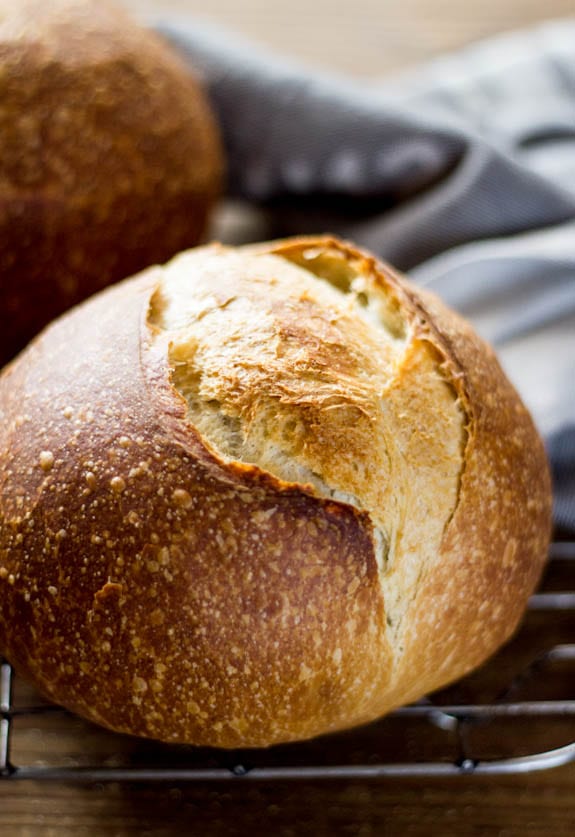
Image Source: www.theclevercarrot.com
Deciphering the Price: What Goes into the Cost?
The homemade sourdough cost per loaf isn’t a fixed figure; it’s a mosaic of various inputs. We’ll break down each component to give you a clear picture.
The Sourdough Starter: Your Living Foundation
The journey to sourdough bread begins with a sourdough starter. This is a culture of wild yeast and bacteria, nurtured from flour and water.
The Initial Sourdough Starter Cost
When people inquire about the cost of sourdough starter, they often mean the initial setup and maintenance.
- Flour and Water: The most basic ingredients are free if you have them on hand. However, if you’re starting from scratch and need to purchase these, the cost is negligible.
- Jar and Container: You’ll need a clean jar or container, which most households already possess. A simple glass jar with a loose-fitting lid or cheesecloth works perfectly.
- Time and Patience: This is arguably the most valuable “cost.” It takes about 7-14 days to develop a robust starter.
Therefore, the actual monetary cost of sourdough starter is practically zero if you have basic kitchen supplies. If you were to purchase a starter from an online vendor, it might cost anywhere from $5 to $20, but this is an unnecessary expense.
Essential Ingredients for Sourdough Bread
The primary ingredients for sourdough are remarkably simple: flour, water, salt, and the starter itself. The quality and type of these ingredients will influence the final price.
Flour: The Backbone of Your Loaf
Flour is the most significant ingredient cost. The sourdough flour cost varies widely.
- All-Purpose Flour: This is the most budget-friendly option. A 5lb bag might cost between $3-$5.
- Bread Flour: Higher in protein, it yields a better crumb structure. A 5lb bag can range from $4-$7.
- Whole Wheat Flour: Adds flavor and nutrients. Similar in price to bread flour, around $4-$7 for a 5lb bag.
- Rye Flour: Often used in smaller quantities for flavor. Costs can be higher, $5-$10 for a smaller bag.
- Artisan/Specialty Flours: These, like organic or heritage grains, can significantly increase the sourdough flour cost, sometimes doubling or tripling the price of standard flours.
A typical sourdough recipe might use around 500g (about 1.1 lbs) of flour per loaf.
Water and Salt: The Unsung Heroes
- Water: If you have tap water, this cost is effectively zero. Bottled water would add a small but insignificant cost.
- Salt: A box of salt is very inexpensive, costing perhaps $1-$2, and will last for dozens of loaves.
The Starter’s Flour Consumption
Remember that your active sourdough starter also consumes flour and water. While this is a small amount per feeding, it’s a recurring cost that contributes to the overall homemade sourdough cost per loaf. If you feed your starter regularly, you might use an additional 50-100g of flour per week for maintenance, which translates to pennies per loaf.
Baking Sourdough Bread: Equipment Considerations
Beyond the ingredients, the cost of sourdough bread also involves baking supplies and equipment. However, many of these are one-time purchases or have a very long lifespan.
Essential Baking Tools
- Mixing Bowls: Most kitchens have these.
- Measuring Cups and Spoons: Standard kitchen equipment.
- Bench Scraper: Useful for handling dough. Costs around $5-$15.
- Dough Whisk (Optional): Can make initial mixing easier. $10-$20.
- Kitchen Scale: Crucial for accurate sourdough baking. A good digital scale can be found for $20-$40.
The Baking Vessel: Where the Magic Happens
- Dutch Oven: This is often considered the most critical piece of equipment for achieving a great sourdough crust. Cast iron Dutch ovens can range from $30 (for a basic enameled one) to $200+ for high-end brands. However, a good Dutch oven will last a lifetime.
- Baking Stone/Steel: An alternative to a Dutch oven, these also offer good oven spring. Baking steels are generally more expensive ($50-$100) than stones ($20-$40).
- Banneton/Proofing Basket: Used for shaping and proofing the dough. These are relatively inexpensive, around $10-$25. You can also improvise with bowls lined with floured tea towels.
- Lame/Razor Blade: For scoring the dough. A lame costs about $10-$20, but a sharp razor blade works just as well and costs a fraction of that.
- Parchment Paper: Useful for transferring dough. A roll costs $3-$5 and lasts for many bakes.
The sourdough baking supplies cost can seem significant if you’re starting from scratch, but think of them as investments. Once you have a Dutch oven, scale, and a few basic tools, your ongoing costs are minimal.
Calculating the Homemade Sourdough Cost Per Loaf
Let’s get down to the numbers. We’ll assume you’re using standard bread flour and basic salt.
Example Calculation for One Loaf:
- Flour: 500g bread flour. If a 5lb (2270g) bag costs $5, then 500g costs approximately $5 * (500 / 2270) = $1.10
- Water: Negligible cost.
- Salt: 10g. If a $1.50 box of salt lasts for 50 loaves, then 10g costs approximately $1.50 * (10 / 5000) = $0.003 (negligible).
- Starter Maintenance Flour: Assume 50g flour per week for maintenance. If this is split across 3 loaves, that’s about 17g per loaf. Using the flour cost above, this adds about $1.10 * (17 / 500) = $0.04.
Total Ingredient Cost (Approximate): $1.15
Now, let’s consider the equipment. If you amortize the cost of a $40 kitchen scale and a $50 Dutch oven over, say, 100 loaves (which is very conservative, as they’ll last much longer), the equipment cost per loaf is:
- Scale: $40 / 100 loaves = $0.40 per loaf
- Dutch Oven: $50 / 100 loaves = $0.50 per loaf
- Other Tools (Bench Scraper, Lame, Banneton): Estimate $30 total, amortized over 100 loaves = $0.30 per loaf
Total Equipment Amortized Cost (Approximate): $1.20
Total Homemade Sourdough Cost Per Loaf (Approximate): $1.15 (Ingredients) + $1.20 (Equipment) = $2.35
This figure can fluctuate. If you use premium organic flours, the ingredient cost might jump to $2-$3 per loaf. If you already own much of the equipment, your cost will be significantly lower, closer to the $1-$1.50 mark for ingredients alone.
Economic Benefits of Homemade Sourdough
The economic benefits of homemade sourdough are clear when comparing it to store-bought alternatives.
Comparing Costs: Homemade vs. Store-Bought
- Artisan Sourdough Loaf (Store-Bought): Prices can range from $5 to $10 or even more for a single loaf of high-quality sourdough bread.
- Your Homemade Loaf: As calculated, the cost of homemade sourdough bread typically falls between $1.50 and $3.00, assuming you have some basic equipment.
This represents a significant saving, often 70-80% or more per loaf. Over a year, if you buy one loaf of artisan bread per week, you could be spending $260-$520. Making it yourself could cost as little as $78-$156 annually.
The “Yeast vs. Sourdough Cost” Perspective
It’s worth noting the yeast vs. sourdough cost when thinking about bread making in general.
- Commercial Yeast Bread: Uses commercial yeast, which is inexpensive. A packet of yeast costs around $1 and can make many loaves. The flour costs are similar to sourdough.
- Sourdough Bread: Relies on a naturally leavened starter. While there’s no direct “yeast cost” in the same way, the starter requires flour and water for its ongoing sustenance.
The primary difference in cost between a yeast bread and a sourdough loaf of similar size and flour type would be the amortized cost of sourdough-specific equipment (scale, Dutch oven, banneton) and the slightly higher flour consumption due to starter maintenance. However, the superior flavor, texture, and digestibility of sourdough often justify this slight increase.
Sourdough Bread Affordability and Value
The sourdough bread affordability is a key draw. It democratizes artisan baking, making a perceived luxury item accessible to everyday consumers. Beyond the monetary savings, the value proposition includes:
- Quality Control: You know exactly what goes into your bread – no preservatives, dough conditioners, or artificial ingredients.
- Nutritional Benefits: Sourdough fermentation can improve the digestibility of grains and increase the bioavailability of certain nutrients.
- Sense of Accomplishment: The satisfaction of creating a beautiful, delicious loaf from scratch is invaluable.
- Reduced Waste: You can control the quantity you bake, reducing the likelihood of stale bread going to waste.
Factors Influencing Your Specific Cost
Several elements will sway your individual cost of homemade sourdough bread:
1. Ingredient Sourcing
- Bulk Buying: Purchasing flour in larger quantities (e.g., 25lb bags) significantly reduces the per-pound cost.
- Local Mills/Producers: Sometimes, buying directly from local flour mills can be more cost-effective and yield higher quality flour.
- Sales and Discounts: Keeping an eye out for sales on flour and other staples can further lower expenses.
2. Equipment Investment
- Starting from Scratch: If you need to buy all the necessary baking tools, the initial outlay will be higher.
- Gradual Acquisition: You can gradually build your sourdough toolkit over time, spreading the cost.
- Improvisation: As mentioned, many tools can be improvised initially (e.g., using a ceramic bowl and a tea towel instead of a banneton).
3. Frequency of Baking
- Baking Once a Month: The amortized cost of equipment per loaf will be higher.
- Baking Weekly: The equipment cost per loaf drops significantly.
4. Starter Management
- Discard Usage: If you incorporate your starter discard into other recipes (pancakes, crackers, muffins), you “recoup” some of the flour and water cost.
- Feeding Schedule: A more frequent feeding schedule will consume slightly more flour.
Fathoming the Sourdough Flour Cost
The sourdough flour cost is a primary driver. Let’s look at how different flours impact the economics:
| Flour Type | Avg. Cost per 5lb Bag | Cost per 500g Loaf (Approx.) | Notes |
|---|---|---|---|
| All-Purpose Flour | $4.00 | $0.88 | Most economical, but may affect crumb and rise. |
| Bread Flour | $5.50 | $1.21 | Good balance of cost and performance. |
| Whole Wheat Flour | $5.00 | $1.10 | Nutritious, adds flavor, can be slightly more expensive. |
| Rye Flour (50% blend) | $7.00 | $0.77 (for 100g portion) | Often used in smaller amounts, higher cost per pound. |
| Organic Bread Flour | $8.00 | $1.76 | Higher cost due to organic certification. |
| Heritage Grain Flour | $10.00+ | $2.20+ | Premium, specialty flour, significantly increases cost. |
Note: These are approximate costs and will vary by region and retailer.
As you can see, opting for a 100% whole wheat or organic flour will almost double the ingredient cost compared to using standard bread flour.
Dispelling Myths: Is Sourdough Expensive to Make?
The perception that sourdough is inherently “expensive” often stems from two areas:
- High Initial Equipment Cost: As we’ve shown, if you need to buy everything, the upfront cost can be several hundred dollars. However, this is a one-time investment.
- Premium Flour Choices: If you exclusively use expensive specialty flours, your ingredient costs will be higher.
For the average home baker who buys flour at the supermarket and invests in a few key pieces of equipment, the cost of homemade sourdough bread is remarkably affordable and offers excellent value. The sourdough bread affordability is one of its greatest strengths.
Maximizing Your Savings and Value
To truly maximize the economic benefits of homemade sourdough:
- Join Baking Communities: Online forums and social media groups often share tips on sourcing affordable ingredients and finding deals on equipment.
- Invest in Quality Tools: While there’s an initial cost, durable tools like a good scale or a cast iron Dutch oven will last for years, ultimately saving you money and frustration.
- Experiment with Flour Blends: A blend of bread flour and a smaller percentage of whole wheat or rye can offer great flavor without the highest flour cost.
- Utilize Your Discard: Turn starter discard into delicious treats, reducing waste and extending the value of your ingredients.
Conclusion: A Delicious Investment
The cost of homemade sourdough bread is a nuanced topic, but the overarching message is one of affordability and excellent value. While the initial investment in equipment might seem daunting, the minimal ongoing ingredient costs and the substantial savings compared to purchasing artisan bread make it a financially sound choice for many. The homemade sourdough cost per loaf is a testament to the power of home baking, proving that delicious, high-quality bread doesn’t have to break the bank. By carefully considering the ingredients for sourdough and making smart choices about equipment, you can enjoy the unparalleled taste and health benefits of sourdough bread without a significant financial strain. The cost of sourdough starter itself is practically nil, highlighting the accessible nature of this ancient baking tradition. Ultimately, embracing homemade sourdough is an investment in deliciousness, health, and your own culinary skills.
Frequently Asked Questions (FAQ)
Q1: Is making sourdough bread cheaper than buying it?
A1: Yes, generally, making sourdough bread at home is significantly cheaper than buying artisan sourdough from a bakery or supermarket. While the initial investment in equipment might be higher, the ongoing ingredient costs per loaf are very low, often resulting in savings of 70-80% or more per loaf.
Q2: What are the main costs associated with homemade sourdough?
A2: The main costs are:
* Ingredients: Primarily flour and salt.
* Equipment: Kitchen scale, Dutch oven (or baking stone/steel), banneton, bench scraper, and lame.
* Time and Energy: While not a direct monetary cost, your time and the electricity/gas for baking are factors.
Q3: How much does a sourdough starter cost?
A3: The cost of sourdough starter is practically zero if you make it yourself from flour and water using basic kitchen supplies. If you purchase a starter online, it might cost between $5-$20, but this is an unnecessary expense.
Q4: What are the most expensive ingredients in sourdough?
A4: Flour is the most significant ingredient cost. The sourdough flour cost can vary greatly depending on the type of flour used (e.g., organic, heritage grains, or specialty flours are more expensive than standard bread flour).
Q5: Can I make sourdough without special equipment?
A5: While special equipment like a Dutch oven and a kitchen scale can improve results, you can start making sourdough with basic kitchen tools. A regular oven can work, and improvisations like using a ceramic bowl lined with a floured tea towel can substitute for a banneton. However, a kitchen scale is highly recommended for accuracy.
Q6: How does the cost of sourdough compare to regular yeast bread?
A6: The ingredient cost for a sourdough loaf and a standard yeast bread made with the same flour are very similar. The primary difference in cost of homemade sourdough bread comes from the amortized cost of sourdough-specific equipment (scale, Dutch oven, etc.) and the slightly higher flour consumption due to starter maintenance. However, many find the flavor and texture benefits of sourdough worth this minor difference.