
So, you’ve spent hours stirring that bubbling pot of delicious homemade apple butter. The aroma fills your kitchen, and the rich, spiced flavor is a testament to your hard work. But now the big question arises: How long is homemade apple butter good for? Unopened, properly canned homemade apple butter can last for at least a year, often longer, when stored in a cool, dark place. Once opened, it’s best consumed within 3-4 weeks if kept refrigerated.
This guide delves into everything you need to know about homemade apple butter shelf life, from optimal storage to recognizing when it’s no longer safe to eat. We’ll cover apple butter refrigerator storage, the intricacies of canning homemade apple butter, and the best way to preserve apple butter to ensure you can enjoy your creation for as long as possible. You’ll also learn how to store apple butter effectively and discover the tell-tale signs of spoiled apple butter, ensuring homemade apple butter safety.
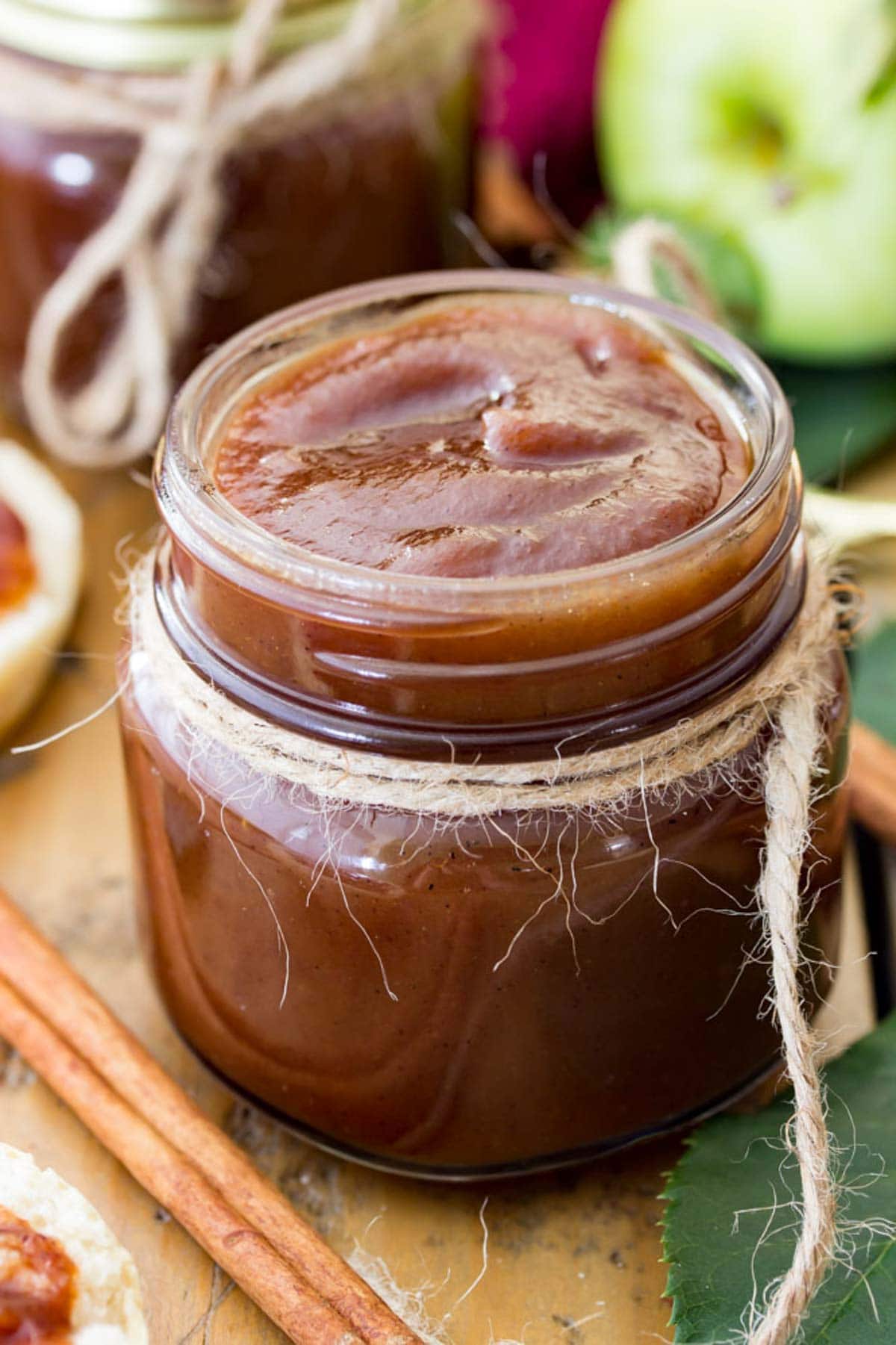
Image Source: sugarspunrun.com
The Alchemy of Apple Butter: From Fruit to Spread
Before we dive into longevity, let’s appreciate what makes apple butter so special. It’s a concentrated form of applesauce, simmered slowly for hours until the sugars caramelize and the mixture thickens into a rich, spreadable delight. This slow cooking process not only develops its characteristic deep flavor but also plays a crucial role in its preservation.
The long cooking time reduces the water content significantly, making it less hospitable for the microorganisms that cause spoilage. Additionally, the natural sugars in the apples act as a preservative. These factors, when combined with proper storage, contribute to apple butter’s surprisingly long shelf life.
Deciphering Homemade Apple Butter Shelf Life: The Golden Rules
The lifespan of your homemade apple butter hinges on a few key factors:
- Processing Method: Was it canned using a water bath or pressure canner, or is it simply stored in the refrigerator?
- Storage Conditions: Temperature, light exposure, and sealing are vital.
- Ingredients: While apples and sugar are the stars, spices can also influence preservation.
Let’s break down the different scenarios:
Refrigerator Storage: The Quick and Easy Approach
For immediate enjoyment or smaller batches, apple butter refrigerator storage is your go-to. This is the simplest method, but it also yields the shortest shelf life.
- Once Opened: After you’ve broken the seal of a commercially prepared jar or opened your own batch stored in the fridge, aim to consume it within 3-4 weeks.
- Unopened (Refrigerated): If you’ve made a batch and decided to store it in the refrigerator without canning, it will generally last for 1-2 months. Ensure it’s in an airtight container.
Apple butter storage tips for the refrigerator include:
- Airtight Containers: Always use clean, airtight jars or containers. This prevents the absorption of odors from other foods and stops moisture from affecting the texture.
- Consistent Temperature: Keep your refrigerator at a consistent temperature (below 40°F or 4°C).
- Avoid Cross-Contamination: Use clean utensils every time you scoop out apple butter to prevent introducing bacteria from other foods.
Canning Homemade Apple Butter: The Preservation Champion
Canning homemade apple butter is the best way to preserve apple butter for long-term storage. This process, when done correctly, creates a vacuum seal that inhibits microbial growth.
- Properly Canned (Unopened): If you’ve followed safe canning procedures, your homemade apple butter shelf life is impressive. Unopened, properly canned apple butter can safely last for 12 to 18 months, and often even longer. While it might remain safe to eat beyond this, the quality (flavor and texture) may begin to degrade.
- Once Opened (After Canning): Even properly canned apple butter will only last about 2-3 weeks once opened and refrigerated. The canning process creates a sterile environment, but once the seal is broken, the clock starts ticking.
Freezing Apple Butter: Another Long-Term Option
Freezing is another excellent method for extending the life of your homemade apple butter, especially if you don’t plan to can.
- Frozen Apple Butter: When stored in a freezer-safe airtight container, homemade apple butter can last for 6-12 months. The quality might diminish slightly over time, but it will remain safe to eat.
- Thawing: Thaw frozen apple butter in the refrigerator. Once thawed, treat it as if it were freshly made and consume within a week or two.
How to Store Apple Butter for Maximum Freshness
The best way to preserve apple butter involves understanding its enemies: air, light, and heat.
Storing Unopened, Canned Apple Butter
- Cool, Dark, Dry Place: This is the golden rule. A pantry, basement, or cupboard away from heat sources (like stoves or direct sunlight) is ideal.
- Consistent Temperature: Aim for a stable temperature, ideally between 50°F and 70°F (10°C and 21°C). Fluctuations can affect the seal and quality.
- Check Seals: Before consuming, always check the lid. A properly sealed lid should be concave and should not flex when pressed.
Storing Opened Apple Butter
As mentioned, once opened, apple butter refrigerator storage is the only safe option.
- Airtight Jars: Transfer any remaining apple butter to a clean, airtight jar.
- Refrigerate Promptly: Don’t leave opened jars sitting out at room temperature for extended periods.
- Clean Utensils: Always use a clean spoon or knife to scoop out the butter. This is a crucial homemade apple butter safety tip.
Does Apple Butter Go Bad? Recognizing the Signs
Yes, apple butter does go bad, though it takes a while if stored correctly. The key is to know what to look for. Recognizing signs of spoiled apple butter is crucial for homemade apple butter safety.
Visual Cues of Spoilage:
- Mold: Any visible mold, regardless of color (white, green, black, or fuzzy), is a definitive sign of spoilage. Do not attempt to scoop it out and eat the rest; mold can penetrate deeper than you can see.
- Discoloration: While natural darkening can occur over time, significant or unusual color changes, especially in patches, might indicate spoilage.
- Separation: Some natural separation of liquid might occur, especially in homemade versions. However, if the liquid appears cloudy, milky, or unusually colored, it’s a warning sign.
Texture and Aroma Indicators:
- Foul Odor: A fermented, vinegary, or simply “off” smell is a strong indicator that the apple butter has gone bad.
- Bubbling or Fizzing: If you notice any bubbling or fizzing in the jar, it suggests active fermentation, meaning it’s spoiled.
- Unusual Texture Changes: If the texture becomes overly watery, gummy, or develops a slimy feel, it’s time to discard it.
The Importance of the “When in Doubt, Throw It Out” Rule:
When it comes to food safety, especially with homemade preserved goods, the mantra is simple: “When in doubt, throw it out.” The potential risks of consuming spoiled food far outweigh the cost of replacing a batch of apple butter.
Understanding the Canning Process: Ensuring Long-Term Safety
Canning homemade apple butter requires precision and adherence to tested recipes and procedures. The goal is to eliminate or inhibit the growth of microorganisms like bacteria, yeasts, and molds.
Water Bath Canning: The Standard for High-Acid Foods
Apple butter, being acidic due to the apples and often a touch of lemon juice, is typically processed using a water bath canner. This method involves submerging sealed jars in boiling water for a specific amount of time.
- Prepare Jars and Lids: Jars must be sterilized, and lids should be prepared according to manufacturer instructions.
- Fill Jars: Ladle hot apple butter into hot jars, leaving the recommended headspace (usually 1/4 inch).
- Remove Air Bubbles: Gently run a non-metallic utensil around the inside of the jar to release trapped air.
- Wipe Rims: Clean the jar rims thoroughly to ensure a good seal.
- Apply Lids and Rings: Place the lids on the jars and screw on the bands fingertip-tight.
- Process in Water Bath: Place the filled jars into a boiling water bath canner, ensuring they are covered by at least an inch of water.
- Maintain Boil: Keep the water boiling for the duration specified in your tested recipe (often 20-30 minutes, depending on jar size and altitude).
- Cool and Check Seals: Remove jars from the canner and let them cool undisturbed on a towel-lined surface. After 12-24 hours, check that the lids have sealed.
Canning homemade apple butter using this method is crucial for achieving that long homemade apple butter shelf life. Using unreliable canning methods or recipes can compromise safety and lead to premature spoilage.
Altitude Adjustments for Canning
It’s important to note that processing times for water bath canning need to be adjusted based on your altitude. Higher altitudes require longer processing times because water boils at a lower temperature. Consult reliable canning resources for precise adjustments.
Homemade Apple Butter Expiration Date: A Guideline, Not a Guarantee
While there isn’t a strict homemade apple butter expiration date in the same way there is for perishable goods, there is a point where quality significantly declines.
- Best Quality: For optimally canned apple butter, aim to consume it within 12-18 months for the best flavor and texture.
- Safe to Eat (Potentially Longer): It can remain safe to eat for several years if the seal remains intact and there are no signs of spoilage. However, the flavor may become dull, and the texture might change.
- Refrigerator Storage: For opened jars, the 3-4 week guideline is a good homemade apple butter expiration date to adhere to for both safety and taste.
Apple Butter Storage Tips: A Comprehensive Checklist
To ensure you get the most out of your delicious homemade apple butter, keep these apple butter storage tips in mind:
| Storage Method | Container | Temperature | Shelf Life (Approx.) | Notes |
|---|---|---|---|---|
| Canned (Unopened) | Sterilized Mason Jar with Sealed Lid | Cool, Dark, Dry | 12-18 Months | Check seal integrity before opening. Quality may decline after 18 months. |
| Canned (Opened) | Original Jar (or clean, airtight container) | Refrigerator | 2-3 Weeks | Always use clean utensils. |
| Refrigerator (No Canning) | Airtight Jar/Container | Refrigerator | 1-2 Months | Keep well-sealed and avoid cross-contamination. |
| Frozen | Freezer-Safe Airtight Container/Bag | Freezer | 6-12 Months | Thaw in refrigerator; consume within a week of thawing. |
Homemade Apple Butter Safety: Key Considerations
Homemade apple butter safety is paramount. Here are the critical points to remember:
- Use Tested Recipes: Always start with reputable, tested recipes for canning. Websites like the National Center for Home Food Preservation (NCHFP) or university extension offices are excellent resources.
- Sterilize Equipment: Ensure all jars, lids, and utensils are meticulously cleaned and sterilized.
- Proper Headspace: Incorrect headspace can lead to seal failure.
- Maintain Boil: During water bath canning, ensure the water remains at a rolling boil for the entire processing time.
- Check Seals: Never consume canned goods with compromised seals.
- Inspect Before Eating: Always perform a visual and olfactory inspection for any signs of spoiled apple butter before consuming.
Frequently Asked Questions About Homemade Apple Butter Shelf Life
Here are some common questions regarding the longevity of homemade apple butter:
Q1: Can homemade apple butter be stored at room temperature without canning?
A1: No, not safely for extended periods. Uncanned homemade apple butter must be refrigerated and consumed within a few weeks. Room temperature storage significantly increases the risk of spoilage and bacterial growth.
Q2: How do I know if my canned apple butter is still good?
A2: Check the lid for a proper seal (it should be concave and not flex). Visually inspect for mold, unusual discoloration, or bubbling. Smell the apple butter; a rancid or “off” odor indicates spoilage. If you’re unsure, it’s safest to discard it.
Q3: Does adding sugar affect how long apple butter lasts?
A3: Yes, sugar acts as a preservative by drawing out moisture. Recipes with higher sugar content may have a slightly longer shelf life, but proper canning is still the most critical factor for long-term preservation.
Q4: What is the best way to preserve apple butter if I don’t have canning equipment?
A4: Freezing is an excellent alternative. Ensure you use freezer-safe containers, leave a little headspace for expansion, and label them with the date. It will last for several months in the freezer. Refrigeration is suitable for short-term storage.
Q5: Can I leave opened apple butter on the counter?
A5: Absolutely not. Once opened, apple butter needs to be refrigerated to prevent spoilage. Leaving it at room temperature can lead to rapid bacterial growth.
Q6: What happens if I eat spoiled apple butter?
A6: Consuming spoiled apple butter can lead to foodborne illnesses like nausea, vomiting, diarrhea, and stomach cramps. The severity depends on the type and amount of spoilage organisms present. It’s always better to err on the side of caution.
By following these guidelines, you can confidently store and enjoy your homemade apple butter, savoring its rich flavor for months to come. Happy preserving!