
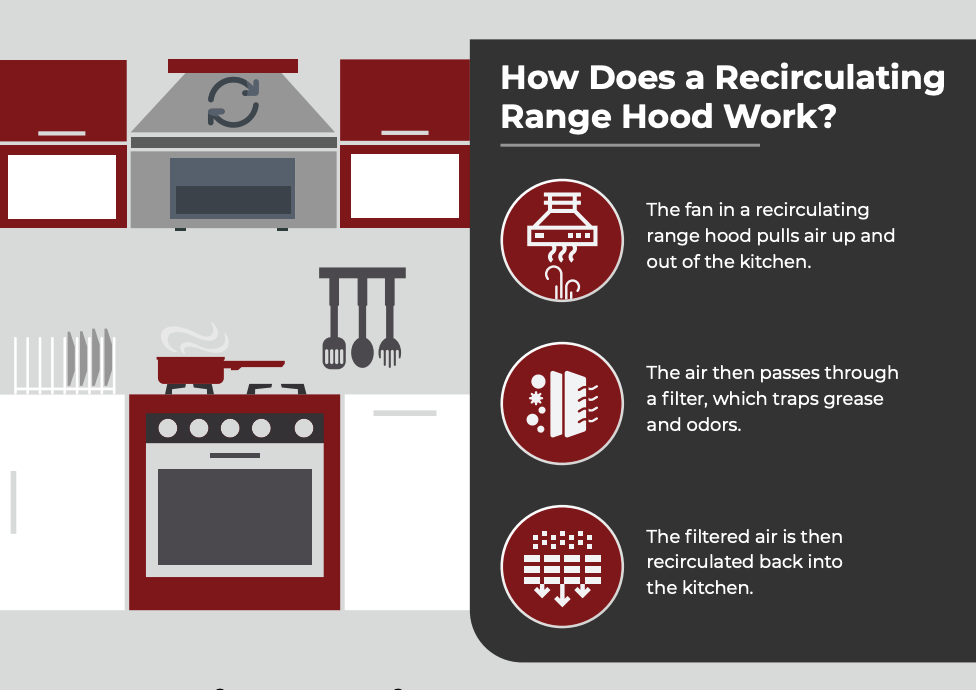
Image Source: www.worldcoppersmith.com
Recirculating Kitchen Exhaust: Pros and Cons
Can kitchen exhaust be recirculated? Yes, kitchen exhaust can be recirculated, but it’s crucial to understand the implications and the systems involved. Recirculating kitchen exhaust refers to a ventilation system that cleans the air pulled from your cooktop and returns it to your kitchen, rather than venting it outdoors. This is often achieved through the use of a ductless range hood or a recirculating range hood. This approach to kitchen air purification is becoming more common in homes where traditional outdoor venting is difficult or impossible. Let’s delve into the advantages and disadvantages of this ventilation options home.
The Mechanics of Recirculation
A recirculating range hood, unlike a ducted system, doesn’t connect to an external duct. Instead, it draws cooking fumes and grease through a series of filters designed to remove impurities before releasing the purified air back into the kitchen. The primary components of a recirculating system are:
- Grease Filters: These are typically made of metal mesh (often aluminum or stainless steel) and are the first line of defense. They capture airborne grease particles, preventing them from clogging the internal components of the hood. Proper grease filter installation and regular cleaning are vital for the efficiency of the system.
- Carbon Filters (Charcoal Filters): After passing through the grease filters, the air encounters activated carbon filters. These filters are porous and highly effective at adsorbing odors and smoke particles. Carbon filter replacement is a recurring maintenance task, as the carbon becomes saturated over time and loses its effectiveness.
The range hood exhaust system in a recirculating setup is essentially a sophisticated air cleaner. It’s important to differentiate this from an actual exhaust system that vents outside, which physically removes pollutants from the home entirely. A recirculating kitchen fan aims to improve indoor air quality kitchen by removing some of the contaminants, but it doesn’t eliminate them from your living space.
Advantages of Recirculating Kitchen Exhaust
There are several compelling reasons why homeowners opt for recirculating ventilation.
Ease of Installation and Flexibility
One of the most significant advantages of a recirculating range hood is the simplicity of installation.
- No Ductwork Required: This eliminates the need for complex and often costly construction to run ductwork through walls, ceilings, or attics. This is a major benefit in apartments, condominiums, or older homes where retrofitting ductwork can be a significant undertaking.
- Placement Freedom: Without the constraint of needing an external vent, you have more flexibility in placing your range hood. This can be particularly helpful in oddly shaped kitchens or when dealing with structural limitations.
- Faster Setup: The absence of ductwork means a much quicker installation process, saving both time and labor costs.
Cost-Effectiveness
In terms of initial investment and ongoing costs, recirculating systems can be more budget-friendly.
- Lower Upfront Costs: The absence of ductwork materials and the reduced labor associated with installation generally make recirculating hoods less expensive to purchase and install than ducted models.
- Reduced Construction Expenses: Avoiding extensive modifications to your home’s structure directly translates to savings.
Potential Energy Savings
While not as significant as other benefits, there can be minor energy savings.
- No Heated/Cooled Air Loss: Ducted systems vent air from your home to the outside. In colder climates, this means expelling heated air, and in warmer climates, it means expelling cooled air, leading to increased energy consumption for your HVAC system. Recirculating systems keep the air within your home, thus avoiding this loss.
Aesthetic Considerations
In some cases, recirculating hoods can offer a cleaner look.
- Unobstructed Ceilings: For those who prefer a minimalist aesthetic or have visually appealing ceilings, the absence of visible ductwork can be a plus.
Disadvantages of Recirculating Kitchen Exhaust
Despite its advantages, recirculating kitchen exhaust is not without its drawbacks, particularly when compared to traditional ducted systems.
Limited Effectiveness in Removing All Pollutants
The primary function of a kitchen exhaust system is to remove harmful pollutants generated during cooking. Recirculating systems are less effective in this regard.
- Grease and Smoke Removal: While grease filters capture a significant amount of grease, and carbon filters help with smoke, they don’t entirely eliminate these particles from the air being returned. Some microscopic grease and smoke can still remain.
- Moisture and Heat Management: Recirculating hoods do not vent cooking moisture or heat. Excessive moisture can lead to condensation, potential mold growth, and can affect the comfort of your kitchen. High heat levels can also make the cooking environment uncomfortable.
- Odor Persistence: While carbon filters do an admirable job with odors, they are not foolproof. Strong, lingering cooking smells can still be an issue, especially with potent ingredients.
Frequent Filter Maintenance and Replacement
For a recirculating system to function effectively, regular filter maintenance is paramount.
- Grease Filter Cleaning: Metal grease filters need to be cleaned regularly, often weekly or bi-weekly, depending on cooking habits. This involves washing them with hot, soapy water or running them through a dishwasher. If not cleaned, grease buildup can reduce airflow and even become a fire hazard.
- Carbon Filter Replacement: Activated carbon filters have a limited lifespan and cannot be cleaned effectively. They need to be replaced periodically, typically every 3-6 months, depending on the manufacturer’s recommendations and usage. This recurring cost can add up over time. Failure to replace carbon filters means the system is no longer effectively removing odors and smoke.
Potential for Reduced Airflow Over Time
As filters accumulate grease and debris, the airflow through the hood can decrease.
- Reduced Capture Efficiency: When airflow is restricted, the hood’s ability to capture fumes at the source is compromised.
- Noise Increase: A struggling fan trying to push air through clogged filters can also become louder.
Not Suitable for Heavy or High-Heat Cooking
For those who frequently engage in high-heat searing, deep frying, or cooking with a lot of smoke, a recirculating system is generally not recommended.
- Overwhelming Filtration: These cooking methods produce a high volume of grease, smoke, and odor that can quickly overwhelm the capacity of recirculating filters.
- Increased Maintenance Burden: The filters will require much more frequent cleaning and replacement, making the system less practical.
Potential Impact on Indoor Air Quality
While the goal is to improve indoor air quality kitchen, a poorly maintained or undersized recirculating system can have the opposite effect.
- Reintroduction of Pollutants: If filters are not effectively removing all contaminants, these can be reintroduced into the kitchen environment.
- Moisture Issues: As mentioned, moisture can lead to mold and mildew, which are detrimental to air quality.
When is a Recirculating System a Good Choice?
Given the pros and cons, recirculating kitchen exhaust is best suited for specific scenarios:
- Apartments and Condominiums: Where external venting is typically not permitted or feasible.
- Rental Properties: Where modifications for ducted systems are not allowed.
- Kitchens with No Exterior Walls: If your kitchen is in the center of your home with no access to an external wall for ductwork.
- Occasional, Light Cooking: For individuals who primarily boil water, steam vegetables, or do light sautéing and do not engage in heavy frying or high-heat cooking.
- Supplementary Ventilation: When a ducted hood is not possible, a recirculating hood can still offer some improvement over no ventilation at all.
When to Opt for a Ducted System
Conversely, a ducted range hood is the superior choice for:
- Frequent or Heavy Cooking: Especially frying, searing, and cooking with strong-smelling ingredients.
- Concern for Optimal Indoor Air Quality: If your priority is to remove all cooking byproducts from your home.
- New Construction or Major Renovations: When you have the opportunity to install ductwork efficiently.
- Homes with Ventilation Concerns: If you already have issues with moisture or lingering odors in your kitchen.
Factors to Consider When Choosing a Recirculating Range Hood
If you decide a recirculating system is the right choice for your kitchen, consider these factors:
- CFM Rating: Cubic Feet per Minute (CFM) indicates how much air the hood can move. Choose a CFM rating appropriate for your cooktop’s size and your cooking habits. A general rule is 100 CFM per linear foot of cooktop for ducted hoods, but for recirculating, you might aim for a slightly higher CFM to compensate for the filtration process.
- Filter Quality: Look for hoods with robust grease filters and ample activated carbon filters.
- Ease of Filter Access: How easy is it to remove and replace the filters for cleaning or replacement?
- Noise Level: Check the decibel (dB) rating of the hood.
- Brand Reputation and Reviews: Research brands and read user reviews to gauge performance and reliability.
Maintenance Schedule for Recirculating Range Hoods
A proactive maintenance schedule is crucial for the longevity and effectiveness of any recirculating kitchen fan.
| Component | Frequency | Action |
|---|---|---|
| Grease Filters | Weekly/Bi-weekly | Remove and wash with hot, soapy water or run through dishwasher. |
| Carbon Filters | Every 3-6 Months | Inspect for saturation (discoloration, reduced odor capture). Replace as per manufacturer’s recommendation. |
| Hood Exterior | Monthly | Wipe down with a damp cloth and mild cleaner. |
| Fan Blades | Annually | Check for grease buildup and clean if necessary (follow manufacturer instructions carefully). |
| Light Bulbs | As needed | Replace burnt-out bulbs. |
Regular cleaning and replacement of filters are not just about performance; they are also critical for safety, particularly fire prevention. A buildup of grease on filters can be highly flammable.
Frequently Asked Questions (FAQ)
Q1: Can I install a recirculating range hood if I have an existing ducted system?
A1: While technically possible, it’s generally not recommended. You would be filtering the air and then immediately venting it outside, making the recirculating aspect redundant and inefficient. It’s best to choose one system or the other.
Q2: How often do I need to replace the carbon filters in a recirculating range hood?
A2: This varies depending on your cooking habits and the quality of the filters. Typically, carbon filters need replacement every 3 to 6 months. If you notice a decrease in odor capture or the filters appear visibly saturated, it’s time for a change.
Q3: Will a recirculating hood get rid of all the smoke from my cooking?
A3: Recirculating hoods can reduce smoke significantly, but they are not as effective as ducted hoods. Some fine smoke particles and odors may still linger, especially with heavy smoke production.
Q4: Is a recirculating range hood noisy?
A4: Noise levels vary by model. Look for the decibel (dB) rating when purchasing. Higher CFM hoods can sometimes be louder, but modern designs often incorporate noise-dampening features.
Q5: Can I convert my existing ducted range hood to a recirculating one?
A5: Some range hoods are designed to be convertible. You would need to purchase a recirculating kit, which typically includes a set of carbon filters and sometimes a bypass mechanism. Check your hood’s manual or contact the manufacturer to confirm if conversion is possible.
Q6: What is the difference between a recirculating range hood and a ductless range hood?
A6: These terms are often used interchangeably. A ductless range hood is a recirculating range hood; it filters the air and returns it to the kitchen rather than venting it outside through ducts.
Q7: How do I clean the grease filters in my recirculating range hood?
A7: Most metal mesh grease filters are dishwasher-safe or can be washed by hand with hot, soapy water. Allow them to dry completely before reinstalling to prevent moisture from damaging the carbon filters.
Q8: What are the implications for indoor air quality kitchen with a recirculating system?
A8: A properly maintained recirculating system can help improve indoor air quality by removing grease and some odors. However, it does not remove moisture or all microscopic pollutants like a ducted system. Regular filter maintenance is crucial for maintaining good air quality.
Q9: Are recirculating range hoods effective for all types of cooking?
A9: They are most effective for light to moderate cooking, such as boiling, steaming, and light sautéing. For heavy frying, high-heat searing, or cooking with strong-smelling ingredients, a ducted system is far more effective.
Q10: Where can I find information on grease filter installation and carbon filter replacement for my specific model?
A10: Always refer to the owner’s manual provided by the manufacturer. The manual will contain detailed instructions for grease filter installation, carbon filter replacement, and general maintenance specific to your recirculating range hood. If you cannot find the manual, you can usually download it from the manufacturer’s website using the model number of your appliance.