
Can you wash suit jackets at home? Generally, no, you cannot wash most suit jackets at home in a standard washing machine or by hand immersion, as they are typically made from delicate fabrics and constructed with interlinings that can be damaged by water and agitation. The safest and most recommended method for cleaning suit jackets is professional dry cleaning. However, there are some exceptions and alternatives for specific situations and fabrics, which we will explore in detail.
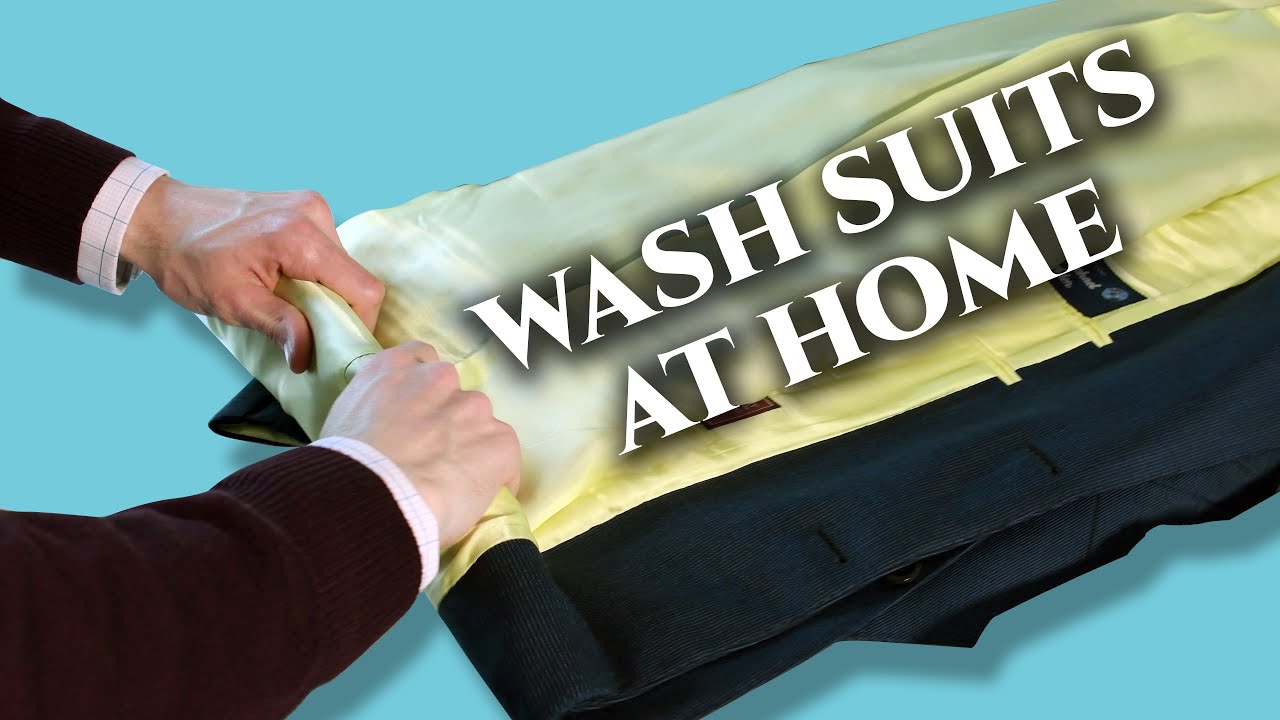
Image Source: i.ytimg.com
The Delicate Nature of Suit Jackets
Suit jackets are more than just fabric stitched together; they are garments engineered for structure, drape, and longevity. This meticulous construction is precisely why they often fall into the “dry clean only” category.
Material Matters: How Fabric Dictates Care
The primary reason a suit jacket might require professional cleaning lies in its material.
Wool: The King of Suit Fabrics
A significant portion of suit jackets are crafted from wool. Washing wool suit jacket pieces at home is a precarious endeavor. Wool fibers, while naturally resilient and breathable, are also sensitive to heat and agitation.
- Shrinkage: Hot water and vigorous washing can cause wool fibers to felt and shrink dramatically.
- Loss of Shape: The internal structure of a wool suit jacket, including canvassing and shoulder padding, can easily become distorted or damaged by water, leading to a loss of its intended shape and drape.
- Color Bleeding: Dyes in wool can sometimes bleed, especially in warmer water or with harsh detergents.
Other Common Suit Fabrics
Beyond wool, suit jackets can be made from:
- Cotton: While more forgiving than wool, cotton can still shrink and wrinkle easily.
- Linen: Prone to wrinkling and can lose its crispness if not handled correctly.
- Silk: Extremely delicate and can be easily damaged by water, leading to water spots and loss of sheen.
- Blends: Often combine wool with synthetic fibers like polyester or rayon. While synthetics can be more durable, the presence of natural fibers often dictates a gentler cleaning method.
Construction Secrets: What Lies Beneath the Fabric
The internal construction of a suit jacket plays a crucial role in its care requirements.
- Canvassing: Many higher-quality suit jackets feature canvassing – a layer of horsehair or linen sewn into the front panels and lapels. This canvassing gives the jacket its structure and helps it mold to the wearer’s body over time. Water can cause the canvassing to warp, bubble, or even disintegrate, irrevocably damaging the jacket’s silhouette.
- Interlinings and Padding: Shoulder pads, sleeve heads, and other internal reinforcements are often held in place with adhesives or stitching that can loosen or detach in water.
- Lining: The lining of a jacket can also be susceptible to shrinkage or color transfer if washed improperly.
When ‘Dry Clean Only’ Isn’t Always the Only Option
While dry cleaning is the gold standard for suit jackets, the term “dry clean only” can sometimes be a blanket statement for many garments, especially in the retail world, to err on the side of caution. However, for some fabrics and minor issues, dry clean suit jacket alternatives might be explored with extreme caution.
The Art of Spot Cleaning
For minor spills or localized dirt, spot clean suit jacket techniques can be effective and are a viable at-home solution. This method targets only the affected area, minimizing the risk of widespread water damage.
Removing Stains from Suit Jacket
When faced with a stain, immediate action is key.
- Identify the Stain: Different stains require different approaches. Grease stains, for example, might respond to talcum powder or cornstarch to absorb the oil, while water-based stains might need a gentle dab with a damp cloth.
- Test First: Always test any cleaning solution on an inconspicuous area of the jacket first (e.g., the inside of a hem or cuff) to ensure it doesn’t damage the fabric or color.
- Blot, Don’t Rub: Rubbing can spread the stain and damage the fabric fibers. Gently blot the stain with a clean cloth or sponge.
- Appropriate Cleaning Agents:
- Mild Soap and Water: For some non-greasy stains on durable fabrics, a tiny amount of mild detergent mixed with cool water can be used. Dab the mixture onto the stain, then blot with a clean, damp cloth.
- Club Soda: Can be surprisingly effective on fresh spills by lifting the stain.
- Specialized Stain Removers: Use products specifically designed for the type of stain and fabric.
Hand Washing Suit Jackets: A Risky Proposition
Can you hand wash suit jacket items? In very rare cases, and with extreme caution, some suit jackets made from specific blends or less delicate fabrics might tolerate a gentle hand wash. However, this is highly dependent on the fabric composition and construction.
Suit Jacket Care Instructions for Gentle Washing
If you’re considering a hand wash (and we strongly advise against it for most wool or canvassed jackets), here are the steps, to be undertaken at your own risk:
- Check the Label: If the label explicitly states “hand wash,” you have a higher chance of success. If it says “dry clean only,” do not proceed with washing.
- Use Cool Water: Fill a clean basin or sink with cool water. Never use hot water.
- Mild Detergent: Add a very small amount of mild detergent specifically designed for delicates or wool. Avoid harsh chemicals or bleach.
- Gentle Agitation: Submerge the jacket briefly. Swish it gently in the water. Do not twist, wring, or scrub.
- Quick Rinse: Drain the dirty water and refill with clean, cool water. Gently rinse the jacket until all soap residue is gone.
- Careful Removal of Excess Water: Do not wring the jacket. Instead, lay it flat on a clean, thick towel. Roll the towel up with the jacket inside to absorb excess moisture. Repeat with a second dry towel if necessary.
- Reshape and Air Dry: Gently reshape the jacket to its original form. Lay it flat on a drying rack or a clean, dry towel, away from direct sunlight or heat. Never hang a wet suit jacket, as the weight of the water can stretch it out of shape.
Important Note: Even with the gentlest hand wash, there’s a significant risk of damaging the canvassing, interlinings, and overall structure of the jacket.
The Case for Dry Cleaning Suit Jackets
Professional dry cleaning uses solvents to remove dirt and oils from fabrics without the use of water. This process is much gentler on delicate materials and construction.
When to Choose Professional Dry Cleaning
- Wool and Silk Jackets: Always opt for dry cleaning.
- Canvassed Jackets: The internal structure requires the specific care provided by professionals.
- Stubborn Stains: If you can’t remove a stain with spot cleaning, professional dry cleaners have specialized techniques.
- Overall Refreshing: To maintain the garment’s shape and remove accumulated odors and light soiling.
What to Expect from Professional Dry Cleaning
- Inspection: A good dry cleaner will inspect your jacket for stains and damage before cleaning.
- Pre-treatment: Stains will be pre-treated with appropriate solvents.
- Cleaning Process: The jacket will be cleaned using specialized solvents.
- Finishing: After cleaning, the jacket will be pressed and shaped to restore its original appearance.
Maintaining Suit Jacket Appearance: Proactive Care
Suit jacket care instructions extend beyond cleaning. Proper maintenance can significantly extend the life and appearance of your suit jacket.
Everyday Care for Longevity
- Brush Your Jacket: After each wear, use a soft-bristled garment brush to remove surface dust, lint, and hair. This also helps to lift the nap of the fabric.
- Rotate Your Suits: Avoid wearing the same suit jacket consecutive days. Allowing it to rest for at least 24 hours helps it recover its shape and allows moisture to dissipate.
- Proper Hanging: Always hang your suit jacket on a sturdy, wide-shouldered hanger. This prevents shoulder distortion and creasing. Avoid wire hangers, which can misshape the shoulders.
- Steam Regularly: A handheld steamer can effectively remove wrinkles and refresh the fabric. Hold the steamer a few inches away from the fabric and move it in an upward motion.
- Protect from Moths: If storing suits for longer periods, use cedar hangers or sachets, as cedar helps repel moths. Avoid plastic garment bags for extended storage, as they can trap moisture.
Spot Cleaning for Minor Mishaps
Spot clean suit jacket situations are common. Keep a small kit handy:
- A soft brush
- A clean white cloth
- A mild detergent or specialized stain remover for fabric types.
When dealing with a spill, blot immediately with a clean cloth. If a residue remains, gently dab with a slightly damp cloth (cool water only) and then blot dry. For greasy stains, apply a small amount of cornstarch or talcum powder to absorb the grease, let it sit for a few hours, then brush it off.
When to Consider a Professional Cleaning
- Overall Grime and Odor: If the jacket feels generally grimy or has absorbed strong odors (smoke, food).
- Deep Stains: Stains that persist after spot cleaning.
- Periodic Refreshing: Even without visible stains, it’s good practice to dry clean a suit jacket every 6-12 months depending on wear.
What Not to Do When Cleaning Suit Jackets
Understanding what to avoid is just as important as knowing what to do.
Common Mistakes to Sidestep
- Machine Washing: Unless the care label explicitly permits it for a specific material (which is exceptionally rare for suit jackets), never put a suit jacket in a washing machine.
- Using Hot Water: Hot water is a primary enemy of wool and many suit fabrics, causing shrinkage and damage.
- Harsh Detergents and Bleach: These chemicals can strip color and damage delicate fibers.
- Wringing or Twisting: This is guaranteed to distort the fabric and structure.
- Tumble Drying: The heat and agitation will ruin the shape and potentially shrink the jacket.
- Ignoring the Care Label: This is your most important guide. If it says “dry clean only,” heed the warning.
Alternative Care for Specific Situations
While direct washing is generally discouraged, there are some nuanced approaches for specific scenarios.
Freshening Up Your Jacket Between Dry Cleans
The goal here is to de-wrinkle and remove light odors without a full wash.
- Steaming: As mentioned, steaming is excellent for de-wrinkling and can help release trapped odors.
- Airing Out: Hang your jacket outside on a dry, breezy day (but out of direct sunlight) for a few hours. This can help air it out.
- Fabric Fresheners: Use fabric freshener sprays sparingly and on an inconspicuous area first. Test to ensure no discoloration.
Travelling with Your Suit Jacket
When traveling, keeping your suit jacket looking its best can be a challenge.
- Garment Bag: Always use a breathable garment bag to protect your jacket from snags and dirt.
- Rolling vs. Folding: For lighter fabrics, rolling can sometimes reduce deep creases compared to folding. For more structured jackets, careful folding might be better.
- Steaming at the Destination: Pack a travel steamer or plan to use the hotel’s facilities to refresh the jacket upon arrival.
Suit Jacket Laundry Tips: A Summary
To reiterate the key takeaways for suit jacket laundry tips:
- Read the Label: This is paramount.
- Dry Clean is Best: For wool, silk, and canvassed jackets.
- Spot Clean: For minor spills and localized dirt.
- Avoid Water Immersion: Unless explicitly permitted and done with extreme care.
- Invest in Good Hangers: To maintain shape.
- Brush Regularly: To remove surface debris.
- Steam for Wrinkles: A great at-home refreshing tool.
- Air Out: Between wears to help it recover.
FAQ: Your Suit Jacket Cleaning Questions Answered
Q1: Can I hand wash a wool suit jacket?
A1: It is strongly advised not to hand wash a wool suit jacket. The fibers and internal construction are susceptible to damage, shrinkage, and loss of shape when exposed to water.
Q2: What are the best dry clean suit jacket alternatives?
A2: The primary alternative is meticulous spot cleaning for localized stains. For general refreshing between professional cleanings, steaming and airing out are excellent methods.
Q3: How do I remove a stain from my suit jacket?
A3: For removing stains from suit jacket items, first identify the stain. Test a mild cleaning solution (like diluted mild detergent or club soda) on an inconspicuous area. Gently blot the stain with a clean cloth, working from the outside in. Avoid rubbing. If the stain persists, seek professional dry cleaning.
Q4: Is it safe to wash suit jacket fabric at home?
A4: For most suit jacket fabrics and constructions, washing suit jacket at home is not safe. The risk of damage to the material and shape is high. Only attempt if the care label explicitly permits it and you are prepared for the potential risks.
Q5: What are the best suit jacket care instructions for maintaining its appearance?
A5: For maintaining suit jacket appearance, brush your jacket after each wear, hang it on proper hangers, store it in a breathable garment bag, and steam out wrinkles regularly. Rotate your suits to allow them to rest.
Q6: What’s the best way to clean a suit jacket without dry cleaning it?
A6: The safest way to clean a suit jacket without dry cleaning is through careful spot cleaning for specific stains. For overall freshening, steaming and airing out are effective. If the jacket is significantly soiled or has stubborn stains, professional dry cleaning is the recommended course of action.
Q7: My suit jacket has a faint musty smell. How can I get rid of it?
A7: Hang the jacket in a well-ventilated area, preferably outdoors on a dry, breezy day (out of direct sunlight), for several hours. You can also use a handheld steamer; the steam can help neutralize odors. Some fabric freshener sprays can be used with caution, but always test on an inconspicuous area first.
In conclusion, while the allure of an easy at-home wash might be tempting, the truth is that most suit jackets require the specialized care of professional dry cleaning. Prioritizing proper maintenance and knowing when to seek expert help will ensure your suit jackets remain a sharp and enduring part of your wardrobe.