
Can you protect teak garden furniture to make it last for a long time? Yes, with regular cleaning and the right treatments, you can significantly extend the life and beauty of your teak garden furniture.
Teak garden furniture is a fantastic choice for any outdoor space. It’s durable, naturally resistant to rot and decay, and looks stunning. However, to keep it looking its best and to ensure it stands the test of time, proper teak furniture maintenance is key. This guide will walk you through everything you need to know about protecting your investment, from daily care to dealing with wear and tear.
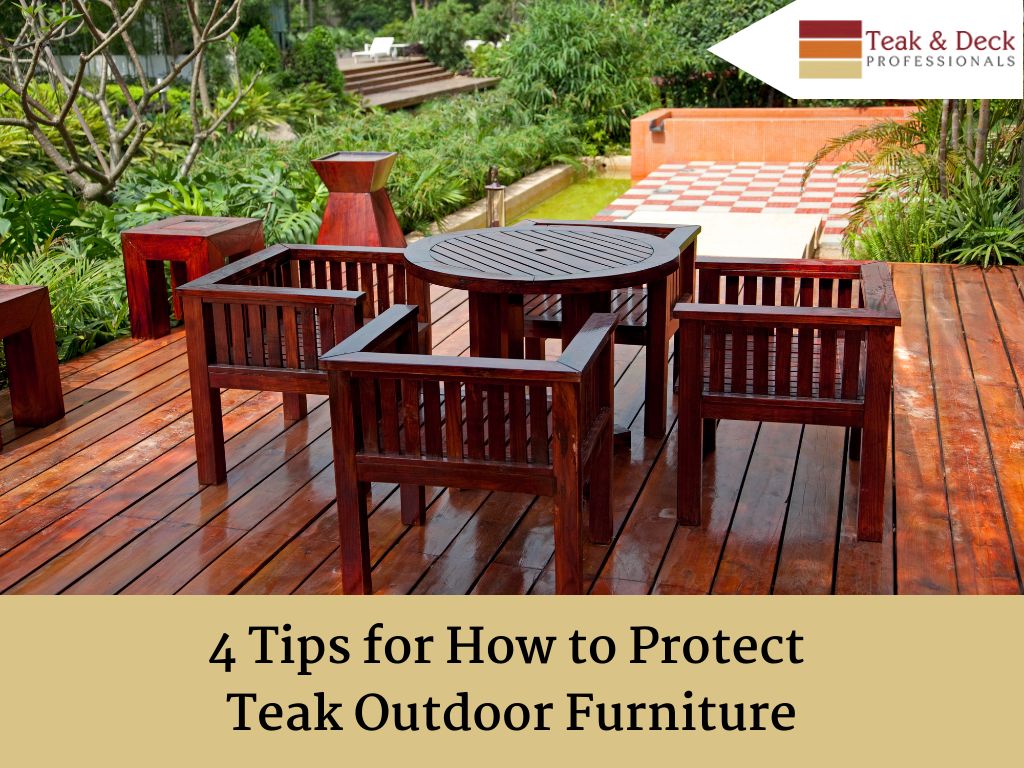
Image Source: teakanddeck.com
Why Teak Needs Protection
Teak is a hardwood known for its natural oils. These oils make it resistant to moisture, insects, and decay, which is why it’s such a popular choice for outdoor furniture. However, even teak isn’t immune to the elements.
- Weathering Teak: When left untreated outdoors, teak will naturally turn a silvery-grey color. This is a natural process called weathering, and it’s not harmful to the wood. The grey layer is a protective barrier formed by the breakdown of the wood’s surface. While some people like this weathered look, others prefer to maintain the wood’s original golden-brown hue.
- Sunlight (UV Rays): Prolonged exposure to direct sunlight can degrade the wood over time. The sun’s ultraviolet (UV) rays break down the natural oils and lignin in the wood, leading to fading and potential cracking. UV protection for wood is crucial for preserving the wood’s color and structural integrity.
- Moisture: While teak is water-resistant, constant exposure to rain and dew can still affect it, especially if there are existing cracks or if the wood hasn’t been properly sealed. Moisture can lead to the growth of mildew and mold, particularly in shaded or damp areas. Preventing mold on teak is an important part of its upkeep.
- Dirt and Debris: Over time, dirt, pollen, fallen leaves, and other debris can accumulate on the furniture. This can dull the finish and harbor moisture, contributing to mold and mildew growth. Regular cleaning is essential for cleaning teak patio furniture.
Essential Products for Teak Care
To effectively protect your teak furniture, you’ll need a few key products. Using the right teak cleaner, teak oil, and teak sealant will make all the difference.
Teak Cleaner
A good teak cleaner is the first step in any maintenance routine. It’s designed to remove dirt, grime, mildew, and the grey, weathered layer from the wood.
- Types of Teak Cleaners:
- Mild Soap and Water: For light cleaning, a solution of mild dish soap and warm water can often suffice.
- Specialized Teak Cleaners: These are formulated specifically to lift dirt and restore the wood’s natural color without damaging it. They often contain mild acids or oxygen bleaches to tackle stubborn stains and the grey layer.
- How to Use:
- Always test the cleaner on an inconspicuous area first.
- Apply the cleaner according to the product’s instructions, typically with a soft cloth or sponge.
- Gently scrub the furniture, paying attention to any stained or dirty areas.
- Rinse thoroughly with clean water.
- Allow the furniture to dry completely before applying any oils or sealants.
Teak Oil
Teak oil is a popular choice for restoring and protecting teak. It penetrates the wood, replenishing the natural oils that are lost over time. This helps to revive the wood’s color and provide a degree of water resistance.
- What is Teak Oil?
Teak oil isn’t typically made from teak wood itself. It’s usually a blend of drying oils (like linseed oil or tung oil) and a UV inhibitor. The drying oils polymerize (harden) within the wood, creating a protective barrier, while the UV inhibitor helps prevent the sun’s damaging rays. - Benefits:
- Restores the natural golden-brown color.
- Provides a level of water repellency.
- Helps prevent cracking and splitting.
- Enhances the wood’s natural beauty.
- Application:
- Ensure the furniture is clean and completely dry.
- Apply the teak oil liberally with a soft, lint-free cloth. Work in the direction of the wood grain.
- Allow the oil to soak into the wood for about 15-30 minutes.
- Wipe away any excess oil that hasn’t been absorbed with a clean cloth. If you leave excess oil on the surface, it can become sticky.
- Allow the furniture to dry and cure. This may take 24-48 hours depending on the product and humidity.
- Multiple thin coats are better than one thick coat.
Teak Sealant
A teak sealant is designed to offer a more robust protective layer than oil alone. Sealants typically form a film on the surface of the wood, providing better resistance to moisture, stains, and UV damage.
- Teak Sealant vs. Teak Oil:
While teak oil nourishes and replenishes the wood from within, teak sealant forms a protective barrier on the surface. Sealants often contain UV blockers and other additives to provide superior outdoor wood protection. - Benefits:
- Offers enhanced UV protection.
- Provides a stronger barrier against moisture and stains.
- Can help prevent the wood from turning grey.
- Some sealants offer a satin or matte finish.
- Application:
- Clean the teak furniture thoroughly and ensure it’s completely dry.
- Apply the teak sealant evenly with a brush or cloth, following the manufacturer’s instructions.
- Apply thin, even coats.
- Allow each coat to dry completely before applying the next. Drying times can vary, so check the product label.
- Most sealants require at least two coats for adequate protection.
A Step-by-Step Guide to Teak Furniture Maintenance
Regular teak furniture maintenance will keep your pieces looking beautiful and lasting for years. Here’s a comprehensive guide:
Step 1: Regular Cleaning (Weekly/Bi-Weekly)
This is your first line of defense against dirt and grime.
- Method:
- Use a soft brush or a damp cloth to wipe away loose dirt and debris.
- For more stubborn dirt, use a mild soap solution (a few drops of dish soap in a bucket of water) and a soft sponge or cloth.
- Wipe down the furniture.
- Rinse thoroughly with clean water using a hose or a damp cloth.
- Allow the furniture to air dry completely.
Step 2: Deep Cleaning and Restoring Color (Annually or As Needed)
This is where you tackle the grey layer and any ingrained dirt or mildew. This process is a key part of teak restoration.
- Method:
- Prepare the Area: Cover surrounding surfaces with old sheets or tarps to protect them from cleaning solutions.
- Choose Your Cleaner:
- Option A (Mild): For lightly weathered furniture, a mixture of equal parts white vinegar and water can be effective.
- Option B (Standard): Use a commercially available teak cleaner. Follow the product’s instructions carefully.
- Option C (Stronger): Some cleaners contain oxalic acid, which is excellent for removing the grey patina and stubborn stains.
- Apply the Cleaner: Apply the chosen cleaner to a small section at a time using a soft brush or cloth.
- Scrub: Gently scrub the wood surface in the direction of the grain. Don’t use abrasive pads like steel wool, as they can scratch the wood. A soft-bristled brush or a scrubbing pad designed for wood is best.
- Let it Work: Allow the cleaner to sit on the wood for the time recommended by the manufacturer (usually 10-15 minutes). You should see the grey layer lifting.
- Rinse Thoroughly: Use plenty of clean water and a hose or a clean cloth to rinse away all traces of the cleaner. Ensure no residue is left behind.
- Dry Completely: Allow the furniture to dry thoroughly in the sun. This can take a full day or more, depending on the weather. The wood should feel completely dry to the touch before proceeding to the next step.
Step 3: Oiling or Sealing (After Deep Cleaning and Drying)
This is the crucial step for outdoor wood protection and maintaining the wood’s natural beauty. You can choose to oil it for a natural look or seal it for more robust protection.
-
Oiling:
- Choose Your Oil: Use a high-quality teak oil designed for outdoor furniture.
- Apply: Using a clean, lint-free cloth, apply the oil liberally to the furniture, working with the grain.
- Soak: Let the oil penetrate the wood for about 15-30 minutes.
- Wipe Excess: Wipe off any excess oil with a clean cloth. If you don’t wipe off the excess, it can become sticky and attract dirt.
- Dry: Let the furniture dry completely.
- Repeat: Apply a second coat if desired for deeper protection and color.
-
Sealing:
- Choose Your Sealant: Select a reputable teak sealant or a marine-grade spar varnish with UV inhibitors.
- Apply: Apply a thin, even coat with a good-quality brush or cloth, following the product’s instructions. Work with the grain.
- Dry: Allow the first coat to dry completely according to the manufacturer’s recommendations.
- Sand (Optional): For a smoother finish, you can lightly sand between coats with very fine-grit sandpaper (220-grit or higher). Wipe away dust with a tack cloth.
- Apply More Coats: Apply additional coats as recommended (usually 2-3 coats total).
Table: Choosing Between Teak Oil and Teak Sealant
| Feature | Teak Oil | Teak Sealant |
|---|---|---|
| Purpose | Nourishes, replenishes natural oils, enhances color | Protects surface, provides barrier against elements |
| Protection | Moderate | Higher resistance to moisture, UV, stains |
| Appearance | Natural, matte finish, brings out grain | Can vary (matte, satin, gloss), may slightly alter color |
| Maintenance | Needs more frequent reapplication (every 6-12 months) | Less frequent reapplication (every 1-2 years) |
| Restoration | Good for bringing back color to weathered teak | Can be applied over oiled teak, but best on clean, dry wood |
| Best For | Those who like the natural weathered look or want a natural finish | Those who want to preserve the original color and protect from UV/moisture |
Dealing with Specific Issues
Even with the best care, you might encounter specific problems. Here’s how to address them.
Preventing Mold and Mildew
- Regular Cleaning: Keep your furniture clean and free of debris.
- Good Airflow: Ensure good air circulation around your furniture. Avoid placing it in constantly damp or shaded areas if possible.
- Prompt Drying: If furniture gets wet, wipe it down and let it dry naturally.
- Treatment: If mold or mildew appears, clean the affected area immediately with a dedicated teak cleaner or a mixture of mild soap and water, or a vinegar-water solution. Ensure the area dries thoroughly afterwards.
Repairing Small Cracks and Fissures
Minor cracks are common in teak and often don’t affect its structural integrity. However, if you want to repair them:
- Method:
- Clean the crack thoroughly to remove any debris or mold.
- You can use a teak repair epoxy or a wood filler specifically designed for outdoor use.
- Carefully apply the filler into the crack with a putty knife.
- Smooth the surface.
- Once dry, lightly sand the repaired area to match the surrounding wood.
- If you’re oiling or sealing, apply the treatment to the repaired area.
Addressing Deep Scratches
- Method:
- For deep scratches, you might need to use a teak cleaner to assess the depth and clean the area.
- If the scratch is superficial, light sanding may be enough to blend it in.
- For deeper scratches, you may need to consider more intensive teak restoration techniques, potentially involving wood filler or sanding down a larger area.
- Always reapply teak oil or teak sealant to the repaired area.
Seasonal Teak Furniture Care
Caring for your teak furniture also depends on the season.
Spring: The Big Refresh
- Task: Prepare your furniture for the warmer months.
- Action:
- Thoroughly clean all pieces.
- Perform a deep clean and restoration if the furniture has been stored without protection or has weathered significantly.
- Apply a fresh coat of teak oil or teak sealant.
Summer: Ongoing Maintenance
- Task: Keep your furniture looking good throughout the season.
- Action:
- Wipe down furniture regularly to remove dust, pollen, and spills.
- Address any mildew spots immediately.
- If you notice the finish fading or the wood drying out, reapply teak oil as needed.
Autumn: Preparing for Storage
- Task: Protect your furniture from winter weather.
- Action:
- Give the furniture a good clean.
- If you are storing it indoors or under a cover, a light cleaning is usually sufficient. If it will remain outdoors uncovered, consider a thorough cleaning and a fresh application of teak sealant for maximum protection.
- Consider covering your furniture with a breathable furniture cover to protect it from snow, ice, and harsh winds. Avoid plastic sheeting that can trap moisture.
Winter: Storage and Protection
- Task: Keep your furniture safe during the cold months.
- Action:
- If storing indoors, ensure the area is dry and well-ventilated.
- If storing outdoors, use a high-quality, breathable furniture cover. Ensure the cover is secured to prevent it from blowing away.
- Elevate furniture slightly off the ground if it’s being stored outdoors, to prevent moisture from seeping in from the ground.
Advanced Techniques for Teak Restoration
For furniture that has been neglected or severely weathered, more advanced teak restoration techniques might be necessary.
Sanding for a Like-New Finish
Sanding can remove deep scratches, stains, and the weathered grey layer, exposing the fresh, golden wood beneath.
- When to Sand:
- When the wood is heavily stained or grooved.
- When you want to remove a sealant or varnish that has started to peel.
- To create a perfectly smooth surface before applying a new finish.
- How to Sand:
- Start Coarse, Finish Fine: Begin with medium-grit sandpaper (around 80-120 grit) to remove the old finish and deep imperfections. Progress to finer grits (180, then 220 or higher) for a smooth finish.
- Work with the Grain: Always sand in the direction of the wood grain. Sanding across the grain will leave visible scratches.
- Use a Sander or by Hand: For large pieces, a random orbital sander can save time. For smaller items or intricate details, sanding by hand with a sanding block is often best.
- Clean Thoroughly: After sanding, use a stiff brush to remove dust from the grain. Then, wipe the furniture down with a damp cloth or a tack cloth to remove all fine dust particles.
- Follow Up: Once the wood is clean and dry, apply teak oil or teak sealant to protect the freshly exposed wood.
Removing Stubborn Stains
Stubborn stains, like those from food, drinks, or metal rust, may require specialized treatment.
- For Organic Stains (food, mildew):
- Teak Cleaner: Specialized teak cleaners are usually effective.
- Hydrogen Peroxide: For localized stains, apply a small amount of 3% hydrogen peroxide to a cloth and dab the stain. Rinse thoroughly afterwards.
- For Metal Stains (rust, hardware marks):
- Oxalic Acid: This is the most effective solution. You can find oxalic acid crystals at hardware stores or online. Mix according to instructions to create a cleaning solution. Apply to the stain, let it work for a few minutes, then rinse thoroughly. Always wear gloves and eye protection when using oxalic acid.
Frequently Asked Questions (FAQ)
Q1: How often should I oil my teak furniture?
A1: You should ideally oil your teak furniture once or twice a year, typically in the spring and perhaps again in late summer. The frequency can depend on your climate and how much direct sunlight the furniture receives. If the wood starts to look dry or loses its color, it’s time for another oiling.
Q2: Can I leave my teak furniture outside all year round?
A2: Yes, teak is naturally durable and can withstand outdoor conditions year-round. However, to prolong its life and maintain its appearance, it’s best to protect it from harsh winter elements, especially if you live in a region with heavy snow and ice. Using a breathable cover is recommended.
Q3: What is the best way to clean my teak patio furniture?
A3: For regular cleaning, use mild soap and water with a soft cloth. For a deeper clean, use a dedicated teak cleaner or a solution of white vinegar and water. Always rinse thoroughly and let the furniture dry completely.
Q4: Do I need to seal teak furniture?
A4: Sealing is optional but highly recommended if you want to preserve the original color of your teak and provide extra protection against UV rays and moisture. Teak sealant forms a protective barrier that can help prevent weathering and staining.
Q5: Will teak furniture rot if I don’t treat it?
A5: Teak has natural oils that make it highly resistant to rot and decay. It will not rot like many other woods. However, prolonged exposure to the elements without any maintenance can lead to weathering, cracking, and potential mildew growth.
Q6: My teak furniture has turned grey. Can I get the original color back?
A6: Absolutely! The grey color is a natural weathering process. You can restore the original golden-brown color by using a teak cleaner and then applying teak oil or a teak sealant. This process is part of teak restoration.
Conclusion
Protecting your teak garden furniture is an investment in its longevity and beauty. By incorporating regular cleaning and appropriate treatments like teak oil and teak sealant into your routine, you can ensure your furniture remains a stunning focal point in your garden for many years to come. Remember, consistent teak furniture maintenance is the key to combating weathering teak, providing essential UV protection for wood, and effectively preventing mold on teak while keeping your cleaning teak patio furniture tasks manageable. Enjoy your beautiful, long-lasting teak!