
Yes, you can put pine shavings in your garden, but it’s important to know the benefits and drawbacks. Pine shavings can be used as a mulch or incorporated into your composting process to improve your soil.
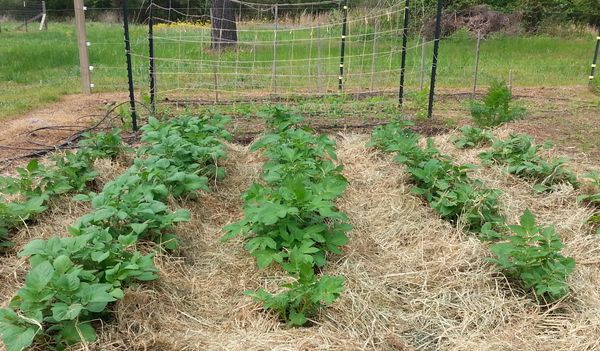
Image Source: journeywithjill.net
Using Pine Shavings in Your Garden: A Comprehensive Look
Many gardeners are always on the lookout for ways to enhance their soil health and promote robust plant growth. One question that often arises is whether common materials, like pine shavings, can be beneficial in the garden. Pine shavings, often readily available as a byproduct of woodworking or from pet supply stores, can indeed be a useful addition. However, like any gardening material, they come with their own set of advantages and disadvantages that are crucial to comprehending before widespread use. This article will delve deep into the multifaceted role pine shavings can play in your garden bed, exploring their impacts on soil amendment, weed suppression, and moisture retention.
The Benefits of Pine Shavings in Your Garden
When used correctly, pine shavings offer several advantages that can contribute to a more vibrant and productive garden. Their ability to break down over time adds valuable organic matter to the soil, creating a more hospitable environment for beneficial microorganisms.
Enhancing Soil Structure and Fertility
One of the primary benefits of adding pine shavings to your garden is their potential to improve soil structure. As the wood particles decompose, they create air pockets within the soil. This aeration is vital for healthy root development, allowing plant roots to breathe and access nutrients more effectively. Furthermore, the slow breakdown process releases nutrients gradually into the soil, acting as a slow-release fertilizer. This sustained nutrient supply can support consistent plant growth throughout the season.
- Improved Aeration: Pine shavings create channels in the soil, allowing better air circulation.
- Enhanced Drainage: They help prevent soil compaction, leading to better water drainage and reducing the risk of root rot.
- Nutrient Release: As they decompose, they release carbon and other trace elements, which are essential for plant life.
- Increased Organic Matter: Over time, they become a rich source of organic matter, a cornerstone of healthy soil.
Effective Mulching
Pine shavings are an excellent choice for mulch. Applying a layer of pine shavings around your plants offers a protective blanket that can significantly benefit your garden bed. Mulch helps regulate soil temperature, keeping it cooler in the summer and warmer in the winter, which shields plant roots from extreme fluctuations. This temperature moderation is crucial for preventing transplant shock and promoting continuous growth.
- Weed Suppression: A thick layer of pine shavings acts as a physical barrier, blocking sunlight from reaching weed seeds. This significantly reduces germination and growth, leading to less competition for water and nutrients for your desired plants.
- Moisture Retention: The shavings help to trap moisture in the soil by reducing evaporation from the surface. This means you’ll need to water less frequently, a significant advantage during dry spells and for water-wise gardening.
- Erosion Control: The shavings help to anchor the soil, preventing it from being washed away by heavy rain or blown away by the wind, thus preserving your topsoil.
- Aesthetic Appeal: Pine shavings provide a clean and uniform look to garden beds, enhancing their visual appeal.
Composting Partner
Pine shavings are a fantastic source of carbon, making them an ideal “brown” material for your composting efforts. In a compost pile, a balance of carbon (browns) and nitrogen (greens) is essential for efficient decomposition. Pine shavings, with their high carbon content, help to balance out nitrogen-rich materials like kitchen scraps and grass clippings. This balance allows microorganisms to thrive and break down the organic matter quickly and effectively.
- Carbon Source: They provide the necessary carbon for a healthy compost ecosystem.
- Airflow: Their structure helps to aerate the compost pile, preventing it from becoming dense and anaerobic.
- Odor Control: The carbon in pine shavings can absorb excess moisture and nitrogen, which helps to reduce unpleasant odors in the compost pile.
- Faster Decomposition: When balanced correctly with nitrogen-rich materials, pine shavings contribute to a faster and more complete composting process.
Potential Drawbacks of Using Pine Shavings
While pine shavings offer many benefits, there are also potential downsides to consider. These are mainly related to their composition and the way they break down.
Nitrogen Drawdown
One of the most commonly cited drawbacks of using pine shavings in the garden is their potential to cause nitrogen drawdown. Pine, like other wood products, contains a high carbon-to-nitrogen (C:N) ratio. When added to soil, especially in their raw, undecomposed state, the microorganisms that break down the wood require nitrogen to do their work. These microbes will then draw nitrogen from the surrounding soil, making it temporarily unavailable to plants. This can lead to nitrogen deficiency symptoms in plants, such as yellowing leaves and stunted growth.
- Microbial Competition: Bacteria and fungi consuming the wood need nitrogen.
- Temporary Deficiency: This leads to less nitrogen available for plants in the short term.
- Mitigation: This effect is most pronounced when wood products are tilled directly into the soil. Using them as a top-layer mulch or well-composted first significantly reduces this issue.
Acidity and pH Levels
Pine is naturally acidic. While a slight acidity can be beneficial for some plants, a significant amount of pine shavings incorporated into the soil could potentially lower the soil’s pH. Most garden plants prefer a slightly acidic to neutral pH (around 6.0-7.0). If your soil is already acidic, adding large quantities of pine shavings could push it too far into the acidic range, hindering the uptake of certain nutrients and impacting plant growth.
- Lowering pH: Pine can make soil more acidic.
- Nutrient Availability: Very acidic soils can lock up essential nutrients.
- Testing is Key: It’s wise to test your soil’s pH before and after significant applications.
Potential for Allelopathy
Some wood mulches, including certain types of pine, can contain compounds that are allelopathic. Allelopathy is the phenomenon where plants release biochemicals that influence the growth of neighboring plants. In the case of pine shavings, these compounds could inhibit the germination or growth of some sensitive plants, particularly seedlings or delicate annuals.
- Biochemicals: Pine may release substances that affect nearby plants.
- Germination Impact: This can slow down or prevent seeds from sprouting.
- Sensitive Plants: Seedlings and young plants are most susceptible.
Seedling Vulnerability
When using pine shavings as a mulch around newly planted seeds or young seedlings, there’s a risk. The shavings can physically hinder young plants from pushing through the layer. Also, the nitrogen drawdown and potential allelopathic effects are more pronounced and detrimental to these vulnerable young plants.
- Physical Barrier: Young shoots may struggle to emerge.
- Nutrient Competition: Seedlings need available nutrients for initial growth.
- Careful Application: Avoid placing thick layers directly over newly sown seeds or very young plants.
Longevity and Breakdown Rate
Pine shavings are relatively soft and lightweight compared to coarser mulches like bark chips. This means they will break down more quickly. While this can be a benefit if you’re looking to add organic matter rapidly, it also means you’ll need to replenish the mulch layer more frequently to maintain its benefits, such as weed suppression and moisture retention.
- Faster Decomposition: They break down quicker than coarser materials.
- More Frequent Replenishment: You’ll need to add more over time.
- Consider Your Goal: If long-term mulch is needed, consider mixing or layering.
Effective Ways to Use Pine Shavings in Your Garden
To maximize the benefits and minimize the potential drawbacks, it’s essential to use pine shavings thoughtfully. Here are some effective methods for incorporating them into your gardening practices.
As a Top-Layer Mulch
Applying pine shavings as a top-layer mulch is one of the most straightforward and beneficial ways to use them. Spread a 2-3 inch layer around established plants, keeping it a few inches away from the base of the stems to prevent moisture buildup and potential rot.
- Application: Apply a 2-3 inch layer.
- Spacing: Keep mulch away from plant stems.
- Benefits: Excellent for weed suppression, moisture retention, and temperature regulation.
- Best For: Established plants, shrubs, and trees.
In Your Compost Pile
As discussed earlier, pine shavings are an excellent carbon source for composting. Aim for a C:N ratio of roughly 25:1 to 30:1 in your compost pile. This means for every pound of “green” material (nitrogen-rich), you’ll want about 2 pounds of “brown” material (carbon-rich like pine shavings).
- Ratio: Mix with nitrogen-rich materials like grass clippings and food scraps.
- Layering: Alternate layers of browns and greens.
- Turning: Turn the pile regularly to ensure aeration and even decomposition.
- Outcome: Produces nutrient-rich compost that’s excellent for soil amendment.
Pre-Composting Pine Shavings (The Smart Approach)
To completely avoid the nitrogen drawdown issue and potential allelopathic effects, you can pre-compost your pine shavings. This means allowing them to decompose for several months (or even a year) before adding them to your garden. You can do this in a separate compost pile or a designated bin. This process allows the microorganisms to consume the readily available carbon and nitrogen within the shavings, making them a more stable and beneficial soil amendment.
- Process: Allow shavings to decompose for 6-12 months.
- Benefits: Eliminates nitrogen drawdown, reduces acidity, and neutralizes allelopathic compounds.
- Result: Creates a high-quality organic matter addition.
- Application: Once broken down, it can be mixed directly into the soil or used as mulch.
Direct Soil Incorporation (With Caution)
If you choose to incorporate raw pine shavings directly into your soil, do so well in advance of planting. Till a layer of shavings into the soil at least 6 months to a year before you plan to plant. This gives the wood ample time to break down and for the nitrogen drawdown to occur and stabilize.
- Timing: Incorporate at least 6-12 months before planting.
- Method: Till into the soil.
- Consideration: Expect temporary nitrogen reduction for plants in the immediate vicinity.
- Best For: Preparing new garden beds well in advance.
Pine Shavings vs. Other Mulch Options
It’s helpful to compare pine shavings to other common mulch materials to make informed decisions for your garden.
| Mulch Type | Pros | Cons | Best Use |
|---|---|---|---|
| Pine Shavings | Readily available, good weed suppression, improves soil structure | Can cause nitrogen drawdown, potential acidity, breaks down quickly | Composting, mulch for established plants, soil amendment |
| Bark Chips | Long-lasting, good moisture retention, attractive appearance | Can be expensive, can float away in heavy rain, can harbor slugs | Mulch for paths, around trees and shrubs |
| Straw | Inexpensive, adds organic matter, good insulation | Can blow away easily, can contain weed seeds, can harbor rodents | Mulch for vegetable gardens, overwintering plants |
| Grass Clippings | Free, adds nitrogen and organic matter | Can mat down and prevent airflow, can contain herbicides or seeds | Composting, thin layers as mulch (allow to dry first) |
| Wood Chips | Long-lasting, excellent weed suppression, good drainage | Can contain harmful chemicals if treated, slow to break down | Mulch for pathways, around trees and shrubs |
Visualizing the Breakdown
The rate at which pine shavings break down is a key factor in their use. Consider this general timeline:
- Initial Stage (0-6 months): Shavings are largely intact, providing excellent mulch benefits like weed suppression and moisture retention. Nitrogen drawdown is at its peak.
- Intermediate Stage (6-18 months): Shavings begin to break down, softening and incorporating into the topsoil. Nitrogen drawdown lessens. They start contributing to soil amendment.
- Advanced Stage (18+ months): Shavings are significantly decomposed, becoming part of the organic matter in the soil. They have improved soil structure and are releasing nutrients.
Addressing Acidity Concerns
If you are concerned about the acidity of pine shavings affecting your soil pH, here are a few strategies:
- Test Your Soil: Always start by testing your soil’s pH to know its current state.
- Compost First: Pre-composting is the most effective way to neutralize acidity.
- Mix with Alkaline Materials: When adding to compost, balance with nitrogen-rich “green” materials that are often less acidic.
- Limit Application: If not composting, use pine shavings sparingly, especially if your soil is already acidic.
- Add Lime: If soil tests reveal a significant drop in pH, you can amend with lime to raise it.
Frequently Asked Questions (FAQ)
Here are some common questions gardeners have about using pine shavings:
Q1: Will pine shavings kill my plants?
A1: Not typically. While raw pine shavings can cause temporary nitrogen drawdown which might stunt growth, or have mild allelopathic effects on very sensitive seedlings, they are generally safe for most established plants when used as a mulch or composted.
Q2: How thick should I put pine shavings as mulch?
A2: A layer of 2 to 3 inches is generally recommended for effective weed suppression and moisture retention. Ensure it’s kept a few inches away from the base of plant stems.
Q3: How long do pine shavings last as mulch?
A3: Pine shavings decompose relatively quickly compared to coarser mulches. You can expect to replenish the layer every 6 to 12 months, depending on your climate and how quickly they break down.
Q4: Can I use pine shavings from a pet store?
A4: Yes, pine shavings specifically sold for pet bedding are usually safe for garden use. Ensure they are plain pine and do not contain any added fragrances, chemicals, or dyes, as these could be harmful to your plants and soil.
Q5: Is it safe to put pine shavings directly on my vegetable garden beds?
A5: It’s best to compost them first or add them to your garden beds at least 6-12 months before planting vegetables. This minimizes nitrogen drawdown and potential allelopathic effects, ensuring optimal plant growth and soil health for your edibles.
Q6: Will pine shavings attract pests?
A6: While any organic mulch can potentially provide habitat for some garden creatures, pine shavings are generally less likely to attract pests like slugs and snails compared to some other mulches. Keeping the mulch layer away from plant stems also helps reduce pest attraction.
In conclusion, pine shavings can be a valuable addition to your gardening toolkit. By understanding their properties and applying them with a thoughtful approach, you can effectively leverage their benefits for improved soil health, enhanced plant growth, and a more manageable and beautiful garden bed. Whether used as mulch, in composting, or as a soil amendment, the key is to use them wisely.