
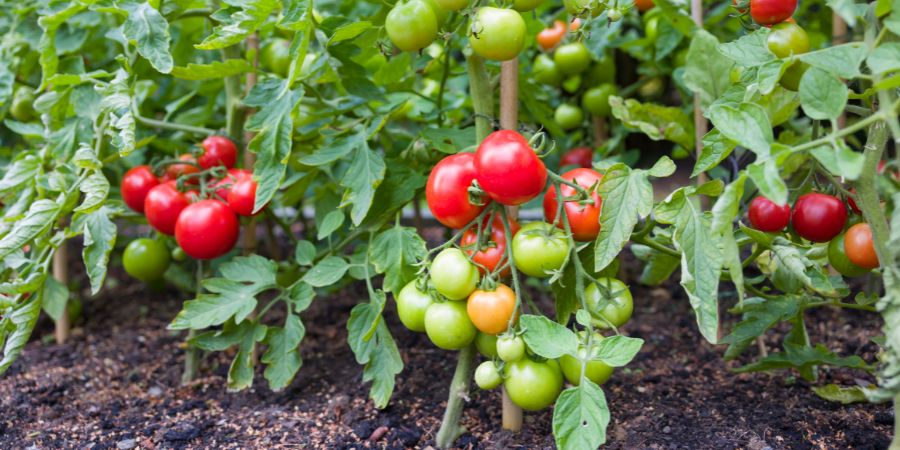
Image Source: www.milorganite.com
Milorganite for Veggies: Can I Use Milorganite In My Vegetable Garden?
Yes, you can absolutely use Milorganite in your vegetable garden. It is a highly regarded and safe fertilizer for growing a wide variety of vegetables. Milorganite for vegetables offers a gentle yet effective way to nourish your plants, promoting healthy growth and bountiful harvests.
Milorganite is a slow-release nitrogen fertilizer made from dried, heat-killed, non-pathogenic bacteria that have been cultured on a base of sterilized sewage sludge. This might sound unappealing at first, but the manufacturing process eliminates any harmful pathogens and byproducts, leaving you with a nutrient-rich, safe organic fertilizer. This makes it an excellent choice for anyone looking for a reliable vegetable garden fertilizer.
What Makes Milorganite a Great Choice for Your Veggie Patch?
Milorganite’s unique composition provides a balanced blend of essential nutrients that vegetables need to thrive. It’s often considered an organic vegetable fertilizer because it’s derived from natural sources and is processed without synthetic chemicals. The slow-release nature of Milorganite means nutrients are available to your plants over an extended period, reducing the risk of over-fertilization and nutrient leaching.
Key Benefits of Using Milorganite for Vegetables:
- Slow-Release Nutrients: Unlike synthetic fertilizers that can quickly burn plants, Milorganite releases its nutrients gradually. This consistent feeding supports steady growth and helps prevent nutrient deficiencies.
- Low Salt Index: Milorganite has a low salt index, meaning it’s less likely to damage plant roots or foliage, even in young or sensitive plants. This makes it a safe fertilizer for veggies.
- Rich in Micronutrients: Besides the primary macronutrients (Nitrogen, Phosphorus, and Potassium), Milorganite also contains essential micronutrients like iron, zinc, copper, and manganese, which are crucial for overall plant health and disease resistance.
- Improves Soil Structure: The organic matter in Milorganite helps improve soil structure, aeration, and water retention, creating a healthier environment for plant roots. This is vital for robust vegetable garden soil.
- Environmentally Friendly: By recycling nutrients from wastewater, Milorganite contributes to a more sustainable approach to gardening.
Delving Deeper into Milorganite’s Nutrient Profile
When we talk about Milorganite for vegetables, it’s important to look at the specific nutrients it provides. Fertilizers are typically rated by their N-P-K ratio, which represents the percentage of nitrogen, phosphorus, and potassium by weight. Milorganite typically has an N-P-K ratio of 6-4-0.
Nitrogen (N): The Green Machine
Nitrogen is crucial for leafy green growth, stem development, and overall vigor. It’s a key component of chlorophyll, the pigment that allows plants to photosynthesize. A good supply of nitrogen results in lush, dark green foliage, which is essential for plants like lettuce, spinach, and kale. Milorganite is known as a good nitrogen fertilizer for vegetables because it provides a steady supply of nitrogen that plants can access as they grow.
- Role in Plants: Essential for chlorophyll production, protein synthesis, and vegetative growth.
- Signs of Deficiency: Yellowing leaves (chlorosis), stunted growth, and reduced yield.
- Milorganite’s Contribution: Provides a slow-release form of nitrogen, preventing rapid, uncontrolled growth that can make plants susceptible to pests and diseases.
Phosphorus (P): The Root and Flower Powerhouse
Phosphorus is vital for root development, flowering, and fruiting. It plays a role in energy transfer within the plant, helping with processes like photosynthesis and respiration. For vegetables that produce fruits or flowers, like tomatoes, peppers, and beans, adequate phosphorus is critical for a good harvest. Milorganite offers a moderate amount of phosphorus, making it a suitable phosphorus fertilizer for vegetables in many garden settings.
- Role in Plants: Crucial for root formation, flowering, fruiting, and seed development.
- Signs of Deficiency: Purple discoloration on leaves, poor root growth, delayed flowering, and reduced fruit set.
- Milorganite’s Contribution: Supplies phosphorus that aids in the early establishment of plants and supports the development of flowers and fruits.
Potassium (K): The All-Rounder
Potassium is often called the “quality nutrient” because it influences plant vigor, disease resistance, and the overall quality of the produce. It plays a role in water regulation, enzyme activation, and starch and sugar formation. Good potassium levels lead to stronger plants that can better withstand stress from drought, heat, or disease. Milorganite contains potassium, contributing to its status as a balanced potassium fertilizer for vegetables.
- Role in Plants: Enhances disease resistance, improves water use efficiency, strengthens stems, and promotes fruit quality.
- Signs of Deficiency: Yellowing or browning along leaf edges, weak stems, and increased susceptibility to diseases.
- Milorganite’s Contribution: Provides potassium to help plants cope with environmental stresses and improve the taste and shelf life of harvested vegetables.
Applying Milorganite to Your Garden
Knowing how to use Milorganite correctly is key to maximizing its benefits for your vegetable garden. The general advice for applying Milorganite to garden areas is straightforward and follows standard fertilization practices.
When to Apply Milorganite
The best time to apply Milorganite to your vegetable garden is generally in the spring, as you prepare for planting, and again in mid-season for a boost of nutrients.
- Spring Application: Apply before planting or as seedlings are established. This gives the nutrients time to become available as the plants begin their active growth phase.
- Mid-Season Application: A second application can be beneficial for heavy feeders or as plants start to flower and produce fruit. This helps maintain nutrient levels throughout the growing season.
How to Apply Milorganite
Milorganite is typically sold as granular pellets, making it easy to spread.
- Broadcast Spreading: The most common method is to broadcast the granules evenly over the soil surface around your plants. Use a fertilizer spreader for uniform coverage, or simply scatter by hand if your garden is small.
- Incorporation: For new plantings, you can lightly work the Milorganite into the top few inches of soil when preparing your beds. This helps the nutrients become accessible to the developing root systems.
- Side-Dressing: For established plants, apply Milorganite around the base of the plants, being careful not to let the granules touch the stems directly. Water the area thoroughly after application to help the nutrients dissolve and move into the soil.
Dosage Recommendations:
Always follow the application rates recommended on the Milorganite packaging. A general guideline is:
- New Plantings/Bed Preparation: 5-10 pounds per 100 square feet.
- Established Vegetable Gardens: 3-5 pounds per 100 square feet, applied 2-3 times during the growing season.
It’s important to remember that these are guidelines. Adjustments may be needed based on your specific soil type, the vegetables you are growing, and your local climate.
Milorganite in Vegetable Beds: A Closer Look
When you’re focused on Milorganite in vegetable beds, you’re thinking about creating an ideal environment for your edible crops. This means considering not just the immediate nutrient needs but also the long-term health of your soil.
Preparing New Vegetable Beds
For new vegetable garden soil, incorporating Milorganite during the initial soil preparation can significantly improve its fertility and structure. Mixing it into compost or existing soil before planting gives your vegetables a fantastic start.
- Initial Soil Amendment: Blend Milorganite with your compost and existing soil to create a nutrient-rich base.
- Planting Seeds: Lightly rake it into the top layer of soil where seeds will be sown.
- Transplanting Seedlings: Apply a small amount around the root ball of seedlings as you transplant them.
Feeding Established Vegetable Beds
Established beds benefit from regular feeding. Milorganite’s slow-release nature makes it perfect for providing consistent nutrition without the risk of burning.
- Leafy Greens: These plants thrive on nitrogen. A spring application of Milorganite will promote lush foliage.
- Fruiting Vegetables: Tomatoes, peppers, cucumbers, and squash will appreciate mid-season applications to support fruit development.
- Root Vegetables: Carrots, radishes, and beets benefit from a balanced nutrient supply that Milorganite provides, encouraging good root growth.
Milorganite vs. Other Fertilizers for Your Veggies
When choosing a vegetable garden fertilizer, you have many options. Understanding how Milorganite compares can help you make informed decisions.
Milorganite vs. Synthetic Fertilizers
Synthetic fertilizers often provide nutrients in readily available forms, meaning plants can absorb them quickly. This can lead to rapid growth, but it also carries a higher risk of burning plant roots, leaching into waterways, and potentially having a negative impact on soil microbial life. Milorganite, being a slow-release, organic option, offers a gentler approach that nurtures the soil as well as the plant.
Milorganite vs. Other Organic Fertilizers
Many other organic fertilizers are available, such as compost, manure, bone meal, and fish emulsion. Milorganite stands out due to its consistent nutrient analysis and its unique manufacturing process that ensures pathogen-free content. While compost and aged manure are excellent soil conditioners, their nutrient content can vary significantly. Milorganite provides a more predictable and reliable nutrient source, especially for nitrogen.
Addressing Common Concerns About Milorganite
It’s natural to have questions, especially given the origins of Milorganite. However, the product is rigorously tested and safe for use in gardens.
Is Milorganite Safe for Edible Plants?
Yes, Milorganite is considered safe fertilizer for veggies. It has a long history of use in home gardens and agricultural settings, including areas where produce is grown. The heat-treatment process during manufacturing kills pathogens, and independent laboratory testing confirms its safety for food crops.
Can Milorganite Harm My Plants?
Because Milorganite is a slow-release fertilizer with a low salt index, it is unlikely to burn plant roots or foliage, even when applied at recommended rates. This makes it much safer than many synthetic fertilizers, especially for young plants.
What About the Smell?
Milorganite does have a distinct odor, particularly when it’s wet. This smell is often described as earthy or slightly sulfuric and is due to the organic nature of the product. The odor dissipates as the fertilizer breaks down in the soil and is generally not a concern for the health of your plants or the taste of your vegetables. Many gardeners find the smell to be less offensive than that of fresh manure.
Milorganite for Specific Vegetables
Let’s consider how Milorganite can benefit some popular vegetables.
- Tomatoes: As heavy feeders, tomatoes benefit greatly from Milorganite’s steady nitrogen supply for leafy growth and its phosphorus and potassium for fruit production. Apply in spring and again when fruits begin to form.
- Leafy Greens (Lettuce, Spinach, Kale): These thrive on nitrogen. Milorganite provides the consistent nitrogen needed for abundant, tender leaves. Apply before planting and can be side-dressed during the season.
- Peppers and Eggplants: These fruiting plants need good phosphorus and potassium to produce well. Milorganite supports their growth and flowering stages.
- Root Vegetables (Carrots, Beets, Radishes): While these often prefer slightly less nitrogen to encourage root development over leafy growth, Milorganite’s balanced nutrient profile and slow-release action are beneficial without causing excessive foliage at the expense of the roots.
- Beans and Peas (Legumes): While legumes can fix their own nitrogen, they still benefit from a complete fertilizer for other nutrients. Milorganite can help support their overall health and productivity.
Optimizing Your Vegetable Garden Soil with Milorganite
Beyond just providing nutrients, Milorganite for vegetables contributes to the long-term health of your vegetable garden soil. Healthy soil is the foundation of a productive garden.
- Improving Soil Structure: The organic components in Milorganite act as a soil conditioner. They help bind soil particles together, improving aeration and drainage in clay soils, and increasing water retention in sandy soils.
- Boosting Microbial Activity: Organic fertilizers feed beneficial microorganisms in the soil, such as bacteria and fungi. These microbes play a vital role in nutrient cycling, making nutrients more available to plants.
- pH Buffering: Milorganite has a neutral to slightly alkaline pH, which can help buffer acidic soils, bringing them closer to the ideal range for most vegetables (typically 6.0-7.0).
Final Thoughts on Milorganite for Your Vegetable Garden
In conclusion, Milorganite for vegetables is a proven, reliable, and safe choice for fertilizing your vegetable garden. Whether you are preparing new beds or tending to established plants, Milorganite offers a balanced nutrient supply that promotes healthy growth, increases yields, and improves the overall health of your soil. Its slow-release formula and low salt index make it a forgiving fertilizer, even for beginners. By incorporating Milorganite into your vegetable garden fertilizer regimen, you’re choosing a product that nourishes your plants effectively while also contributing to a more sustainable gardening practice. So, go ahead and confidently use Milorganite in your vegetable beds to enjoy a bountiful harvest!
Frequently Asked Questions (FAQ)
Q1: Is Milorganite truly safe for my vegetable garden?
A1: Yes, Milorganite is very safe for vegetable gardens. It undergoes a rigorous heat-drying process that eliminates harmful pathogens. It has a low salt index, meaning it won’t burn plants, and is safe for edible crops.
Q2: How often should I apply Milorganite to my vegetables?
A2: For most vegetable gardens, applying Milorganite twice a season is sufficient: once in spring when preparing beds or planting, and again in mid-season to support growth. Heavy feeders might benefit from an additional light application.
Q3: Can Milorganite be used on organic vegetable gardens?
A3: Yes, Milorganite is considered an organic fertilizer because it is derived from natural organic matter and processed without synthetic chemicals. It fits well into organic gardening practices.
Q4: Will Milorganite make my vegetables taste bad?
A4: No, Milorganite will not negatively affect the taste of your vegetables. In fact, by providing balanced nutrients, it can enhance the overall quality and flavor of your produce. The distinct odor of Milorganite dissipates as it breaks down in the soil and does not transfer to the plants.
Q5: What is the N-P-K ratio of Milorganite, and is it suitable for all vegetables?
A5: Milorganite typically has an N-P-K ratio of 6-4-0. This ratio provides a good amount of nitrogen for leafy growth, some phosphorus for root and flower development, and very little potassium. It’s suitable for most vegetables, especially those that benefit from consistent nitrogen. For specific needs, you might supplement with other fertilizers.
Q6: How do I apply Milorganite to my garden beds?
A6: You can broadcast Milorganite evenly over the soil surface around your plants, or lightly incorporate it into the soil when preparing beds. It’s best to water the area after application to help the nutrients dissolve. Avoid direct contact with plant stems.
Q7: Can I use Milorganite in raised garden beds?
A7: Absolutely. Milorganite is an excellent choice for raised garden beds. It helps improve the soil structure and fertility in these contained environments, promoting healthy growth for your vegetables.
Q8: What if my soil already has a lot of phosphorus?
A8: Milorganite contains a moderate amount of phosphorus. If a soil test indicates your soil is already high in phosphorus, you may want to adjust your application rate or focus on a fertilizer with a lower phosphorus component for subsequent applications. However, the slow-release nature of Milorganite generally makes it less prone to over-application issues compared to some synthetic fertilizers.