
Can you add a basement to an existing home? Yes, it is possible to add a basement to an existing home, but it’s a complex and often expensive undertaking that requires careful planning, specialized expertise, and significant investment.
The dream of a finished basement, a place for a growing family to expand, a home office, a media room, or simply more storage, is a common one. For many homeowners with existing homes, this dream often comes with a question: “Can I actually add a basement?” The answer is a resounding “yes,” but it’s not a simple renovation. It’s more akin to a major surgical procedure for your house, involving basement excavation, structural challenges, and meticulous engineering. This process, often referred to as lowering basement or digging out basement, is a significant endeavor that can dramatically increase your home’s usable square footage and value.
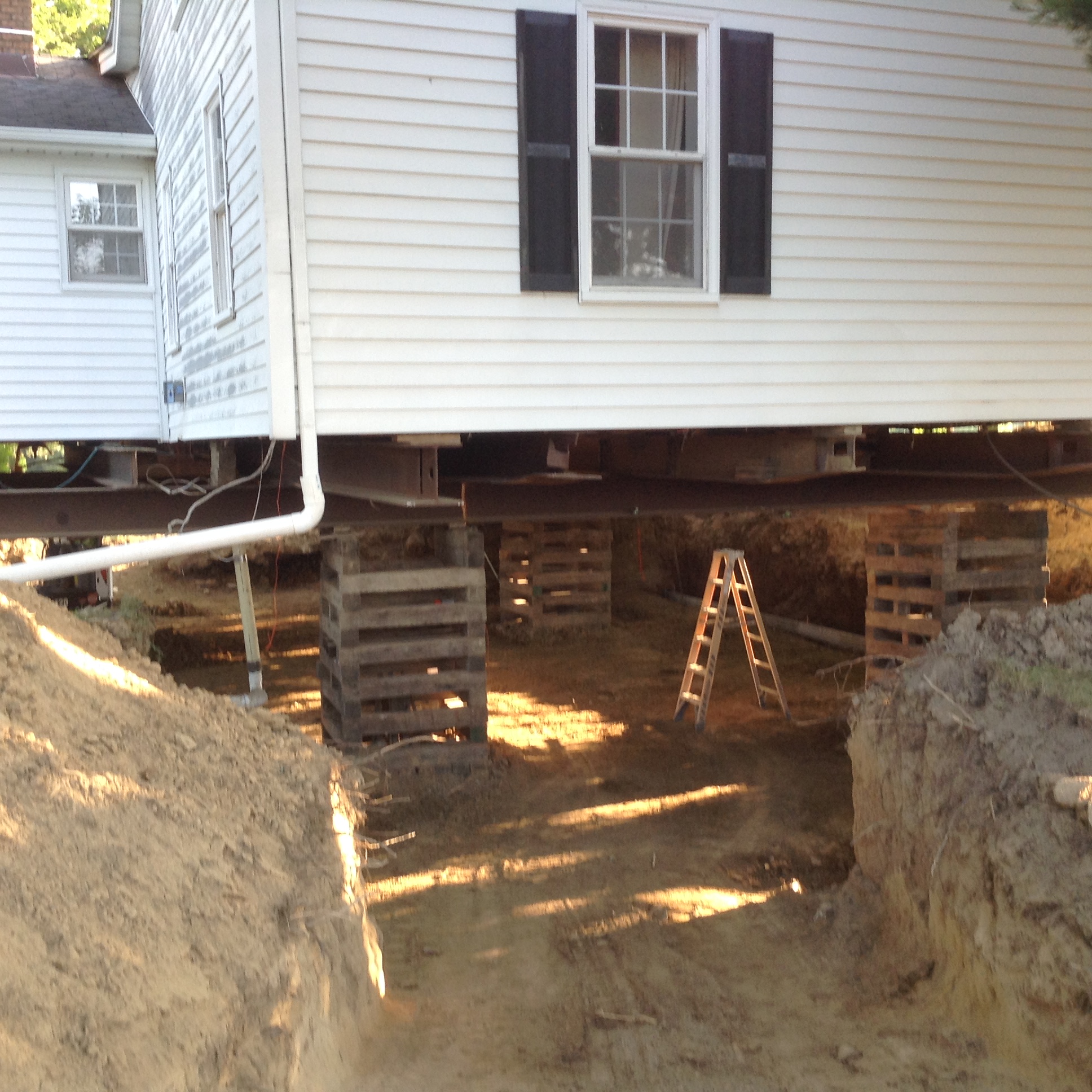
Image Source: klierstructuralmovers.com
The Allure of Subterranean Living
Why would someone undertake such a substantial project? The reasons are as varied as homeowners themselves.
- Adding Living Space: The most common driver is the desire for adding living space without altering the home’s footprint above ground. This preserves yard space and maintains the exterior aesthetic.
- Increased Home Value: A well-executed basement addition is a significant investment that typically yields a strong return in property value.
- Improved Functionality: Existing homes, especially older ones, may lack the storage or living areas needed by modern families.
- Creating Dedicated Zones: A basement can house a home gym, a workshop, guest quarters, or a recreational area, keeping noise and activity away from the main living spaces.
- Addressing Structural Needs: In some cases, the process of creating a basement can also involve foundation underpinning, which can strengthen or repair an existing foundation.
The Process of Basement Creation
Basement creation is not a DIY project. It demands expertise from various professionals. At its core, the process involves carefully excavating the earth beneath your existing home and then reinforcing and extending the foundation to create a new subterranean level. This is often called subterranean construction or a subterranean addition.
1. Feasibility Study and Planning
Before any dirt is moved, a thorough feasibility study is crucial. This involves:
- Geotechnical Survey: This examines the soil composition, water table, and load-bearing capacity of the ground beneath your home. Poor soil conditions or a high water table can significantly complicate the project and increase costs.
- Structural Engineering Assessment: A structural engineering basement expert will assess your existing foundation’s ability to withstand the temporary stresses of excavation and the long-term loads of the new basement structure. They will also design the necessary support systems.
- Permitting and Zoning: Local building codes and zoning regulations must be reviewed. Obtaining the necessary permits is a critical step.
2. Site Preparation and Shoring
Once plans are approved and permits secured, the actual work begins.
- Temporary Support: The most critical initial phase involves creating temporary supports for your entire home. This can involve hydraulic jacks, steel beams, and robust bracing to hold the house up while the excavation takes place. This is a highly technical process requiring precise calculations.
- Access and Egress: A plan for safely removing excavated soil and bringing in construction materials must be established. This might involve creating temporary ramps or chutes.
3. Basement Excavation
This is the most visually dramatic part of the process.
- Digging Out Basement: Skilled excavation crews, using heavy machinery, will carefully dig out the earth beneath your existing foundation. The depth of the excavation will be determined by the desired ceiling height of the new basement and any necessary structural considerations.
- Foundation Lowering: As the excavation progresses, the existing foundation walls will be carefully lowered and extended downwards. This is where foundation underpinning plays a vital role. New concrete footings and walls are poured to create the new basement structure.
- Waterproofing and Drainage: As the new foundation is built, comprehensive waterproofing and drainage systems are installed to prevent moisture intrusion. This typically includes exterior membranes, weeping tile systems, and sump pumps.
4. Foundation Underpinning and Extension
This is a critical structural element of basement creation.
- Underpinning Techniques: When lowering basement levels, the existing foundation must be supported and extended. This might involve techniques like:
- Mass Concrete Underpinning: Digging out small sections of the existing foundation at a time, pouring new concrete footings, and then extending the foundation walls upwards to meet the existing structure.
- Beam and Base Underpinning: Installing new steel beams and concrete bases to support the existing foundation.
- Piling: Driving piles into the ground to create a more stable base for the new foundation, especially in areas with challenging soil conditions.
- Pouring New Walls: Once the underpinning is complete, new concrete foundation walls are poured to create the perimeter of the new basement. These walls must be strong enough to support the house above and resist the lateral pressure of the surrounding soil.
5. Framing and Finishing
With the new basement structure in place, the focus shifts to making it a usable living space.
- Interior Framing: Walls are framed to create rooms, stairwells, and any other desired configurations.
- Utilities: Plumbing, electrical wiring, and HVAC systems are installed.
- Insulation and Drywall: The walls are insulated for temperature control and soundproofing, then covered with drywall.
- Finishing Touches: Flooring, painting, lighting, and fixtures are installed to complete the transformation.
Key Considerations and Challenges
While the prospect of a new basement is exciting, several factors can influence the feasibility and cost of such a project.
Structural Integrity and Existing Foundation
- H3: Assessing the Current Foundation: The age and condition of your existing foundation are paramount. Older foundations may require more extensive foundation underpinning or even complete reconstruction. A structural engineering basement report is non-negotiable.
- H3: Soil Conditions: As mentioned, soil stability is a major factor. Expansive clay soils, high water tables, or sandy conditions can complicate excavation and require more robust foundation designs.
The Excavation Process
- H3: Impact on the House: The temporary support system is designed to minimize disruption, but there will be some stress on the house. A reputable contractor will manage this meticulously.
- H3: Noise and Vibration: Expect significant noise and vibration during the excavation and concrete pouring phases.
- H3: Soil Disposal: The amount of soil removed can be substantial. You’ll need to account for the cost and logistics of its disposal.
Cost Factors
Adding a basement is a significant investment. Prices vary widely based on location, the size and complexity of the project, soil conditions, and the level of finish desired.
Table 1: Estimated Cost Breakdown (Illustrative)
| Cost Component | Typical Percentage of Total Cost | Notes |
|---|---|---|
| Excavation and Soil Removal | 15-25% | Varies greatly with soil type and site access. |
| Structural Engineering & Design | 5-10% | Essential for safety and compliance. |
| Foundation Underpinning & Pours | 20-30% | Includes footings, walls, waterproofing, and drainage. |
| Waterproofing & Drainage | 5-10% | Critical for preventing future problems. |
| Framing and Interior Work | 20-30% | Drywall, insulation, basic finishes. |
| Mechanicals (HVAC, Electrical, Plumbing) | 10-15% | Depends on the complexity of the new spaces. |
| Permits and Inspections | 2-5% | Varies by municipality. |
| Contingency | 10-15% | Highly recommended for unexpected issues. |
- H4: General Cost Estimate: In many regions, you can expect to pay anywhere from $50,000 to $150,000 or more for a professional basement excavation and finishing project, depending on the scope.
Local Regulations and Permits
- H4: Building Codes: Your local building department will have specific requirements for structural integrity, waterproofing, egress windows, and ventilation for any new habitable space.
- H4: Zoning Laws: Ensure that your subterranean addition complies with local zoning regulations regarding setbacks and property lines.
Egress Requirements
- H4: Safety First: Building codes mandate specific egress (exit) requirements for any habitable basement space. This typically means at least one bedroom-sized window that can be opened and allows escape, or a door leading directly outside.
Is It Right for Your Home?
The decision to add a basement is a significant one, and it’s not suitable for every existing home.
Factors Favoring a Basement Addition:
- H5: Strong Existing Foundation: If your home has a solid, well-constructed foundation, the project is likely more straightforward.
- H5: Good Soil Conditions: Stable, well-draining soil makes excavation and foundation work less challenging.
- H5: Adequate Yard Space: You’ll need room for excavation equipment and potentially for spoils removal.
- H5: Desire for Significant Space Increase: If you need a substantial amount of new living area, a basement is a highly efficient way to achieve it.
Factors Against a Basement Addition:
- H5: Poor Soil or High Water Table: These can dramatically increase costs and complexity, potentially making the project unfeasible.
- H5: Limited Yard Access: If your home is tightly surrounded by other structures or landscaping, access for heavy machinery can be a major hurdle.
- H5: Deteriorating Existing Foundation: If the current foundation is in poor condition, the cost of repair and underpinning might exceed the value of adding a basement.
- H5: Budget Constraints: This is a high-cost renovation. Ensure your budget can accommodate the extensive work required.
Choosing the Right Contractor
The success of your basement creation hinges on selecting a qualified and experienced contractor.
- H5: Specialized Experience: Look for contractors who specialize in basement excavation and lowering basement projects. This is not the same as a standard general contractor.
- H5: References and Portfolio: Ask for references from past clients who have had similar work done. Review their portfolios to assess the quality of their work.
- H5: Licensed and Insured: Ensure the contractor is fully licensed and insured to protect yourself from liability.
- H5: Detailed Contract: A clear, detailed contract outlining the scope of work, timeline, payment schedule, and warranties is essential.
Frequently Asked Questions (FAQ)
Q1: How long does it typically take to add a basement to an existing home?
A1: The process can take anywhere from 3 to 6 months, or even longer, depending on the complexity of the project, weather conditions, permit approval times, and the contractor’s schedule.
Q2: Will adding a basement significantly disrupt my daily life?
A2: Yes, there will be considerable disruption, including noise, vibration, and restricted access to certain parts of your home. Contractors aim to minimize this, but it’s an unavoidable aspect of such a major renovation.
Q3: What are the key waterproofing measures for a new basement?
A3: Essential waterproofing includes external membranes applied to the foundation walls, a perimeter drainage system (weeping tile) around the footings, and often an interior drainage system connected to a sump pump.
Q4: Can I add a basement to a home with a crawl space?
A4: Yes, it’s often more straightforward to add a basement to a home with a crawl space than to one with a slab foundation, as there’s already a void beneath the main floor. However, it still involves extensive structural work.
Q5: What are the egress requirements for a basement bedroom?
A5: Typically, a basement bedroom must have a window large enough for escape in an emergency, meeting specific size and sill height requirements. Alternatively, a door leading directly outside can also serve as egress.
Q6: Is it cheaper to build a new home with a basement than to add one to an existing home?
A6: Generally, yes. Building a new home from the ground up with a basement is usually more cost-effective than excavating and underpinning an existing structure. However, for homeowners who love their current location and home, adding a basement can be a viable alternative to moving.
Q7: What is foundation underpinning and why is it necessary for basement addition?
A7: Foundation underpinning refers to the process of strengthening or deepening an existing foundation. When you are digging out basement space or lowering basement levels, the original foundation may no longer be sufficient to support the house, or it needs to be extended downwards. Underpinning ensures the structural integrity of the entire house is maintained throughout and after the subterranean construction.
Q8: What is the role of a structural engineer in a basement addition project?
A8: A structural engineering basement specialist is crucial. They assess the existing structure, design the temporary support systems, plan the foundation underpinning and new foundation walls, and ensure the entire load of the house is safely supported during and after the subterranean addition. Their expertise is vital for safety and compliance with building codes.
Adding a basement to your existing home is a significant undertaking that can transform your living space and add substantial value to your property. While it presents considerable challenges and costs, with careful planning, the right team of professionals, and a clear understanding of the process, this ambitious project can indeed be a reality. It’s a journey from a solid foundation upwards, or in this case, downwards, to unlock new potential within the home you already love.