
Yes, you can plant a garden over a septic field, but it requires careful consideration and adherence to specific guidelines to ensure the health of both your plants and your septic system. This guide will walk you through the principles of safe septic system landscaping and septic mound gardening.
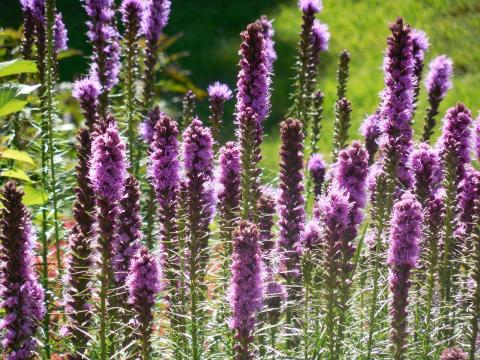
Image Source: extension.unh.edu
Fathoming Septic System Layout and Function
Before you grab your trowel, it’s crucial to understand how a septic system works and why its location is vital for safe gardening septic system practices. A septic system is an underground wastewater treatment system. It typically consists of a septic tank and a drain field (also known as a leach field or soil absorption field).
- Septic Tank: This is where wastewater from your home first goes. Solids settle at the bottom as sludge, and lighter materials like grease and oil float to the top as scum. The liquid wastewater, called effluent, then flows out to the drain field.
- Drain Field: This is a network of underground trenches or beds containing gravel or other aggregate material, through which perforated pipes are laid. The effluent from the septic tank slowly trickles out of these pipes into the soil. The soil acts as a natural filter, removing harmful bacteria, viruses, and nutrients before the water reaches groundwater.
Planting over septic tank areas is generally discouraged, but the drain field is where most landscaping decisions need careful thought. The drain field is the critical component for septic system landscaping.
Why Location Matters for Your Septic Field Plants
The health of your septic system directly impacts your ability to enjoy septic field plants and a thriving garden.
- Root System Interference: The primary concern is the root system septic field interaction. Vigorous root systems can clog or damage the pipes within the drain field, leading to costly repairs and system failure.
- Soil Saturation: Drain fields are designed to receive effluent. Planting water-loving plants that require consistent watering could oversaturate the soil, hindering the natural filtration process and potentially causing system backups.
- Contamination Risk: If the drain field is compromised, there’s a risk of surfacing wastewater, which can contaminate your garden and pose health hazards.
Designing Your Septic System Landscaping: What to Plant and What to Avoid
When it comes to septic leach field crops or any garden over a drain field, plant selection is paramount. The goal is to choose septic system friendly plants with shallow root systems that can tolerate the conditions.
Safe Choices for Your Septic Drain Field Vegetation
Focus on plants that are generally considered septic safe lawn alternatives or shallow-rooted groundcovers. These plants are less likely to damage the drain field’s infrastructure.
- Grasses: Many ornamental grasses have relatively shallow root systems and can add texture and visual interest. Examples include:
- Little Bluestem (Schizachyrium scoparium)
- Prairie Dropseed (Sporobolus heterolepis)
- Switchgrass (Panicum virgatum) (choose shorter cultivars)
- Perennials: Opt for perennials with fibrous, non-aggressive root systems.
- Coneflowers (Echinacea spp.)
- Daylilies (Hemerocallis spp.)
- Black-Eyed Susans (Rudbeckia spp.)
- Lavender (Lavandula spp.) (prefers well-drained soil, which is good for drain fields)
- Catmint (Nepeta spp.)
- Hostas (Hosta spp.) (generally shallow-rooted, but check specific varieties)
- Groundcovers: These are excellent options as they tend to have very shallow root systems.
- Creeping Thyme (Thymus spp.)
- Sedum (low-growing varieties)
- Violets (Viola spp.)
- Clover (Trifolium spp.)
Plants to Steer Clear Of for Septic Field Gardening
Avoid plants with deep, aggressive, or woody root systems. These are the primary culprits for damaging septic drain fields.
- Trees:
- Willows (especially weeping willows)
- Poplars and Aspens
- Maples
- Oaks
- Birches
- Pines
- Fruit trees (apple, cherry, plum)
- Shrubs:
- Forsythia
- Lilac
- Roses (especially old garden varieties with robust root systems)
- Bushes with aggressive spreading roots
- Vegetables: While some shallow-rooted vegetables might seem okay, it’s generally best to avoid planting edible crops directly over the drain field. The risk of contamination from bacteria in the soil, especially if there’s a minor system issue, is too high.
Planting Techniques for Safe Septic System Landscaping
The method of planting is as important as the choice of plants. Proper septic system landscaping techniques protect both your garden and your wastewater treatment system.
Excavation and Soil Considerations
- Shallow Digging: When planting, dig only as deep as necessary to accommodate the plant’s root ball. Avoid deep tilling or excavation that could disturb the drain field pipes or the surrounding soil structure.
- Soil Amendments: If your soil is compacted, you can add compost or other organic matter. However, do this sparingly and mix it into the top few inches of soil. Avoid heavy amendments that could alter the soil’s permeability too drastically or introduce excessive moisture.
- Drainage: Ensure that the area around your plants drains well. If you are working with a septic mound system, the mound itself is designed for drainage, but still, avoid creating depressions that collect water.
Mulching for Septic Mound Gardening
Mulching is beneficial for septic mound gardening and general septic field care.
- Benefits of Mulch:
- Moisture Retention: Helps retain moisture in the soil, reducing the need for frequent watering, which is good for the drain field.
- Temperature Regulation: Keeps the soil cooler in summer and warmer in winter, protecting the beneficial microbes in the soil that help treat wastewater.
- Weed Suppression: Reduces competition from weeds, which can also have intrusive root systems.
- Recommended Mulches:
- Wood chips
- Shredded bark
- Composted leaves
- Avoid Mulch Buildup: Do not let mulch pile up directly against the stems of plants, as this can promote rot and disease. Also, avoid excessively deep layers of mulch, which can hinder air circulation and moisture penetration to the soil.
Irrigation and Watering Practices
- Water Wisely: The most crucial rule for safe gardening septic system is to water only when necessary. The drain field needs to dry out periodically to function effectively.
- Avoid Overwatering: Especially during the initial establishment phase of plants, resist the urge to overwater. Check soil moisture by sticking your finger a few inches into the ground before watering.
- Consider Natural Rainfall: Rely on natural rainfall as much as possible.
- Drip Irrigation: If you must irrigate, consider using a drip irrigation system. This delivers water directly to the plant roots with minimal runoff and evaporation, preventing oversaturation of the entire area.
Special Considerations for Septic Mound Gardening
A septic mound is a constructed above-ground drain field. Septic mound gardening requires even more specific attention to the landscaping.
- Mound Design: Septic mounds are typically constructed with sandy fill material, which provides excellent drainage. The design is meant to elevate the drain field, allowing for proper treatment in areas with high groundwater or shallow soils.
- Planting on Mounds:
- Shallow-Rooted Plants are Key: Again, prioritize plants with shallow, fibrous root systems.
- Avoid Compaction: Do not drive heavy machinery or vehicles over the mound. Walk on established paths to avoid compacting the soil.
- Erosion Control: Use groundcovers and low-growing plants to help stabilize the mound and prevent erosion from wind and rain.
- Watering on Mounds: Mounds drain very quickly. While you don’t want to oversaturate the drain field, plants on a mound may require more consistent watering than those in a conventional drain field, especially during hot, dry periods. However, always err on the side of caution and avoid overdoing it.
Protecting Your Septic System: Long-Term Maintenance
Septic system landscaping is not a one-time task. Ongoing maintenance is crucial for the longevity of your system and the health of your garden.
Regular Septic System Inspections
- Professional Inspections: Have your septic system inspected by a qualified professional every 2-3 years. They can identify potential issues before they become major problems.
- Pump-Outs: Septic tanks need to be pumped out periodically to remove accumulated sludge and scum. The frequency depends on the tank size and household usage, but typically ranges from 3-5 years.
Monitoring Your Landscaping
- Observe Your Plants: Keep an eye on your plants. Wilting, stunted growth, or unusually lush green patches in the drain field area can indicate a problem with the septic system.
- Watch for Signs of System Failure: Signs of a failing drain field include sewage odors, slow drains, sewage backups, and unusually green, lush grass over the drain field. If you notice any of these, contact a septic professional immediately and cease all gardening activities in the affected area.
Creating a Septic Safe Lawn
If you’re considering a traditional lawn over your drain field, you’ll need to be particularly mindful of your plant choices and maintenance.
- Choosing Septic Safe Lawn Grasses:
- Turf-type Tall Fescue: Known for its deep root system, this can be a concern, but newer, finer-bladed varieties may be acceptable.
- Fine Fescues: Varieties like Creeping Red Fescue, Chewings Fescue, and Hard Fescue are often recommended for their less aggressive root systems and tolerance to shade and drought.
- Perennial Ryegrass: Has a shallower root system compared to some other grasses.
- Kentucky Bluegrass: Can have deeper roots and may not be the ideal choice.
- Mowing and Fertilizing:
- Mow Appropriately: Do not cut the grass too short, as this can stress the turf and make it more susceptible to disease.
- Fertilize Sparingly: Over-fertilizing can send excess nutrients into the soil, which could overwhelm the drain field’s treatment capacity. Use a slow-release fertilizer and follow application rates carefully. Avoid fertilizers with high phosphorus content.
- Aeration: Gentle aeration can improve soil health and drainage, but avoid deep core aeration that could damage pipes.
Can You Plant A Garden Over A Septic Tank?
While the drain field is the primary focus for landscaping, it’s also worth addressing whether you can plant over the septic tank itself. Planting over septic tank areas is generally not recommended for several reasons:
- Accessibility: You need to be able to access the septic tank for inspection and pumping. Planting dense shrubs or trees can make this process difficult and costly.
- Root Intrusion: While the tank itself is a sturdy structure, the access lids and surrounding pipes are vulnerable to root intrusion.
- Soil Compaction: Heavy plants or frequent foot traffic near the tank can compact the soil above it, potentially affecting its performance.
If you choose to landscape around the septic tank area, stick to very shallow-rooted groundcovers or very small, ornamental plants that are easy to remove. The area directly above the tank should ideally remain accessible and clear of dense vegetation.
Key Takeaways for Septic System Landscaping
Here’s a summary of essential points for successful septic system landscaping:
- Know Your System: Locate your septic tank and drain field. Consult your septic system design plans or have a professional mark the area.
- Choose Wisely: Select septic system friendly plants with shallow, fibrous root systems.
- Avoid Problem Plants: Steer clear of trees and shrubs with deep or aggressive roots.
- Plant Carefully: Dig shallowly and avoid disturbing drain field pipes.
- Mulch Appropriately: Use mulch to retain moisture and regulate soil temperature, but don’t let it pile up against plant stems.
- Water Mindfully: Water only when necessary and avoid overwatering.
- Maintain Regularly: Schedule regular inspections and pump-outs for your septic system.
- Observe and Act: Pay attention to your plants and system for any signs of trouble.
By following these guidelines, you can create a beautiful and functional landscape that complements your home while ensuring the long-term health and efficiency of your septic system. Enjoy your safe gardening septic system!
Frequently Asked Questions (FAQ)
Can I put a vegetable garden over my septic field?
It is generally not recommended to plant a vegetable garden directly over your septic field. While some shallow-rooted vegetables might seem suitable, the risk of contamination from bacteria in the soil is too high, especially if there’s a minor system issue. Stick to ornamental plants and grasses with shallow root systems.
What are the best plants for a septic mound?
For septic mound gardening, the best plants are those with shallow, fibrous root systems. Good choices include ornamental grasses, low-growing perennials like coneflowers and daylilies, and groundcovers like creeping thyme. Avoid trees and shrubs with deep or aggressive roots.
How deep can I dig when planting over a septic field?
You should only dig as deep as necessary to accommodate the plant’s root ball. Avoid deep tilling or any excavation that could disturb the drain field pipes or the surrounding soil structure. Aim for a depth of no more than 6-8 inches for most plantings.
What kind of mulch is best for a septic system?
Wood chips, shredded bark, and composted leaves are good options for mulching over a septic system. Mulch helps retain moisture, regulate soil temperature, and suppress weeds. Ensure the mulch layer is not excessively deep and doesn’t pile up against plant stems.
How do I know if my septic field is failing?
Signs of a failing septic field include persistent sewage odors, slow drains throughout the house, sewage backing up into the home, and unusually wet or green patches of grass over the drain field area. If you notice any of these symptoms, contact a septic professional immediately.