
Yes, you can often put a tiny home in your backyard, but it’s not as simple as just placing it there. The possibility hinges on local laws, zoning rules, and whether the structure meets specific requirements. This guide will walk you through everything you need to know about transforming your backyard into a space for a tiny home, covering ADU regulations, backyard cottage zoning, and the process of permitting for tiny homes.
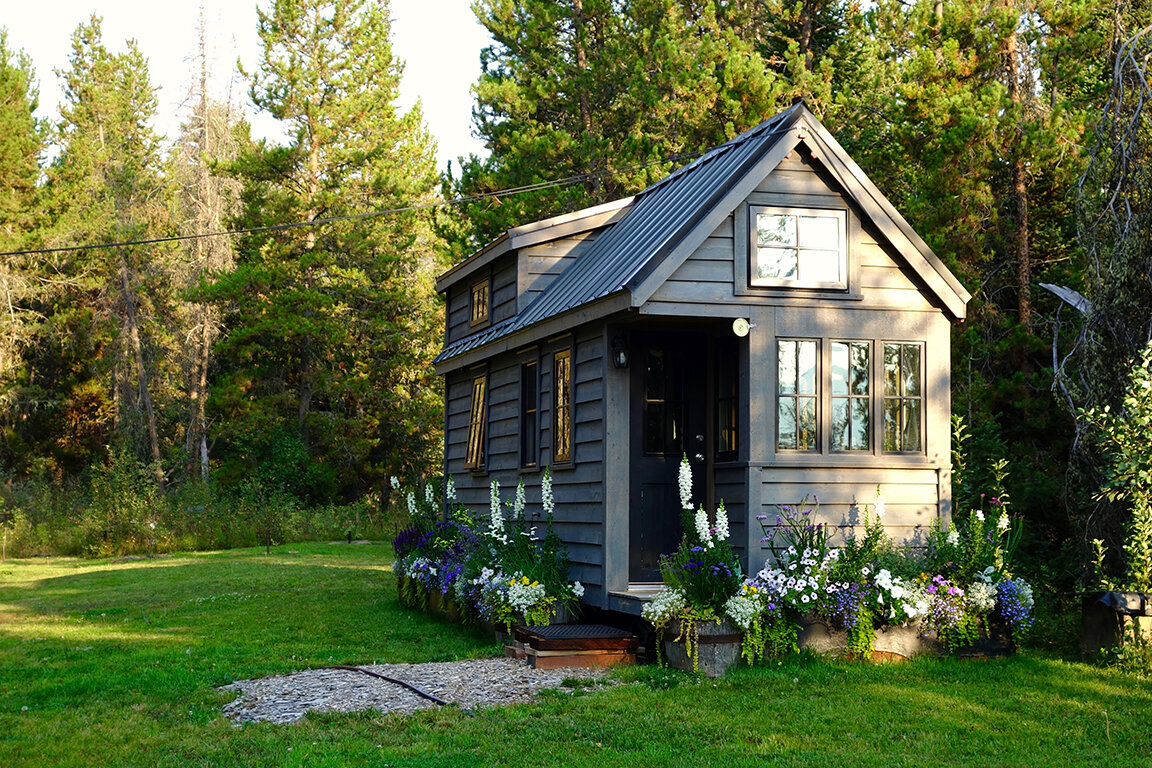
Image Source: images.squarespace-cdn.com
The Appeal of Backyard Tiny Homes
Tiny homes are more than just a trend; they represent a lifestyle choice for many. They offer affordability, a reduced environmental footprint, and the potential for flexible living arrangements. Placing a tiny home in your backyard can serve multiple purposes, from housing family members to generating rental income. It’s a smart way to utilize existing property and can be a cost-effective solution compared to traditional construction or purchasing another property. Think of it as creating a guest house backyard, a granny flat in your backyard, or a dedicated backyard guest suite.
Why Consider a Tiny Home in Your Backyard?
- Affordability: Tiny homes generally cost significantly less to build or buy than traditional houses.
- Lifestyle: Embracing a minimalist lifestyle can lead to less clutter and more focus on experiences.
- Rental Income: An accessory dwelling unit (ADU) can be rented out, providing a steady income stream.
- Family Housing: It’s an ideal solution for housing aging parents, young adult children, or visiting family.
- Office or Studio Space: It can serve as a dedicated workspace away from the main house.
- Reduced Environmental Impact: Smaller homes use fewer resources to build and maintain, and typically have lower utility bills.
Navigating the Legal Landscape: ADU Regulations and Zoning
The most crucial step in placing a tiny home in your backyard is understanding and complying with local laws. These are often referred to as accessory dwelling unit rules or backyard cottage zoning. Many cities and counties are becoming more open to ADUs, recognizing their benefits for housing affordability and smart growth. However, rules vary greatly from one location to another.
What are Accessory Dwelling Units (ADUs)?
An Accessory Dwelling Unit (ADU) is a second, smaller housing unit on a single-family residential lot. It can be attached to the existing home or stand alone. Common terms for ADUs include guest house backyard, granny flat in your backyard, and backyard guest suite. These units can be entirely separate structures or integrated into an existing home.
Key Aspects of ADU Regulations
- Zoning Laws: This is the foundation of legality. Your local zoning ordinances will dictate if ADUs are permitted on your property. They specify requirements like lot size, setback distances from property lines, and the number of ADUs allowed per lot.
- Size and Square Footage Limits: Many areas have maximum size requirements for ADUs. Tiny homes, by definition, fall within these smaller parameters, but it’s essential to check the specific limits.
- Occupancy: Regulations may dictate who can live in an ADU. Some are restricted to family members, while others can be rented to unrelated individuals.
- Parking Requirements: Some localities require you to provide adequate off-street parking for the ADU’s occupants.
- Utilities: You’ll need to ensure the ADU can be connected to existing utilities (water, sewer, electricity) or has independent hookups.
- Building Codes: The tiny home must meet all applicable building codes for safety and habitability, just like any other dwelling. This includes structural integrity, fire safety, and sanitation.
Decoding Backyard Cottage Zoning
Backyard cottage zoning is a specific type of zoning that permits the construction of detached accessory dwelling units, often referred to as “cottages” or “backyard homes.” These zones aim to increase housing density in established neighborhoods without dramatically altering their character. When looking into backyard cottage zoning, pay attention to:
- Permitted Use: Confirm that a detached ADU is a permitted use in your zoning district.
- Location on Lot: Zoning might specify where on the lot the ADU can be placed (e.g., not in the front yard, specific distances from the main house).
- Height Restrictions: There may be limits on how tall your tiny home can be.
- Architectural Compatibility: Some areas encourage ADUs that complement the style of the main home.
The Permitting Process for Tiny Homes
Permitting for tiny homes is a vital step. It ensures your backyard home build meets safety standards and legal requirements. The process typically involves submitting detailed plans and undergoing inspections.
Steps to Obtain Permits
- Research Local Ordinances: Start by visiting your city or county’s planning or building department website. Look for information on ADUs, guest houses, or accessory structures.
- Design and Plans: You’ll need professional plans for your tiny home. These should adhere to all local building codes and zoning requirements. This might involve an architect or designer familiar with ADU construction.
- Submit Application: Submit your building permit application along with all required documentation, including architectural drawings, site plans, and engineering calculations if necessary.
- Plan Review: City officials will review your plans to ensure they comply with all regulations. They may request revisions.
- Inspections: Once permits are issued, you’ll need to schedule various inspections during the construction process (foundation, framing, electrical, plumbing, etc.).
- Final Inspection and Certificate of Occupancy: After construction is complete, a final inspection will be performed. If everything passes, you’ll receive a Certificate of Occupancy, officially allowing you to inhabit the tiny home.
Types of Tiny Homes and Permitting
It’s important to distinguish between tiny homes on wheels (THOWs) and tiny homes on foundations.
- Tiny Homes on Foundations: These are generally treated as permanent structures and are subject to the same permitting and building codes as traditional homes, albeit on a smaller scale. They are more likely to be classified as legal ADUs.
- Tiny Homes on Wheels (THOWs): The legality of THOWs can be more complex. Many municipalities do not permit them as permanent residences due to their mobile nature. They might be allowed as temporary structures, RVs in designated areas, or not at all within city limits. Some jurisdictions have specific ordinances for THOWs, allowing them under certain conditions, often requiring them to be permanently anchored and connected to utilities. Always check local regulations regarding THOWs for long-term occupancy.
Designing Your Backyard Tiny Home
Once you’ve confirmed legality, the fun part begins: designing your tiny home! Whether you’re building from scratch or opting for a prefabricated unit, thoughtful design is key to maximizing space and functionality.
Considerations for Tiny Home Design
- Footprint and Placement: Where will it sit on your property? Consider sun exposure, access to utilities, and proximity to the main house.
- Layout: Think about how you’ll use the space. A common layout includes a living area, kitchen, bathroom, and sleeping loft or bedroom.
- Utilities: How will it connect to water, sewer/septic, and electricity? Will it have its own meter, or be sub-metered from the main house?
- Insulation and Ventilation: Crucial for comfort and energy efficiency, especially in varying climates.
- Storage: Built-in storage solutions are essential in tiny homes.
- Accessibility: If it’s for an aging relative, consider features like wider doorways, grab bars, and single-level living.
Building vs. Buying a Tiny Home
You have two primary routes for acquiring a tiny home:
- Building from Scratch: This offers the most customization but requires significant time, effort, and potentially skilled labor. It’s a true backyard home build.
- Purchasing a Prefabricated Unit: Many companies offer pre-built tiny homes. You might buy a shell to finish yourself or a fully completed unit. This can be faster and more predictable in terms of cost.
Costs Associated with Backyard Tiny Homes
The cost of putting a tiny home in your backyard can vary widely. It depends on the type of tiny home, the quality of materials, site preparation, and any necessary utility hookups.
Breakdown of Potential Costs
- Tiny Home Unit: This is the largest expense, ranging from $30,000 for a basic DIY build to over $150,000 for a high-end, professionally built unit.
- Site Preparation: Grading, foundation work, and landscaping can add several thousand dollars.
- Utility Connections: Running water, sewer, and electrical lines can be expensive, especially if existing lines are far away.
- Permits and Fees: Application fees, plan review fees, and inspection fees can add up.
- Design and Architectural Services: If you hire professionals, expect costs here.
- Landscaping and Fencing: To create a functional and private outdoor space.
- Contingency Fund: Always budget for unexpected expenses.
Here’s a sample cost estimate, which can vary greatly by region and specific choices:
| Cost Item | Estimated Range ($) | Notes |
|---|---|---|
| Tiny Home Unit | 30,000 – 150,000+ | DIY, shell, or fully finished |
| Site Preparation | 5,000 – 20,000 | Grading, foundation, excavation |
| Utility Connections | 5,000 – 25,000 | Water, sewer, electrical, gas |
| Permits & Fees | 1,000 – 5,000 | Varies by municipality |
| Design/Architect Fees | 2,000 – 10,000 | If professional plans are needed |
| Installation/Labor | 5,000 – 30,000 | For prefabricated units or custom builds |
| Landscaping/Outdoor Space | 2,000 – 10,000 | Patios, walkways, fencing |
| Total Estimated Cost | 50,000 – 250,000+ | Highly dependent on choices and location |
Common Questions About Backyard Tiny Homes
Can I put a tiny home on wheels in my backyard permanently?
This is highly dependent on local laws. Many areas do not permit THOWs as permanent residences, often classifying them as RVs. You need to check specific ordinances for your location, as some areas are adapting to allow THOWs under strict regulations, like being permanently affixed to a foundation and connected to utilities.
What is the difference between an ADU and a guest house?
Often, these terms are used interchangeably. An accessory dwelling unit (ADU) is a broad term for a second, smaller dwelling unit on a single-family lot. A guest house backyard is a specific type of ADU, often designed with visitors in mind. The legal definition and requirements are defined by local ADU regulations.
Do I need a separate address for my tiny home?
This depends on local post office policies and how the structure is permitted. In some cases, an ADU might receive its own mailing address, while in others, it might share the main house’s address with a unit number.
What if my city doesn’t allow ADUs?
If your local backyard cottage zoning or ADU laws are prohibitive, you might explore other options like:
* Advocating for changes in local ordinances.
* Looking into RV parks or tiny home communities if permanent backyard placement isn’t feasible.
* Considering a detached office or studio that doesn’t meet the definition of a habitable dwelling, if that suits your needs.
Is a granny flat the same as an ADU?
Yes, a granny flat in your backyard is a common term for an Accessory Dwelling Unit, especially one built to house elderly family members. The specifics of what constitutes a granny flat are dictated by accessory dwelling unit rules in your area.
Conclusion: Your Backyard Tiny Home Awaits
Placing a tiny home in your backyard is a rewarding venture that can offer financial benefits, lifestyle flexibility, and a unique living experience. However, success hinges on thorough research and diligent adherence to local ADU regulations and zoning laws. By familiarizing yourself with backyard cottage zoning, the permitting for tiny homes process, and the nuances of accessory dwelling unit construction, you can confidently navigate the path to creating your own backyard haven. Whether it’s a guest house backyard, a granny flat in your backyard, or simply a cozy backyard guest suite, the dream of a smaller, simpler footprint is within reach with careful planning and execution of your backyard home build.