
Yes, you absolutely can sell a mobile home, just like any other type of property. The process shares many similarities with selling a traditional stick-built house, but there are some unique steps and considerations to keep in mind to ensure a smooth and successful transaction. This guide will walk you through everything you need to know about selling a mobile home, from preparing it for sale to closing the deal.
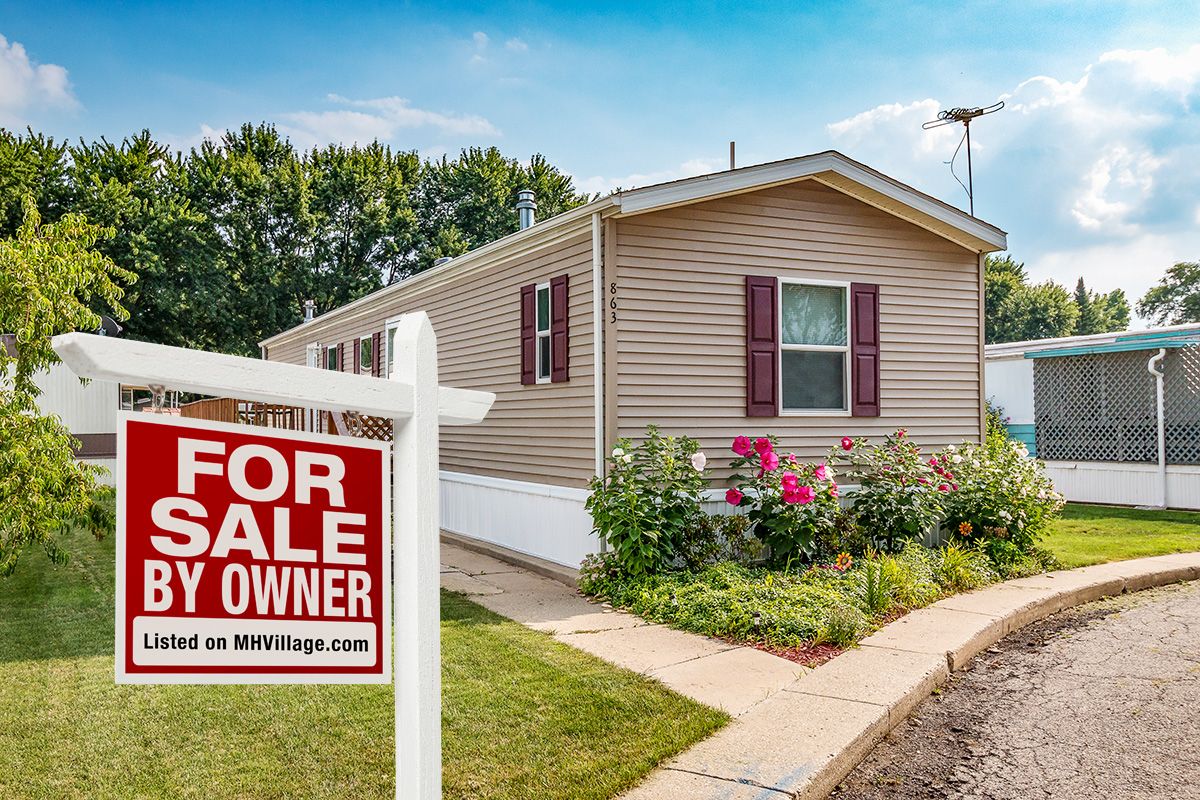
Image Source: resources.mhvillage.com
Preparing Your Mobile Home for Sale
Before you even think about listing your mobile home, taking the time to prepare it properly can significantly impact its appeal and selling price. Think of this stage as a crucial first impression for potential buyers.
Cleaning and Decluttering
This might sound basic, but a sparkling clean and clutter-free home is essential.
- Deep Cleaning: Go beyond a surface clean. Wash windows, clean out cabinets and appliances, scrub bathrooms and kitchens thoroughly, and pay attention to often-overlooked areas like baseboards and light fixtures.
- Declutter Ruthlessly: Remove personal items, excess furniture, and anything that makes the space feel cramped. Buyers need to envision their own belongings in the space.
- Depersonalize: Pack away family photos and personal collections. This helps buyers see the home as a potential canvas for their own lives.
Minor Repairs and Updates
Addressing small issues can prevent potential buyers from finding reasons to negotiate the price down.
- Fix Leaks: Dripping faucets or running toilets are easy fixes that signal neglect.
- Patch Holes: Small holes in walls or ceilings should be patched and painted.
- Tighten Loose Fixtures: Loose doorknobs, cabinet handles, or light fixtures can be easily tightened.
- Paint: A fresh coat of neutral paint can make a huge difference in making the interior feel modern and inviting.
- Landscaping: If your mobile home is on its own land, tidy up the yard, mow the lawn, trim bushes, and add some colorful flowers for curb appeal.
Addressing Mobile Home Specifics
Mobile homes, often referred to as manufactured homes, have unique aspects that buyers will scrutinize.
- Skirting: Ensure the skirting around the base of the home is in good condition. Replace any damaged or missing sections.
- The Roof: Inspect the roof for any damage or leaks. Address any issues promptly.
- The Foundation/Anchoring: While buyers might not inspect this themselves, any obvious problems with anchoring or the foundation can be a red flag.
- Appliances: Ensure all appliances included in the sale are in good working order. Consider cleaning them thoroughly.
Pricing Your Mobile Home Correctly
Setting the right price is critical for attracting buyers and maximizing your return.
Conducting a Mobile Home Appraisal
A professional mobile home appraisal is highly recommended. An appraiser will assess your home’s condition, age, features, and compare it to recently sold comparable homes in your area. This provides an objective valuation.
Researching the Market
- Comparable Sales: Look at mobile home sales data for similar homes in your area. Websites like Zillow, Redfin, or local real estate listing services can be helpful, though you might need to filter specifically for manufactured homes.
- Location, Location, Location: The value of your mobile home is heavily influenced by its location. Is it in a well-maintained park or on private land? What is the desirability of the neighborhood?
- Condition and Age: Newer homes in excellent condition will command higher prices than older, more worn ones.
Factors Influencing Price
- Year of Manufacture: Older homes will generally be worth less.
- Size and Layout: Square footage and the number of bedrooms/bathrooms are key.
- Features and Upgrades: Modern kitchens, updated bathrooms, energy-efficient windows, and quality appliances add value.
- Lot Rent/Land Ownership: If your mobile home is in a park, the monthly lot rent is a significant factor. If you own the land, this adds considerable value.
- Condition: As mentioned, the overall upkeep and condition are paramount.
Selling Strategies: Finding the Right Buyer
Once your mobile home is prepped and priced, it’s time to think about how you’ll reach potential buyers.
Selling “For Sale By Owner” (FSBO)
This approach gives you maximum control and saves on commission fees.
- Create a Compelling Listing: Use high-quality photos and write a detailed, honest description highlighting your home’s best features.
- Advertising: Post your listing on popular online platforms like Craigslist, Facebook Marketplace, and specialized manufactured home listing websites.
- Signage: Place a “For Sale” sign in front of your home if it’s on private land.
- Open Houses: Host open houses to allow potential buyers to view the property.
Hiring a Mobile Home Broker
A mobile home broker specializes in selling manufactured homes and can be a valuable asset.
- Expertise: Brokers have established networks and understand the intricacies of selling a manufactured home.
- Marketing Reach: They often have access to broader advertising channels and professional marketing tools.
- Negotiation Skills: A good broker can help you negotiate the best price and terms.
- Paperwork: They are experienced with the necessary legal documentation, such as the mobile home title and purchase agreements.
The Selling Process: Step-by-Step
Navigating the sale of a mobile home involves several key stages.
Listing Your Mobile Home
Whether you list it yourself or with a broker, your listing needs to be attractive.
- Photos: Take clear, well-lit photos of every room, the exterior, and any desirable features.
- Description: Be honest and thorough. Mention the year, make, model, size, number of bedrooms/bathrooms, and any recent upgrades.
- Key Information: Include details about lot rent (if applicable), included appliances, and any special features.
Showings and Negotiations
- Be Prepared: Keep your home clean and tidy for showings.
- Answer Questions: Be ready to answer questions about the home, its history, and the selling process.
- Negotiate Offers: When you receive an offer, carefully review the terms. You can accept, reject, or counter the offer.
The Mobile Home Purchase Agreement
Once you and the buyer agree on a price and terms, a mobile home purchase agreement will be drafted. This is a legally binding contract.
- Key Elements: This document typically includes:
- Names of buyer and seller
- Description of the property
- Purchase price
- Financing contingencies (if the buyer needs a loan)
- Inspection contingencies
- Closing date
- Earnest money deposit
- Any included personal property (appliances, furniture)
- Review Carefully: It’s wise to have a legal professional review the agreement before signing.
Inspections and Contingencies
Most buyers will want to conduct inspections.
- General Home Inspection: This assesses the overall condition of the home.
- Specialized Inspections: Depending on the age and type of mobile home, inspections might include plumbing, electrical, or HVAC systems.
- Addressing Issues: If an inspection reveals issues, you may need to negotiate repairs or a price adjustment.
Financing and Mobile Home Loans
Many buyers will need mobile home financing.
- Buyer’s Responsibility: The buyer is typically responsible for securing financing.
- Types of Loans: Mobile homes can be financed with personal loans, chattel loans (loans specifically for manufactured homes not affixed to land), or traditional mortgages if they are permanently affixed to a foundation on owned land.
- Pre-Approval: Encourage buyers to get pre-approved for a loan to ensure they are serious and qualified.
The Mobile Home Title Transfer
The mobile home title is the legal document proving ownership, similar to a car title.
- Importance: This document is crucial for transferring ownership.
- Process: The process for transferring the title varies by state. It generally involves:
- Ensuring there are no liens on the title.
- Completing a transfer of ownership section on the title.
- Submitting the title to the relevant state agency (often the DMV or a similar department) for re-issuance in the buyer’s name.
- Lien Release: If there’s an outstanding loan on the mobile home, the lender must provide a lien release once the loan is paid off.
Closing the Deal
The final stage involves transferring ownership and funds.
Preparing for Closing
- Final Walk-Through: The buyer will likely want a final walk-through to ensure the home is in the agreed-upon condition.
- Gather Documents: Have your mobile home title, identification, and any other required documents ready.
The Closing Appointment
This is where the sale is finalized.
- Signing Documents: You and the buyer will sign all necessary paperwork, including the mobile home purchase agreement and title transfer documents.
- Funds Transfer: The buyer’s funds will be transferred to you, usually via a cashier’s check or wire transfer.
- Key Exchange: Once funds are confirmed, you’ll hand over the keys to the buyer.
Considering Mobile Home Relocation
If you’re selling a mobile home that you intend to move, mobile home relocation is a major consideration.
Who Handles Relocation?
- Seller Responsibility: In most cases, if the buyer wants the home moved, they will arrange and pay for the relocation.
- Buyer Responsibility: The buyer will need to arrange for a licensed and insured moving company. They will also need to ensure they have a legal place to put the mobile home.
The Cost and Complexity of Moving
- Expensive: Moving a manufactured home is a significant expense, involving specialized trucks, permits, and skilled labor.
- Permits and Regulations: Moving a home often requires permits and adherence to specific road regulations.
-
Damage Risk: There’s always a risk of damage during transit.
-
Note: If your mobile home is permanently affixed to land you own and intended to remain there, relocation is not a factor in the sale.
Selling a Used Mobile Home: Specific Challenges and Tips
Selling a used mobile home has its own set of considerations.
Condition is Key
As the home is used, its condition will be scrutinized more closely. Regular maintenance and addressing wear and tear are crucial.
Age and Depreciation
Mobile homes, like vehicles, depreciate over time. The older the home, the lower its market value will likely be, unless significant upgrades have been made.
Finding Buyers for Used Homes
Buyers looking for used mobile homes are often seeking affordability. They may be willing to overlook minor cosmetic issues if the price is right and the structure is sound.
Financing for Used Mobile Homes
Securing financing for older used mobile homes can sometimes be more challenging for buyers, as lenders may have specific age or condition requirements.
Common Pitfalls to Avoid
When selling a mobile home, be aware of potential traps.
Unrealistic Pricing
Overpricing your home will deter buyers. Be realistic about its value based on market conditions and its condition.
Poor Presentation
A neglected or poorly maintained home will sit on the market longer and likely sell for less.
Legal and Title Issues
Ensure your mobile home title is clear of liens and that you have all the necessary documentation. Any complications here can derail a sale.
Inadequate Marketing
Failing to properly market your home means fewer potential buyers will see it.
Not Being Prepared for Negotiations
Be ready to negotiate on price and terms. Having a clear idea of your bottom line beforehand is helpful.
Frequently Asked Questions (FAQ)
Can I sell a mobile home that is still in a mobile home park?
Yes, you can. However, the buyer will need to qualify for residency in the park and agree to the park’s rules and lot rent. The park owner may also have a say in the sale or require a transfer fee.
Do I need a real estate agent to sell a mobile home?
Not necessarily. You can sell it yourself (FSBO). However, a specialized mobile home broker can be very beneficial due to their expertise in the market and the paperwork involved.
What is the difference between a mobile home and a manufactured home?
The terms are often used interchangeably. “Mobile home” typically refers to homes built before June 15, 1976, when the HUD code for manufactured housing was established. “Manufactured home” refers to homes built after that date, adhering to federal construction and safety standards.
How long does it typically take to sell a mobile home?
The timeframe can vary greatly depending on the market, pricing, condition of the home, and how it’s marketed. It could take a few weeks to several months.
What if my mobile home is permanently attached to a foundation?
If your mobile home is on a permanent foundation and is considered real property, you may be able to get a traditional mortgage for it, and the selling process might more closely resemble selling a site-built home. You’ll still need to ensure proper documentation for the land and the home.
Selling a mobile home involves a unique set of steps, but with proper preparation, realistic pricing, and a clear understanding of the process, you can successfully navigate the sale. Whether you choose to sell it yourself or enlist the help of a mobile home broker, focusing on presenting your home in the best possible light and managing the legal and financial aspects diligently will lead to a more positive outcome.