
Image Source: lirp.cdn-website.com
Can You Use Drano on Kitchen Sink?
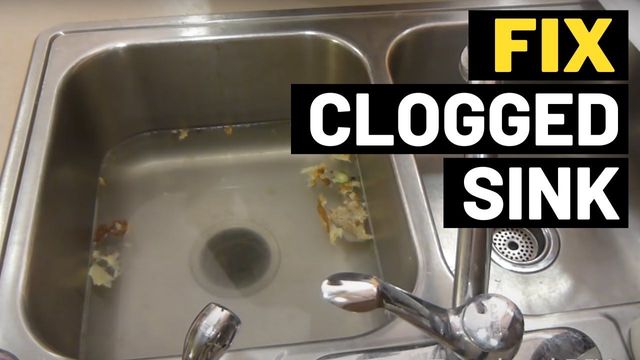
Yes, you can use Drano on a kitchen sink, but it’s crucial to know the specifics and potential risks involved. Drano is a popular brand of chemical drain cleaner designed to help unclog kitchen sink pipes. However, not all Drano products are created equal, and using the wrong type or using it incorrectly can cause damage to your plumbing or pose safety hazards. This guide will delve into the intricacies of using Drano on your kitchen sink, exploring alternatives, and offering tips for effective kitchen drain maintenance.
Fathoming the Function of Drain Cleaners
Drain cleaners, like Drano, work by employing strong chemicals to break down common sink clogs. These clogs are often caused by a buildup of grease, food particles, soap scum, and hair. The chemicals in drain cleaners typically operate in one of two ways:
- Caustic Cleaners: These use alkaline chemicals (like sodium hydroxide, also known as lye) to break down organic matter like grease and hair through a process called saponification. They essentially turn fats and oils into a soapy substance that can be washed away.
- Oxidizing Cleaners: These use chemicals like bleach (sodium hypochlorite) or peroxide to break down clogs by releasing oxygen, which helps to dissolve the blockage.
When you pour a drain cleaner into a clogged kitchen sink, the chemicals react with the clog. This reaction can generate heat, which helps to loosen stubborn blockages. The dissolved clog can then be flushed away with water.
Evaluating Drano Products for Your Kitchen Sink
Drano offers a variety of products, and it’s essential to select the right one for your kitchen sink.
Types of Drano and Their Suitability
- Drano Max Build-Up Removal: This is often a good choice for kitchen sinks as it targets grease and food clogs.
- Drano Kitchen Granules: Specifically formulated for kitchen drains, these granules are designed to tackle grease and food waste.
- Drano Max Gel Clog Remover: The gel formulation allows it to cling to vertical pipe surfaces, giving it more contact time with the clog. This can be effective for tough kitchen sink clogs.
- Drano Dual Force: This product combines both caustic and oxidizing agents, making it powerful but potentially more aggressive.
It’s vital to read the product label carefully to ensure it’s recommended for kitchen sink drains and the type of clog you’re experiencing. Some Drano products are designed for bathroom drains, which may have different clog compositions (e.g., more hair). While a bathroom drain cleaner might work in a pinch, it’s best to use a product formulated for kitchen sinks to optimize effectiveness and minimize potential issues.
When to Be Cautious with Drano
While Drano can be an effective tool for an unclogged kitchen sink, there are situations where its use is not recommended:
- Older Pipes: If your home has old, corroded, or weakened pipes, the harsh chemicals in Drano can exacerbate existing damage, potentially leading to leaks or bursts.
- Septic Systems: Some chemical drain cleaners can disrupt the beneficial bacteria in septic systems. Always check if the Drano product is septic-safe before use.
- Partial Clogs: If you only have a slow drain and not a complete blockage, Drano might just sit in the trap and corrode your pipes over time without effectively clearing the obstruction.
- Multiple Treatments: Never use Drano multiple times in a short period. This increases the risk of pipe damage and chemical buildup.
- When You Don’t Know the Cause: If you’re unsure what’s causing the clog, a chemical drain cleaner might not be effective and could even make the situation worse.
How to Use Drano Safely and Effectively on Your Kitchen Sink
If you decide that Drano is the right plumbing solution for your clogged kitchen sink, follow these steps meticulously to ensure safety and effectiveness. This is how to unclog a drain using this product.
Pre-Application Steps
- Identify the Clog: Try to determine what might be causing the clog. Is it likely grease, food debris, or something else?
- Remove Standing Water: If your sink is full of water, bail out as much as possible using a bucket and cup. This allows the Drano to reach the clog directly.
- Ensure Ventilation: Open windows and turn on exhaust fans. Drano fumes can be strong and irritating.
- Wear Protective Gear: This is non-negotiable. Wear rubber gloves, eye protection (goggles are best), and old clothing. Drano can cause severe burns on skin and damage surfaces.
Application Process
- Read the Label: Follow the specific instructions on the Drano product you are using. Each product may have slightly different application methods.
- Pour Slowly: Carefully pour the recommended amount of Drano directly into the drain opening. Avoid splashing.
- Wait: Allow the Drano to sit for the time specified on the product label (usually 15-30 minutes, sometimes longer for tougher clogs). Do not let it sit for excessive periods, as this increases the risk of pipe damage.
- Flush with Water: After the waiting period, flush the drain thoroughly with plenty of hot water. Use hot tap water, not boiling water, as boiling water can sometimes damage PVC pipes.
Post-Application Procedures
- Check for Flow: See if the water drains freely. If the clog persists, you might need to repeat the process, but only if the instructions permit and you are confident about the safety of your pipes.
- Clean Up: Carefully dispose of any Drano containers according to local regulations. Rinse any tools or surfaces that may have come into contact with the product.
Alternatives to Chemical Drain Cleaners for Kitchen Sink Clogs
While Drano can be a go-to for an unclogged kitchen sink, there are safer and often more effective methods for clearing a kitchen pipe cleaner scenario, especially for routine maintenance or less severe clogs. These methods are generally better for your pipes and the environment.
Natural and DIY Solutions
- Hot Water and Dish Soap: For minor grease clogs, pour a generous amount of dish soap down the drain, followed by a pot of hot (not boiling) water. The soap helps break down grease, and the hot water flushes it away.
- Baking Soda and Vinegar: This classic combination creates a fizzing reaction that can help loosen clogs. Pour about half a cup of baking soda down the drain, followed by half a cup of white vinegar. Let it sit for about 30 minutes, then flush with hot water.
- Plunger: A sink plunger can be very effective for dislodging clogs. Ensure there’s enough water in the sink to cover the plunger’s cup. Create a tight seal around the drain and pump vigorously.
- Drain Snake or Auger: This is a flexible metal cable that you feed into the drain to physically break up or pull out the clog. It’s an excellent tool for removing hair or larger debris that chemical cleaners can’t handle. This is a great kitchen drain maintenance tool.
- Boiling Water: For minor grease clogs, pouring a kettle of boiling water down the drain can help melt away the grease. Be cautious with PVC pipes; very hot water might soften them over time.
Professional Plumbing Solutions
If DIY methods fail, or if you suspect a more serious issue, it’s time to call a professional plumber. They have specialized tools and expertise to diagnose and resolve even the most stubborn clogs. They can also assess the overall health of your plumbing system and recommend appropriate kitchen drain maintenance strategies.
Deciphering the Science of Clogs
Understanding what causes kitchen sink clogs is key to preventing them. Common culprits include:
- Grease and Oils: When hot grease is poured down the drain, it cools and solidifies, coating the inside of pipes. Over time, this builds up, restricting water flow.
- Food Scraps: Small particles of food, coffee grounds, and eggshells can accumulate and form dense blockages.
- Soap Scum: While less common in kitchen sinks than bathroom drains, soap scum can contribute to clogs, especially when mixed with grease.
- Foreign Objects: Small utensils, bottle caps, or other items accidentally dropped down the drain can cause blockages.
Fathoming the Long-Term Health of Your Drains
Regular kitchen drain maintenance is crucial to prevent clogs and extend the life of your plumbing.
Preventive Measures
- Scrape Plates: Scrape food scraps into the trash or compost bin before rinsing dishes.
- Use a Sink Strainer: This simple device catches food particles and debris, preventing them from entering the drain.
- Avoid Pouring Grease Down the Drain: Collect grease in a container and dispose of it in the trash once cooled.
- Run Hot Water Regularly: After using the sink, run hot water for a minute to help flush away any residual grease or small particles.
- Monthly Maintenance: Consider using a natural drain cleaner like a baking soda and vinegar mixture or pouring hot water down the drain once a month as a preventive measure.
When to Seek Professional Help
- Persistent Clogs: If a clog returns frequently despite your best efforts.
- Multiple Drains Affected: If several drains in your home are slow or clogged, it could indicate a main line blockage.
- Foul Odors: Persistent bad smells from the drain can signal a buildup of waste or a deeper problem.
- Signs of Damage: If you notice leaks, rust, or unusual noises from your pipes.
Comparing Drano to Other Drain Cleaners
While this article focuses on Drano, it’s worth noting that other brands offer similar products. The principles of safe usage and effectiveness remain largely the same. Some might argue that enzymatic drain cleaners are a safer alternative as they use bacteria to break down organic waste over time, rather than harsh chemicals. However, these often work more slowly and are better suited for maintenance than immediate clog removal. When choosing a kitchen pipe cleaner, always prioritize products labeled for kitchen use and consider the potential impact on your specific plumbing system.
Table: Drano vs. Natural Drain Cleaning Methods
| Feature | Drano (Chemical Drain Cleaner) | Natural Methods (Baking Soda/Vinegar, Hot Water) | Drain Snake/Auger (Mechanical) |
|---|---|---|---|
| Effectiveness | High for grease, hair, and soap scum. Quick acting. | Moderate for minor clogs, grease, and buildup. Slower acting. | High for solid obstructions, hair, and dense clogs. |
| Speed | Fast (often within minutes to hours). | Slower, may require multiple applications. | Immediate once the clog is reached and removed. |
| Safety | Can be hazardous if mishandled. Can damage pipes, skin, eyes. | Generally safe for pipes and users when used correctly. | Safe for pipes, but can cause minor nicks if used carelessly. |
| Environmental Impact | Chemicals can be harmful if not disposed of properly. | Eco-friendly. Biodegradable. | No chemicals involved. |
| Pipe Compatibility | Can damage older, corroded, or PVC pipes. Use with caution. | Safe for most types of pipes. | Safe for most types of pipes. |
| Best For | Stubborn clogs when other methods fail. | Minor clogs, regular maintenance, preventing buildup. | Tangled hair, solid objects, deep-seated clogs. |
| Cost | Moderate per use. | Very low. | Low to moderate initial investment for a tool. |
Frequently Asked Questions About Using Drano on Kitchen Sinks
Q1: Is Drano safe for all kitchen pipes?
No, Drano is not safe for all kitchen pipes. It can damage older, corroded, or weakened pipes. It’s also important to check if the product is safe for PVC pipes, as prolonged exposure or overuse can potentially soften them. Always check product labels and consider the age and material of your pipes.
Q2: How often can I use Drano on my kitchen sink?
You should use Drano as infrequently as possible. It is not a product for regular kitchen drain maintenance. Ideally, you should only use it for a stubborn clog when other methods have failed. Overuse can lead to pipe damage and dangerous chemical buildup.
Q3: What should I do if Drano doesn’t unclog my kitchen sink?
If Drano doesn’t work, do not immediately pour more Drano or another chemical cleaner. This can create a dangerous situation with a sink full of corrosive chemicals. Instead, try a mechanical method like a drain snake or call a professional plumber.
Q4: Can I mix Drano with other drain cleaners or cleaning products?
Absolutely not. Mixing Drano with other drain cleaners or household chemicals (like bleach or ammonia) can create toxic fumes or dangerous chemical reactions. Always use Drano by itself and ensure no other cleaning products have been recently used in the drain.
Q5: What are the signs that Drano has damaged my pipes?
Signs of pipe damage from Drano can include leaks under the sink, visible corrosion on exposed pipes, or a persistent metallic smell. If you suspect damage, stop using chemical drain cleaners immediately and consult a plumber.
In conclusion, while Drano can be a tool to help unclog a kitchen sink, it should be used with extreme caution and only when necessary. Prioritizing safer, natural methods and good kitchen drain maintenance practices will serve your plumbing system and your health far better in the long run. When in doubt, always call a professional.