
What is the best way to can homemade cranberry sauce? The best way to can homemade cranberry sauce is through water bath canning, a safe and effective method for preserving high-acid foods like fruit. This process ensures your delicious homemade creation remains shelf-stable and ready to enjoy whenever the craving strikes.
Canning homemade cranberry sauce transforms a seasonal treat into a year-round pantry staple. Imagine cracking open a jar of vibrant, tart-sweet goodness in the middle of summer, a delightful reminder of festive holidays. This guide will walk you through the entire process of preserving cranberry sauce so you can confidently create your own homemade cranberry sauce jar for any occasion. We’ll delve into the specifics of canning fruit, compare it to canning vegetables in terms of process, and discuss the crucial elements of home canning, including sterilization and the safety of water bath canning.
Cranberry sauce, with its bright flavor and beautiful color, is a perfect candidate for home preservation. Unlike some vegetables that require pressure canning due to their lower acidity, fruits like cranberries fall squarely into the water bath canning category. This makes the process accessible even for beginners in food preservation.
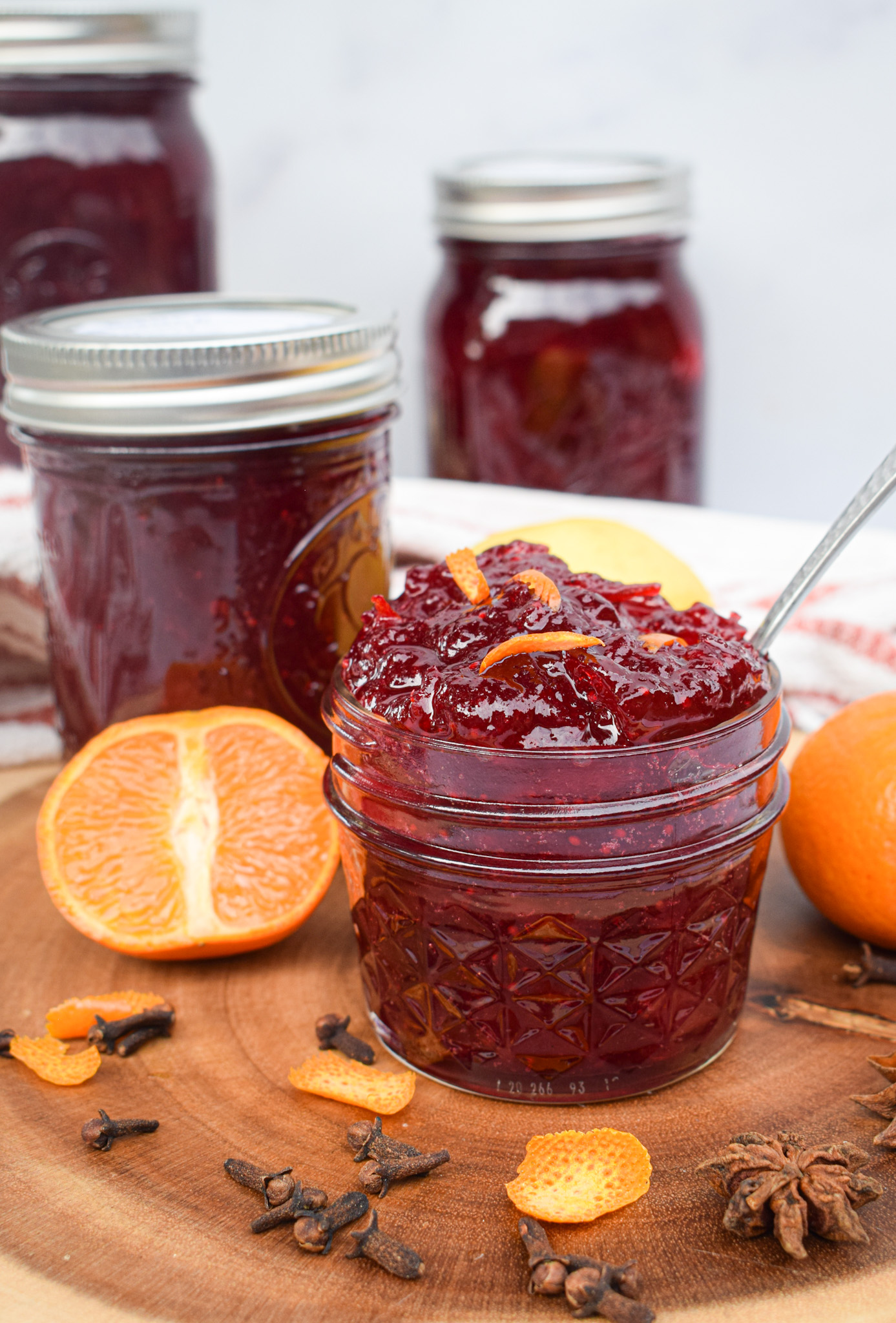
Image Source: jamjarkitchen.com
Why Can Your Own Cranberry Sauce?
The allure of canning your own cranberry sauce goes beyond mere convenience. It’s about control, flavor, and a deep sense of accomplishment.
Flavor Control
Store-bought cranberry sauce often comes with a lengthy ingredient list, featuring corn syrup, artificial flavors, and preservatives. When you make it yourself, you dictate the ingredients. Want a hint of orange zest? A touch of cinnamon? Perhaps a splash of port wine? Canning allows you to customize the flavor profile to your exact preferences. You can control the sweetness, the tartness, and add spices that complement your family’s taste.
Cost Savings
While the initial investment in canning supplies might seem significant, in the long run, canning your own cranberry sauce can be quite economical. Buying cranberries in bulk during their peak season, when they are often on sale, and preserving them allows you to enjoy this delicacy at a fraction of the cost of pre-made options.
Reduced Waste
Canning is a fantastic way to prevent food waste. When cranberries are abundant and affordable, you can process large batches, ensuring none go to spoilage. This practice is also a key component of food preservation in general, allowing you to utilize seasonal produce at its best.
Shelf-Stable Goodness
The primary benefit of canning is creating shelf-stable food. Properly canned cranberry sauce can last for a year or even longer, making it a valuable addition to your pantry. This means you’re always prepared for holiday gatherings or unexpected dinner guests.
The Art of Canning Cranberry Sauce: A Comprehensive Guide
Canning cranberry sauce is a straightforward process, primarily relying on the principles of water bath canning. This method is ideal for high-acid foods, ensuring they are safely preserved.
Essential Equipment for Canning
Before you begin, gather your canning supplies. Having everything ready will make the process smooth and efficient.
- Canning Jars: Use Mason jars specifically designed for canning. These jars have wide mouths and come with two-piece lids (flat metal lids with sealing compound and screw bands). Ensure they are the correct size for your desired portions. Common sizes include half-pint (8 oz), pint (16 oz), and quart (32 oz).
- New Lids: Always use new flat metal lids for each canning session. The sealing compound can degrade with reuse. Screw bands can be reused as long as they are not rusted or damaged.
- Water Bath Canner: A large pot with a rack at the bottom is essential. The rack keeps the jars elevated, allowing water to circulate freely around them. The canner should be large enough to hold several jars and allow at least 1-2 inches of water above the tops of the jars.
- Jar Lifter: This tool is crucial for safely lowering and lifting hot jars into and out of the boiling water bath.
- Canning Funnel: A wide-mouth funnel helps fill jars without messy spills.
- Lid Wand (Optional): A magnetic lid wand helps lift hot lids from the simmering water without burning your fingers.
- Headspace Tool/Bubble Remover: This tool helps ensure proper headspace and removes air bubbles from the jars before sealing.
- Clean Towels and Pot Holders: For handling hot jars and lids.
Preparing Your Jars and Lids: The Foundation of Sterilization
Proper sterilization of your canning jars and lids is paramount for safe home canning. This step prevents spoilage and ensures a good seal.
- Washing Jars: Wash jars, lids, and bands in hot, soapy water. Rinse them thoroughly. You can use a dishwasher with a sanitize cycle, or wash by hand and rinse well.
- Heating Jars: Keep the jars hot until they are filled. This prevents them from breaking when they come into contact with the hot cranberry sauce. You can keep them in the hot dishwasher, submerged in hot water in the canner, or in a warm oven (around 225°F or 107°C).
- Heating Lids: Place the flat metal lids in a small saucepan with water and heat them gently. Do not boil them. They just need to be warm and the sealing compound softened.
- Washing Bands: Bands do not need to be sterilized, but they should be clean.
The Canned Cranberry Sauce Recipe
Here’s a basic yet delicious canned cranberry sauce recipe that’s perfect for canning.
Yields: Approximately 3-4 pint jars
Prep time: 10 minutes
Cook time: 15-20 minutes
Ingredients:
- 4 cups fresh cranberries (about 1 pound)
- 1.5 cups granulated sugar (adjust to taste)
- 1 cup water
- 1 orange, zested and juiced (optional, for flavor)
- 1/2 teaspoon ground cinnamon (optional, for flavor)
- 1/4 teaspoon ground cloves (optional, for flavor)
Instructions:
- Rinse Cranberries: Wash cranberries thoroughly and pick out any soft or spoiled berries.
- Combine Ingredients: In a large saucepan, combine cranberries, sugar, water, and any optional flavorings (orange zest, juice, spices).
- Cook: Bring the mixture to a boil over medium-high heat, stirring occasionally until the sugar dissolves.
- Simmer: Reduce heat to low and simmer for 10-15 minutes, or until most of the cranberries have burst and the sauce has thickened. Stir occasionally to prevent sticking. The sauce will thicken more as it cools.
- Test for Doneness: A spoonful of the sauce should form a slight mound on the spoon and not run off too quickly.
Filling the Jars: Ensuring a Perfect Seal
This is where careful attention to detail is crucial for successful home canning.
- Prepare Jars and Lids: Ensure your jars are hot and your lids are warm and ready.
- Fill Jars: Using the canning funnel, ladle the hot cranberry sauce into the hot jars, leaving 1/2 inch of headspace. Headspace is the space between the top of the food and the rim of the jar. This is critical for creating a vacuum seal.
- Remove Air Bubbles: Slide the bubble remover tool or a non-metallic spatula around the inside edges of the jars to release any trapped air bubbles. Add more sauce if necessary to maintain the 1/2 inch headspace.
- Wipe Rims: Wipe the jar rims clean with a damp cloth. Any food residue on the rim can prevent a proper seal.
- Place Lids: Using the lid wand or a clean utensil, place the warm flat lid onto each jar.
- Apply Bands: Screw on the bands fingertip-tight. Do not overtighten. The bands should be snug but not forced. Overtightening can prevent air from escaping, hindering the sealing process.
The Water Bath Canning Process: Achieving Shelf Stability
Water bath canning is the method of choice for this type of food preservation. It’s a relatively simple process that relies on heat to kill microorganisms and vacuum to create a seal.
- Prepare the Canner: Fill your water bath canner about two-thirds full with water. Bring the water to a rolling boil over high heat.
- Load the Canner: Using the jar lifter, carefully place the filled jars onto the rack in the boiling water. Ensure the jars are upright and not touching each other.
- Add More Water (if needed): Add more boiling water to the canner if necessary to cover the jars by at least 1 inch, or preferably 2 inches.
- Process the Jars: Cover the canner and once the water returns to a rolling boil, begin timing your processing. For pint jars of cranberry sauce, the processing time is typically 10 minutes. If you are at an altitude above 1,000 feet, you will need to adjust your processing time. Refer to a reliable canning chart for altitude adjustments.
- Altitude Adjustments for Processing Time:
- 1,001 – 3,000 feet: Add 5 minutes
- 3,001 – 6,000 feet: Add 10 minutes
- 6,001 – 8,000 feet: Add 15 minutes
- Above 8,000 feet: Add 20 minutes
- Altitude Adjustments for Processing Time:
- Remove Jars: After the processing time is complete, turn off the heat, remove the canner lid, and let the jars sit in the hot water for an additional 5 minutes. This helps prevent siphoning (liquid loss from jars). Then, carefully remove the jars from the canner using the jar lifter and place them upright on a clean towel or cooling rack on your counter. Leave about an inch of space between jars to allow air to circulate.
- Cool and Check Seals: Allow the jars to cool undisturbed for 12-24 hours. You may hear popping sounds as the lids seal – this is a good sign! Do not push on the center of the lid to check for a seal. After 12-24 hours, check the seals. The center of the lid should be concave (curved inward) and should not flex or pop when pressed. If a lid has not sealed, you can refrigerate the jar and use the sauce within a few weeks, or reprocess it with a new lid and band (following the same canning procedure) within 24 hours.
- Store: Remove the screw bands from sealed jars (they can trap moisture and cause rust). Wipe the jars clean and label them with the contents and date. Store the homemade cranberry sauce jar in a cool, dark, dry place.
Cranberry Sauce vs. Other Canning Fruit and Canning Vegetables
While the principles of home canning are similar, the methods vary slightly between fruits and vegetables.
Canning Fruit
Fruits, including cranberries, are generally high in acid. This acidity acts as a natural preservative, inhibiting the growth of harmful bacteria like Clostridium botulinum, which causes botulism. Therefore, canning fruit typically only requires water bath canning. The heat from the boiling water is sufficient to destroy spoilage microorganisms and create a vacuum seal.
Canning Vegetables
Vegetables, on the other hand, are generally low-acid foods. This means they require a higher temperature to ensure safety and prevent the growth of dangerous bacteria. For canning vegetables, pressure canning is essential. Pressure canners reach temperatures significantly higher than boiling water, ensuring that any potential pathogens are destroyed. Failure to use a pressure canner for low-acid foods can lead to a serious risk of botulism.
Cranberry sauce, being a fruit product, is firmly in the water bath canning category. This makes it a more accessible entry point into food preservation for many home cooks.
Common Questions About Canning Cranberry Sauce
Here are answers to some frequently asked questions about canning your delicious homemade cranberry sauce.
FAQ
-
Q: Can I can cranberry sauce without sugar?
A: It’s generally not recommended to can cranberry sauce without sugar, or with significantly reduced sugar, if you intend to store it at room temperature. Sugar acts as a preservative by drawing out moisture and inhibiting microbial growth. If you must reduce sugar, it is safer to can smaller batches and store them in the refrigerator. However, for shelf-stable canning, maintaining the sugar ratio is important for safety and texture. -
Q: Why did my jars not seal?
A: Several factors can cause a lack of seal:- Incorrect Headspace: Too much or too little headspace can prevent a proper vacuum seal.
- Contaminated Jar Rims: Food residue on the jar rim hinders the seal.
- Loose Bands: Bands must be fingertip-tight, not too loose or too tight.
- Damaged Lids: Reusing lids or using damaged lids will prevent sealing.
- Improper Processing Time: Not processing for the correct duration or not maintaining a rolling boil.
- Jars Cooled Too Quickly: Disturbing the jars before they have fully cooled can break the seal.
-
Q: How long will canned cranberry sauce last?
A: Properly canned homemade cranberry sauce can last for 12-18 months on your pantry shelf. While it may remain safe to eat beyond this time, the quality (texture and flavor) will gradually degrade. -
Q: Can I add other fruits to my cranberry sauce for canning?
A: Yes, you can add other high-acid fruits like apples or oranges to your cranberry sauce for canning. Ensure that the overall acidity of the mixture remains high enough for water bath canning. Adding too many low-acid ingredients might require adjusting the canning method or processing time. Always consult reliable canning resources for specific fruit combinations. -
Q: What is the importance of “fingertip-tight” for the bands?
A: Bands are applied “fingertip-tight” to allow air to escape from the jar during the heating process in the water bath. If the bands are too tight, air cannot escape, which will prevent the formation of a vacuum seal. If they are too loose, the lids might not stay in place during processing. -
Q: Do I need to sterilize the jars and lids every time?
A: Yes, sterilization of jars and lids is a critical step in home canning. This process kills any lingering bacteria or mold that could spoil your food or make it unsafe. For processing times of less than 10 minutes, jars must be sterilized. For processing times of 10 minutes or more (like the 10-minute processing time for pint jars of cranberry sauce), the jars are considered sterilized by the heat of the canning process itself, as long as they are kept hot until filled. However, always washing and heating them is a crucial step. -
Q: Can I reuse the canning lids?
A: No, canning lids are designed for single use. The sealing compound on the flat metal lid can be compromised after one use, making it unreliable for achieving a proper seal. Always use new lids for each canning batch. -
Q: What is the difference between water bath canning and pressure canning?
A: Water bath canning uses boiling water (212°F / 100°C at sea level) and is suitable for high-acid foods like fruits, jams, jellies, and pickles. Pressure canning uses steam under pressure to reach higher temperatures (typically 240°F / 116°C) and is necessary for low-acid foods like vegetables, meats, and poultry to destroy botulism-causing bacteria.
Enjoying Your Shelf-Stable Cranberry Sauce
The satisfaction of pulling a beautifully sealed homemade cranberry sauce jar from your canner is immense. You’ve taken fresh ingredients and transformed them into a preserved delight. Whether served alongside roasted turkey, spread on toast, or used as a glaze for pork, your homemade cranberry sauce will undoubtedly be a crowd-pleaser.
Canning is a rewarding aspect of food preservation that connects us to a rich history of self-sufficiency and culinary tradition. By mastering the art of water bath canning for your cranberry sauce, you unlock a world of flavor and convenience. So, gather your cranberries, prepare your jars, and embark on this delightful canning adventure. Your taste buds, and your pantry, will thank you!