
Can my home be bugged? Yes, unfortunately, your home can be bugged. Learning to spot the signs and knowing how to detect them is crucial for protecting your privacy. This comprehensive guide will walk you through everything you need to know about bug sweeping, identifying listening devices, hidden cameras, and other forms of spy equipment that can compromise your safety. We’ll also cover surveillance detection, counter-surveillance tactics, and address common privacy concerns.
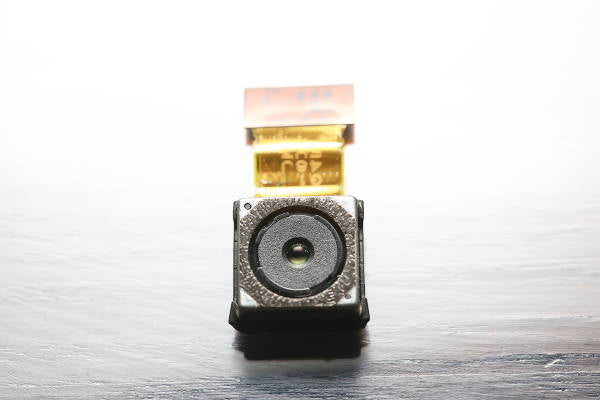
Image Source: spycentre.com
Spotting the Suspicious: Early Warning Signs
Your home is your sanctuary, a place where you should feel completely safe and private. When this sense of security is threatened by potential electronic eavesdropping, recognizing the subtle, and sometimes not-so-subtle, signs is the first line of defense. These indicators might seem minor individually, but a pattern of them can point to a serious problem.
Subtle Changes in Your Environment
Sometimes, the presence of unauthorized surveillance isn’t immediately obvious. Look for peculiar alterations around your home:
- Unexplained Electronic Malfunctions: Do your electronic devices suddenly start behaving strangely? Lights flickering when no one is around, radios picking up static or odd broadcasts, or phones emitting strange clicks during calls can be red flags. This could indicate interference from covert devices.
- Odd Noises or Static: While not all static is sinister, persistent or unusual static on your phone lines, radio, or even in quiet rooms, especially when it seems localized, warrants attention.
- Unfamiliar Objects or Smells: You might find small, misplaced objects that don’t belong. This could be anything from a tiny screw to a piece of wire. Similarly, an unusual smell, like burning plastic or ozone, could be a byproduct of electronic equipment.
- Objects Out of Place: If you notice furniture slightly moved, picture frames askew, or books on shelves rearranged in a way you didn’t do, it could mean someone has been inside your home and potentially installing spy equipment.
- New or Unfamiliar Devices: While less subtle, keep an eye out for any new devices connected to your power outlets or network that you didn’t introduce. Even something as simple as a smoke detector that looks different or a new power adapter could be suspect.
Changes in Your Personal Life
Beyond physical anomalies, changes in your personal interactions and information flow can also be indicative of being targeted.
- Information Leaks: If sensitive personal or business information that you only discussed in private begins to appear in public or with unauthorized individuals, it strongly suggests electronic eavesdropping.
- Unusual Phone Behavior: Beyond static, listen for unusual clicks, beeps, or echoes during phone calls. Phones that heat up unusually fast, drain batteries rapidly, or exhibit delayed or strange responses when you dial could also be compromised. This can be a direct sign of unauthorized recording or monitoring.
- Changes in Social Interactions: If people who shouldn’t have certain information suddenly seem to know it, or if conversations you thought were private are being referenced by others, it raises concerns about listening devices.
- Feeling Watched: While subjective, a persistent feeling of being watched, especially when you’re alone in your home, can be your intuition picking up on something tangible.
Detecting the Undetectable: Methods for Finding Bugs
Discovering hidden surveillance requires a systematic and often technical approach. Simply looking around might not be enough, as modern spy equipment is designed to be incredibly discreet.
Visual Inspection: The First Pass
A thorough visual inspection is your initial step. Think like an installer looking for the perfect hiding spot.
-
Common Hiding Places:
- Power Outlets and Light Switches: These are prime spots as they offer access to power. Look for anything unusual in the plates or around the fixtures.
- Smoke Detectors and Carbon Monoxide Alarms: Often overlooked, these can house small cameras or microphones.
- Electrical Appliances: Think lamps, clocks, radios, computers, and even televisions. Internal components can be modified.
- Decorative Items: Picture frames, plants, stuffed animals, and even books can conceal devices.
- Furniture: Upholstery, seams, and even hollow legs can be used.
- Air Vents and Light Fixtures: Anything that offers a view or a way to transmit signals.
- Small Holes in Walls or Ceilings: These could be for camera lenses or microphones.
-
What to Look For:
- Tiny Holes: Pinholes or very small drill marks in walls, ceilings, or objects that don’t seem to serve a purpose.
- Loose Fixtures: Electrical plates, light fixtures, or vents that appear slightly ajar or have been tampered with.
- New or Different Objects: Any item that appears out of place or new, especially in hidden areas.
- Wiring: Unusual or extra wiring that seems out of place or connected to devices it shouldn’t be.
Using Technology for Detection
For more advanced detection, technology is your ally.
RF (Radio Frequency) Detectors
RF detectors are designed to pick up radio signals emitted by wireless listening devices and hidden cameras.
- How They Work: These devices scan the radio frequency spectrum for signals being transmitted. When a device is active and broadcasting, the detector will alert you, often with an audible beep or a visual indicator.
- What to Look For:
- Frequency Range: Ensure the detector covers a wide range of frequencies, as different types of bugs transmit on various bands.
- Sensitivity: Higher sensitivity allows detection of weaker signals.
- Portability: A portable unit is essential for sweeping your entire home.
- Limitations: RF detectors are effective against wireless devices but won’t find wired bugs or devices that don’t transmit a signal.
Lens Detectors
Lens detectors are specifically for finding hidden cameras.
- How They Work: They emit a beam of light that reflects off camera lenses, causing them to flash or light up, making them visible to you.
- What to Look For:
- Infrared (IR) Detection: Some lens detectors also have IR sensors that can pick up the faint glow of IR illuminators used by cameras in low light.
- Portability: Again, the ability to move around your home is key.
- Limitations: These are only effective for cameras that have a physical lens.
Thermal Imagers
Thermal imagers can detect unusual heat signatures.
- How They Work: All electronic devices generate heat when they are operating. A thermal imager can show these heat sources as brighter spots on a screen.
- What to Look For: Unexplained hot spots on walls, ceilings, or objects that correspond to potential hiding places for devices.
- Limitations: This method requires the device to be actively powered on and emitting heat. It can also be confused by normal household heat sources like warm electronics or poorly insulated areas.
Network Scanners and Wi-Fi Analyzers
If you suspect your Wi-Fi network is being used to transmit data from spy equipment, these tools are invaluable.
- How They Work: They scan your network for connected devices and can identify unauthorized connections or unusual data traffic. Some can even detect devices that might be broadcasting their own Wi-Fi signal.
- What to Look For: Unknown devices connected to your Wi-Fi, unusual network activity, or devices broadcasting their own SSID (network name).
- Limitations: Requires a degree of technical understanding of network protocols.
Professional Bug Sweeping Services
For comprehensive surveillance detection, consider hiring professionals who specialize in bug sweeping.
- What They Offer: These services use specialized equipment and expertise to conduct a thorough sweep of your home, identifying a wide range of listening devices, hidden cameras, and other forms of electronic eavesdropping.
- Benefits: Professionals have access to advanced technology and the knowledge to interpret the results accurately, offering a higher level of assurance.
- Considerations: This is typically the most expensive option but provides the most thorough detection.
Counter-Surveillance: Protecting Your Privacy
Once you’ve detected potential threats, or simply to enhance your residential security systems, implementing counter-surveillance measures is vital.
Securing Your Digital Footprint
In today’s interconnected world, your digital life is as vulnerable as your physical one.
- Secure Your Wi-Fi:
- Strong Passwords: Use complex, unique passwords for your Wi-Fi network and change them regularly.
- Encryption: Ensure your Wi-Fi uses WPA3 or WPA2 encryption.
- Guest Network: Set up a separate guest network for visitors to prevent them from accessing your main network.
- Disable WPS: Wi-Fi Protected Setup (WPS) can be a security vulnerability.
- Review Connected Devices: Regularly check your router’s connected devices list for any unfamiliar gadgets.
- Update Firmware: Keep your router and all smart devices updated with the latest firmware, which often includes security patches.
- Be Wary of Public Wi-Fi: Avoid sensitive transactions on public Wi-Fi networks.
Physical Counter-Surveillance
Reinforcing your home’s physical security can deter or make it harder for someone to install surveillance.
- Enhance Residential Security Systems:
- Alarms: Install or upgrade your alarm system.
- Security Cameras: Strategically place your own visible security cameras, both inside and outside, to deter intruders and record any suspicious activity.
- Smart Locks: Use smart locks for better control and monitoring of who enters your home.
- Secure Entry Points: Ensure all doors and windows are robust and properly locked. Consider security film for windows to prevent easy breakage.
- Limit Access: Be mindful of who you grant access to your home, especially service personnel. Consider scheduling appointments during times you are present.
- Cover Cameras: If you suspect a camera, especially one you can’t immediately remove, cover it with opaque tape or a cloth.
Digital Counter-Surveillance
Protecting your communications and data is crucial.
- Use Encrypted Communication: For sensitive calls and messages, use end-to-end encrypted apps.
- Be Cautious with Smart Devices: Smart speakers, smart TVs, and other IoT devices can be potential points of entry. Review their privacy settings and disable microphones or cameras when not in use. Consider unplugging them when not in use if you have serious privacy concerns.
- Regular Software Updates: Keep all your operating systems and applications updated to patch security vulnerabilities.
- Antivirus and Anti-Malware: Install reputable antivirus and anti-malware software on all your devices and run regular scans.
Types of Surveillance Devices to Be Aware Of
A variety of spy equipment exists, each designed for specific purposes of electronic eavesdropping. Familiarizing yourself with them helps in detection.
Listening Devices (Bugs)
These are designed to capture audio. They can be wireless, transmitting audio remotely, or wired, requiring physical access to phone lines or other audio sources.
- Types:
- Room Bug: Designed to pick up ambient sound in a room.
- Telephone Bug: Wired to phone lines to capture conversations.
- Laser Microphone: Can pick up vibrations from windows, capturing sound indirectly.
- Ultrasonic/Infrasonic Devices: Transmit sound at frequencies humans cannot hear, often used for covert surveillance.
Hidden Cameras
These devices are designed to capture video, often with audio. They are miniaturized and disguised to blend into their surroundings.
- Types:
- Pinholes: Tiny lenses that are easily concealed in everyday objects.
- Disguised Cameras: Built into common household items like smoke detectors, clocks, pens, or even power adapters.
- IR-Enabled Cameras: Can record in complete darkness using infrared illumination.
- Wi-Fi Enabled Cameras: Transmit video footage over your Wi-Fi network or the internet.
GPS Trackers
While typically used for vehicles, small GPS trackers can be attached to personal belongings or even worn by individuals to monitor their location.
Data Keyloggers
These devices are installed on a computer to record every keystroke, capturing passwords, financial information, and personal messages.
What to Do If You Suspect Your Home is Bugged
Discovering or even strongly suspecting your home is bugged can be unsettling. Here’s a breakdown of responsible steps to take:
- Stay Calm and Don’t Confront: Avoid immediate confrontation or drastic actions. This could alert the person who bugged your home and make them remove evidence or escalate their activities.
- Document Everything: Keep a detailed log of any suspicious findings, strange occurrences, or unusual conversations. Note dates, times, locations, and specific details.
- Preserve Evidence: If you find a suspicious device, try not to handle it excessively to preserve potential fingerprints or other forensic evidence. If possible, photograph it in situ before attempting to secure it carefully.
- Secure Sensitive Information: If you have any critical personal or financial information, consider changing passwords and alerting relevant institutions, especially if you suspect data theft.
- Limit Conversations: Until you have clarity, avoid discussing sensitive matters in your home, especially over landlines or unsecured mobile devices.
- Consider Professional Assistance:
- Bug Sweeping Services: As mentioned, a professional sweep is often the most effective way to confirm or deny suspicions.
- Legal Counsel: If you believe you are being targeted for malicious reasons, consult with an attorney specializing in privacy law or harassment.
- Law Enforcement: Depending on the nature of the suspected bugging and your jurisdiction, reporting to law enforcement might be an option, particularly if you believe a crime has been committed.
- Enhance Your Security: Implement the counter-surveillance measures discussed earlier to bolster your residential security systems and prevent future intrusions.
Frequently Asked Questions (FAQ)
How can I check my home for listening devices myself?
You can perform a visual inspection of common hiding spots, use an RF detector to scan for wireless signals, and utilize a lens detector for cameras. Your smartphone can also be used with certain apps to help detect some types of electronic signals, though professional equipment is more reliable.
Are smartphone apps effective for bug detection?
Some apps claim to detect bugs by analyzing your phone’s radio frequency emissions or electromagnetic fields. While they might pick up certain signals, they are generally not as sensitive or comprehensive as dedicated bug detection devices and can produce false positives.
How much does a professional bug sweep cost?
The cost of a professional bug sweep can vary significantly based on the size of your home, the complexity of the sweep, and the provider’s experience and equipment. Prices can range from a few hundred dollars to several thousand dollars.
What are the legal implications of bugging someone’s home?
In most jurisdictions, secretly installing listening devices or hidden cameras in someone’s private residence without their consent is illegal and a serious invasion of privacy. Laws vary, but unauthorized recording and surveillance can lead to severe criminal penalties and civil lawsuits.
How can I protect my smart home devices from being bugged?
Ensure all smart devices have strong, unique passwords, keep their firmware updated, and review their privacy settings. Consider disabling microphones and cameras when not actively in use. Be cautious about connecting new devices to your network without thoroughly researching their security features.
What is “white noise” and how can it help with privacy?
White noise is a sound that contains all audible frequencies at equal intensities. It can help mask conversations by making it harder for listening devices to isolate and record clear audio. While not a foolproof solution, it can add a layer of counter-surveillance in certain situations.
By staying vigilant and informed about the signs and detection methods, you can take proactive steps to safeguard your home and your privacy concerns, ensuring your sanctuary remains secure.