
Selling a mobile home can seem daunting, but with a clear plan, it’s a manageable process. Can you sell a mobile home without owning the land? Yes, you can sell a mobile home without owning the land it sits on, though the sale process might differ. Who can help you sell a mobile home? Realtors specializing in manufactured housing, mobile home brokers, and even online platforms can assist you. This guide breaks down the entire journey of selling a mobile home, from preparation to the final handshake.
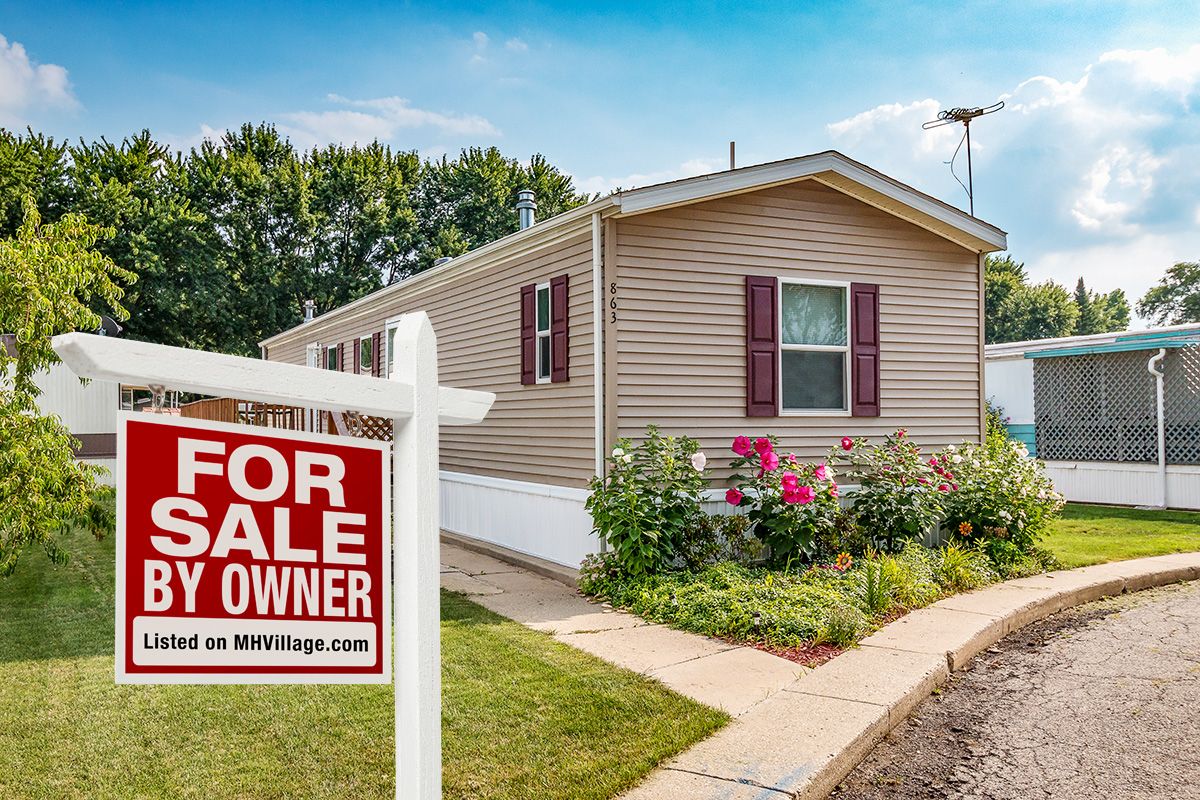
Image Source: resources.mhvillage.com
Preparing Your Mobile Home for Sale
The first step in selling a mobile home is making it as appealing as possible to potential buyers. Presentation is key to a successful mobile home sale process.
Decluttering and Deep Cleaning
- Remove excess items: Go through every room. Pack away personal photos, knick-knacks, and anything you don’t use daily. Less is more when showing a home.
- Organize closets and cabinets: Buyers will peek inside. Make sure they are neat and tidy.
- Deep clean everything: Wash windows, scrub bathrooms and kitchens, clean floors, and dust all surfaces. A sparkling clean home makes a great first impression.
- Address odors: Air out the home. Use air fresheners sparingly or opt for natural solutions like baking soda.
Making Minor Repairs
Small fixes can make a big difference in perceived value.
- Fix leaky faucets: A simple drip can be an immediate turn-off.
- Patch holes in walls: Fill small nail holes and cracks.
- Tighten loose doorknobs and hinges: Ensure everything operates smoothly.
- Repair damaged flooring: Replace broken tiles or loose carpet.
- Check and clean the HVAC system: Ensure it’s running efficiently and change air filters.
Enhancing Curb Appeal
The outside of your mobile home is the first thing buyers see.
- Clean the exterior: Wash siding, decks, and porches.
- Tidy the yard: Mow the lawn, trim bushes, and weed flower beds.
- Add fresh mulch: This makes garden areas look neat and cared for.
- Paint the front door: A fresh coat of paint can make a welcoming statement.
- Ensure exterior lights work: Good lighting adds safety and appeal.
Determining the Value of Your Mobile Home
Pricing a mobile home correctly is crucial for attracting buyers and ensuring a good return. A mobile home appraisal can be very helpful here.
Researching Comparable Sales
- Look at recently sold similar homes: Check online listings and local real estate sites for mobile homes in your area that have sold recently.
- Consider age, size, and condition: Match your home as closely as possible to others.
- Factor in lot rent or land ownership: This significantly impacts value.
Understanding Mobile Home Appraisal Factors
A professional mobile home appraisal considers several things:
- Age of the home: Newer homes generally command higher prices.
- Size and layout: Square footage and the number of bedrooms/bathrooms matter.
- Condition: This includes the overall state of the interior and exterior, as well as the condition of major systems like plumbing, electrical, and HVAC.
- Upgrades and renovations: Modern kitchens, updated bathrooms, new flooring, and energy-efficient windows can increase value.
- Location: This is perhaps the most significant factor. Proximity to amenities, schools, and desirable neighborhoods plays a role. If the home is in a mobile home park, the lot rent and park amenities are also important considerations.
- Ownership of land: If you own the land the mobile home is on, this adds considerable value compared to homes in parks with lot rent.
- Condition of the foundation/anchoring: The stability and integrity of the home’s support system are critical.
Online Valuation Tools
While not a substitute for professional appraisal, online tools can offer a starting point. They often use algorithms based on publicly available data.
Navigating the Legal and Documentation Requirements
Selling manufactured homes involves specific paperwork and legal steps.
Gathering Necessary Documents
- Title to the mobile home: This is the proof of ownership, similar to a car title. If your home is permanently affixed to land you own and has been treated as real property, it might have a deed instead. You’ll need to determine if your home is considered personal property or real property in your state.
- Proof of ownership of the land (if applicable): If you own the land, you’ll need the deed.
- Bill of Sale: This legal document transfers ownership from seller to buyer.
- Mortgage payoff information: If you have a loan on the home, you’ll need documentation from your lender.
- Property tax records: Current and past tax information can be useful.
- Any existing warranties or service records: These can be valuable to buyers.
Understanding State-Specific Regulations
Laws vary significantly by state regarding the sale of mobile homes.
- Title transfer procedures: Each state has its own process for transferring the title.
- Disclosure requirements: Sellers are often required to disclose known defects or issues with the property.
- Permits for moving: If the buyer plans to move the home, permits will likely be required.
- Registration and titling: Ensure all fees and registrations are up-to-date.
Creating a Compelling Mobile Home Listing
A good mobile home listing attracts more potential buyers and speeds up the sale.
High-Quality Photography
- Take photos in good lighting: Natural light is best. Shoot during the day.
- Capture key areas: Include the exterior from multiple angles, all rooms, kitchen, bathrooms, and any special features.
- Showcase outdoor space: If you have a nice yard or deck, make sure it’s visible.
- Consider a virtual tour: This can be a great way to engage buyers online.
Writing an Effective Description
- Highlight key features: Mention the number of bedrooms/bathrooms, square footage, and any recent upgrades.
- Describe the community (if applicable): If it’s in a park, mention amenities like pools, clubhouses, or proximity to local attractions.
- Be honest and transparent: Accurately represent the condition of the home.
- Use appealing language: Focus on the lifestyle the home offers.
Choosing Where to List Your Mobile Home
- Online Real Estate Platforms: Websites like Zillow, Realtor.com, and Trulia are popular.
- Mobile Home Specific Websites: There are sites dedicated solely to selling used mobile homes.
- Local Newspapers and Community Boards: These can reach local buyers.
- Real Estate Agents: A good agent experienced with mobile homes can be invaluable.
Finding Mobile Home Buyers
Reaching the right audience is key to a successful mobile home sale process.
Strategies for Finding Mobile Home Buyers
- Word of Mouth: Let friends, family, and neighbors know you’re selling.
- Online Marketplaces: Utilize the platforms mentioned above.
- Mobile Home Parks: If your home is in a park, inform the management. They often have a list of people looking to buy homes in their community.
- Open Houses: This allows multiple interested parties to view your home at once.
Working with Real Estate Agents
- Choose an agent with manufactured home experience: They understand the nuances of selling these properties.
- Discuss commission rates: Agents typically charge a percentage of the sale price.
- Ensure they actively market your listing: Ask about their marketing strategy.
Selling Privately
- Be prepared for inquiries: Respond promptly to calls and emails.
- Screen potential buyers: Ask questions to gauge their seriousness and financial ability.
- Set clear appointment times: Avoid unscheduled visits.
Showings and Negotiations
Once buyers start showing interest, you’ll move into the showing and negotiation phase.
Hosting Showings
- Keep the home clean and tidy: A good impression is vital.
- Be available to answer questions: Be knowledgeable about your home.
- Allow buyers to explore: Let them look around without hovering.
- Consider leaving the home during showings: This gives buyers more freedom to inspect.
Handling Offers and Negotiations
- Review all offers carefully: Look at the price, financing contingencies, and closing date.
- Be prepared to negotiate: Most buyers will make an offer below the asking price.
- Respond promptly to counteroffers: Keep the momentum going.
- Consider all terms, not just price: A buyer with stronger financing or fewer contingencies might be more attractive.
The Closing Process
The mobile home closing process is where ownership officially changes hands.
Securing Financing and Inspections
- Buyer’s Financing: If the buyer is getting a loan, they will need to secure it.
- Home Inspections: Buyers often request an inspection to identify any issues. Be prepared for potential repair requests.
- Appraisals: If the buyer is financing, their lender will require an appraisal to ensure the home’s value supports the loan.
Completing the Sale
- Title Transfer: This is a critical step. It involves signing over the title to the buyer. The process varies by state. You might need to go to a local DMV or county clerk’s office.
- Bill of Sale: Both parties sign this document, which outlines the sale terms.
- Payment: The buyer provides the agreed-upon payment, typically through a cashier’s check or wire transfer.
- Keys and Possession: Once payment is confirmed and all paperwork is signed, you hand over the keys.
What Happens if You Don’t Own the Land?
If your mobile home is in a park, you are essentially selling the structure and any improvements you’ve made to the lot. The buyer will then need to arrange a new lease agreement with the park management. The park owner may have specific rules or approvals required for new residents.
Selling Used Mobile Homes: Specific Considerations
Selling used mobile homes often comes with unique challenges and opportunities.
Age and Condition
- Older homes may require more repairs: Be realistic about the condition and necessary upgrades.
- Depreciation: Mobile homes typically depreciate in value faster than traditional site-built homes.
Moving the Home
- Costs: Moving a mobile home is expensive. Factor in transport, permits, and setup at the new location.
- Logistics: This requires specialized movers and careful planning. Buyers who want to move the home will need to factor these costs and complexities into their offer.
Financing for Buyers
- Older homes or homes not affixed to land can be harder to finance: Some lenders are hesitant. Buyers may need specialized loans (chattel loans) or have to pay cash.
Table: Key Steps in Selling a Mobile Home
| Step | Description | Key Considerations |
|---|---|---|
| Preparation | Declutter, deep clean, make minor repairs, enhance curb appeal. | First impressions are vital. A well-maintained home attracts more buyers and commands a better price. |
| Pricing | Research comparable sales, get a mobile home appraisal, consider market conditions. | Overpricing can deter buyers, while underpricing leaves money on the table. Be realistic about the home’s market value. |
| Documentation | Gather title, deed (if applicable), bill of sale, mortgage information. | Ensure all paperwork is accurate and complete to facilitate a smooth title transfer. |
| Listing | Create a compelling mobile home listing with good photos and descriptions. Choose appropriate platforms. | A well-crafted listing is your primary marketing tool. Highlight the home’s best features and benefits. |
| Finding Buyers | Utilize online platforms, work with agents, network, host open houses. | Broaden your reach to attract serious buyers. Agents can provide access to a wider pool of potential buyers. |
| Showings & Negotiations | Host showings, respond to offers, negotiate terms. | Be prepared to negotiate. Honesty and transparency build trust with buyers. |
| Closing Process | Title transfer, bill of sale, payment, handover of keys. | This is the legal transfer of ownership. Ensure all funds are cleared before handing over possession. |
| Post-Sale | File necessary paperwork with state authorities to remove your name from the title. | Complete all official steps to finalize the sale and ensure you are no longer responsible for the property. |
Frequently Asked Questions (FAQ)
Q1: Do I need a real estate agent to sell my mobile home?
A1: While not legally required, using a real estate agent experienced with manufactured homes can be very beneficial. They have market knowledge, marketing resources, and negotiation skills that can lead to a faster and more profitable sale.
Q2: How long does it typically take to sell a mobile home?
A2: The timeframe can vary greatly depending on market conditions, pricing, the home’s condition, and how it’s listed. It can range from a few weeks to several months.
Q3: What is a chattel loan?
A3: A chattel loan is a type of loan used to finance personal property that is not permanently attached to real estate, such as a mobile home that is not on its own land. These loans often have higher interest rates than traditional mortgages.
Q4: Can I sell my mobile home for cash?
A4: Yes, selling for cash is an option. You might get a lower offer, but it often means a faster closing with fewer contingencies. Companies that buy mobile homes for cash can be a good option if you need to sell quickly.
Q5: What are the biggest mistakes sellers make when selling a mobile home?
A5: Common mistakes include poor preparation, incorrect pricing, not having all necessary documentation, failing to market the home effectively, and not understanding the legal requirements for title transfer.