
A typical home inspection report is usually available within 24 to 48 hours after the inspection is completed. However, this timeframe can vary depending on the inspector, the complexity of the property, and any specific arrangements made.
Navigating the home buying or selling process can feel like a marathon, and one of the crucial checkpoints along the way is the home inspection. You’ve invested time and energy into finding the right property or the right buyer, and now you’re waiting for the verdict from the home inspector. A common and important question that arises during this stage is: “How long does it take to get a home inspection report?” This is a critical piece of information that influences your next steps, whether you’re negotiating repairs, deciding to move forward, or reconsidering the deal.
Let’s delve into the intricacies of the home inspection timeline to help you set realistic expectations and manage your journey effectively.
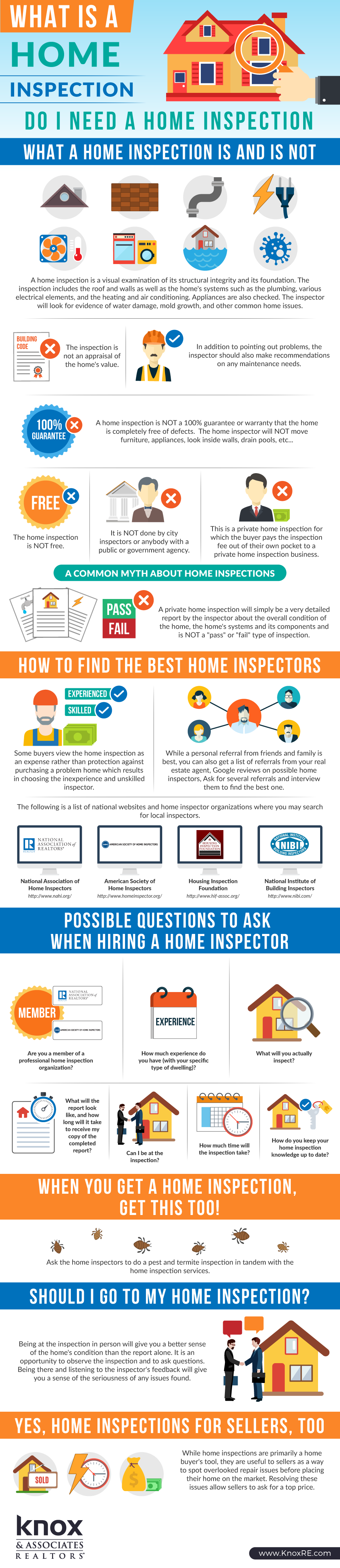
Image Source: assets.site-static.com
Factors Influencing Report Delivery Time
Several elements play a role in determining when to expect home inspection results. Understanding these factors can help you gauge the home inspector turnaround time and the overall home inspection report delivery process.
1. Inspector’s Workload and Schedule
Like any busy professional, home inspectors often have a full schedule. The number of inspections they have booked for the day or week directly impacts how quickly they can process and deliver your report. If an inspector is booked solid for several days, it might take a little longer for them to get to your report.
- Peak Seasons: Home buying activity often surges in spring and summer. During these busy periods, inspectors may have a higher volume of work, potentially leading to slightly longer wait times.
- Inspector’s Size: A solo inspector might have a more personal touch but could be more susceptible to delays if they fall ill or have personal commitments. Larger inspection companies might have more resources, but their sheer volume could also influence delivery times.
2. Report Complexity and Detail
The depth and detail required in a home inspection report can significantly affect how long it takes to compile. A comprehensive inspection of a large, older home with multiple outbuildings will naturally take longer to document than a standard inspection of a newer, smaller property.
- Property Size and Age: Larger homes with more rooms, systems, and components require more thorough examination and documentation. Older homes may have more unique issues that need careful explanation.
- Additional Services: If you’ve opted for specialized inspections (e.g., mold testing, radon testing, pest inspections, pool inspections), these will require additional analysis and reporting, extending the overall delivery time.
- Level of Detail: Some inspectors provide highly detailed reports with extensive photos and explanations, while others offer more concise summaries. The inspector’s chosen reporting style influences their compilation time.
3. Technology and Reporting Software
The tools and software an inspector uses play a role in the efficiency of report generation.
- Digital Reporting: Most inspectors today use digital reporting software. This allows them to input findings, add photos, and generate a professional report quickly. Some software even allows for real-time report drafting at the property.
- Manual vs. Digital: Inspectors who still rely on paper notes and manual report writing will inherently take longer to produce and deliver their findings.
4. Communication and Client Feedback
Sometimes, the inspector might need to clarify certain findings or discuss significant issues with you or your real estate agent before finalizing the report. This communication loop, while important for clarity, can add a small amount of time to the process.
5. Administrative Processes
Even with efficient digital tools, there are administrative steps involved.
- Proofreading and Editing: A reputable inspector will always proofread their report to ensure accuracy and clarity.
- Invoicing and Payment: Finalizing administrative tasks can also be a minor factor.
The Typical Home Inspection Timeline: From Inspection to Report
To fully grasp the home inspection timeline, it’s helpful to break down the process chronologically.
1. Booking the Inspection
The process begins with booking a home inspection report. This usually involves contacting an inspector, discussing your needs, and scheduling a date and time. The availability of the inspector and your preferred timing will dictate when this step occurs.
2. The Inspection Itself
The typical home inspection duration at the property can vary significantly.
- Average Time: For a standard single-family home, expect the inspection to last anywhere from 2 to 4 hours.
- Factors Affecting Duration:
- Size of the home: Larger homes naturally take longer.
- Age of the home: Older homes often have more complex systems and potential issues, requiring more time.
- Condition of the home: A home with many visible defects might require more time to document.
- Complexity of systems: Homes with unique heating/cooling systems, multiple HVAC units, or complex electrical/plumbing setups will take longer.
- Presence of outbuildings: Detached garages, sheds, or guest houses add to the inspection time.
- Weather conditions: Inclement weather can slow down exterior inspections.
During the inspection, the inspector will systematically examine the home’s major components, including:
- Structural integrity: Foundation, walls, floors, roof structure.
- Exterior: Siding, windows, doors, decks, patios, grading, drainage.
- Roof: Shingles, gutters, downspouts, flashing, chimneys.
- Plumbing: Supply and drain lines, fixtures, water heater, visible pipes.
- Electrical: Service panel, wiring, outlets, switches, fixtures.
- Heating, Ventilation, and Air Conditioning (HVAC): Furnace, air conditioner, ductwork, thermostat.
- Interior: Walls, ceilings, floors, doors, windows, stairs.
- Insulation and Ventilation: Attic, crawl spaces.
3. Report Compilation
After leaving the property, the inspector begins the crucial task of compiling the report. This is where the home inspector turnaround time is most actively at play.
- Data Review: The inspector will review their notes, photos, and any diagnostic tests performed.
- Writing and Formatting: They will use their specialized software to document their findings, categorizing them by system and severity. Photos are typically integrated to illustrate issues.
- Quality Control: Some inspectors have a peer review process or a second review to ensure the report’s accuracy and completeness.
4. Report Delivery
This is the moment of truth – home inspection report availability.
- When to Expect Home Inspection Results: As mentioned earlier, most inspectors deliver reports within 24 to 48 hours. Some might offer same-day delivery, especially for inspections performed early in the day, while others might take up to 72 hours, particularly if the inspection occurred later in the week or during a busy period.
- How Quickly Are Inspection Reports Sent?: This is highly variable. You might receive an email notification with a link to download your report, or the report might be delivered as a PDF attachment. The speed depends on the inspector’s workflow and their stated policies.
5. Post-Home Inspection Timeline
Once you receive the report, the post-home inspection timeline begins. This phase is critical for making informed decisions about the property.
- Reviewing the Report: Take your time to thoroughly read and understand the report. Pay close attention to any urgent or safety-related issues highlighted.
- Discussing with Your Agent: Your real estate agent can be an invaluable resource in interpreting the report and strategizing your next steps.
- Negotiations: Based on the findings, you might decide to:
- Proceed with the purchase as-is.
- Request the seller to make specific repairs.
- Ask for a credit from the seller to cover repair costs.
- Renegotiate the purchase price.
- Withdraw from the purchase if major issues are found that are unacceptable.
- Timelines for Negotiations: Most purchase agreements specify a timeframe within which you must submit your repair requests or make a decision after receiving the inspection report. This is often a few days to a week, so prompt review is essential.
Average Time for Home Inspection Results: A Closer Look
To provide a clearer picture, let’s look at the average time for home inspection results from different perspectives:
| Inspector Type | Typical Report Delivery | Notes |
|---|---|---|
| Solo Inspector | 24-48 hours | Can be very efficient if organized, but workload and personal availability can cause variations. Often provides personal communication. |
| Small Inspection Firm | 24-48 hours | May have a small team, allowing for some division of labor. Quality control might involve a senior inspector reviewing reports. |
| Large Inspection Co. | 24-72 hours | High volume can mean longer wait times. Reports are usually standardized and generated using advanced software. May have dedicated report writers. |
| Specialty Inspectors | Varies (e.g., 1-3 days) | If specialized tests are involved (e.g., lab analysis for mold or water quality), report delivery will be longer. The initial inspection report might be faster, with supplemental reports following. |
| DIY/Manual Report | 48-72+ hours | Less common now. These inspectors might take longer to compile and deliver. Communication might be less frequent. |
It’s important to note that these are averages. Always clarify the expected turnaround time directly with your home inspector when booking their services.
Maximizing Your Home Inspection Report Experience
You can take steps to ensure a smoother and more efficient experience with your home inspection report.
Pre-Inspection Preparation
- Clear Communication: Ensure the inspector has your correct contact information and knows your preferred method of communication.
- Availability: Be available to speak with the inspector after the inspection if they have questions or need to discuss initial findings.
During the Inspection
- Attend the Inspection: Whenever possible, attend the end of the inspection. This allows you to walk through the property with the inspector, ask questions in real-time, and get a verbal summary of their initial observations. This can help you anticipate the report’s contents.
- Ask Questions: Don’t hesitate to ask the inspector about anything you don’t understand or any specific areas you’re concerned about.
Post-Inspection Action
- Prompt Review: As soon as you receive the report, review it carefully.
- Organize Documentation: Keep the report with your other closing documents.
- Understand the Report: Familiarize yourself with common home inspection report terminology and how to interpret the severity of issues flagged.
Fathoming the Report: What to Look For
Once you have your report in hand, it’s time to decipher its contents. The report is typically organized by the different systems of the house.
Key Sections of a Home Inspection Report
- Summary: Most reports begin with a summary of significant findings, often categorized by priority (e.g., safety concerns, major defects, maintenance items). This is a good place to start.
- Detailed Findings: Each section will detail the condition of specific components, accompanied by photographs to illustrate the issues.
- Recommendations: Inspectors will often provide recommendations for further evaluation by a specialist (e.g., a structural engineer, a licensed electrician) or suggest repairs.
- Maintenance Tips: Some reports include general maintenance advice for the homeowner.
Interpreting the Severity of Issues
Inspectors use various methods to convey the importance of their findings. Look for terms like:
- Safety Hazard: Issues that pose an immediate risk to health or safety (e.g., faulty wiring, carbon monoxide detected). These require immediate attention.
- Major Defect: Significant problems that are costly to repair or affect the function of a major system (e.g., a failing HVAC system, a leaky roof).
- Minor Defect / Maintenance Item: Issues that are cosmetic or require regular upkeep (e.g., worn caulk, a dripping faucet).
Booking Home Inspection Report: What to Ask
When you are in the process of booking home inspection report services, it’s wise to ask a few key questions to ensure you are prepared for the report delivery.
- What is your typical turnaround time for reports? This is the most direct question to ask.
- Do you offer same-day or next-day delivery? Is there an extra fee?
- How will the report be delivered (email, online portal, physical copy)?
- What is included in your standard report?
- Can I attend the inspection?
- Do you have recommendations for specialists if significant issues are found?
Knowing the home inspection report availability beforehand will help manage your expectations and coordinate with your real estate agent and the seller.
Frequently Asked Questions About Home Inspection Reports
Q1: Can I get the report on the same day as the inspection?
A1: While some inspectors may offer same-day delivery, especially for inspections conducted early in the day, it’s not standard. Most aim for 24-48 hours. It’s best to confirm this when booking.
Q2: What if the inspector finds major issues? Will they call me immediately?
A2: A professional inspector will likely call you or your agent to discuss any critical safety hazards or major issues found during the inspection, even before the formal report is delivered.
Q3: How do I pay for the inspection? When is payment due?
A3: Payment terms vary. Some inspectors require payment upfront, others upon completion of the inspection at the property, and some may send an invoice. Clarify this when booking.
Q4: What if I don’t agree with the report?
A4: The home inspection report is a professional opinion, not a guarantee. If you disagree with findings, you can seek a second opinion from another qualified inspector or a specialist in the area of concern.
Q5: How long do I have to use the inspection report for negotiations?
A5: This is determined by the terms of your purchase agreement. Typically, you have a specific inspection contingency period (e.g., 7-10 days) to review the report and present any requests to the seller.
Q6: Is the home inspection report legally binding?
A6: No, a home inspection report is not legally binding. It’s a professional assessment to inform you about the property’s condition. It does not guarantee the condition of the home or the absence of future issues.
Conclusion
The question of how long does it take to get a home inspection report is multifaceted, with the answer generally falling within a 24 to 48-hour window. However, a deeper dive reveals that the home inspection timeline is influenced by a combination of the inspector’s workload, the property’s complexity, technological tools, and administrative processes. By understanding these factors and communicating effectively with your inspector, you can navigate this stage of the home buying process with greater confidence and clarity. Prompt review of the report upon home inspection report delivery is crucial for effective decision-making during the post-home inspection timeline, ensuring you can negotiate confidently and move towards a successful closing.