
So, you’re dreaming of owning your own piece of earth, a place to build a life away from the hustle and bustle? You might be asking, “What is homesteading land?” or “Can I claim land?” The short answer is that while claiming land in the traditional sense of “claiming” is largely a thing of the past in most developed countries, there are many ways to acquire land for homesteading. This guide will walk you through the process of finding homestead land, from understanding your goals to signing on the dotted line. It’s about more than just purchasing acreage; it’s about land acquisition for a lifestyle.
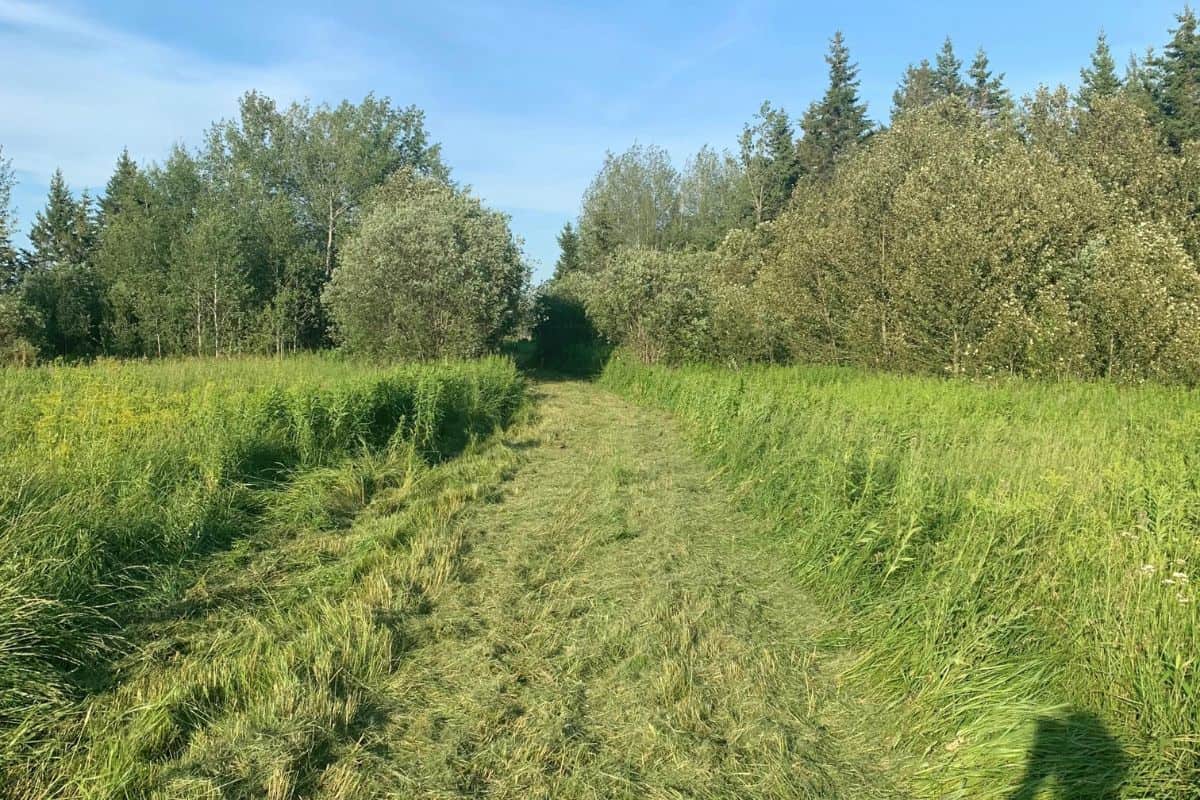
Image Source: www.anoffgridlife.com
Defining Your Homesteading Vision
Before you even start looking, it’s crucial to define what homesteading means to you. This vision will shape your search and help you narrow down the vast options available.
What Do You Want to Do?
- Self-Sufficiency: Are you aiming for complete food independence, growing all your own vegetables, raising livestock, and perhaps generating your own power?
- Off-Grid Living: Does this include minimal reliance on public utilities like electricity, water, and sewer?
- Rural Retreat: Is it more about a peaceful escape, a place for hobbies, or a slower pace of life, with less emphasis on total self-reliance?
- Community Living: Are you looking to join or create a co-housing or intentional community?
Essential Homesteading Needs
Consider what you absolutely need for your homesteading dream to become a reality.
Land Characteristics
- Water Source: Is there a reliable well, stream, pond, or access to municipal water? Water is life, and for a homestead, it’s non-negotiable.
- Soil Quality: If you plan to farm or garden, rich, arable soil is vital. Research soil types in your target areas.
- Sunlight Exposure: Good sun exposure is crucial for gardening and solar power.
- Topography: Is the land flat, sloped, or hilly? This affects building, farming, and access.
- Natural Resources: Are there timber for building or firewood, or natural features you can utilize?
Size and Zoning
- Acreage: How much land do you need? This depends heavily on your planned activities. 5 acres might be enough for a small garden and a few chickens, while 50 acres or more might be needed for larger livestock or to feel truly remote.
- Zoning Laws: This is paramount. What are the local zoning ordinances? Can you build the type of home you want? Are there restrictions on livestock, farming, or certain types of businesses? Some areas have strict agricultural zoning, while others might be more flexible.
Navigating the Land Market: Where to Look
Finding suitable land requires a multi-pronged approach. You’ll be looking for homesteading opportunities across various platforms and methods.
Online Land Marketplaces
These are excellent starting points for buy vacant land searches. They aggregate listings from various sources.
- LandWatch: A comprehensive database with filters for acreage, price, location, and features.
- Land and Farm: Similar to LandWatch, offering a wide array of rural properties.
- USA Land: Focuses specifically on land sales across the United States.
- Zillow/Realtor.com: While primarily for homes, you can filter for vacant land or properties with large acreage.
- Craigslist: Can sometimes yield private sales, but requires caution and due diligence.
Real Estate Agents Specializing in Rural Property
A good real estate agent who focuses on rural properties can be invaluable. They have access to the Multiple Listing Service (MLS) and often know about off-market listings.
- Seek Agents with Rural Experience: Look for agents who live in or have extensive experience selling property in the areas you’re interested in.
- Explain Your Needs Clearly: Be specific about your homesteading goals, acreage requirements, and essential land features.
Private Sales and For Sale By Owner (FSBO)
Sometimes, the best deals are found when owners sell directly.
- Look for “For Sale” Signs: Drive around your target areas. Many rural properties are advertised this way.
- Local Classifieds: Check local newspapers or community bulletin boards.
Government Land for Sale
In some countries, you can still acquire land from the government. However, the concept of being able to claim land for free or very cheaply is rare and highly regulated.
- Bureau of Land Management (BLM) – USA: The BLM manages vast amounts of federal land. They occasionally sell surplus land through public auctions. This is not “claiming” in the old sense, but rather purchasing.
- State Land Departments: Many states also have land departments that manage state-owned lands and may offer them for sale.
- Land Patents: These are historical documents granting ownership of public land. While the concept of “claiming” under a land patent exists in some historical contexts, it’s a complex and often misunderstood area of law, and new claims are exceptionally rare and difficult to establish. It’s crucial to research this thoroughly and consult legal experts if considering this avenue.
Auctions
Land auctions can be a way to find affordable land, but they require quick decision-making and a clear understanding of the property’s value.
- Online Auctions: Many land auction companies operate online.
- Local Auctions: Keep an eye out for local auctioneer announcements.
- Due Diligence is Key: Always inspect the land and research its history and any encumbrances before bidding.
Essential Steps in Land Acquisition
Once you’ve identified potential properties, the land acquisition process begins in earnest. This involves research, due diligence, and navigating legalities.
1. Preliminary Research and Site Visits
- Online Mapping Tools: Use Google Earth, county GIS (Geographic Information System) maps, and other mapping services to get a feel for the land’s topography, surrounding areas, and access.
- Drive-By Assessments: Visit the property at different times of the day and week to observe the neighborhood, traffic, and general atmosphere.
- Walk the Land: If possible, physically walk the entire property. Look for boundaries, water sources, potential building sites, and any immediate issues.
2. Due Diligence: Digging Deeper
This is the most critical phase. Don’t skip any steps here, as mistakes can be costly.
Title Search and Abstract
- What it is: A title search examines public records to ensure the seller has a clear right to sell the land and that there are no liens, encumbrances, or other claims against it.
- Why it’s important: It protects you from hidden ownership disputes or financial claims.
Survey
- What it is: A professional survey establishes the exact boundaries of the property.
- Why it’s important: It ensures you are buying what you think you are buying and can prevent future boundary disputes with neighbors.
Zoning and Land Use Regulations
- Contact Local Planning/Zoning Department: This is crucial. Confirm current zoning, any restrictions on building, farming, livestock, or home types. Ask about future development plans for the area.
- Access to Utilities: If you plan to connect to utilities, confirm availability and costs. Off-grid systems require careful planning and budgeting.
Environmental Assessments
- Percolation Test (Perc Test): If you plan to install a septic system, a perc test determines if the soil can adequately absorb wastewater.
- Wetlands or Flood Zones: Check for any designated wetlands or flood-prone areas that might restrict building or usage.
- Environmental Hazards: Research any past industrial use of the land or nearby properties that might have caused contamination.
Access and Easements
- Legal Access: Ensure there is legally recognized access to the property, whether it’s a public road or a recorded easement.
- Easements: Understand if any easements (rights granted to others to use a portion of your land, e.g., for utilities or access) exist.
3. Financing Your Land Purchase
Purchasing acreage often requires different financing than a typical home mortgage.
- Cash Purchase: The simplest, but requires significant upfront capital.
- Land Loans: Some banks and credit unions offer loans specifically for vacant land. These often have higher interest rates and larger down payment requirements than traditional mortgages.
- Seller Financing: The seller may agree to finance the purchase themselves, allowing you to pay them directly over time. This often involves more flexible terms but requires a solid contract.
- USDA Loans: In some rural areas, USDA loans might be an option for properties that include a dwelling or are intended for agricultural use, but check eligibility carefully.
4. Making an Offer and Closing
- The Offer: Once you’ve done your due diligence and are ready, you’ll make a formal offer, usually through a real estate agent or an attorney.
- Contingencies: Your offer should include contingencies, such as a financing contingency, a satisfactory inspection contingency, and a clear title contingency.
- The Closing: This is the final stage where ownership is legally transferred. You’ll sign all necessary documents, and the funds will be exchanged. You’ll typically need a real estate attorney to oversee this process, especially for owning undeveloped land.
Finding Affordable Land for Homesteading
The dream of homesteading opportunities shouldn’t be out of reach due to cost. Here’s how to find affordable land:
Factors Affecting Land Prices
- Location: Proximity to amenities, cities, and desirable areas drives up prices. Remote locations are generally cheaper.
- Utilities: Land with existing utilities (water, electricity, sewer) is more expensive than land without.
- Access: Land with paved road access is more valuable than land requiring long driveways or easements.
- Improvements: Land with existing structures, cleared areas, or fencing will cost more.
- Water Rights: In some regions, water rights are crucial and can significantly impact land value.
- Timber or Mineral Rights: Ownership of these can add value, or in some cases, reduce the price if they are reserved by the seller.
Strategies for Finding Affordable Land
- Look in Less Populated Areas: The further from urban centers you go, the more likely you are to find lower prices.
- Consider Land Needing Work: Owning undeveloped land often means bringing in utilities, building roads, or clearing it. Factor these costs into your budget.
- Explore Less Desirable Features (Initially): Land that is heavily wooded, sloped, or lacks immediate utility access might be cheaper but can be made suitable with effort and planning.
- Patience is Key: Finding the right affordable parcel takes time. Don’t rush into a purchase.
- Negotiate: Don’t be afraid to negotiate the price, especially if the land has been on the market for a while or has minor issues.
Rural Homesteading Guide: Key Considerations
Once you’ve acquired your land, the real work of homesteading begins.
Building Your Homestead
- Shelter: Whether it’s a traditional home, a cabin, a tiny home, or a yurt, ensure your structure complies with local building codes.
- Utilities: Plan your off-grid or on-grid utility setup. This includes water (well, cisterns), power (solar, wind, generator), and waste management (septic system, composting toilet).
- Food Production: Start your garden, set up animal pens, and plan for long-term food storage.
- Infrastructure: Consider fencing, outbuildings, and pathways.
Legal Aspects of Homesteading
- Property Taxes: You will be responsible for paying annual property taxes. Research the tax rates in your chosen area.
- Local Ordinances: Always stay informed about any changes to local zoning or ordinances that could affect your homestead.
Frequently Asked Questions About Finding Homestead Land
Q1: Can I still claim land for free like in the old days?
A: In most developed countries, the era of “claiming” public land for free homesteading is largely over. While there might be rare programs or historical avenues, the primary method of acquiring land is through purchase. You can find government land for sale, but it typically involves bidding or purchasing through established processes, not simply claiming it.
Q2: What is a homestead exemption?
A: A homestead exemption is a legal provision that protects a homeowner’s primary residence from creditors, up to a certain value. It can also sometimes offer property tax relief. This is different from acquiring land.
Q3: How do I find out if land is zoned for homesteading?
A: You need to contact the local county or municipal planning and zoning department where the land is located. They will have records of zoning designations and any associated restrictions for the specific parcel.
Q4: What’s the difference between buying vacant land and buying a property with a house on it for homesteading?
A: Buying vacant land means you are responsible for all initial development, including building a home, installing utilities, and setting up infrastructure. Buying a property with an existing house means some of these initial hurdles are already cleared, but you may need to adapt the existing structure or land to your homesteading vision.
Q5: Is it wise to buy land without seeing it in person first?
A: It is highly not recommended to buy land without visiting it in person. Seeing the property allows you to assess its condition, topography, water sources, access, and the general environment firsthand. Photos and descriptions can be misleading.
Q6: What are some common pitfalls to avoid when buying land?
A: Common pitfalls include neglecting thorough due diligence (title search, survey, zoning checks), not verifying legal access, overlooking environmental issues, underestimating development costs, and not understanding property tax obligations. Always prioritize research.
Q7: How much does land typically cost?
A: Land prices vary dramatically based on location, size, features, and amenities. You can find affordable land in remote areas for a few hundred dollars an acre, while desirable land closer to cities or with prime features can cost thousands or tens of thousands of dollars per acre.
Q8: What if I want to live off the grid? Are there special considerations?
A: Yes, living off the grid requires careful planning. You’ll need to budget for and install your own power generation (solar panels, wind turbines), water collection and storage (rainwater harvesting, wells), and waste management systems (septic, composting toilets). Ensure local regulations allow for off-grid living and the specific systems you plan to use.
Q9: What does “owning undeveloped land” entail in terms of responsibility?
A: Owning undeveloped land means you are responsible for its upkeep, property taxes, and ensuring it meets any local land use regulations. If there are natural hazards, like erosion or fire risks, you may have responsibilities to mitigate them, depending on local laws.
Q10: Are there resources for finding land specifically for homesteading opportunities?
A: Yes, besides the online marketplaces mentioned, look for forums and communities dedicated to homesteading. Many experienced homesteaders share tips and leads. Local government agricultural extension offices can also be a good resource for information on rural land and farming. Your rural homesteading guide should always emphasize local research.