
Can you fix a broken tooth at home? While professional dental care is always the best and safest option for a broken tooth, there are some temporary measures you can take at home to manage the situation until you can see a dentist. These include using over-the-counter products for a temporary tooth filling or loose filling repair, and employing natural remedies for pain.
A broken tooth can be a worrying experience, whether it’s a small chip or a more significant fracture. While the immediate urge might be to reach for a DIY fix, it’s crucial to approach this with caution and prioritize safety. This guide will walk you through what you can do at home to manage a broken tooth before you can get to a dental professional, covering common scenarios and providing practical advice.
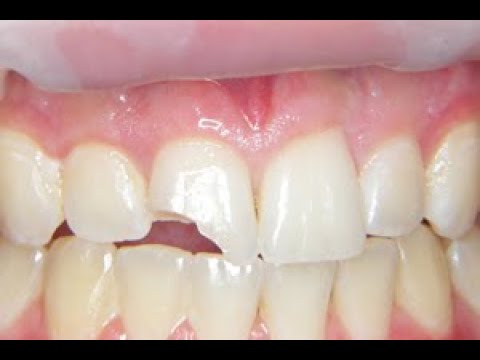
Image Source: i.ytimg.com
Addressing a Broken Tooth: Immediate Steps
When you realize you have a broken tooth, the first thing to do is stay calm. Panic won’t help, and a clear head is essential for taking the right steps.
Assessing the Damage
Take a moment to look at the broken tooth. Is it a small chip on the edge? Is a larger piece missing? Is there bleeding? Understanding the extent of the damage will help you decide on the most appropriate temporary measures.
- Minor Chip: If it’s a small chip, you might feel a sharp edge. There might not be pain, or it could be mild.
- Larger Fracture: A bigger break might expose the inner layers of the tooth, leading to sensitivity or pain, especially with hot or cold. You might see some bleeding.
- Tooth Completely Broken: In a severe case, a large portion of the tooth might be missing. This is a dental emergency.
Protecting the Broken Tooth
The goal of home care is to prevent further damage and discomfort until professional help is available.
- Rinse Your Mouth: Gently rinse your mouth with warm water. This helps clean the area and can reduce the risk of infection. If there’s bleeding, apply gentle pressure with a clean cloth or gauze.
- Save the Broken Piece (If Possible): If you find the piece of the broken tooth, put it in a small container with milk or saliva. This might be useful for the dentist if they can reattach it.
Temporary Solutions for a Broken Tooth
When faced with a broken tooth, the focus shifts to finding a best temporary tooth fix that protects the tooth and eases discomfort. These solutions are not permanent and should be considered stop-gaps.
Over-the-Counter Dental Products
The market offers several products designed for temporary dental repairs. These can be incredibly helpful for a broken tooth emergency or to manage a loose filling repair.
Temporary Tooth Filling Materials
These kits are designed to mimic the function of a real filling. They are easy to use and can provide immediate relief by covering exposed nerves or sharp edges.
- What are temporary tooth filling materials? They are usually zinc oxide-based compounds or temporary resin materials available at most pharmacies. They are designed to harden on contact with saliva and create a barrier.
- How to use them:
- Read the instructions: Always follow the specific instructions on the product packaging.
- Clean the area: Gently rinse your mouth and the area around the broken tooth with water.
- Apply the material: Use the applicator provided or a clean toothpick to carefully place the material into the cavity or over the broken edge. Avoid overfilling.
- Shape and harden: Gently bite down to shape the material if needed. Some materials harden on their own, while others might require a brief period without chewing.
- When are they useful? Great for covering a sharp edge that’s cutting your tongue or cheek, or for sealing a cavity that has reopened.
Tooth Repair Kits
A tooth repair kit often contains various items, including temporary filling material, dental wax, and tools for application. These kits are a good investment for anyone prone to dental issues or for keeping in a first-aid kit.
- Contents: Typically include a temporary cement, a small mirror, a dental pick, and instructions.
- Application: Similar to temporary filling materials, the process involves cleaning, applying the cement, and shaping it.
- Benefits: Provides a comprehensive solution for minor damage and can help manage a chipped tooth fix.
Dental Cement
Dental cement is a versatile product that can be used for various minor dental emergencies.
- What is dental cement used for? It’s often used to re-cement a loose crown or veneer, or to temporarily fill small chips.
- How to apply: Follow product instructions carefully. Typically involves mixing a small amount of powder and liquid, then applying it to the tooth and letting it set.
- Caution: Ensure you use a product specifically designed for temporary dental use.
Loose Filling Repair
If you have a filling that has fallen out, a temporary repair can prevent further decay and sensitivity.
- How to fix a loose filling: Use a temporary filling material or dental cement to fill the gap left by the lost filling. Ensure it’s smooth and doesn’t interfere with your bite.
- Importance: A missing filling exposes the tooth to bacteria and can lead to more significant problems.
Natural Remedies for Tooth Pain
Pain is often a significant symptom of a broken tooth. Natural remedies can offer some relief.
- Saltwater Rinse: Dissolve half a teaspoon of salt in a glass of warm water. Swishing this around your mouth can help clean the area, reduce swelling, and provide natural tooth pain relief. Do this several times a day.
- Clove Oil: Clove oil contains eugenol, a natural anesthetic and antiseptic.
- How to use: Dip a cotton ball or cotton swab in clove oil and gently dab it onto the affected tooth and surrounding gum. Be careful not to swallow large amounts.
- Caution: Clove oil is potent; use sparingly.
- Peppermint Tea Bags: A cooled, moist peppermint tea bag can be applied to the sore area. Peppermint has mild numbing properties and can soothe the gum.
- Cold Compress: Applying a cold pack or a bag of frozen peas wrapped in a cloth to the outside of your cheek can help reduce swelling and numb the pain. Apply for 15-20 minutes at a time, with breaks in between.
Specific Scenarios and How to Handle Them
Different types of tooth breaks require slightly different approaches for at-home care.
How to Fix a Chipped Tooth at Home
A chipped tooth fix usually involves smoothing rough edges and protecting the chipped area.
- For small chips:
- Dental Wax: You can purchase dental wax from pharmacies. Apply a small piece of wax over the chipped edge to smooth it and prevent irritation to your tongue or cheek.
- Temporary Filling Material: If the chip has created a small cavity, a temporary filling material can be used to cover it.
- For larger chips: If a significant portion of the tooth has chipped off, exposing the dentin or pulp, it’s more serious. While you can use temporary filling material to cover it, seeing a dentist is crucial.
Cracked Tooth Remedies
A cracked tooth can be tricky because the crack might not be visible. Pain or sensitivity often signals a crack.
- What are cracked tooth remedies? Beyond pain relief, the main aim is to protect the tooth from further cracking or damage.
- Protecting the tooth: Avoid chewing on the affected side. If the crack is causing sensitivity to temperature, try to consume foods and drinks at room temperature.
- Temporary Sealant: Some temporary dental cement or filling materials can be used to seal the visible part of a crack, especially if it’s causing sensitivity.
What to Do If a Filling Falls Out
A loose filling repair at home is essential to prevent further damage.
- Clean the area: Rinse your mouth with warm water.
- Use temporary filling material: Carefully fill the space where the old filling was with a temporary filling material.
- Shape gently: Make sure the filling is smooth and doesn’t create a high spot that affects your bite.
- Avoid chewing on that side: This will help the temporary filling stay in place.
When Home Care Isn’t Enough: Seeking Professional Help
It’s vital to know when home remedies are insufficient and professional dental care is absolutely necessary.
Signs You Need to See a Dentist Immediately
- Severe Pain: If the pain is intense and not managed by over-the-counter pain relievers or natural remedies.
- Heavy Bleeding: Persistent bleeding that doesn’t stop with gentle pressure.
- Tooth Loosened or Knocked Out: If the tooth is significantly loose or has been completely knocked out, this is a dental emergency.
- Signs of Infection: Swelling of the gums, jaw, or face, fever, or a foul taste in your mouth can indicate infection.
- Large Fractures: If a substantial part of the tooth is broken off, or the break extends below the gum line.
- Pulp Exposure: If you can see the pinkish inner part of the tooth (the pulp), it needs immediate attention.
The Importance of Professional Dental Care
While at-home solutions offer temporary relief, they cannot replace the expertise and tools of a dentist.
- Accurate Diagnosis: Dentists can accurately diagnose the extent of the damage using X-rays and visual examination.
- Proper Repair: They can perform permanent repairs, such as bonding, crowns, veneers, or root canals, depending on the severity of the break.
- Preventing Complications: Untreated broken teeth can lead to infections, nerve damage, and further tooth loss.
- Restoring Function and Aesthetics: Professional treatment ensures your tooth is strong, functional, and looks natural.
Maintaining Good Oral Hygiene During Treatment
Keeping your mouth clean is crucial, especially when dealing with a dental issue. Good at-home dental care can prevent further problems.
- Gentle Brushing: Brush your teeth gently, avoiding the broken tooth area if it causes pain. Use a soft-bristled toothbrush.
- Flossing Carefully: Floss around the broken tooth carefully to remove food particles without dislodging any temporary repair.
- Avoid Certain Foods: Steer clear of very hard, sticky, or chewy foods that could worsen the damage or dislodge temporary fillings.
Frequently Asked Questions (FAQ)
Q1: How long can I use a temporary tooth filling?
A1: Temporary tooth fillings are designed for short-term use, typically a few days to a couple of weeks. They are not meant to be a permanent solution. It is crucial to see a dentist as soon as possible to get a permanent repair.
Q2: Can I use super glue to fix a broken tooth?
A2: Absolutely not. Super glue is not designed for internal use and can be toxic. It can cause severe irritation to your gums and oral tissues and may damage the tooth further. Stick to products specifically made for dental use.
Q3: What is the best temporary tooth fix for a sharp edge?
A3: For a sharp edge, dental wax or a small amount of temporary filling material applied carefully can provide the best temporary tooth fix. These will smooth the edge and protect your tongue and cheeks from irritation.
Q4: My tooth broke, but it doesn’t hurt. Do I still need to see a dentist?
A4: Yes. Even if there’s no pain, a broken tooth can have underlying issues, such as cracks that extend deeper or exposure of the tooth’s inner layers, which can lead to future problems like infection or decay. It’s always best to get it checked by a dentist.
Q5: Can natural remedies fully fix a broken tooth?
A5: Natural remedies are excellent for pain relief and managing minor discomfort. However, they cannot structurally repair a broken tooth. For any actual breakage, professional dental treatment is required.
Conclusion
Dealing with a broken tooth at home requires a careful and informed approach. While over-the-counter products and natural remedies can provide temporary relief and protection, they are not substitutes for professional dental care. Prioritize safety, manage pain effectively, and schedule an appointment with your dentist as soon as possible to ensure your tooth is properly treated and to prevent further complications. Remember, prompt professional attention is key to maintaining your oral health.