
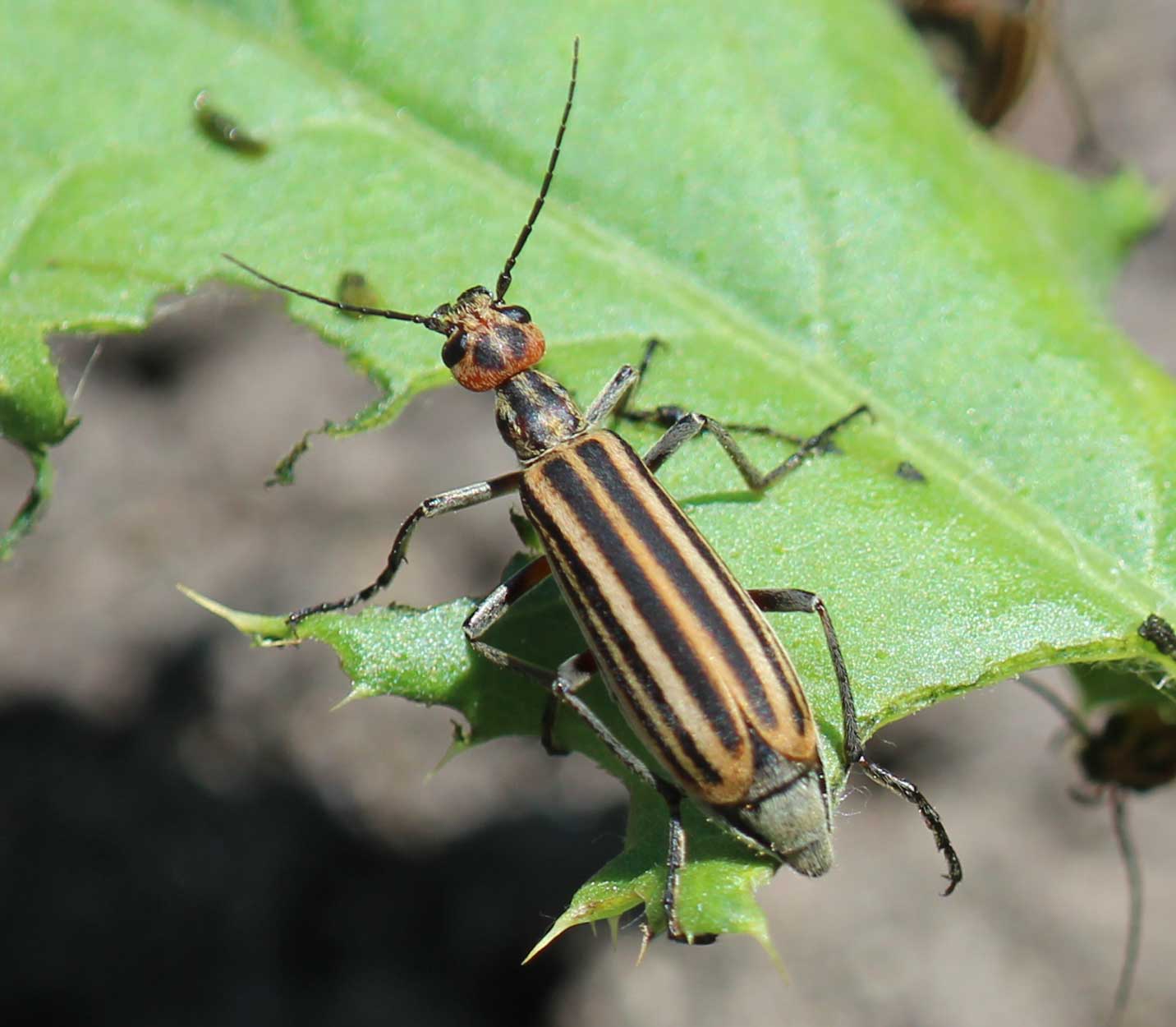
Image Source: extension.sdstate.edu
How to Get Rid of Blister Beetles in Garden Effectively & Naturally
Can you get rid of blister beetles in your garden naturally? Yes, you absolutely can! This in-depth guide will show you how to tackle these garden pests without resorting to harsh chemicals, focusing on effective and eco-friendly blister beetle control.
Blister beetles can be a gardener’s nightmare. These insects, often black or striped and measuring between half an inch to an inch long, can decimate your plants in no time. Their presence in your garden might be signaled by wilting leaves, chewed foliage, and of course, the beetles themselves. Identifying blister beetles is the first step in protecting your precious plants. They are typically elongated with soft wing covers and long antennae.
This article is your comprehensive resource for garden pest removal, specifically targeting blister beetles. We’ll explore a range of natural blister beetle deterrents, organic blister beetle solutions, and effective methods for eliminating blister beetles from your garden. From homemade blister beetle traps to crucial preventing blister beetle infestations, we cover it all. Get ready for chemical-free beetle control and robust garden protection from beetles.
Why Blister Beetles Are a Problem
Blister beetles are not just unsightly; they are voracious eaters. They feed on the leaves, flowers, and even stems of a wide variety of garden plants. Their damage can stunt growth, reduce yields, and in severe cases, kill young plants. What makes them particularly concerning is their defense mechanism: when threatened, they secrete a cantharidin fluid that can cause blistering on human skin and irritation to pets. This means handling them requires caution.
Commonly Affected Plants:
- Vegetables: Potatoes, tomatoes, beans, eggplants, peppers, and cucumbers are often targeted.
- Flowers: Roses, zinnias, petunias, and dahlias are also favorites.
- Shrubs and Trees: Some varieties of ash, elm, and sycamore can also suffer damage.
Recognizing the Enemy: Identifying Blister Beetles
Before you can effectively combat them, you need to know what you’re dealing with. Identifying blister beetles is crucial.
Key Characteristics of Blister Beetles:
- Shape: Long and slender, often with a narrow neck.
- Size: Typically range from 0.5 to 1 inch (1.3 to 2.5 cm) in length.
- Color: Can vary widely, but common colors include black, brown, gray, red, or yellow, often with stripes or spots.
- Antennae: Usually long and thread-like.
- Behavior: They tend to congregate on plants, especially during warm, sunny days. When disturbed, they may feign death or release a defensive fluid.
A quick visual check of your plants for these characteristics will help you confirm if blister beetles are the culprits behind the damage.
Natural Strategies for Blister Beetle Control
The good news is that you don’t need to turn to synthetic pesticides to manage blister beetle populations. Nature provides plenty of effective solutions. These organic blister beetle solutions are safer for your family, pets, and beneficial insects.
1. Handpicking and Squashing: The Direct Approach
This is the most straightforward method for eliminating blister beetles. It’s labor-intensive but highly effective, especially for smaller infestations.
How to do it:
- Timing: The best time to handpick is in the early morning or late evening when beetles are less active and often found clinging to plants.
- Tools: Wear gloves! Remember the cantharidin. A small bucket of soapy water is ideal for disposing of the beetles.
- Method: Gently pick the beetles off your plants and drop them into the bucket of soapy water. The soap breaks the surface tension, causing them to drown quickly.
- Consistency: This needs to be done regularly to keep populations down.
Pros:
- Completely natural and chemical-free.
- Targets only the pests, leaving beneficial insects unharmed.
- Immediate removal of the threat.
Cons:
- Time-consuming and labor-intensive.
- Requires vigilance and regular effort.
- Need to wear gloves due to their defensive secretion.
2. Companion Planting: Nature’s Defense Network
Certain plants can naturally repel blister beetles, making them valuable allies in your garden. This is a core principle of preventing blister beetle infestations.
Plants that may deter blister beetles:
- Marigolds: Known for repelling a wide range of pests, including beetles.
- Garlic and Onions: Their strong scent can confuse and deter many insects.
- Nasturtiums: These can act as a trap crop, luring beetles away from your main vegetables. They are also said to repel some beetle species.
- Rue: This herb has a strong aroma that some gardeners believe deters beetles.
- Radishes: Planting radishes can sometimes divert blister beetles from more desirable crops.
How to implement companion planting:
- Plant rows of repellent plants between your susceptible crops.
- Create borders around your garden with plants like marigolds or garlic.
- Rotate your crops annually to disrupt beetle life cycles.
3. Row Covers and Netting: Physical Barriers
Creating a physical barrier is an excellent way to protect young, vulnerable plants and prevent beetles from reaching your crops. This is a key aspect of garden protection from beetles.
Types of covers:
- Floating Row Covers: Lightweight fabric that allows sunlight, air, and water to pass through while keeping insects out.
- Fine-mesh Netting: Can be draped over plants or supported by hoops to create a protective enclosure.
When to use:
- As soon as plants emerge from the soil.
- During the peak season when blister beetles are active.
- Ensure covers are secured at the base to prevent beetles from crawling underneath.
Pros:
- Highly effective physical barrier.
- Protects plants from other pests as well.
- Allows for plant growth and access to light and water.
Cons:
- Can be an additional expense.
- Requires careful installation and maintenance.
- May need to be removed for pollination of certain crops.
4. Harnessing Beneficial Insects and Predators
Nature has its own pest control systems. Encouraging or introducing natural predators can help manage blister beetle populations.
Natural Predators:
- Birds: Many bird species eat insects. Providing bird feeders and bird baths can attract them to your garden.
- Ground Beetles: These are common garden inhabitants that prey on beetle larvae and adults.
- Parasitic Wasps: Certain species of wasps lay their eggs inside beetle eggs or larvae, killing them.
- Praying Mantises: These fierce predators will consume blister beetles.
How to encourage predators:
- Avoid using broad-spectrum pesticides that kill beneficial insects along with pests.
- Provide habitats, such as native plants, mulch, and areas with leaf litter, where beneficial insects can live and reproduce.
- Offer a water source.
5. Crop Rotation: Disrupting Life Cycles
Blister beetles have a life cycle that often involves overwintering in the soil. Practicing crop rotation can disrupt this cycle.
How it works:
- Avoid planting the same family of plants in the same spot year after year.
- By rotating crops, you can prevent blister beetle larvae from finding their preferred food sources if they hatch in the soil.
- This strategy is part of a broader integrated pest management (IPM) approach for preventing blister beetle infestations.
Example Rotation:
| Year 1 | Year 2 | Year 3 | Year 4 |
|---|---|---|---|
| Tomatoes | Beans | Corn | Cabbage |
| Potatoes | Peas | Squash | Broccoli |
| Eggplants | Lentils | Melons | Cauliflower |
6. Soil Health and Mulching: Creating an Unwelcoming Environment
Healthy soil supports healthy plants, making them more resilient to pest attacks. Proper mulching can also play a role.
- Compost and Organic Matter: Incorporating compost improves soil structure and fertility, leading to stronger plants.
- Mulch: A layer of organic mulch, such as straw or wood chips, can suppress weed growth and conserve moisture. Importantly for beetle control, mulch can create an unfavorable environment for overwintering larvae and make it harder for adult beetles to access the soil to lay eggs.
Homemade Blister Beetle Traps: DIY Solutions
Creating homemade blister beetle traps can be a cost-effective way to reduce beetle numbers in your garden. These traps often rely on the beetles’ attraction to light or specific colors.
The Simple Bucket Trap
This trap uses the basic principle of attracting beetles and then trapping them.
Materials:
- A clean, white 5-gallon bucket
- Water
- Dish soap
- A small amount of vegetable oil or petroleum jelly (optional)
- A light source (optional, for night trapping)
Instructions:
-
Prepare the Bucket:
- Coat the inside rim of the bucket with a thin layer of vegetable oil or petroleum jelly. This can help deter them from crawling back out.
- Fill the bucket about one-third full with water.
- Add a generous squirt of dish soap to the water. The soap breaks the surface tension, ensuring beetles that fall in will drown.
-
Placement:
- Place the bucket near the infested plants.
- For enhanced effectiveness, you can place a light source (like a battery-powered lantern) above the bucket at dusk. Blister beetles are often attracted to light.
- Ensure the bucket is stable and won’t tip over.
-
Maintenance:
- Check the bucket daily. Remove dead beetles and add more water and soap if needed.
- Empty and clean the bucket periodically.
Why it works: Beetles are attracted to the light (if used) or simply wander into the bucket while searching for food. Once they fall into the soapy water, they cannot escape.
Sticky Trap Variations
While less specific to blister beetles, sticky traps can catch them along with other flying insects.
Materials:
- Cardboard or plastic sheeting
- Tacky insect trap adhesive (available at garden centers)
- String or wire for hanging
Instructions:
- Cut the cardboard or plastic into squares or rectangles.
- Apply a generous layer of the sticky adhesive evenly over the surface.
- Punch a hole at the top and attach string or wire for hanging.
- Hang the traps near your plants, ideally on stakes or branches.
- Replace the traps when they become covered with insects or debris.
Note: Sticky traps can also catch beneficial insects, so use them judiciously and strategically.
Advanced Organic Blister Beetle Solutions
For persistent problems, consider these more advanced organic blister beetle solutions.
Diatomaceous Earth (DE)
Diatomaceous Earth is a natural powder made from fossilized aquatic organisms. Its sharp edges scratch the exoskeletons of insects, causing dehydration and death.
How to use DE:
- Application: Lightly dust the leaves and stems of your plants with DE, especially in the early morning after dew has dried.
- Reapplication: DE loses its effectiveness when wet, so reapply after rain or heavy watering.
- Caution: Use food-grade DE. While non-toxic to humans and pets, it can be an irritant. Wear a mask during application to avoid inhaling the dust.
- Targeting: DE works best on crawling insects but can also affect flying insects that land on treated surfaces.
Pros:
- Natural and non-toxic to humans and pets when used correctly.
- Effective physical killer of many soft-bodied insects.
Cons:
- Can harm beneficial insects if they come into direct contact.
- Needs reapplication after moisture.
- Can be an irritant if inhaled.
Neem Oil
Neem oil is a potent natural insecticide derived from the neem tree. It disrupts insect hormone cycles, acting as an antifeedant, growth regulator, and sterilant.
How to use Neem Oil:
- Preparation: Mix pure cold-pressed neem oil with water and a little mild soap (like castile soap) as an emulsifier. Follow the product’s dilution instructions carefully.
- Application: Spray directly onto the beetles and their affected plant parts. It’s best applied in the early morning or late evening to avoid burning leaves in direct sunlight and to minimize harm to pollinators.
- Frequency: Reapply every 7-14 days as needed.
Pros:
- Natural and biodegradable.
- Effective against a wide range of pests.
- Also acts as a fungicide.
Cons:
- Can harm beneficial insects if sprayed directly on them.
- Needs to be mixed fresh before each application.
- Some people find the smell unpleasant.
Bacillus thuringiensis (Bt)
While primarily known for controlling caterpillars, certain strains of Bt can affect beetle larvae. However, it’s generally less effective against adult beetles.
How to use Bt:
- Application: Mix the Bt powder with water according to product instructions and spray on plants.
- Targeting: Bt is most effective when ingested by the insect. Blister beetles are less likely to consume Bt sprays on their foliage.
Preventing Blister Beetle Infestations: Long-Term Solutions
The best defense is a good offense. Focusing on preventing blister beetle infestations will save you a lot of trouble down the line.
1. Garden Sanitation
- Remove Debris: Clean up fallen leaves, dead plants, and other garden debris, especially in the fall. This removes overwintering sites for pests.
- Weed Control: Keep your garden beds free of weeds, as some weeds can be alternative hosts for blister beetles.
2. Encourage Natural Predators
As mentioned earlier, fostering a healthy ecosystem in your garden is key. The more beneficial insects and birds you attract, the better your natural pest control will be.
3. Soil Management
- Healthy Soil: Well-fed, healthy soil leads to robust plants that can withstand minor pest attacks. Amend your soil with compost and organic matter.
- Soil Aeration: Some sources suggest that tilling the soil can expose beetle eggs or larvae to predators or harsh weather.
4. Monitor and Act Early
- Regular Inspections: Make it a habit to inspect your plants regularly for signs of damage or the presence of beetles.
- Early Intervention: The sooner you spot a problem and take action, the easier it will be to control. A few beetles are much easier to manage than a full-blown infestation.
Chemical-Free Beetle Control: A Holistic Approach
Chemical-free beetle control isn’t about a single magic bullet; it’s about implementing a combination of strategies that work together to create a healthy garden environment less attractive to pests.
- Diversity is Key: Plant a variety of flowers, herbs, and vegetables. Monocultures are more susceptible to pest outbreaks.
- Water Wisely: Proper watering strengthens plants. Avoid overwatering or underwatering, which can stress plants and make them more vulnerable.
- Observation: Spend time in your garden observing. Learn the natural cycles and identify potential problems before they escalate.
Troubleshooting Common Blister Beetle Issues
| Problem | Solution | Notes |
|---|---|---|
| Persistent Handpicking | Combine with DE or neem oil applications on affected plants. | Focus on removing adults before they lay eggs. |
| Row Covers Not Working | Ensure they are sealed at the bottom. Check for tears. Consider a finer mesh. | Some beetles may burrow under if not secured. |
| Homemade Traps Not Catching | Relocate traps. Ensure they are placed where beetles are active. Use a light source at night if possible. | Beetles are mobile; placement is crucial. |
| Neem Oil Impact on Beneficials | Apply only in the evening or early morning when beneficials are less active. Spot treat affected areas. | Always follow label instructions for dilution and application. |
| Blister Beetles on Fruit | Handpick carefully. Use fine netting to protect ripening fruit if possible. | Fruit is often the final target; protect the plant’s health as much as possible. |
When Natural Methods Aren’t Enough
While the focus here is on natural and organic methods, it’s important to acknowledge that sometimes, severe infestations might require intervention. If you’ve exhausted all natural options and your garden is still under heavy attack, consider consulting local agricultural extension offices for advice on organic-approved pesticides that may be available as a last resort. However, always prioritize the natural methods described above for sustainable garden pest removal.
Conclusion: A Healthy Garden, Pest-Free
Getting rid of blister beetles effectively and naturally is entirely achievable with a proactive and informed approach. By combining handpicking, companion planting, physical barriers, and an understanding of their life cycle, you can significantly reduce their impact on your garden. Consistent effort in preventing blister beetle infestations and employing organic blister beetle solutions will lead to a healthier, more vibrant garden, providing excellent garden protection from beetles. Embrace these chemical-free beetle control methods and enjoy a thriving garden, free from the nuisance of blister beetles.
Frequently Asked Questions (FAQ)
Q1: Are blister beetles dangerous to humans or pets?
A1: Yes, blister beetles can be dangerous. When threatened, they secrete a substance called cantharidin, which can cause blistering and irritation on human skin and can be toxic if ingested by pets. Always wear gloves when handling them and keep pets away from infested plants.
Q2: What is the best time of year to deal with blister beetles?
A2: Blister beetles are most active during the warmer months, typically late spring through summer. Early detection and intervention during this period are crucial for effective control.
Q3: Can I spray water on blister beetles to get rid of them?
A3: While a strong spray of water might dislodge them, it’s generally not an effective method for eliminating them. They can quickly return to the plants or find other food sources. Handpicking or using organic sprays are more reliable.
Q4: What plants are most attractive to blister beetles?
A4: Blister beetles have a varied diet. They are particularly known to feed on plants like potatoes, tomatoes, beans, roses, alfalfa, and many wildflowers.
Q5: How do I know if blister beetles are eating my plants?
A5: Look for defoliated plants, chewed leaves and flowers, and the beetles themselves, which are usually long and slender with varying colors. Wilting and stunted growth can also be indicators.