
Yes, you can get rid of fleas in your home even if you don’t have pets. Fleas are tiny, wingless insects that can infest homes through various means, even without a furry companion. They are opportunistic parasites that can hitch a ride on clothing, shoes, or even other pests like rodents. Once inside, they can quickly reproduce, leading to a frustrating infestation.
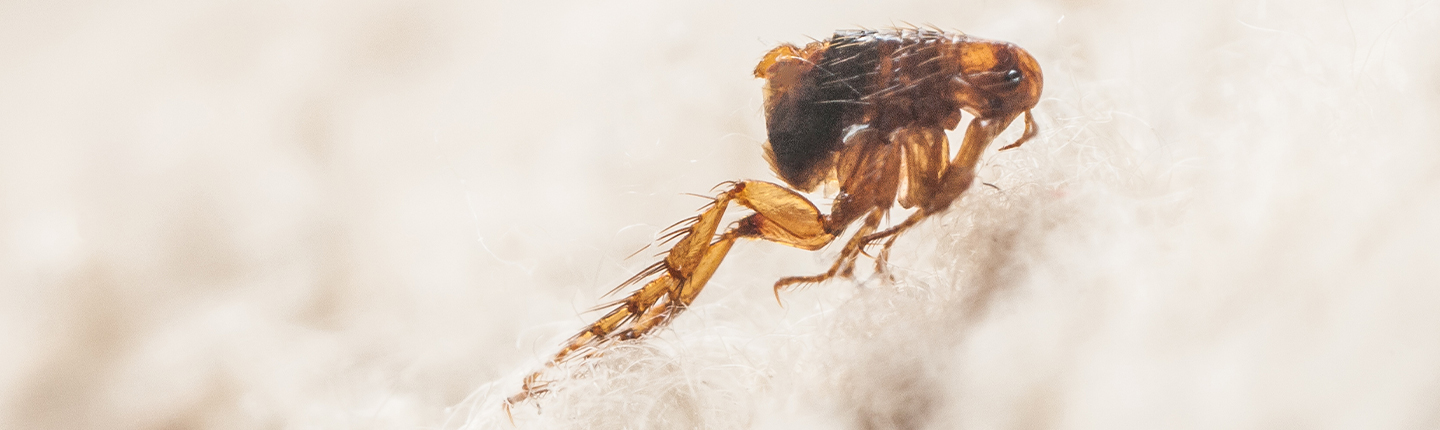
Image Source: uk.frontline.com
Why Fleas Invade Homes Without Pets
It might seem strange, but fleas can and do find their way into homes that don’t have pets. This often happens when an animal that does have fleas visits your home, even briefly. This could be a stray cat or dog that wanders into your yard, wildlife like squirrels or raccoons that get into your attic or crawl space, or even rodents like mice that find their way inside. The adult fleas on these animals will jump off when they find a suitable environment, which can be your home. They then seek out a new host, and if none is available, they will bite humans to survive, which is why you might experience itchy bites even without pets.
Another common route for fleas is through items that have been in contact with infested animals. This could include used furniture, rugs, or even potted plants that have been outside where infested wildlife has been present.
The Flea Life Cycle: A Key to Elimination
To effectively eliminate fleas, it’s crucial to grasp their life cycle. This is where the challenge lies, especially when dealing with a home flea infestation no pets. The flea life cycle has four stages: egg, larva, pupa, and adult.
- Eggs: Adult female fleas lay eggs, typically in the fur of their host. These tiny, oval-shaped eggs are not sticky and fall off the host easily, scattering into the environment. A single female flea can lay up to 50 eggs per day!
- Larvae: The eggs hatch into larvae within a few days. Larvae are legless, worm-like creatures that are sensitive to light and prefer dark, humid environments like carpets, cracks in flooring, and upholstered furniture. They feed on adult flea feces (called “flea dirt”), which also falls off the host.
- Pupae: The larvae spin silken cocoons, often incorporating debris from their surroundings, and enter the pupal stage. This is a crucial stage for getting rid of fleas when no pets. The pupal stage can last from a week to several months, depending on environmental conditions. Inside the cocoon, the flea develops into an adult.
- Adults: Once the adult flea emerges from the cocoon, it will actively seek a host to feed on. It can survive for weeks or even months without feeding if it doesn’t find a host immediately, waiting for vibrations or cues that indicate a potential meal. This waiting period in the pupal stage is why you can have a persistent flea problem even after initial treatments.
The entire life cycle can be completed in as little as two weeks under ideal conditions (warm temperatures and high humidity), but the pupal stage’s ability to survive for extended periods is what makes safe flea eradication home no pets a multi-step process.
Strategies for Flea Control Without Pets
Since you don’t have pets to treat, your focus shifts entirely to the environment. DIY flea control no animals requires a systematic approach to target all life stages.
1. Thorough Cleaning: The Foundation of Flea Treatment Without Pets
Vacuuming is your most powerful weapon. It physically removes flea eggs, larvae, and adults from carpets, upholstery, and hard floors.
Vacuuming Techniques:
- Frequency: Vacuum daily, if possible, especially in the initial stages of the infestation.
- Thoroughness: Pay special attention to areas where fleas are most likely to hide: under furniture, along baseboards, in cracks and crevices, around door frames, and in pet-free pet areas (like if a stray visited).
- Attachments: Use crevice tools and upholstery attachments to reach deep into seams and cracks.
- Disposal: Immediately after vacuuming, seal the vacuum bag or canister in a plastic bag and dispose of it outside your home. This prevents fleas from escaping and re-infesting your house.
Washing and Drying:
- Bedding and Linens: Wash all bedding, blankets, throws, curtains, and any other washable fabrics in hot water (at least 140°F or 60°C). High heat is essential to kill all flea stages.
- Dry on High Heat: Dry these items on the highest heat setting for at least 30 minutes.
- Area Rugs: If possible, take area rugs outside and beat them vigorously to dislodge eggs and larvae before vacuuming and washing them if they are washable.
2. Environmental Treatments: Targeting Remaining Fleas
After thorough cleaning, you’ll need to treat the environment directly. This is where natural flea remedies for home and more targeted pest control methods come into play.
Non-Toxic and Natural Flea Solutions for Home:
- Diatomaceous Earth (Food Grade): This is a natural powder made from fossilized aquatic organisms. It works by dehydrating insects, including fleas.
- Application: Lightly sprinkle food-grade diatomaceous earth on carpets, upholstery, and in cracks and crevices.
- Caution: Ensure it’s food-grade. While generally safe, avoid inhaling the dust, and keep it away from pets or children if you happen to have them visit, or for any potential wildlife you might encounter. It takes time to work as fleas need to come into contact with it.
- Borax: Borax is a mineral salt that can also dehydrate fleas and larvae.
- Application: Mix borax with a small amount of water to form a paste, or sprinkle it lightly on carpets. Allow it to sit for several hours or overnight, then vacuum thoroughly.
- Caution: Borax can be an irritant. Ensure good ventilation and avoid breathing in the dust. Keep children and pets away from treated areas.
- Salt: Similar to diatomaceous earth and borax, finely ground salt can dehydrate flea larvae and pupae.
- Application: Sprinkle salt liberally on carpets and upholstery. Leave it overnight and then vacuum thoroughly.
- Vinegar Sprays: A solution of equal parts white vinegar and water can be used to clean surfaces. While not a direct killer of all flea stages, it can disrupt their environment and make it less hospitable.
Insect Growth Regulators (IGRs):
- IGRs are chemicals that disrupt the flea life cycle, preventing eggs from hatching and larvae from developing into adults. They are a key component of effective pest control fleas no pets because they target the immature stages that are often hidden.
- Application: IGRs are often available in spray or fogger formulations. You can purchase these products from pest control supply stores or online. Follow the product instructions carefully.
- Safety: While IGRs are generally safer than traditional insecticides, it’s still important to follow safety precautions, such as ventilating the area after application and keeping children and pets (if any temporarily visit) away from treated areas until the product has dried and the area is aired out.
Flea Bombs or Foggers:
- These products release a fine mist that can penetrate cracks and crevices to kill adult fleas. They often contain an insecticide and an IGR.
- When to Use: Foggers can be effective for widespread infestations. However, they may not reach all flea pupae, which are protected within their cocoons.
- Application: It’s crucial to follow the instructions precisely. This usually involves vacating the premises for several hours. Remove all food items, cover fish tanks, and ensure all open windows are sealed.
- Caution: Foggers can be potent and require careful use. Ensure thorough ventilation after treatment.
3. Targeted Treatments for Specific Areas
Even without pets, specific areas might harbor fleas.
- Cracks and Crevices: Use a crack and crevice applicator with an insecticide or IGR spray to target these hard-to-reach places where larvae and pupae often reside.
- Upholstered Furniture and Rugs: In addition to vacuuming, consider using a fabric-safe flea spray or fogger on furniture and rugs. Always test in an inconspicuous area first.
Preventative Measures for Flea Prevention Home No Pets
Once you’ve tackled an infestation, implementing preventative measures is key to stopping it from recurring.
- Seal Entry Points: Inspect your home for any cracks or holes in walls, foundations, or around windows and doors that wildlife or stray animals could use to enter. Seal these openings.
- Yard Maintenance: Keep your lawn mowed and free of debris, as this can attract fleas and their hosts. Consider using natural deterrents in your yard if you suspect outdoor animals are the source.
- Regular Cleaning: Continue with regular, thorough vacuuming and washing of fabrics.
- Visitor Awareness: If you have visitors who own pets, ask them to check their pets for fleas before visiting, or request they take precautions to avoid bringing fleas into your home.
Frequently Asked Questions (FAQ)
Q1: Can fleas survive in a house with no pets?
Yes, fleas can survive in a house with no pets. They can enter homes on clothing, shoes, or through contact with infested wildlife (like rodents or stray animals) that may enter your yard or home. Once inside, they will seek a host, and if none is available, they will bite humans.
Q2: How long does it take to get rid of fleas without pets?
Getting rid of fleas without pets can take time, often several weeks to a few months, depending on the severity of the infestation and the diligence of your cleaning and treatment efforts. The key is to break the flea life cycle, which includes the resilient pupal stage that can remain dormant for extended periods.
Q3: What kills fleas instantly without pets?
For immediate impact on adult fleas, products containing pyrethrins, pyrethroids, or fipronil can be effective. However, it’s crucial to remember that these will only kill the adult fleas present at the time of application. To eliminate an infestation, you must also target the eggs, larvae, and pupae. Insect Growth Regulators (IGRs) are vital for this long-term solution.
Q4: Are there safe flea eradication home no pets methods?
Yes, there are several safe flea eradication home no pets methods. Diatomaceous earth (food grade), steam cleaning carpets, and meticulous vacuuming are all non-toxic approaches. When using chemical treatments, opt for products specifically labeled as safe for use in homes without pets and follow all safety instructions carefully, ensuring good ventilation and avoiding direct contact.
Q5: How do I stop fleas from coming back if I don’t have pets?
Flea prevention home no pets involves sealing entry points to your home, maintaining a clean living environment through regular vacuuming and washing fabrics, and being mindful of potential sources of infestation from the outside, such as wildlife or temporary visitors with pets.
Q6: Can fleas lay eggs on humans?
Fleas do not typically lay eggs on humans. Humans are not their preferred hosts, and while fleas will bite humans for blood, they are more likely to lay eggs on animals with fur. The eggs then fall off the animal and into the environment.
Q7: My neighbor has a dog with fleas. Can their fleas get into my house?
Yes, if your neighbor’s dog has fleas, it’s possible for those fleas to travel from your neighbor’s property to yours. Fleas can jump or be carried by wind or other animals. If they reach your home, they can enter through open doors, windows, or any small gaps.
Q8: I haven’t seen any fleas, but I’m getting bitten. What does this mean?
If you are getting bitten but not seeing fleas, it’s a strong indicator of an existing infestation. Fleas are very small and adept at hiding, especially in carpets and upholstery. The bites might appear as small red bumps, often around the ankles and legs, and can be very itchy. This is a sign to start your flea treatment without pets protocol immediately.
Q9: What is the fastest way to eliminate fleas from house without pets?
The fastest way to eliminate fleas involves a multi-pronged approach combining aggressive cleaning (daily vacuuming with immediate disposal of the bag), thorough washing of all textiles in hot water, and the use of effective insecticides and Insect Growth Regulators (IGRs). Environmental foggers or sprays can provide a quicker knockdown of adult fleas, but the IGR component is crucial for long-term success. Persistence is key, as pupae can take time to emerge.
Q10: Can I use pet flea treatments in my home if I don’t have pets?
While some active ingredients in pet flea treatments might be found in household flea sprays, it is generally not recommended to use pet-specific flea treatments directly in your home if you don’t have pets. These products are formulated for direct application on animals and may contain ingredients or concentrations that are not suitable or safe for general household use or for human exposure. Always choose products specifically labeled for household pest control.