
What is the best way to keep chickens out of a garden? The most effective approach combines physical barriers, deterrents, and vigilant monitoring to create a multi-layered defense system for your precious plants.
Chickens are curious, intelligent, and can be devastating to a garden. Their scratching can uproot seedlings, their pecking can destroy ripe fruits and tender greens, and their droppings, while great for compost, can sometimes be too much for young plants. Protecting your vegetables requires a strategic and consistent effort. This guide will walk you through various methods for poultry exclusion and chicken proofing your garden, ensuring your hard work isn’t wasted.
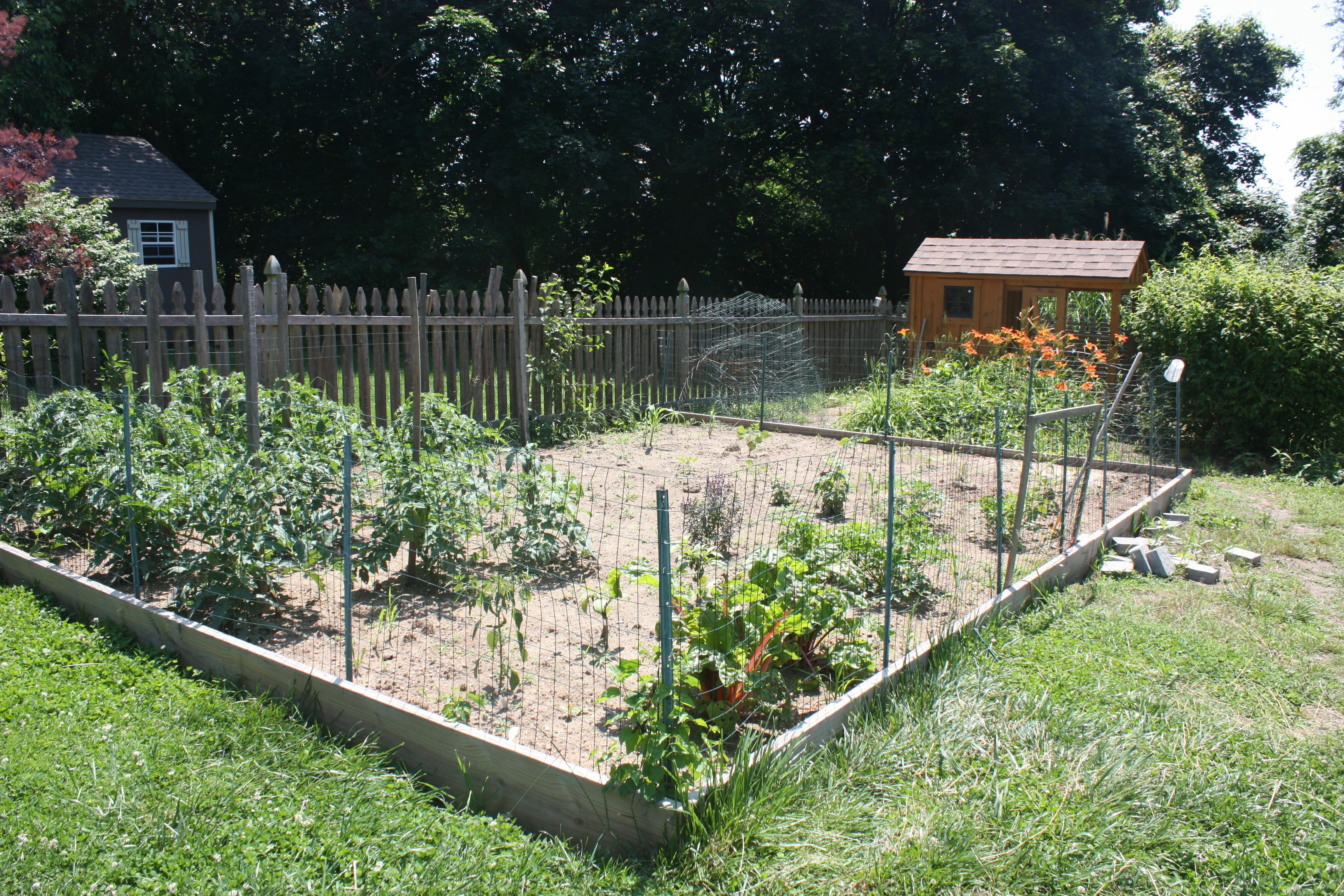
Image Source: modernfarmer.com
Why Chickens Invade Gardens
Before we delve into solutions, let’s consider why chickens find gardens so appealing. Gardens offer a smorgasbord of delights for a chicken:
- Tender Greens: Young, succulent lettuce, spinach, and other leafy greens are a favorite.
- Juicy Bugs: Chickens are natural insectivores, and gardens are often teeming with tasty beetles, worms, and grubs.
- Edible Roots: They love to scratch and find buried treasures like worms and small roots.
- Grains and Seeds: Any spilled birdseed or dropped grains can be an irresistible snack.
- Dust Baths: Bare soil patches are perfect for dust bathing, which helps them manage parasites.
Essential Strategies for Poultry Exclusion
Keeping chickens out of your garden is about creating effective chicken barriers that deter them without causing harm. A combination of methods often yields the best results.
1. Robust Garden Fencing
This is arguably the most crucial element in protecting vegetables from chickens. A well-constructed fence acts as a physical impediment.
Types of Garden Fencing
- Chicken Wire: While commonly used for chicken coops, standard chicken wire (1-inch or 2-inch mesh) is a good starting point. However, determined chickens, especially larger breeds, might be able to squeeze through or damage it.
- Hardware Cloth: This is a sturdier option with smaller openings (1/2-inch or 1/4-inch mesh). It’s more expensive but much more effective at keeping out not only chickens but also smaller garden pests like rodents.
- Welded Wire Fencing: Available in various mesh sizes, welded wire is generally stronger and more rigid than chicken wire, offering better resistance to bending and pushing.
- Electric Fencing: For persistent invaders or larger areas, a low-voltage electric fence can be a highly effective chicken deterrent. The mild shock discourages chickens from even approaching the garden. It requires proper installation and maintenance.
Fence Height and Depth
- Height: A fence should be at least 4-6 feet tall. While chickens can fly, they typically won’t attempt to fly over a fence unless strongly motivated. A higher fence provides extra security.
- Depth: Chickens are excellent scratchers. To prevent them from digging under the fence, bury the fencing material at least 6-12 inches into the ground. You can also create an “apron” by extending the wire outward at the base, either on the ground or buried. This makes it harder for them to get a foothold to dig.
Reinforcing Existing Fences
If you have an existing fence around your property that isn’t specifically for poultry exclusion, you can often reinforce it:
- Add Chicken Wire or Hardware Cloth: Attach chicken wire or hardware cloth to the lower section of your existing fence to close any gaps chickens could exploit.
- Secure Gates: Ensure all gates are securely latched and free of gaps.
2. Bird Netting: A Lightweight Barrier
Bird netting can be a useful tool, especially for protecting specific plants or sections of your garden.
- Over Row Covers: Drape lightweight netting over hoops or frames to create mini-greenhouses that also exclude birds.
- Covering Individual Plants: For tall plants or fruit bushes, netting can be draped over them, ensuring it’s secured at the base to prevent chickens from getting underneath.
- Caution: Be mindful of the netting’s mesh size and material. Chickens can get tangled in some types of netting, leading to injury. Opt for larger mesh sizes or materials specifically designed for larger birds. Regularly check netted areas for any trapped birds.
3. Utilizing Repellents for Chickens
While physical barriers are the most reliable, repellents for chickens can add an extra layer of deterrence. These work by making the garden area unpleasant or startling to them.
Scent-Based Repellents
Chickens have a strong sense of smell. Certain strong or unpleasant scents can keep them away.
- Cayenne Pepper/Chili Powder: Sprinkle cayenne pepper or chili powder around the perimeter of your garden or directly on plants. Reapply after rain or watering. Be cautious not to overspray, as it can irritate your own eyes and skin.
- Garlic and Onion Scraps: The strong odor of garlic and onion can deter chickens. Burying scraps or planting these aromatics around the garden can help.
- Essential Oils: Some gardeners report success with essential oils like peppermint, citronella, or eucalyptus. Dilute a few drops in water and spray around the garden.
Taste-Based Repellents
- Bittersweet Sprays: Commercial sprays often use bitter compounds that chickens find unpalatable. You can create a similar effect with diluted, unsweetened apple cider vinegar or diluted bitter melon juice.
Auditory and Visual Deterrents
- Scarecrows and Reflective Objects: While traditional scarecrows may work for a short time, chickens are intelligent and can quickly realize they aren’t a threat. Shiny objects like old CDs, aluminum foil strips, or reflective tape can startle them and break up their routine. Motion-activated sprinklers can also be effective, startling them with a burst of water.
- Plastic Predators: Owl or hawk decoys can sometimes work, but like scarecrows, chickens may become accustomed to them. Move them around frequently to maintain their effectiveness.
4. Garden Layout and Design Considerations
Smart garden design can naturally discourage chickens.
Raised Garden Beds
- Height Advantage: Raised garden beds that are at least 12-18 inches high can make it more difficult for chickens to access the plants. If the sides are smooth and vertical, they are less likely to perch on the edges.
- Enclosing Raised Beds: Even with raised beds, it’s wise to add a protective fence or netting around them.
Companion Planting
Some plants are thought to deter chickens due to their strong scents or textures.
- Aromatic Herbs: Planting strong-smelling herbs like rosemary, sage, mint, and thyme around the perimeter of your garden might help mask the scent of more palatable plants.
- Spiky Plants: Plants with sharp or spiky leaves, like marigolds or some ornamental grasses, can make areas less inviting for scratching.
5. Diversionary Tactics
Sometimes, giving chickens their own attractive space can divert their attention from your garden.
- Designated Foraging Areas: If you allow your chickens some free-range time, create a separate foraging area with plenty of natural bugs, greens, and scratching opportunities away from the garden.
- Sacrificial Crops: Plant a small patch of something chickens absolutely love (like corn or sunflowers) outside your main garden area. This can act as a decoy.
6. Direct Management of Your Flock
If you own the chickens, careful management is key to preventing chicken damage.
Coop and Run Security
- Secure Coop: Ensure their coop is secure at night to prevent predators and that there are no easy escape routes.
- Reinforced Run: If they have an attached run, make sure it’s completely enclosed, including the top, to prevent escape and aerial entry by predators.
Supervised Free-Ranging
- Containment: When allowing chickens to free-range, supervise them closely and keep them within designated areas that do not include your garden.
- “Chicken Patrols”: Dedicate time to walk through your garden and gently shoo away any chickens that get too close.
7. Addressing Accidental Entry
Even with the best plans, there will be times when chickens find a way in.
- Regular Inspections: Make it a habit to walk around your garden and check your fences for any breaches, loose wires, or digging attempts.
- Quick Repairs: Address any damage to your fencing immediately to prevent further incursions.
Advanced Techniques for Chicken Proofing
For those who face persistent chicken invasions or have particularly valuable crops, consider these more advanced chicken proofing methods.
Motion-Activated Sprinklers
These devices detect movement within a certain range and release a burst of water. The sudden spray is startling and can effectively deter chickens and other garden pests.
Decoy Predators and Noise Makers
While mentioned earlier, the key to making these effective is constant repositioning. Chickens are smart and will quickly learn that a stationary object isn’t a threat. Intermittently changing the location of fake owls, snakes, or setting off small noisemakers can increase their effectiveness.
Using Dog or Other Animal Presence
If you have a dog that is trained to deter chickens, their presence alone can be a significant deterrent. However, ensure your dog doesn’t harm the chickens and is supervised. The scent of a predator can also be a strong deterrent.
When Chickens Become Garden Pests: Garden Pest Control
While we typically think of insects or slugs as garden pests, chickens can certainly fall into this category when they are not contained. The methods described above are forms of garden pest control aimed specifically at your feathered visitors.
Protecting Vulnerable Plants
Some plants are more susceptible to chicken damage than others.
- Seedlings: Young seedlings are incredibly vulnerable. Their tender stems and leaves are a prime target. Protective cages made from hardware cloth or chicken wire can be placed around individual seedlings or small groups.
- Fruiting Plants: Tomatoes, strawberries, peppers, and berries are often pecked at as they ripen. Netting or fine mesh bags can protect individual fruits or entire plants.
- Leafy Greens: Lettuce, spinach, kale, and other salad greens are highly attractive. Ensuring these are well-fenced or covered is crucial.
Table: Comparing Chicken Deterrent Effectiveness
| Deterrent Method | Effectiveness Rating | Pros | Cons | Best For |
|---|---|---|---|---|
| Robust Fencing | Very High | Physical barrier, long-term solution | Initial cost, can be unsightly, requires maintenance | All gardens, especially those with free-ranging chickens |
| Bird Netting | Moderate to High | Lightweight, protects specific areas, relatively inexpensive | Can be messy, chickens can get tangled, needs regular checking | Protecting fruiting plants, row covers |
| Scent Repellents | Low to Moderate | Easy to apply, inexpensive | Needs frequent reapplication, can be washed away by rain, may not work on all chickens | Supplementing other methods, deterring casual pecking |
| Visual/Auditory | Low | Non-harmful, can startle | Chickens become accustomed to them quickly, needs constant movement | Short-term deterrence, used with other methods |
| Raised Beds | Moderate | Creates height advantage | Chickens can still reach if low enough, needs fencing around them | Gardens with limited space, protecting against casual access |
| Motion-Activated Sprinklers | High | Effective, humane, multi-pest deterrent | Higher initial cost, needs water source, can be triggered by other movement | Areas with persistent chicken access, gardens near pathways |
| Electric Fencing | Very High | Highly effective, humane shock | Requires installation, electrical source, higher cost, can be dangerous if not installed correctly | Areas with persistent, determined chicken access, large garden perimeters |
Frequently Asked Questions (FAQ)
Q1: Can chickens eat my garden vegetables?
A1: Yes, chickens can and will eat a wide variety of garden vegetables, especially tender greens, fruits, and any stray seeds or insects found there.
Q2: Will cayenne pepper really keep chickens out of my garden?
A2: Cayenne pepper can act as a deterrent for some chickens due to its spicy nature. However, its effectiveness varies, and it needs to be reapplied regularly, especially after rain or watering. It’s best used as a supplementary deterrent.
Q3: How tall does a fence need to be to keep chickens out?
A3: A fence should ideally be between 4 to 6 feet tall. While chickens can fly, they are generally reluctant to fly over a barrier unless strongly motivated.
Q4: Do chickens dig under fences?
A4: Yes, chickens are avid scratchers and can dig under fences. To prevent this, bury the fencing material at least 6 to 12 inches into the ground or create an outward-facing apron at the base of the fence.
Q5: What is the best material for a chicken-proof fence?
A5: Hardware cloth with a 1/2-inch or 1/4-inch mesh is generally considered one of the best materials for chicken proofing due to its strength and small openings, preventing both chickens and smaller pests from entering. Welded wire fencing is also a good, strong option.
Q6: Are there humane ways to keep chickens out of my garden?
A6: Absolutely. The most humane methods involve physical barriers like sturdy fencing, netting, and raised beds. Deterrents like scent sprays (made from natural ingredients) and visual deterrents like moving decoys can also be humane. Motion-activated sprinklers offer a startling but non-harmful deterrent.
Q7: What are some natural chicken deterrents I can use?
A7: Natural deterrents include cayenne pepper, garlic and onion scraps, strong-smelling herbs like rosemary and mint planted around the perimeter, and shiny objects like CDs or reflective tape to startle them.
Q8: My chickens keep escaping their run and going into the garden. What should I do?
A8: This indicates a problem with the security of their coop and run. You need to reinforce the fencing of their run, ensuring there are no holes, gaps, or weak spots. Make sure the top is also secured, as chickens can be surprisingly good climbers or flyers. Regularly inspect the run for damage and repair it promptly.
By implementing a combination of these strategies, you can create a well-protected garden that allows your vegetables to thrive, free from the disruptive habits of your feathered friends. Consistent vigilance and timely repairs will ensure your garden remains a safe haven for your plants.