
Can you keep mice out of your garden without harming them? Yes, you absolutely can! Effective and safe mouse removal from your garden is achievable through a combination of prevention, natural deterrents, and humane trapping methods. This guide will explore various strategies to keep these common garden pests from nibbling on your plants and making your garden their home.
Mice, while small, can cause significant damage to a garden. They feast on seeds, seedlings, vegetables, fruits, and even the roots of your prized plants. Beyond direct consumption, they can also spread diseases and contaminate your harvest. Dealing with mice is a common challenge for gardeners, and many are looking for solutions that are both effective and environmentally friendly. This article delves into comprehensive garden pest control strategies, focusing on rodent proofing your garden, employing natural mouse deterrents, and utilizing safe mouse removal techniques.
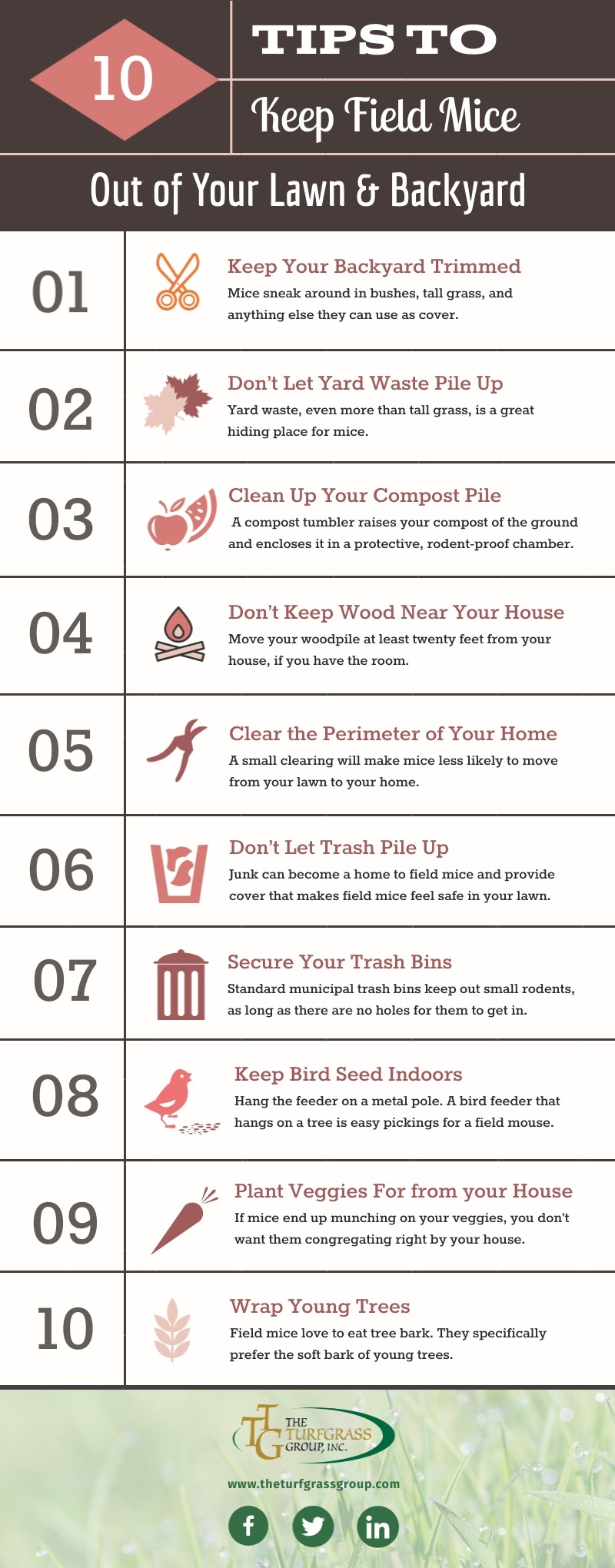
Image Source: theturfgrassgroup.com
Preventing Mice in Your Vegetable Patch: The First Line of Defense
Preventing mice from even considering your garden a desirable habitat is the most effective long-term strategy. This involves making your garden less attractive and less accessible.
Securing Your Garden Boundaries
A key aspect of rodent proofing your garden is creating physical barriers. Mice are small and can squeeze through surprisingly small openings, so fencing needs to be robust.
Garden Fencing for Rodents
When choosing garden fencing for rodents, consider the following:
- Material: Sturdy materials like galvanized steel or hardware cloth are best. Avoid flimsy plastic or mesh that mice can chew through.
- Height: A fence should be at least 2 feet high to deter mice from jumping over.
- Depth: Bury the fence at least 6 inches into the ground. Mice are excellent burrowers, and this prevents them from tunneling underneath.
- Mesh Size: The mesh openings should be no larger than 1/4 inch. This is small enough to prevent mice from entering.
Table 1: Recommended Fencing Specifications for Mice
| Feature | Specification |
|---|---|
| Material | Galvanized steel, hardware cloth |
| Height | Minimum 2 feet (24 inches) |
| Depth | Minimum 6 inches underground |
| Mesh Size | Maximum 1/4 inch |
| Durability | Chew-resistant, weather-resistant |
Eliminating Food Sources
Mice are drawn to gardens primarily for food. Removing potential food sources is crucial for preventing mice in vegetable patch areas.
- Harvest Promptly: Don’t leave ripe fruits and vegetables on the ground. Fallen produce is an easy meal for mice and other wildlife. Harvest regularly and store your produce in secure containers.
- Secure Compost Piles: Compost can be a fantastic food source for mice if not managed properly. Ensure your compost bin is enclosed and has a lid. Turn your compost regularly to speed up decomposition, making it less appealing to pests. Avoid adding meat or dairy products to your compost, as these are particularly attractive to rodents.
- Clean Up Spills: If you feed birds or other wildlife in your garden, clean up any spilled seeds or feed promptly. Bird feeders can be a major attractant for mice. Consider using rodent-proof feeders.
- Manage Pet Food: Never leave pet food outdoors overnight. It’s a direct invitation for mice and other unwanted visitors.
Removing Shelter and Nesting Sites
Mice also seek out safe, sheltered places to build their nests. Eliminating these hiding spots can make your garden less hospitable.
- Clear Debris: Regularly clear away piles of leaves, woodpiles, tall grass, and overgrown vegetation. These areas provide excellent cover for mice to hide and nest.
- Store Firewood: If you store firewood, keep it off the ground and away from the house or garden shed. Elevated woodpiles are less likely to harbor mice.
- Seal Entry Points: Inspect your garden shed, garage, and any other outdoor structures for cracks or holes. Seal these entry points with steel wool or caulk to prevent mice from getting inside and nesting.
Natural Mouse Deterrents: Gentle but Effective Solutions
Once you’ve secured your garden’s perimeter and removed obvious attractants, you can employ a range of natural mouse deterrents to further discourage mice. These methods are generally safe for children, pets, and beneficial wildlife.
Repellents for Mice: Harnessing the Power of Scent
Mice have a keen sense of smell and can be repelled by certain strong scents. Many essential oils for mice fall into this category.
- Peppermint Oil: This is one of the most popular natural mouse deterrents. The strong scent of peppermint oil can overwhelm a mouse’s senses, making an area unbearable for them.
- Application: Soak cotton balls in pure peppermint oil and place them around your garden beds, near entry points of structures, and in areas where you’ve seen mouse activity. Reapply every few days as the scent fades.
- DIY Spray: Mix 10-15 drops of peppermint essential oil with a cup of water and a tablespoon of dish soap (as an emulsifier). Spray this mixture around the perimeter of your garden and on plant bases.
- Other Essential Oils: Other essential oils that have shown repellent properties against mice include:
- Eucalyptus Oil: Similar to peppermint, its strong aroma can deter mice.
- Tea Tree Oil: Known for its strong medicinal scent.
- Clove Oil: A pungent spice oil that can be effective.
- Citronella Oil: Often used as an insect repellent, its strong scent can also deter mice.
- Caution with Essential Oils: While generally safe, ensure essential oils are not ingested by pets or children. Apply them to cotton balls or fabrics rather than directly onto plants, as concentrated oils can sometimes damage foliage.
Plant-Based Deterrents
Certain plants themselves can act as natural mouse deterrents.
- Mint Varieties: Beyond peppermint, other mints like spearmint, catnip (though attractive to cats, its scent can deter mice), and pennyroyal can be planted around the garden. Consider planting them in containers, as mint can spread aggressively.
- Garlic and Onions: The strong odor of garlic and onions can be unpleasant for mice. Planting them in and around your garden beds can offer some protection.
- Marigolds: These cheerful flowers are known for deterring a variety of pests, including mice, due to their distinct scent.
Other Natural Repellents
- Cayenne Pepper/Chili Powder: Mice dislike the heat and the scent. Sprinkle cayenne pepper or chili powder around the base of plants or along garden borders. Reapply after rain.
- Ammonia-Soaked Rags: The smell of ammonia is reminiscent of predator urine and can scare mice away. Soak rags in ammonia and place them in small, open containers around the garden. This method requires frequent reapplication and caution as ammonia fumes can be strong.
Safe Mouse Removal: Humane Options for Existing Infestations
If you already have mice in your garden, employing safe mouse removal methods is paramount, especially if you have pets or children who use the garden.
Humane Mouse Traps
Traditional snap traps can be lethal and non-discriminatory. Humane traps catch mice alive, allowing for their relocation.
- Types of Humane Traps:
- One-way Door Traps: These traps have an entrance that allows mice to enter but not exit.
- Live Catch Traps: These are typically small boxes or tunnels with a mechanism that seals the entrance once the mouse enters.
- Baiting Humane Traps: Use attractive bait such as peanut butter, oats, seeds, or a small piece of fruit. Place the bait at the back of the trap to ensure the mouse enters fully.
- Checking Traps Regularly: It is crucial to check humane traps at least twice a day. A trapped mouse can quickly become stressed, dehydrated, or die from exposure.
- Relocation: Once a mouse is caught, it needs to be relocated. Choose a release site that is at least 1-2 miles away from your home. This prevents the mouse from returning. Ensure the release site has access to food, water, and shelter. Be aware of local regulations regarding wildlife relocation.
Encouraging Natural Predators
Another natural mouse deterrent is to encourage animals that prey on mice.
- Owls and Hawks: These birds of prey are natural predators of mice. Providing owl boxes or maintaining a habitat that attracts them can help control mouse populations.
- Snakes: While some may find snakes unsettling, they are efficient rodent controllers. If you don’t have venomous snakes in your area, allowing non-venomous snakes to inhabit your garden can be beneficial.
- Cats: Domestic cats are natural hunters. Allowing a cat to roam your garden (supervised, if necessary) can help keep mouse numbers down.
Advanced Rodent Proofing Techniques
Beyond basic fencing, more advanced rodent proofing can offer enhanced protection for specific areas or valuable plants.
Elevated Garden Beds
Raised garden beds offer several advantages, including better drainage and soil control, but they also inherently deter mice to some extent by lifting the plants off the ground.
- Height: Ensure raised beds are at least 18 inches high.
- Base Material: Consider lining the bottom of raised beds with hardware cloth before filling them with soil. This creates a barrier against burrowing mice.
Protective Collars and Cages
For individual plants that are particularly vulnerable or valuable, you can use protective measures.
- Plant Collars: Create collars from stiff plastic or hardware cloth that wrap around the base of young plants. These should extend a few inches below the soil surface and a few inches above the soil line.
- Small Cages: For seedlings or very young plants, small cages made of hardware cloth can offer complete protection. Ensure these cages are secured to the ground to prevent mice from lifting them.
Addressing Common Garden Pests: Mice as Part of the Ecosystem
Mice are just one of many common garden pests. Understanding their role and how they interact with the garden environment can help refine your pest control strategies.
- Identification: Properly identify the pest before implementing control measures. Mouse damage often involves gnawing at stems, roots, and fallen fruits. You might also see small droppings.
- Integrated Pest Management (IPM): This approach combines various methods – biological, cultural, physical, and chemical (used as a last resort) – to manage pests in an environmentally responsible way. For mice, IPM heavily emphasizes prevention and the use of natural mouse deterrents and humane removal.
Dealing with Mice in Specific Garden Areas
Your strategy might need slight adjustments depending on where in your garden the mice are causing trouble.
Mice in Flower Beds
- Focus: Flower beds might attract mice looking for seeds, bulbs, or tender shoots.
- Methods: Use peppermint oil-soaked cotton balls, plant mint or marigolds nearby, and ensure you clean up fallen petals and seeds. Consider using hardware cloth to line the edges of beds where mice seem to enter.
Mice in Fruit Trees
- Focus: Mice can damage fruit tree bark, especially in winter when other food sources are scarce. They can girdle the tree, leading to damage or death.
- Methods: Use tree guards made of wire mesh or sturdy plastic around the base of the trunk. Keep the area around the tree clear of fallen fruit and weeds. Consider repellents applied to the lower trunk (ensure they are plant-safe).
Mice in Vegetable Gardens
- Focus: This is often the most problematic area as mice will consume seedlings, leaves, and ripening vegetables.
- Methods: Robust rodent proofing with buried hardware cloth around the entire vegetable patch is highly recommended. Employ a variety of natural mouse deterrents and promptly harvest all produce. Remove any plant debris that could offer shelter.
Important Considerations for Safe Mouse Removal
When implementing any method for safe mouse removal, always prioritize:
- Safety for Non-Target Species: Ensure your methods do not harm beneficial insects, birds, or your pets. Avoid broad-spectrum poisons.
- Personal Safety: Wear gloves when handling mouse droppings or cleaning up affected areas, as mice can carry diseases.
- Local Wildlife: Be mindful of local regulations and the ecological impact of your actions.
Frequently Asked Questions about Garden Mice
What are the signs of mice in my garden?
Signs include gnawed seeds and seedlings, nibbled fruits and vegetables, small droppings (about the size of a grain of rice), and tiny footprints in soft soil. You might also hear scurrying sounds at dusk or dawn.
Can I use essential oils to deter mice effectively?
Yes, essential oils like peppermint, eucalyptus, and tea tree oil can be effective natural mouse deterrents. Apply them by soaking cotton balls or creating sprays. Reapplication is necessary as the scent fades.
Are humane mouse traps truly effective?
Humane mouse traps are effective at catching mice alive. However, their overall effectiveness in completely clearing an infestation depends on consistent use and proper relocation. They are a good option for safe mouse removal and reducing populations humanely.
How do I protect my vegetable patch from mice?
Preventing mice in your vegetable patch involves rodent proofing with buried hardware cloth, eliminating food sources by harvesting promptly, removing shelter, and using natural mouse deterrents like peppermint oil or repellent plants.
What is the best way to keep mice out of my garden permanently?
Permanent exclusion requires consistent effort. Combining robust garden fencing for rodents, meticulous cleanup of food sources and debris, and the regular use of natural mouse deterrents is the most effective long-term strategy for keeping mice out of your garden.
Are there any plants that mice really dislike?
Yes, mice generally dislike plants with strong scents, such as various types of mint (peppermint, spearmint), garlic, onions, and marigolds. Planting these around your garden can act as natural mouse deterrents.
By implementing these strategies, you can create a garden that is both productive and uninviting to mice, ensuring your hard work is protected by safe mouse removal and effective garden pest control practices.