
Can I kill snails in my garden safely and effectively? Yes, you absolutely can! Many natural methods exist to manage snail populations without resorting to harsh chemicals, making them a fantastic choice for organic gardening and keeping your family and pets safe. This guide will delve into various natural snail deterrents and provide practical advice on garden pest removal, ensuring your precious plants are protected from these slimy marauders.
Snails can be a gardener’s worst nightmare. Their insatiable appetite for tender leaves and seedlings can decimate a promising crop overnight, leaving you with bare stalks and a sense of despair. But before you reach for the chemical arsenal, know this: there are many effective and eco-friendly ways to combat these garden pests. This article is your comprehensive resource for eliminating snails naturally, focusing on safe snail killing methods and strategies for garden protection from snails. We’ll explore home remedies for snails, how to set up effective snail traps, and importantly, how to prevent snail damage from occurring in the first place.
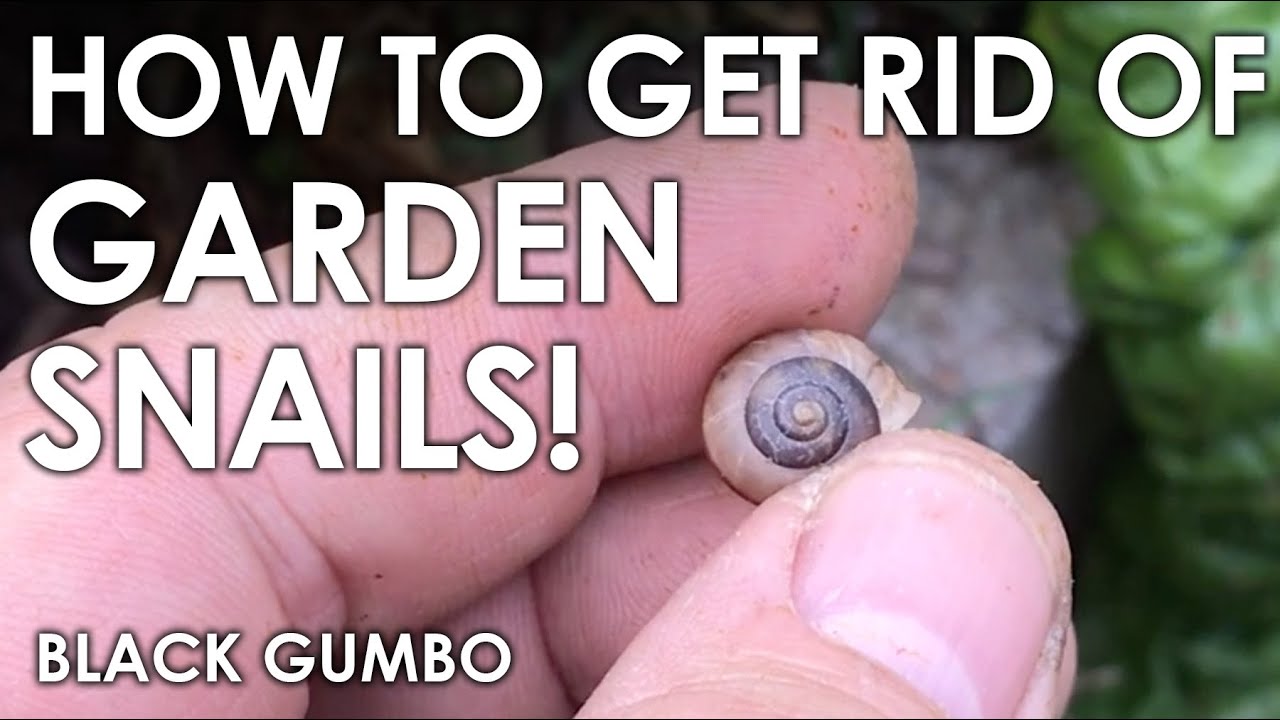
Image Source: i.ytimg.com
The Slime Trail: Why Snails Love Your Garden
Before we dive into solutions, it’s helpful to grasp why snails are so drawn to our cultivated spaces. Snails thrive in environments with:
- Moisture: Damp soil, shady spots, and frequent watering create ideal conditions. They are most active during wet weather or at dawn and dusk.
- Shelter: Leaf litter, mulch, dense ground cover, rocks, and logs provide them with safe havens from predators and the drying sun.
- Food: Young, tender plants are particularly appealing. Their rasping mouthparts (called a radula) can quickly damage leaves, stems, and even fruits.
Natural Snail Deterrents: Building a Barrier
The first line of defense against snails often involves creating physical barriers that make it difficult or unpleasant for them to reach your plants. These are some of the most popular and effective natural snail deterrents.
1. Copper: A Not-So-Friendly Barrier
Copper is a fantastic natural snail deterrent. When snails touch copper, a small electrical reaction occurs, which is unpleasant enough to make them retreat.
How Copper Works:
- The Reaction: Copper reacts with the snail’s slime, creating a mild, irritating sensation.
- Effective Application: This can be achieved by using copper tape, copper mesh, or even old copper coins placed around the base of vulnerable plants, pots, or raised beds.
- Key Considerations: Ensure the copper barrier is at least 2 inches wide and extends slightly upwards. Keep it clean, as dirt and debris can reduce its effectiveness.
2. Crushed Eggshells: A Sharp Surprise
Crushed eggshells are a classic home remedy for snails. The sharp, jagged edges are uncomfortable for snails to crawl over.
Application:
- Preparation: Thoroughly wash and dry eggshells. Crush them into small, sharp pieces.
- Deployment: Sprinkle a generous layer of crushed eggshells around the base of your plants. Reapply after rain.
- Effectiveness: While not foolproof, a good layer of sharp eggshells can deter many snails. The calcium from the shells also benefits the soil as they decompose.
3. Diatomaceous Earth (Food Grade): The Gentle Abrasive
Diatomaceous Earth (DE) is a natural powder made from fossilized aquatic organisms. It’s sharp and abrasive at a microscopic level, which is lethal to snails.
How to Use DE:
- Application: Sprinkle a dry layer of food-grade DE around plants.
- Mechanism: DE works by abrading the snail’s soft outer layer, causing them to dehydrate.
- Important Note: DE is only effective when dry. Reapply after rain or heavy dew. It’s also crucial to use food-grade DE, as industrial grades can be harmful to other beneficial insects and animals.
4. Coffee Grounds: A Bitter Taste
Many gardeners swear by coffee grounds as an organic snail repellent. The caffeine is thought to be toxic to snails, and the gritty texture can also be a deterrent.
Using Coffee Grounds:
- Application: Sprinkle a layer of used coffee grounds around your plants.
- Reapplication: Like eggshells and DE, coffee grounds need to be reapplied, especially after watering.
- Soil Benefit: Coffee grounds can also improve soil structure and add nitrogen.
5. Sawdust and Wood Ash: Creating Dry Barriers
Dry, absorbent materials like sawdust and wood ash can create a challenging terrain for snails. They absorb the slime and can dry out the snails.
Tips for Use:
- Application: Create a band of dry sawdust or wood ash around your garden beds.
- Caution: Wood ash can alter soil pH, so use it sparingly, especially if your soil is already alkaline. Avoid using ash from treated wood.
6. Crushed Seashells: Similar to Eggshells
Crushed seashells offer a similar protective barrier to eggshells. The sharp edges deter snails.
Application:
- Source: Collect clean, broken seashells.
- Preparation: Crush them into smaller, jagged pieces.
- Placement: Scatter around plants.
Effective Snail Traps: Luring Them In
Trapping is a highly effective method for reducing snail populations. These methods lure snails away from your plants.
1. Beer Traps: The Classic Choice
This is arguably the most famous and effective snail trap. Snails are attracted to the yeast in beer and drown in the liquid.
Setting Up a Beer Trap:
- Container: Bury a shallow container (like a yogurt cup, tuna can, or small plastic tub) so its rim is level with the soil.
- The Bait: Fill the container about halfway with cheap beer.
- Placement: Place traps strategically near plants that are frequently attacked.
- Maintenance: Check and empty the traps daily. Snails will drown overnight. Refill with fresh beer as needed.
2. Citrus Peel Traps: A Fresh Alternative
While not lethal, citrus peels can act as a lure, drawing snails away from your plants.
How to Use Citrus Peels:
- Preparation: Cut grapefruit, orange, or lemon peels into large pieces.
- Placement: Place the peels cut-side down in your garden, especially near affected plants.
- Action: Snails will congregate under the peels for shelter.
- Disposal: In the morning, carefully lift the peels, collect the snails, and dispose of them away from your garden or in soapy water.
3. Board or Tile Traps: Simple Shelters
Similar to citrus peels, a damp board or tile can provide attractive shelter for snails.
Implementation:
- Materials: Use a piece of damp wood, a slate tile, or even a large, flat rock.
- Placement: Place these in shady, damp areas of your garden, especially in the evening.
- Collection: In the morning, lift the board or tile. Snails will be underneath. Collect them for disposal.
Natural Snail Killing Methods: Direct Action
Sometimes, direct action is necessary. These methods provide safe snail killing methods without harming beneficial insects or the environment.
1. Handpicking: The Direct Approach
This is the most straightforward, albeit labor-intensive, method.
Best Practices:
- Timing: Go out at dawn, dusk, or after rain when snails are most active.
- Collection: Use gloves or a trowel to pick them up.
- Disposal: Dispose of them in a bucket of soapy water, crush them, or relocate them far away from your garden.
2. Salting: A Potent but Careful Solution
Salt can kill snails by drawing out their moisture. However, it can also harm your soil and plants if used carelessly.
Cautions for Salt Use:
- Targeted Application: Never sprinkle salt directly onto plants or soil where you want to grow.
- Controlled Disposal: The most effective and safest way is to place collected snails in a container and sprinkle a small amount of salt on them. This kills them quickly and prevents them from re-entering the garden.
Garden Protection from Snails: Prevention is Key
The best way to deal with snails is to prevent them from becoming a problem in the first place. Here are strategies for long-term garden protection from snails.
1. Garden Hygiene: Tidiness Reduces Habitat
Keeping your garden tidy is crucial for preventing snail damage.
What to Do:
- Remove Debris: Regularly clear away leaf litter, dead plants, and other organic debris. These provide excellent hiding places for snails.
- Control Weeds: Weeds can also offer shelter and food sources for snails.
- Manage Mulch: While mulch is beneficial for moisture retention, use it judiciously and keep it away from the immediate base of plants. Consider coarser mulches that are less appealing to snails.
2. Watering Wisely: Timing Matters
How and when you water your garden can significantly impact snail activity.
Watering Strategies:
- Morning Watering: Water your plants in the morning. This allows the soil surface and plant foliage to dry out by evening, making it less attractive to snails.
- Avoid Overhead Watering: Drip irrigation or watering at the base of plants can help keep foliage dry.
3. Companion Planting: Nature’s Allies
Certain plants can naturally deter snails.
Companion Plants:
- Aromatic Herbs: Rosemary, lavender, thyme, sage, and mint are often disliked by snails due to their strong scents. Planting these around vulnerable vegetables can offer a degree of protection.
- Garlic and Onions: These alliums are also believed to repel snails.
4. Attracting Natural Predators: Inviting Help
Encourage animals that prey on snails to visit your garden.
Natural Predators:
- Birds: Many bird species, such as thrushes and blackbirds, eat snails. Providing bird baths and feeders can attract them.
- Frogs and Toads: These amphibians are excellent snail predators. Creating a small pond or damp areas in your garden can attract them.
- Ground Beetles: These beneficial insects can also prey on snails.
5. Physical Barriers: Beyond Copper Tape
Consider other physical barriers that snails find difficult to navigate.
Barrier Options:
- Sharp Materials: Grit, sharp sand, or crushed rock can be used as a border.
- Wool Pellets: These are a newer, eco-friendly option. When wet, wool fibers swell and create a sticky, uncomfortable barrier for snails.
Eliminating Snails Naturally: A Combined Approach
Often, the most successful strategy for eliminating snails naturally involves combining several of these methods.
Creating a Snail-Resistant Garden:
- Assessment: Identify the areas of your garden most prone to snail damage.
- Layered Defenses: Implement a combination of deterrents (copper tape, eggshells) and traps (beer traps).
- Proactive Measures: Practice good garden hygiene and water wisely.
- Observation: Regularly inspect your plants for signs of snail activity and adjust your strategies as needed.
What About Other Garden Pest Removal?
While this guide focuses on snails, many of these principles apply to other garden pests like slugs. For instance, beer traps also work for slugs, and barriers like DE and eggshells are effective against both.
Home Remedies for Snails: Summarized
Here’s a quick recap of effective home remedies for snails:
| Remedy | How it Works | Application Method | Notes |
|---|---|---|---|
| Beer | Drowns snails (attracted by yeast) | Buried containers filled with beer | Effective, needs daily emptying. |
| Crushed Eggshells | Sharp edges deter crawling | Sprinkled around plants | Reapply after rain. |
| Diatomaceous Earth (Food) | Abrasive; causes dehydration | Sprinkled around plants | Effective when dry; reapply after rain. Use food-grade only. |
| Coffee Grounds | Caffeine toxicity; gritty texture | Sprinkled around plants | Reapply after rain. |
| Citrus Peels | Lures snails away from plants | Placed cut-side down near plants | Collect snails from under peels in the morning. |
| Sawdust/Wood Ash | Absorbs moisture; dries out snails | Band around plants | Wood ash can alter soil pH. |
| Copper Tape/Mesh | Creates unpleasant electrical reaction | Wrapped around pots/beds | Keep clean; ensure width. |
| Wool Pellets | Sticky, abrasive barrier when wet | Applied around plants | Eco-friendly, biodegradable. |
Preventing Snail Damage: A Long-Term Goal
Preventing snail damage is about creating a garden environment that is less welcoming to them. This involves consistent effort and understanding their lifecycle and preferences. By implementing the strategies outlined above, you can significantly reduce the likelihood of snails causing extensive damage to your cherished plants.
Frequently Asked Questions (FAQ)
Q1: Are copper barriers truly effective against snails?
A1: Yes, copper barriers are quite effective. The copper reacts with the snail’s slime, creating a mild electric shock that deters them. For best results, ensure the tape is at least 2 inches wide and free of dirt, as debris can reduce its effectiveness.
Q2: How often do I need to reapply natural snail deterrents like eggshells or coffee grounds?
A2: These natural deterrents need to be reapplied regularly, especially after rain or heavy watering, as their effectiveness is reduced when wet. Aim to check and replenish them every few days or after any significant precipitation.
Q3: Can I use salt directly in my garden to kill snails?
A3: It is strongly advised against sprinkling salt directly into your garden soil. Salt can harm plants, beneficial soil organisms, and alter soil chemistry. The safest method is to use salt to kill collected snails after handpicking them.
Q4: Which plants are most attractive to snails?
A4: Snails typically love tender, young seedlings, hostas, lettuce, strawberries, tomatoes, and many other leafy vegetables and flowers.
Q5: Are there any natural predators I can encourage in my garden to help with snail control?
A5: Absolutely! Birds, frogs, toads, and ground beetles are all natural predators of snails. Planting native plants, providing water sources, and avoiding broad-spectrum pesticides will encourage these beneficial creatures to visit your garden.
Q6: Is diatomaceous earth safe for my pets?
A6: Food-grade diatomaceous earth is generally considered safe for pets when used as directed. However, it can be drying to the skin and respiratory system, so avoid letting pets inhale large amounts of the dust. Always opt for food-grade DE for garden use.
By adopting these natural methods, you can effectively manage snail populations, protect your garden, and maintain an environmentally friendly approach to pest control. Happy gardening!