
Can you legally sell food from home? Yes, in many places, you can legally sell food from home, but it requires careful adherence to specific rules and regulations. What is required to sell food from home? Generally, you’ll need to comply with cottage food laws, obtain necessary food business permits, and follow food safety regulations.
Starting a home-based food business can be a fulfilling and profitable venture. Many aspiring entrepreneurs dream of sharing their culinary creations with the world, whether it’s delicious baked goods, artisanal jams, or savory sauces. The good news is that with the rise of cottage food laws, it’s increasingly possible to turn that dream into a reality, even without the hefty investment of a commercial kitchen requirements. However, navigating the legal landscape is crucial for long-term success. This comprehensive guide will walk you through the essential steps to legally sell food from home and thrive.
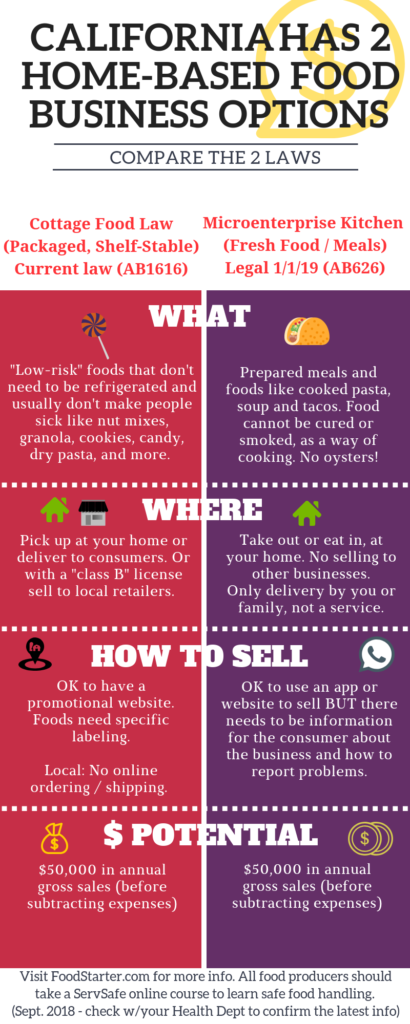
Image Source: foodstarter.com
Deciphering Cottage Food Laws
The foundation of selling food from your home lies in understanding your local state cottage food laws. These laws, often referred to as “cottage food acts,” create a legal framework that allows individuals to produce certain types of food in their home kitchens and sell them directly to consumers. The specific types of food allowed and the sales limitations vary significantly from state to state.
Key Aspects of Cottage Food Laws to Consider:
- Permitted Foods: Not all foods are created equal when it comes to home-based production. Cottage food laws typically permit low-risk foods that are less likely to cause foodborne illness. This commonly includes:
- Baked goods (cookies, cakes, bread, muffins, pastries)
- Jams, jellies, and preserves (with low sugar content and proper acidification)
- Candy and confections
- Granola and cereal mixes
- Dried herbs and spices
- Certain types of popcorn
- Vinegar and flavored oils
- Foods that are not potentially hazardous (PHF) – meaning they don’t require refrigeration to prevent bacterial growth.
- Prohibited Foods: Foods that are typically considered higher risk and are usually not allowed under cottage food laws include:
- Meat, poultry, and seafood products
- Dairy products (milk, cheese, yogurt)
- Baked goods requiring refrigeration (e.g., cream-filled pastries)
- Canned goods that are not properly acidified
- Cut fruits and vegetables
- Beverages (juices, smoothies, coffee, tea)
- Foods containing allergens like peanuts or tree nuts (depending on state regulations and disclosure requirements).
- Sales Limits: Most state cottage food laws impose annual gross sales limits. This means you can only earn a certain amount of money from your home-based food business each year. Exceeding this limit may require you to obtain different permits and comply with stricter regulations, possibly including the use of a commercial kitchen requirements.
- Sales Channels: Cottage food laws often dictate where you can sell your products. Common direct-to-consumer sales channels include:
- Farmers’ markets
- Direct sales from your home (if permitted)
- Online sales within your state (some states allow shipping, others don’t)
- Through wholesale to retailers (though this can be limited).
- Labeling Requirements: Proper labeling food products is a critical component of cottage food laws. This ensures consumers have the information they need about the ingredients, potential allergens, and the origin of the food.
Finding Your State’s Cottage Food Laws:
The most crucial first step is to identify the specific state cottage food laws that apply to your location. You can usually find this information on your state’s Department of Agriculture website or a similar regulatory agency. Search for terms like “cottage food laws [your state name]” or “home-based food business regulations [your state name].” Pay close attention to the details, as even small variations can have significant implications.
Obtaining Necessary Licenses and Permits
Beyond understanding cottage food laws, you’ll likely need to secure various licenses and permits to operate legally. This is where the process of obtaining food business permits and licensing for home food business comes into play.
Common Permits and Licenses:
- Business License: Most municipalities and states require a general business license to operate any type of business, including a home-based food operation.
- Food Handler’s Permit: You and any employees involved in food preparation will likely need a food handler’s permit, which demonstrates basic knowledge of food safety regulations. This often involves completing a short course and passing an exam.
- Home Occupation Permit: Some local governments require a home occupation permit to ensure your business activities comply with zoning ordinances and don’t negatively impact your neighbors.
- Cottage Food Operation Registration/Permit: Many states require you to register your cottage food operation and obtain a specific permit or certification. This might involve submitting an application, paying a fee, and demonstrating compliance with their regulations.
- Product Registration (Potentially): In some cases, certain types of products or ingredients might require specific registration or approval.
The Application Process:
- Research Thoroughly: Before applying for any permits, thoroughly research the requirements for your specific city, county, and state.
- Gather Documentation: You’ll likely need to provide proof of identity, your business address, and details about the food products you intend to produce.
- Pay Fees: Be prepared to pay application and permit fees, which vary by jurisdiction.
- Inspections (Sometimes): While many cottage food operations are exempt from routine inspections of their home kitchens, some states may require an initial inspection or have specific requirements for food preparation areas.
Ensuring Food Safety and Compliance
Adhering to strict food safety regulations is paramount when selling baked goods from home or any other food product. Your customers’ health and your business’s reputation depend on it.
Essential Food Safety Practices:
- Handwashing: Frequent and thorough handwashing is non-negotiable. Wash hands with soap and warm water before, during, and after food preparation.
- Sanitation: Keep your kitchen clean and sanitized. This includes countertops, utensils, equipment, and any surfaces that come into contact with food.
- Temperature Control: While cottage food laws often focus on non-perishable items, understand the temperature danger zone (41°F to 135°F) where bacteria multiply rapidly. Even for allowed items, proper storage is crucial.
- Cross-Contamination Prevention: Avoid cross-contamination by keeping raw ingredients separate from cooked foods, using separate cutting boards and utensils for different food types, and cleaning them thoroughly between uses.
- Ingredient Sourcing: Use high-quality, fresh ingredients from reputable sources.
- Pest Control: Maintain a pest-free environment in your kitchen.
- Allergen Awareness: Be vigilant about allergens. If your products contain common allergens like nuts, dairy, eggs, or gluten, you must clearly disclose them on your labels.
Labeling Food Products: Correct and Compliant
Accurate and informative labeling food products is a legal requirement and a vital part of building consumer trust. Your labels must comply with both federal (FDA) and state regulations.
Key Labeling Information:
- Product Name: A clear and descriptive name for your food item.
- Ingredients List: List all ingredients in descending order by weight.
- Net Quantity: The amount of product by weight or volume.
- Your Name and Address: The name and address of the business that produced the food.
- Allergen Information: Clear statements about major allergens present in the product (e.g., “Contains: Wheat, Eggs, Milk”). This is often mandated by law.
- Nutritional Information (Sometimes): While not always required for cottage food operations, providing nutritional information can be a competitive advantage.
- “Made in a Home Kitchen” Statement: Many state cottage food laws require a statement on the label indicating that the food was prepared in a home kitchen. This is a disclaimer for consumers.
Example of a Cottage Food Label (General):
| Product Name: Grandma’s Apple Pie |
|---|
| Ingredients: Apples, Flour, Sugar, Butter, Cinnamon, Nutmeg, Salt, Lemon Juice |
| Net Wt: 2 lbs (907g) |
| Prepared by: [Your Name] |
| [Your Street Address] |
| [Your City, State, Zip Code] |
| Contains: Wheat, Milk, Eggs. |
| Made in a home kitchen that is not subject to state licensure. |
Setting Up Your Home-Based Food Business
Beyond legalities, creating a successful home-based food business involves smart planning and execution.
Optimizing Your Kitchen Space:
- Designated Area: If possible, dedicate a specific area in your kitchen solely for food preparation for your business. This helps maintain hygiene and organization.
- Storage: Ensure you have adequate, clean, and dry storage for ingredients and finished products. Use airtight containers.
- Equipment: Invest in quality equipment that will make your production process efficient and safe. This might include scales, mixers, baking pans, and appropriate packaging materials.
Sourcing Ingredients and Packaging:
- Wholesale Suppliers: For larger quantities, consider wholesale suppliers for ingredients and packaging. This can significantly reduce costs.
- Bulk Buying: Buying ingredients in bulk can also be cost-effective.
- Packaging: Choose food-grade packaging that protects your products, looks appealing, and complies with labeling requirements.
Pricing Your Products:
- Cost of Ingredients: Accurately calculate the cost of all ingredients used in each product.
- Labor: Factor in your time and effort for preparation, baking, packaging, and marketing.
- Overhead: Include costs for utilities, permits, insurance, and any equipment depreciation.
- Market Research: Research the prices of similar products in your local area to ensure your pricing is competitive.
Marketing and Selling Your Products
Once your business is legally set up and your products are ready, it’s time to get them in front of customers. Direct-to-consumer food sales are the primary avenue for most home-based food businesses.
Effective Sales Channels:
- Farmers’ Markets: A classic and effective way to connect with customers directly. These markets provide a built-in audience interested in local, homemade products.
- Online Sales: If your state cottage food laws permit it, consider selling through your own website or an online marketplace. Be mindful of shipping regulations and how to maintain product quality during transit.
- Local Events and Festivals: Participate in community events, craft fairs, and food festivals to reach a wider audience.
- Consignment Sales: Some local specialty shops or cafes might be willing to sell your products on consignment.
- Social Media Marketing: Leverage platforms like Instagram, Facebook, and Pinterest to showcase your products, share recipes, announce new items, and engage with your customer base. High-quality photos are essential.
- Word-of-Mouth: Encourage satisfied customers to spread the word. Offer loyalty programs or referral discounts.
Building Your Brand:
- Unique Selling Proposition (USP): What makes your products special? Is it a family recipe, unique flavor combinations, organic ingredients, or exceptional presentation? Highlight your USP.
- Professional Appearance: From your packaging to your market stall display, a professional appearance builds credibility.
- Customer Service: Provide excellent customer service. Be friendly, responsive, and address any customer concerns promptly.
When Commercial Kitchen Requirements Might Apply
While cottage food laws are designed to allow operation from home, there are situations where you might outgrow these regulations or need to expand your product line. In these cases, you may need to comply with commercial kitchen requirements.
Scenarios Triggering Commercial Kitchen Needs:
- Exceeding Sales Limits: If your business grows beyond the annual sales cap set by your state’s cottage food laws, you will likely need to move to a licensed commercial kitchen.
- Producing Prohibited Foods: If you want to expand your product offerings to include items not permitted under cottage food laws (e.g., dairy-based products, meats, low-acid canned goods), you will need a commercial kitchen.
- Wholesale Sales: Some states require commercial kitchen production for foods intended for wholesale distribution to retailers.
- Food Safety Concerns: For certain high-risk foods or specific processing methods, commercial kitchens offer a more controlled and regulated environment to ensure safety.
What are Commercial Kitchen Requirements?
Commercial kitchens are licensed facilities that meet stringent health and safety standards. They are equipped for large-scale food production and are subject to regular inspections by health departments. Requirements can include:
- Separate Facilities: Dedicated space for food preparation that is separate from living areas.
- Specialized Equipment: Commercial-grade ovens, mixers, refrigeration, dishwashers, and sanitation facilities.
- Health and Safety Certifications: Compliance with all local and state health codes.
- Permits and Licenses: Obtaining a commercial food establishment permit or license.
- Food Safety Plans: Development and implementation of a Hazard Analysis and Critical Control Points (HACCP) plan.
Legal and Financial Considerations
Beyond the operational aspects, it’s wise to address the legal and financial pillars of your business.
Business Structure:
Consider what business structure best suits your needs:
* Sole Proprietorship: The simplest structure, where you and the business are one entity.
* Partnership: If you’re going into business with someone else.
* Limited Liability Company (LLC): Offers personal liability protection, separating your personal assets from business debts. This is often recommended for growing businesses.
Consulting with a legal professional or small business advisor can help you choose the right structure.
Insurance:
- General Liability Insurance: Protects you from claims of bodily injury or property damage resulting from your business operations.
- Product Liability Insurance: Specifically covers claims arising from injuries or damages caused by your food products. This is highly recommended for any food business.
Record Keeping:
Maintain meticulous financial records, including income, expenses, and inventory. This is essential for tax purposes, tracking profitability, and demonstrating compliance if needed.
Frequently Asked Questions (FAQ)
Q1: Can I sell food I bake in my home kitchen?
A1: Yes, in many locations, you can legally sell food you bake in your home kitchen under cottage food laws, provided the baked goods are considered low-risk and you comply with all state and local regulations, including labeling and sales limits.
Q2: Do I need a special permit to sell food from home?
A2: Generally, yes. You will likely need to obtain various permits and licenses, such as a business license, a food handler’s permit, and possibly a specific cottage food operation permit or registration, depending on your state cottage food laws.
Q3: What types of food can I sell from home?
A3: Cottage food laws typically allow the sale of low-risk, non-perishable foods. This commonly includes items like cookies, cakes, bread, jams, jellies, candies, and dried herbs. Foods requiring refrigeration or posing a higher risk of foodborne illness are usually prohibited.
Q4: Is there a limit to how much money I can earn selling food from home?
A4: Yes, most cottage food laws have annual gross sales limits. If your business exceeds these limits, you may need to comply with different regulations, possibly including the use of a commercial kitchen.
Q5: Do I need to label my food products?
A5: Absolutely. Proper labeling food products is a crucial legal requirement. Labels must typically include your name and address, ingredient list, net quantity, allergen information, and a statement indicating the food was prepared in a home kitchen.
Q6: What if I want to sell my products online and ship them across state lines?
A6: Shipping food products, especially across state lines, can be more complex. While some state cottage food laws allow for direct-to-consumer sales within the state, federal regulations (FDA) and the laws of other states will also apply. You will need to research these extensively, as many cottage food laws restrict interstate commerce.
Q7: When do I need to use a commercial kitchen instead of my home kitchen?
A7: You typically need to use a commercial kitchen if you exceed sales limits, want to produce foods not allowed under cottage food laws (like meats or dairy products), or if you plan to engage in significant wholesale distribution. Commercial kitchen requirements are much stricter and involve licensing and inspections.
Conclusion
Embarking on a home-based food business journey is an exciting opportunity to share your passion for food. By diligently researching and adhering to your local cottage food laws, securing the necessary food business permits, and prioritizing food safety regulations, you can build a legal, sustainable, and thriving enterprise. Remember that continuous learning and adaptation are key as your business grows. With careful planning and a commitment to quality, you can turn your culinary dreams into a delicious reality.