
Can you move a mobile home? Yes, you can move a mobile home, but it’s a complex process that requires specialized equipment and expertise. Whether you’re relocating your manufactured home to a new plot of land or selling it, proper planning and execution are crucial for a safe and successful mobile home transport. This guide will walk you through the essential steps involved in mobile home relocation, from initial preparation to final mobile home setup.
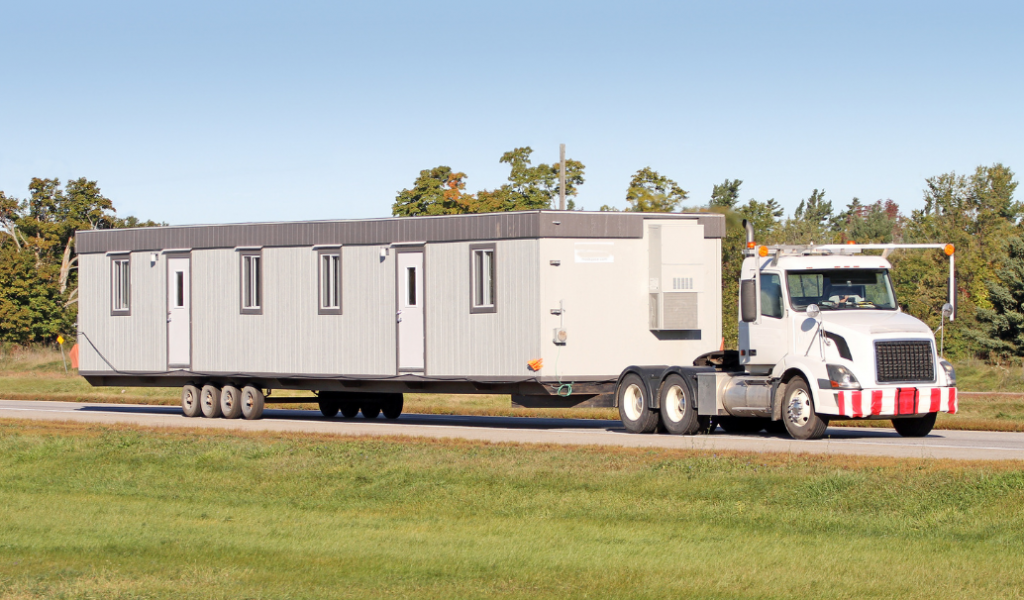
Image Source: mobilehomescorpuschristi.com
Deciphering the Process of Moving a Manufactured Home
Moving a manufactured home, often referred to as moving a manufactured home, is a significant undertaking. Unlike traditional houses, these homes are built in sections or as a single unit on a chassis and are designed for transport. However, the sheer size and weight necessitate specialized knowledge and equipment. Transporting modular homes follows a similar, albeit often more involved, procedure due to their construction in multiple modules.
Initial Steps: Preparation and Planning
Before any wheels start rolling, thorough preparation is key. This phase sets the foundation for a smooth move.
Site Assessment and Permitting
- New Location Survey: Ensure the destination site is prepared. This includes checking access roads for adequate width and clearance (height and width restrictions for shipping a mobile home are strict), confirming the ground is level and stable, and verifying utility hookup availability (water, sewer, electricity, gas).
- Old Location Departure: Confirm there are no obstructions hindering the removal of the home from its current location, such as overhanging trees or power lines.
- Permits and Regulations: Research and obtain all necessary permits for mobile home transport from local and state authorities. These can vary significantly by region and often involve road closures, escorts, and specific routing requirements. Failure to comply can result in hefty fines.
Home Inspection and Preparation
- Structural Integrity Check: Have a professional inspect the home for any structural weaknesses that might be exacerbated during transport. This includes checking the chassis, frame, and connections.
- Securing Interior Items: All furniture, appliances, and loose items inside the home must be securely fastened or removed. This prevents them from shifting and causing damage during transit.
- Winterizing (if applicable): If moving during colder months, drain all water pipes, water heater, and toilet tanks to prevent freezing and bursting.
- Disconnecting Utilities: Professional disconnect of all utilities – electricity, water, gas, and sewer lines – is essential. This should be done by qualified technicians.
- Securing Exterior Attachments: Any porches, decks, skirting, or awnings attached to the home need to be detached or securely folded and fastened.
Budgeting and Hiring Professionals
- Cost Estimation: Moving a mobile home is expensive. Costs include transportation, permits, professional labor, potential site preparation, and insurance. Get detailed quotes from multiple mobile home movers.
- Choosing Mobile Home Movers: This is perhaps the most critical decision. Look for companies with extensive experience in mobile home relocation.
- Check Credentials: Ensure they are licensed, insured, and bonded. Ask for references and read reviews.
- Equipment and Expertise: Verify they have the specialized trucks, dollies, hitches, and experienced crews necessary for transporting modular homes and manufactured homes.
- Insurance Coverage: Clarify what their insurance covers during the transport process, including damage to the home and liability.
The Transportation Phase: Moving Your Mobile Home
This is the core of the mobile home transport process. It requires precision and specialized equipment.
Preparing the Home for Movement
- Securing the Roof: Sometimes, specific roof tie-downs are used to prevent the roof from lifting or shifting during transit.
- Securing Doors and Windows: All doors and windows should be locked and secured to prevent them from opening unexpectedly.
- Attaching to the Towing Unit: The home is carefully attached to a heavy-duty towing unit, often a specialized truck designed for this purpose. This connection must be robust and secure.
The Journey: On the Road
- Route Planning: Mobile home movers will plan the most efficient and legal route, taking into account road restrictions, bridge weight limits, and overhead clearances.
- Escorts: Depending on the size of the home and local regulations, pilot cars or escorts might be required to warn other traffic and ensure safe passage.
- Driving Techniques: The driver of the towing unit must be highly skilled, experienced in handling oversized loads, and aware of the specific challenges of moving house trailers. This includes managing weight distribution and navigating turns.
Shipping a Mobile Home: Special Considerations
When shipping a mobile home over longer distances, especially across state lines or internationally, additional logistics come into play. This might involve coordinating with different transport companies, ensuring compliance with international shipping regulations (if applicable), and managing customs. The principles of secure packing, proper documentation, and insurance remain paramount.
Arrival and Setup: Reaching the Destination
Once the mobile home transport is complete, the focus shifts to setting it up at the new location.
Positioning and Placement
- Site Preparation at Arrival: Ensure the foundation or chosen site at the destination is ready, level, and stable.
- Guidance: The moving crew will carefully guide the home into its final position on the site.
Mobile Home Setup
This is a detailed process that ensures the home is stable, secure, and ready for occupancy.
Leveling the Home
Mobile home leveling is critical for the home’s structural integrity and longevity.
- Foundation and Piers: The home is typically placed on a foundation or supported by concrete piers.
- Adjusting Jacks: Adjustable jacks are used to raise or lower specific points of the home to achieve a perfectly level state. This is often done using a spirit level or laser level.
- Anchoring: Once leveled, the home must be securely anchored to the ground to prevent movement from wind or other environmental factors. This is done using heavy-duty tie-down straps, ground anchors, and bolts, especially important in areas prone to high winds or seismic activity.
Connecting Utilities
- Water and Sewer: Professional plumbers connect the home’s plumbing to the site’s water supply and sewer or septic system.
- Electricity: Certified electricians connect the home’s electrical system to the power grid.
- Gas: If the home uses gas, a professional gas fitter will connect the gas lines.
Reassembling and Finishing Touches
- Panel Reattachment: If the home was transported in sections, these sections are reconnected and secured.
- Skirting Installation: Skirting is installed around the base of the home to improve aesthetics, provide insulation, and protect the undercarriage from weather and pests.
- Porch and Awning Reattachment: Any detached porches, decks, or awnings are reattached and secured.
- Interior Checks: A final inspection of all systems and interior components is performed to ensure everything is functioning correctly after the move.
Frequently Asked Questions About Mobile Home Moving
Here are answers to some common questions regarding mobile home relocation.
How much does it cost to move a mobile home?
The cost of moving a mobile home can vary significantly, generally ranging from $3,000 to $15,000 or more. Factors influencing the price include:
- Distance: Longer distances naturally cost more.
- Size and Type of Home: Larger homes or multi-section homes require more specialized equipment and labor.
- Site Conditions: Difficult access at either the pickup or delivery location can increase costs.
- Professional Services: The cost of hiring mobile home movers, including permits, escorts, and labor, is a major component.
- Necessary Repairs: Any pre-move repairs or post-move setup services.
Can I move a mobile home myself?
While technically possible in some very limited circumstances (e.g., moving a very small, light unit a short distance on private property), it is strongly discouraged for most people. Moving a manufactured home requires specialized, heavy-duty towing equipment, extensive knowledge of weight distribution, road regulations, and safety protocols that the average person does not possess. The risks of severe damage to the home, injury to oneself or others, and legal penalties are very high. It is always best to entrust this task to experienced mobile home movers.
How long does it take to move a mobile home?
The actual transport time depends heavily on the distance. However, the entire process, from initial planning and obtaining permits to final mobile home setup, can take several weeks to a few months. This includes the time for inspections, securing movers, coordinating logistics, the actual transit, and the on-site mobile home leveling and utility connections.
What is the difference between a mobile home and a manufactured home?
The terms are often used interchangeably, but there’s a technical distinction.
- Mobile Homes: These are homes built before June 15, 1976. Before this date, federal regulations for their construction and safety were minimal, and they were designed to be movable.
- Manufactured Homes: These homes are built after June 15, 1976, to a federal building code administered by the U.S. Department of Housing and Urban Development (HUD). They are built in factories on a permanent chassis and are generally constructed to higher safety and quality standards. When people refer to moving house trailers today, they are almost always referring to manufactured homes.
What is involved in a mobile home setup?
A proper mobile home setup includes:
- Leveling: Ensuring the home is perfectly level on its foundation or piers.
- Anchoring: Securing the home to the ground to withstand wind and movement.
- Utility Connections: Connecting water, sewer, electricity, and gas.
- Reassembly (if applicable): Connecting different sections of the home.
- Skirting Installation: Covering the undercarriage.
- Finishing Touches: Reattaching exterior elements and ensuring all interior systems are operational.
This detailed guide provides a comprehensive overview of the process of moving mobile homes. By carefully planning, preparing, and working with reputable mobile home movers, you can ensure a successful mobile home relocation and a smooth transition to your new home.