
Can you pressure treat wood at home? Yes, you can, though it’s a more involved process than many realize. This comprehensive guide will walk you through the ins and outs of DIY wood preservation and homemade wood treatment techniques. We’ll explore effective home wood treatment methods to protect your lumber from decay, insects, and the elements, ultimately extending its lifespan and saving you money.
;Resize=(703,395.44))
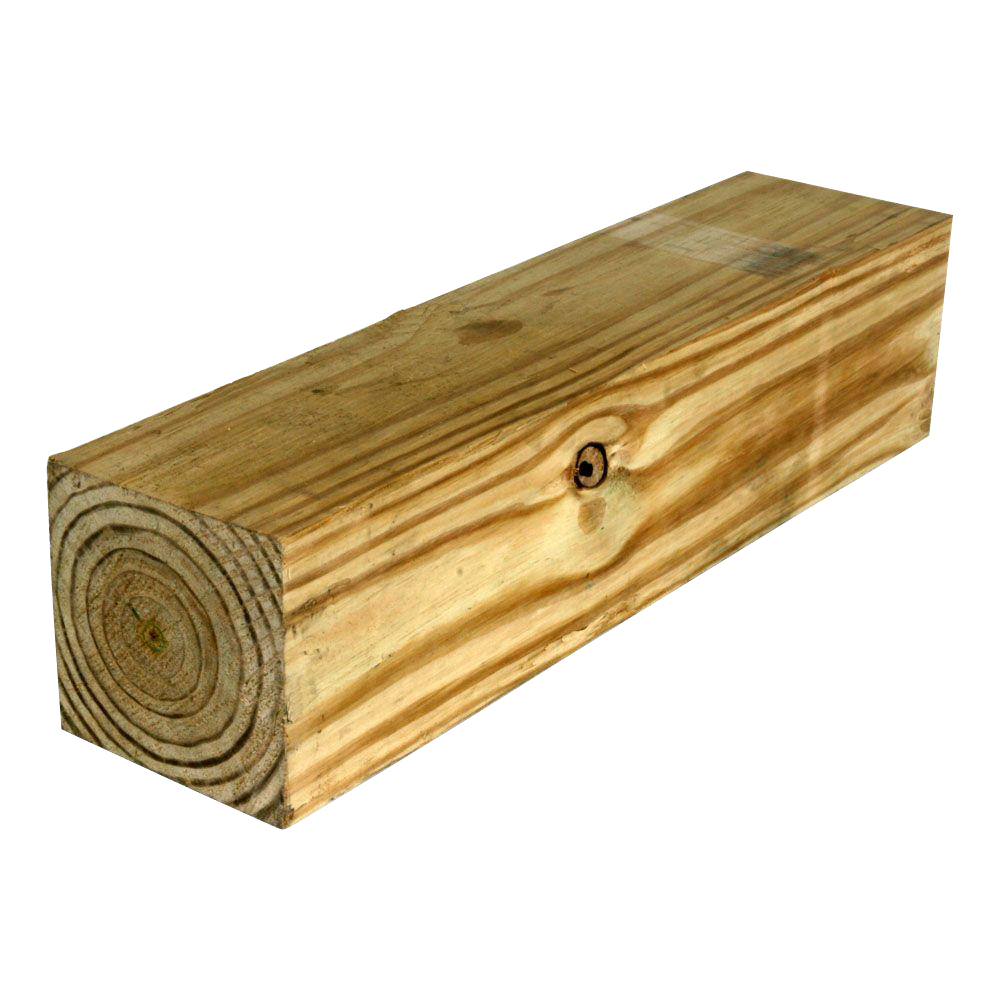
Image Source: dam.thdstatic.com
Why Treat Your Wood? The Importance of Wood Preservation
Wood is a fantastic building material, but it’s not invincible. Without proper protection, it can quickly succumb to the forces of nature.
The Enemies of Untreated Wood
- Moisture: Water is wood’s biggest enemy. It causes swelling, warping, and is the primary driver for fungal growth.
- Fungi: Various types of fungi, often referred to as wood rot, feed on the cellulose and lignin in wood, causing it to weaken and crumble.
- Insects: Termites, carpenter ants, and beetles can burrow into wood, compromising its structural integrity and making it unsightly.
- UV Rays: Sunlight can degrade the surface of wood over time, leading to a grey, weathered appearance and making it more susceptible to moisture damage.
Pressure Treating vs. Other Wood Treatment Methods
While true pressure treating involves industrial-level equipment, there are effective DIY wood sealer and homemade wood treatment options that mimic some of its benefits.
What is True Pressure Treating?
True pressure treating forces wood chemical treatment solutions deep into the wood’s cellular structure under high pressure. This process ensures maximum penetration of wood preservatives, offering superior protection against decay and insects. The chemicals used are typically copper-based compounds or borates.
DIY Wood Preservation: Realistic Alternatives
For the home DIYer, achieving the same level of deep penetration as industrial pressure treating is challenging. However, several methods can significantly enhance wood’s durability. These include:
- Surface Treatments: Applying sealers, stains, and paints.
- Dip Treatments: Submerging wood in a preservative solution.
- Borate Treatments: A popular and effective DIY method using borate salts.
Let’s delve into these.
DIY Wood Sealer and Surface Treatment Options
These are the most accessible methods for most homeowners. They focus on creating a protective barrier on the wood’s surface.
1. Water-Based Sealers and Stains
What they are: These products contain water-repellent agents and often mildewcides and UV inhibitors. They are easy to apply and clean up.
How to apply:
- Preparation: Ensure the wood is clean and dry. Pressure washing wood can be an effective way to remove dirt, grime, and old finishes. Allow the wood to dry completely, which might take a day or two depending on the weather.
- Application: Use a brush, roller, or sprayer. Apply evenly, following the product’s instructions. Multiple thin coats are often better than one thick coat.
- Benefits: Improves appearance, repels water, offers some UV protection.
- Limitations: Less effective against deep insect infestation or severe rot compared to pressure treatments. Needs reapplication periodically.
2. Oil-Based Sealers and Stains
What they are: These penetrate the wood more deeply than water-based options, providing a more robust water-repellent barrier. They often contain oils like linseed or tung oil.
How to apply:
- Preparation: Similar to water-based treatments – clean and dry wood is crucial.
- Application: Typically applied with a brush or rag. Wipe off excess oil after a short period to prevent a sticky surface.
- Benefits: Deeper penetration, enhances wood’s natural beauty, provides good water repellency.
- Limitations: Can be messy to apply, requires mineral spirits for cleanup, and may take longer to dry.
3. Paints
What they are: Paints provide a solid, opaque barrier that protects wood from moisture and UV rays.
How to apply:
- Preparation: Thorough cleaning and priming are essential for good adhesion.
- Application: Brushing, rolling, or spraying.
- Benefits: Offers excellent protection and a wide range of aesthetic options.
- Limitations: Can trap moisture if not applied correctly or if the film is compromised, leading to peeling or rot. Doesn’t allow the wood to “breathe.”
Dip Treatments: A More Immersive Approach to Treating Lumber at Home
Dip treatments involve submerging wood in a preservative solution, allowing for better penetration than surface application alone.
Borate Treatment: A Popular Homemade Wood Treatment
Borates (like borax and boric acid) are excellent, low-toxicity wood preservatives that are effective against rot and insects. They work by disrupting the metabolic processes of fungi and insects.
What you’ll need:
- Borax (sodium tetraborate decahydrate)
- Boric Acid
- Warm water
- Large plastic tub or trough (large enough to submerge your lumber)
- Gloves, eye protection, and a dust mask
How to prepare the solution:
The general recommendation is to dissolve approximately 1 pound of borax and 1 pound of boric acid for every 1 gallon of warm water. Mix thoroughly until dissolved. You can adjust the ratio slightly, but this is a good starting point.
How to apply:
- Prepare the Wood: Ensure the wood is clean, dry, and ideally, freshly cut or planed. This helps the solution penetrate better.
- Submerge the Wood: Place the lumber into the prepared borate solution in your tub. Ensure the wood is fully submerged.
- Soaking Time: The longer the wood soaks, the deeper the penetration. For good protection, aim for at least 24-48 hours for smaller pieces. Larger or denser wood may require longer.
- Drying: Remove the wood from the solution and allow it to dry thoroughly in a well-ventilated area, away from direct sunlight and rain.
- Repeat (Optional): For critical applications, you can repeat the soaking process after the first layer of preservative has dried.
Benefits of Borate Treatment:
- Effective against rot and insects.
- Low toxicity to humans and animals (when dry).
- Doesn’t significantly change the wood’s appearance or make it difficult to paint or stain later.
- Relatively inexpensive.
Limitations of Borate Treatment:
- Borates are water-soluble. If the wood is constantly exposed to rain or immersion in water without a proper topcoat, the borates can leach out over time, reducing their effectiveness.
- Requires a dedicated soaking container and space for drying.
Other Dip Treatment Options
You can also find commercial wood preservative solutions designed for dipping. Always follow the manufacturer’s instructions carefully regarding dilution, soaking times, and safety precautions.
DIY Wood Preservation: Simulating Pressure Treatment
While you can’t replicate industrial pressure treating at home, you can try to enhance penetration for your DIY wood preservation projects.
Vacuum Impregnation (Advanced DIY)
This method aims to draw air out of the wood cells before introducing the preservative, allowing the solution to penetrate more effectively.
What you’ll need:
- A strong, airtight container (like a thick-walled plastic barrel with a sealed lid).
- A vacuum pump (a repurposed refrigerator compressor or a dedicated vacuum pump).
- The chosen wood preservative solution (borates or commercial preservatives).
- Safety gear.
How it works (Simplified):
- Place Wood: Put the clean, dry wood into the airtight container.
- Apply Vacuum: Seal the container and apply a vacuum to remove air from the wood cells.
- Introduce Preservative: While the vacuum is still applied, introduce the preservative solution into the container, ensuring it covers the wood.
- Release Vacuum: Gradually release the vacuum. The atmospheric pressure will then force the preservative solution into the wood.
- Soak: Allow the wood to soak for a period to ensure saturation.
- Dry: Remove and dry the wood thoroughly.
Caveats:
- This is a more complex and potentially hazardous method.
- Requires specialized equipment and a good understanding of vacuum systems.
- Not suitable for all types of wood or all DIYers.
Protecting Your Treated Wood: Finishing Touches
Even after treating lumber at home or applying a DIY wood sealer, a good finish will provide an extra layer of defense and enhance the wood’s appearance.
Choosing the Right Finish
Consider the intended use of the wood:
- Decking, Fencing, Outdoor Furniture: Needs a durable, water-repellent finish that can withstand UV exposure and weathering. Semi-transparent stains or solid stains with UV blockers are good choices.
- Interior Projects: Can use varnishes, polyurethanes, or waxes, depending on the desired look and durability.
Application Tips for Finishes
- Weather: Apply finishes on a dry, calm day with moderate temperatures. Avoid direct sunlight, which can cause the finish to dry too quickly, leading to uneven application.
- Cleanliness: Ensure the wood surface is free of dust and debris before applying any finish.
- Even Coats: Apply finishes evenly, following the grain of the wood.
- Maintenance: Reapply finishes as needed, typically every 1-3 years depending on the product and exposure.
Safety First: Handling Wood Preservatives
Working with chemicals, even those considered low-toxicity like borates, requires caution.
Essential Safety Gear
- Gloves: Chemical-resistant gloves (nitrile or neoprene).
- Eye Protection: Safety glasses or goggles.
- Respiratory Protection: A dust mask when handling powders and a respirator with appropriate cartridges if dealing with stronger chemical solutions or during spraying.
- Protective Clothing: Long sleeves and pants to prevent skin contact.
Safe Handling and Disposal
- Ventilation: Always work in a well-ventilated area.
- Storage: Store chemicals in their original containers, tightly sealed, and out of reach of children and pets.
- Disposal: Never pour leftover preservative solutions down the drain or into waterways. Check with your local authorities for proper disposal methods for chemical waste.
When to Consider Alternatives to DIY Wood Treatment
While DIY wood preservation is feasible for many projects, some situations might be better suited for commercially pressure treated lumber alternatives or professionally treated wood.
When to Buy Pre-Treated Lumber
- Ground Contact: For projects like fence posts, deck pilings, or anything in direct contact with soil, commercially treated lumber designed for ground contact offers superior protection.
- Marine Applications: Wood exposed to constant water immersion or saltwater needs specialized treatment.
- High-Stress Environments: If your project is in an area with extreme pest pressure or very wet conditions, the reliability of industrial pressure treating might be preferred.
- Time Constraints: If you need wood treated quickly and don’t have the time for DIY methods, buying pre-treated lumber is the most efficient option.
Pressure Treated Lumber Alternatives
While not direct substitutes for the deep penetration of pressure treating, these can offer good protection for certain applications:
- Naturally Rot-Resistant Woods: Cedar, redwood, and tropical hardwoods like teak are naturally resistant to rot and insects due to their inherent oils and compounds. However, they are often more expensive.
- Modified Woods: Technologies like acetylation (e.g., Accoya) create wood that is extremely durable and resistant to rot and insects without the use of traditional chemical preservatives. These are typically premium options.
Frequently Asked Questions About DIY Wood Treatment
Q1: Can I use old chemicals for wood treatment?
A1: It’s generally not recommended to use old or unknown chemicals. Chemical formulations can degrade over time, and their effectiveness or safety might be compromised. Always use fresh, reputable products and follow their specific instructions.
Q2: How do I know if my wood is properly treated at home?
A2: For methods like borate dipping, you can’t visually inspect the penetration easily. The best indicators are the soaking time and ensuring the wood is fully saturated. For surface treatments, look for an even, consistent coating. Over time, observe how the wood performs; resistance to rot and insect damage is the ultimate test.
Q3: Is pressure washing wood necessary before treatment?
A3: While not always strictly necessary, pressure washing wood is highly recommended as a preparatory step. It removes dirt, mold, and old finishes that can prevent the preservative or sealer from penetrating or adhering properly, ensuring a more effective treatment.
Q4: What is the best way to prevent wood rot on my deck?
A4: Wood rot prevention on a deck involves a multi-pronged approach:
1. Ensure good drainage and airflow around the deck.
2. Clean the deck regularly to remove debris that traps moisture.
3. Apply a quality water-repellent sealer or stain annually or as needed.
4. Inspect for and repair any damage or cracking promptly.
5. If building a new deck, consider using naturally rot-resistant wood or properly treated lumber for the structural elements.
Q5: Can I use old motor oil to treat wood?
A5: While old motor oil can provide some water repellency, it is generally not recommended as a primary wood preservative for several reasons:
* Environmental Hazard: Motor oil contains heavy metals and other toxic substances that can leach into the soil and groundwater, posing a risk to the environment and your health.
* Poor Penetration: It doesn’t penetrate wood cells effectively to prevent rot and insect attack from the inside.
* Fire Hazard: Oil-soaked wood can be more flammable.
* Adhesion Issues: It can make it difficult to apply paint or stains later.
It’s much safer and more effective to use purpose-made wood preservatives.
Conclusion: Preserving Your Projects with DIY Care
DIY wood preservation is a rewarding way to extend the life of your wooden projects and protect your investment. By carefully selecting the right homemade wood treatment methods and products, and by prioritizing safety, you can achieve excellent results. Whether you opt for simple sealers, borate dips, or more advanced techniques, taking the time to properly treat your lumber will ensure it stands the test of time. Remember, a little effort in preserving your wood can save you significant hassle and expense down the line, contributing to effective wood rot prevention and long-lasting beauty.