
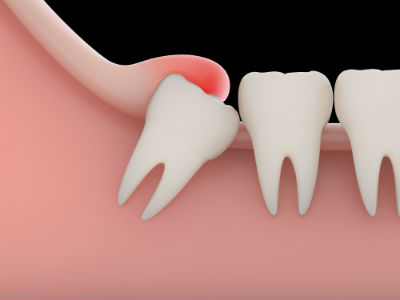
Image Source: www.delkovacevicdmd.com
How To Pull A Tooth Out At Home Safely
Can you pull a tooth out at home safely? While it might seem like a quick fix, attempting DIY tooth extraction or getting a tooth out yourself at home carries significant risks and is generally not recommended by dental professionals. The safest approach for loose tooth removal or any dental issue is always to consult a dentist. However, in very specific and limited circumstances, often involving naturally loosening baby teeth, there are perceived home remedies for loose teeth or natural tooth extraction methods people consider. This post will delve into these, emphasizing safety and the crucial need for professional dental care.
The Risks of DIY Tooth Extraction
Before exploring any at-home methods, it’s vital to comprehend the potential dangers involved in pulling out wobbly teeth without professional guidance. This is not a trivial matter and can lead to serious complications.
Infection
The mouth is a breeding ground for bacteria. Any breach of the gum tissue, whether from a naturally loose tooth or an attempt to forcibly remove it, can introduce bacteria deep into the tissues and even the bloodstream. This can result in:
- Abscesses: A painful collection of pus that forms in the tooth or gums.
- Cellulitis: A bacterial skin infection that can spread rapidly.
- Systemic infections: In severe cases, infection can enter the bloodstream and affect other parts of the body.
Bleeding
Teeth are held in place by ligaments and blood vessels. Attempting to pull a tooth can cause more bleeding than expected, especially if the tooth is not completely loose. This bleeding can be difficult to control at home and may require medical attention.
Damage to Surrounding Teeth and Gums
Forcefully pulling a tooth can damage adjacent teeth, gums, and the jawbone. This can lead to:
- Fractured teeth.
- Torn gums.
- Jawbone damage, which can be incredibly painful and difficult to repair.
- Damage to the permanent tooth developing beneath a baby tooth.
Incomplete Extraction
Sometimes, the root of the tooth may break off during an attempted natural tooth extraction. This remaining root fragment can:
- Cause persistent pain and inflammation.
- Become a source of infection.
- Require a surgical procedure to remove, often more complex than if the tooth had been addressed by a dentist from the start.
Nerve Damage
While less common with baby teeth, there is a risk of nerve damage, particularly if attempting to extract a molar or if there’s an underlying dental issue that makes the tooth more fragile.
When Do Teeth Naturally Become Loose?
For baby tooth removal, a natural loosening process is common and expected.
Shedding Baby Teeth
Children typically start losing their baby teeth around age 6, and this process continues until about age 12. This happens because the permanent teeth developing underneath push the baby teeth out. The roots of the baby teeth are gradually resorped (dissolved) by the body, making them wobbly and eventually ready to fall out.
Signs a Baby Tooth is Ready to Come Out:
- Significant Wobbling: The tooth moves easily in its socket.
- Gum Discomfort: The child may complain of soreness or pressure around the loose tooth.
- Slight Bleeding: Minor bleeding when the tooth is bumped or during brushing.
- Visible Permanent Tooth: In some cases, you can see the permanent tooth starting to emerge behind or next to the loose baby tooth.
Methods Often Considered for Home Tooth Removal (Use With Extreme Caution and Primarily for Baby Teeth)
It’s crucial to reiterate that even for baby teeth, the safest way to remove a loose tooth is often to let it fall out on its own. If you are considering any at-home methods, it is usually for a baby tooth that is very loose and causing discomfort. These methods are not recommended for adult teeth.
1. The Gentle Twist and Pull Method (for very loose baby teeth)
This is the most commonly perceived method for baby tooth removal at home.
Materials:
- Clean hands or disposable gloves.
- Gauze pad.
Steps (for an extremely wiggly baby tooth):
- Wash Your Hands Thoroughly: This is the most critical step to prevent infection.
- Rinse Mouth: Have the child rinse their mouth with warm salt water.
- Grip the Tooth: Gently grasp the clean tooth with clean fingers or a gauze pad. Ensure you are holding the crown of the tooth, not the gum.
- Gentle Wiggling: Carefully wiggle the tooth back and forth, applying very slight pressure. You are aiming to mimic the natural loosening process.
- Twist and Pull: If the tooth feels ready and offers minimal resistance, a quick, gentle twist combined with a slight upward pull may dislodge it. The motion should be smooth, not forceful.
- Inspect the Tooth: Check that the entire tooth, including the root, has come out.
- Control Bleeding: Have the child bite down gently on a clean gauze pad for 15-20 minutes to stop any minor bleeding.
- Rinse Mouth Again: After bleeding has stopped, have the child rinse their mouth with warm salt water.
When NOT to Use This Method:
- The tooth is not significantly loose.
- There is considerable pain or resistance.
- You see signs of infection (redness, swelling, pus).
- It’s an adult tooth.
- You are unsure or uncomfortable.
2. Using Dental Floss or String (A Controversial Method)
This method is often seen in older traditions or portrayed in media, but it carries significant risks.
Materials:
- Strong dental floss or clean, sturdy string.
- Gauze pad.
Steps (Extreme Caution Advised):
- Wash Hands and Rinse Mouth: As described above.
- Secure the Floss: Tie a secure knot in the floss. Place the knot around the base of the tooth, as close to the gum line as possible.
- Grip Firmly: Hold the ends of the floss firmly.
- Quick Jerk: A sharp, quick, and decisive tug might dislodge the tooth. The goal is a swift motion, not sustained pulling.
Why This Method is Risky:
- High Risk of Injury: A misplaced tug can easily damage gums, surrounding teeth, or even the jaw.
- Infection Risk: Non-sterile floss or string can introduce bacteria.
- Root Fracture: It can cause the root to break.
- Lack of Control: It’s difficult to control the force and direction of the pull.
3. Food-Related Incidents (Accidental Loosening)
Sometimes, a tooth can become loose due to biting into something hard.
What to Do:
- Stop Eating: Immediately cease chewing that food.
- Assess: Gently check how loose the tooth is.
- Rinse: Rinse the mouth with warm water.
- Contact Dentist: If the tooth is very loose, bleeding significantly, or if it’s an adult tooth that has been dislodged, contact a dentist immediately. This is a dental emergency at home.
When to Seek Professional Dental Help Immediately
It cannot be stressed enough: professional dental care is paramount. There are many situations where attempting safe tooth removal at home is impossible, and professional intervention is necessary.
Situations Requiring Immediate Dental Attention:
- Adult Tooth Loosening: If an adult tooth becomes loose, it’s a serious issue. It could indicate gum disease, trauma, or other underlying problems that require immediate diagnosis and treatment.
- Severe Pain: If the loose tooth is causing significant pain, it may be infected or there may be a more complex issue at play.
- Bleeding That Doesn’t Stop: Persistent bleeding after a tooth becomes loose is a cause for concern.
- Signs of Infection: Swelling, redness, pus, fever, or a foul taste in the mouth are all indicators of infection.
- Trauma: If the tooth became loose due to an injury, a dentist needs to assess the extent of the damage.
- Tooth is Not Fully Loose: If a tooth is wobbly but not ready to fall out, forcing its removal can cause more harm.
- Impacted Teeth: Any tooth that is stuck or not erupting properly needs professional assessment.
- You Are Unsure: If you have any doubt or anxiety about a loose tooth, it’s always best to err on the side of caution and consult a dentist.
What Can a Dentist Do for a Loose Tooth?
Dentists have the expertise, sterile equipment, and knowledge to handle loose teeth safely and effectively.
Dentist’s Approach to Loose Teeth:
- Assessment: The dentist will examine the tooth, gums, and surrounding bone to determine the cause of loosening.
- Cleaning: They can thoroughly clean the area to reduce the risk of infection.
- Stabilization: In some cases, especially with adult teeth loosened by gum disease, a dentist might be able to stabilize the tooth.
- Professional Extraction: If extraction is necessary, the dentist will use local anesthetic to numb the area and specialized instruments to remove the tooth cleanly and completely, minimizing trauma and infection risk.
- Post-Extraction Care: They will provide instructions on how to care for the socket to promote healing and prevent complications.
Natural Remedies vs. Medical Intervention
While the idea of natural tooth extraction or using home remedies for loose teeth might appeal to some, it’s important to distinguish between managing mild discomfort and attempting a procedure.
- Managing Discomfort: For a truly loose baby tooth, rinsing with warm salt water can help soothe sore gums. Ensuring good oral hygiene by gentle brushing and flossing around the area is also important.
- Procedural Attempts: Trying to force a tooth out with strings, pliers, or excessive force is not a natural remedy; it’s an intervention with inherent risks.
FAQ: Common Questions About Loose Teeth at Home
Q1: Is it okay to pull out a wobbly tooth myself?
A1: For adult teeth, absolutely not. For baby teeth, it’s generally best to let them fall out naturally. If you consider assisting a very loose baby tooth, extreme caution and strict hygiene are necessary.
Q2: My child has a loose tooth, what should I do?
A2: Encourage them to rinse with warm salt water. Let it be, and it will likely fall out on its own. If it’s causing significant pain or not coming out after several weeks of wobbling, consult a pediatric dentist.
Q3: Can I use pliers to pull out a tooth?
A3: No. Using tools like pliers is extremely dangerous and can cause severe damage to your gums, jawbone, and surrounding teeth. This is a method that should only be performed by a trained dental professional.
Q4: What if I can’t stop the bleeding after a tooth comes out at home?
A4: Apply firm pressure with a clean gauze pad for at least 20-30 minutes. If bleeding continues heavily, seek immediate medical attention.
Q5: My adult tooth is loose, what are my options besides seeing a dentist?
A5: There are no safe home alternatives for a loose adult tooth. A loose adult tooth is a serious sign of potential gum disease, bone loss, or trauma. It requires immediate professional evaluation.
Q6: How do I know if a loose baby tooth is ready to come out?
A6: It will be very wiggly, move easily with gentle pressure, and the child may experience mild discomfort or a feeling of fullness around it. You might also see the permanent tooth starting to appear.
Q7: Is there any medication I can take for a loose tooth at home?
A7: Over-the-counter pain relievers can help manage discomfort associated with a naturally loosening baby tooth. However, they will not make the tooth come out or address the underlying cause if it’s an adult tooth. Always follow dosage instructions.
Conclusion: Prioritizing Dental Health
While the prospect of loose tooth removal at home, particularly for a wiggly baby tooth, might seem tempting for convenience or to avoid a dental visit, the risks associated with DIY tooth extraction are substantial. The potential for infection, severe bleeding, damage to surrounding structures, and incomplete removal far outweigh any perceived benefits.
For children, the natural process of baby tooth removal is usually straightforward and best left to nature. If intervention is needed, a dentist is the safest option. For adults, a loose tooth is always a signal to seek immediate professional dental care. Treating dental issues promptly and correctly with the help of a qualified dentist is the most effective way to ensure long-term oral health and prevent more serious complications. Your smile and your health are worth the professional care.