
Can you purify air naturally at home? Yes, you absolutely can! This guide will show you how to improve your indoor air quality using simple, natural methods. We’ll explore everything from houseplants for air purification to natural air fresheners and ventilation techniques. Get ready to breathe easier!
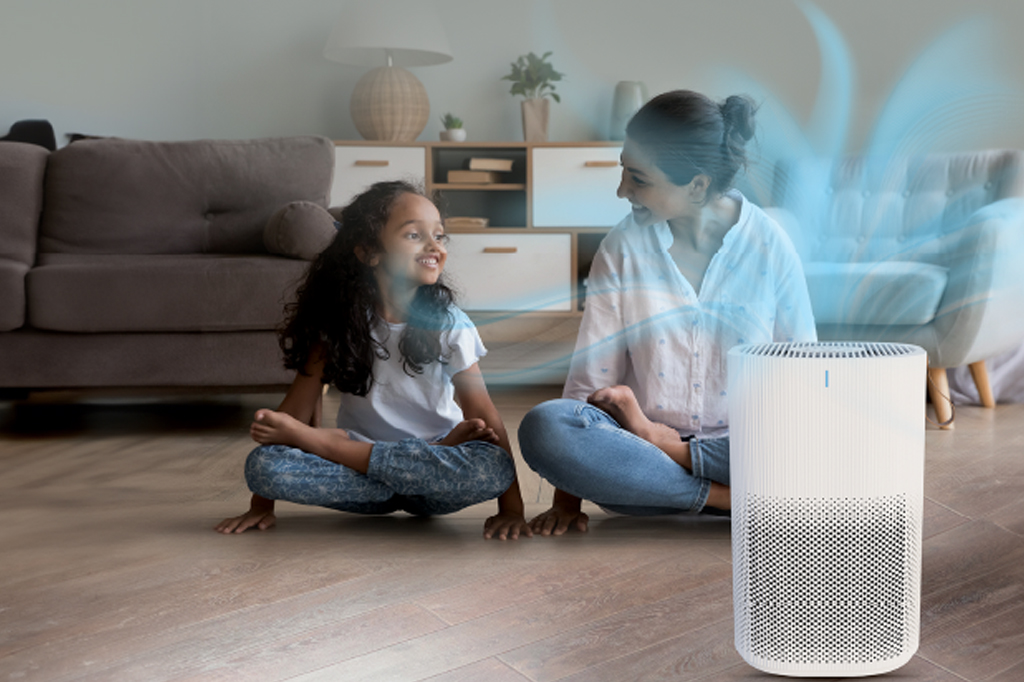
Image Source: filter-concept.com
Why Natural Air Purification Matters
Many homes today have poorer indoor air quality than the outdoors. This is due to a buildup of pollutants from everyday activities and products. Poor air quality can affect your health, causing headaches, fatigue, allergies, and even more serious respiratory problems over time. Common indoor pollutants include dust, pet dander, mold spores, pollen, and chemicals released from furniture, cleaning supplies, and building materials. These are often referred to as Volatile Organic Compounds or VOCs.
Common Indoor Air Pollutants
Here’s a look at some of the most common culprits affecting your home’s air:
- Dust Mites: Tiny creatures found in dust, bedding, and carpets. They thrive in warm, humid environments.
- Pet Dander: Microscopic flakes of skin shed by pets. This is a common allergen.
- Mold and Mildew: Fungi that grow in damp areas, releasing spores into the air.
- Pollen: Tiny particles released by plants, which can easily enter your home.
- Volatile Organic Compounds (VOCs): Chemicals emitted from paints, cleaning products, air fresheners, furniture, and building materials. Examples include formaldehyde, benzene, and toluene.
- Carbon Monoxide (CO): A colorless, odorless gas produced by burning fuels (like in gas stoves or fireplaces).
- Radon: A naturally occurring radioactive gas that can seep into homes from the ground.
The Benefits of Natural Methods
Using natural methods to purify your air offers several advantages:
- Healthier: Avoids the harsh chemicals often found in commercial air purifiers and cleaners.
- Cost-Effective: Many natural solutions are inexpensive or free.
- Environmentally Friendly: Reduces waste and the use of synthetic chemicals.
- Aromatic: Many natural methods also add pleasant scents to your home.
Harnessing the Power of Plants: Houseplants for Air Purification
Houseplants for air purification are a beautiful and effective way to improve your indoor air quality. Plants naturally absorb carbon dioxide and release oxygen. Some plants are also exceptionally good at filtering out specific airborne toxins. NASA’s Clean Air Study famously highlighted the air-purifying capabilities of certain houseplants.
Top Houseplants for Cleaner Air
Here are some of the best houseplants to consider for your home:
| Plant Name | Common Air Pollutants Filtered | Ease of Care | Light Needs |
|---|---|---|---|
| Spider Plant | Formaldehyde, Xylene | Very Easy | Bright, indirect |
| Snake Plant (Mother-in-Law’s Tongue) | Formaldehyde, Benzene, Xylene, Toluene | Very Easy | Low to bright, indirect |
| Peace Lily | Ammonia, Benzene, Formaldehyde, Trichloroethylene | Moderate | Low to moderate, indirect |
| Boston Fern | Formaldehyde, Xylene | Moderate | Medium to bright, indirect, high humidity |
| Areca Palm | Formaldehyde, Xylene, Toluene | Moderate | Bright, indirect |
| English Ivy | Benzene, Formaldehyde, Mold, Xylene | Moderate | Low to bright, indirect |
| Dracaena (various types) | Benzene, Formaldehyde, Xylene, Trichloroethylene | Moderate | Low to bright, indirect |
| Rubber Plant | Formaldehyde | Easy | Bright, indirect |
How Plants Clean the Air
Plants clean the air through a process called phytoremediation. Tiny pores on their leaves, called stomata, take in carbon dioxide and release oxygen. During this process, they can also absorb pollutants. Microbes in the potting soil also play a role, breaking down absorbed toxins.
Plant Care Tips for Optimal Air Purification
- Watering: Water plants only when the top inch of soil is dry. Overwatering can lead to root rot and mold, which can worsen air quality.
- Light: Ensure each plant receives the appropriate amount of light it needs to thrive. Healthy plants are better air purifiers.
- Dusting Leaves: Dust can accumulate on leaves, hindering their ability to absorb pollutants and light. Gently wipe leaves with a damp cloth.
- Potting: Use well-draining potting mix and pots with drainage holes. Refresh the soil annually.
Mastering Ventilation Techniques for Fresh Air
Ventilation techniques are crucial for reducing indoor pollutants and bringing in fresh air. Stale indoor air can trap pollutants, while good ventilation helps exchange it with cleaner outdoor air.
The Importance of Air Exchange
- Diluting Pollutants: Ventilation dilutes the concentration of indoor pollutants, making them less harmful.
- Removing Moisture: It helps control humidity, which can prevent mold growth.
- Replenishing Oxygen: It brings in fresh oxygen and removes stale carbon dioxide.
Natural Ventilation Methods
These methods utilize natural airflow without relying on mechanical systems.
- Opening Windows and Doors: This is the simplest and most effective method.
- Cross-Ventilation: Open windows on opposite sides of your home to create a natural airflow.
- Stack Effect: Open windows on lower floors and upper floors. Warmer air rises and escapes through higher openings, drawing cooler air in from below.
- Using Fans Strategically:
- Place fans near open windows to draw fresh air in or push stale air out.
- Ceiling fans can help circulate air throughout a room.
Mechanical Ventilation
While not strictly “natural,” using fans or exhaust systems can be a more controlled way to ventilate.
- Exhaust Fans: Use exhaust fans in kitchens and bathrooms to remove moisture and odors directly.
- Whole-House Fans: These fans are installed in the ceiling and pull air from the entire house, venting it outside.
When to Ventilate
- After Cleaning: Air out your home after cleaning, especially if you used chemical cleaners.
- During Cooking: Always use your kitchen exhaust fan or open a window when cooking.
- After Showers: Run the bathroom fan or open a window to remove moisture.
- When Using New Products: New furniture, carpets, or paint can off-gas VOCs. Ventilate well during and after their installation.
- Periods of High Indoor Activity: If you have many people gathered, ventilate to improve air circulation.
Reducing Indoor Pollutants Naturally
Reducing indoor pollutants is key to achieving healthier air. Many everyday items and habits contribute to indoor pollution, but there are simple natural ways to combat them.
Eliminating Sources of Pollution
The most effective way to purify air is to stop pollutants from entering your home in the first place.
- Avoid VOCs:
- Choose low-VOC or no-VOC paints and finishes.
- Opt for natural cleaning products or make your own using vinegar, baking soda, and essential oils.
- Select furniture and building materials made from natural, untreated sources when possible.
- Be mindful of air fresheners and candles. Many release VOCs. Opt for natural air fresheners instead.
- Control Dust:
- Use microfiber cloths for dusting, as they trap dust better.
- Vacuum regularly with a vacuum cleaner that has a HEPA filter.
- Wash bedding frequently in hot water to kill dust mites.
- Consider removing carpets, especially if you have allergies, as they trap dust and allergens.
- Manage Moisture:
- Fix leaks promptly to prevent mold growth.
- Use exhaust fans in bathrooms and kitchens.
- Ensure good ventilation in damp areas like basements.
- Consider a dehumidifier in very humid climates or rooms.
- Pet Care:
- Brush pets regularly, preferably outdoors, to reduce shedding.
- Wash pet bedding frequently.
- Consider keeping pets out of bedrooms if you have allergies.
Natural Cleaning Practices
Switching to natural cleaning methods can significantly reduce the VOCs in your home.
- Vinegar: A powerful disinfectant and deodorizer. Mix with water for a multi-purpose cleaner.
- Baking Soda: Excellent for scrubbing, absorbing odors, and as a gentle abrasive.
- Lemon Juice: Natural bleaching and deodorizing properties.
- Essential Oils: Many essential oils have antimicrobial and air-freshening properties (see section on aromatherapy for clean air).
DIY Air Filters and Purification Tools
You can create simple and effective DIY air filters to help capture airborne particles. While they may not be as sophisticated as commercial HEPA filters, they can offer an additional layer of purification.
Simple DIY Air Filter Box
This involves attaching furnace filters to a box fan.
Materials:
- One 20-inch box fan
- Four 20x20x1 inch furnace filters (MERV 11 or higher recommended for better particle capture)
- Cardboard (optional, for sealing gaps)
- Duct tape
Instructions:
- Arrange Filters: Stand the four filters on their edges to form a cube or a square column. The arrows on the filters indicating airflow should all point inward toward the center.
- Attach Fan: Place the box fan on top of the filter cube, ensuring the air is blown upward, away from the filters.
- Seal Edges: Use duct tape to securely tape the edges of the fan to the filters, creating a seal. Seal any gaps between the filters as well. Cardboard can be used to fill larger gaps before taping.
- Operation: Place the DIY filter in a room and turn on the fan. The fan will draw air through the filters, trapping particles.
Considerations:
- Filter Replacement: Replace filters every 1-3 months, or when they appear visibly dirty.
- Fan Speed: Higher fan speeds will filter more air but may be noisier.
- Placement: Place in a central location for maximum air circulation.
Natural Deodorizing Techniques
Odor removal naturally is a common goal for a fresh-smelling home.
- Baking Soda: Place open boxes or bowls of baking soda in areas prone to odors, like refrigerators, closets, or near litter boxes.
- Vinegar: A bowl of white vinegar left out overnight can absorb strong odors.
- Activated Charcoal: Highly porous, it effectively absorbs odors and impurities. Place bags of activated charcoal in rooms, closets, or cars.
- Simmering Potpourri: Gently simmer water with citrus peels, cinnamon sticks, cloves, or herbs like rosemary on the stovetop to release natural, pleasant fragrances.
- Houseplants: As mentioned earlier, some plants can help absorb odors.
Humidity Control for Healthier Air
Maintaining the right humidity control is essential for both comfort and indoor air quality. Too much humidity can lead to mold and dust mites, while too little can cause dry skin, irritated airways, and make you more susceptible to colds.
Ideal Humidity Levels
The ideal indoor humidity level is generally between 30% and 50%.
Natural Ways to Manage Humidity
- Ventilation: As discussed, opening windows and using exhaust fans helps remove excess moisture.
- Dehumidifying Plants: While most plants add moisture (transpiration), some studies suggest certain plants might have a slight dehumidifying effect in very specific conditions, though this is less pronounced than their pollutant filtering. Generally, focus on removing the source of excess moisture.
- Using Fans: Circulating air can help dry out humid spaces.
- Avoid Overwatering Plants: Excess water in soil can contribute to humidity.
- Wipe Down Surfaces: Dry shower walls, sinks, and countertops after use.
- Dehumidifiers: For significant humidity issues, a dehumidifier is the most effective tool. Ensure you clean it regularly to prevent mold growth within the unit.
- Humidifiers: In dry climates, a humidifier can add moisture. Clean these regularly as well to prevent bacterial growth.
Aromatherapy for Clean Air: Essential Oils
Aromatherapy for clean air uses essential oils not just for scent, but for their potential therapeutic properties, including purifying the air.
Essential Oils with Air-Purifying Properties
Many essential oils possess natural antibacterial, antiviral, and antifungal properties.
- Tea Tree Oil: Known for its strong antimicrobial and antifungal qualities.
- Eucalyptus Oil: Helps clear airways and has antiseptic properties.
- Lemon Oil: A natural disinfectant and deodorizer.
- Peppermint Oil: Refreshing and can help deter some pests.
- Lavender Oil: Calming and also has mild antibacterial properties.
- Pine Oil: Has a fresh scent and can help purify the air.
How to Use Essential Oils for Air Purification
- Diffusers: Use an ultrasonic or nebulizing diffuser to disperse essential oils into the air.
- Room Sprays: Mix a few drops of essential oil with distilled water in a spray bottle. Add a tablespoon of witch hazel or vodka to help emulsify. Shake well before each use and lightly mist rooms.
- Simmering: Add a few drops to a pot of simmering water with herbs or citrus peels.
- Cotton Balls/Pads: Place a few drops on cotton balls and place them in drawers, closets, or near vents.
Important Considerations for Essential Oils
- Quality Matters: Use pure, therapeutic-grade essential oils.
- Dilution: Always dilute essential oils for topical use, though for diffusion, they are used in small quantities.
- Pets: Be cautious when using essential oils around pets, especially cats and birds, as some oils can be toxic to them. Research specific oils before use.
- Pregnancy/Health Conditions: Consult with a healthcare provider before using essential oils if you are pregnant, nursing, or have any health conditions.
- Not a Replacement: While beneficial, essential oils are generally not a substitute for proper ventilation or removing the source of pollutants.
Frequently Asked Questions (FAQ)
Q1: How often should I open my windows for ventilation?
A1: Aim to open windows for at least 15-30 minutes daily, especially in the morning or evening when outdoor air quality is typically better. Cross-ventilation is most effective.
Q2: Are all houseplants good for air purification?
A2: While most plants contribute to oxygen production, certain plants are more effective at filtering specific toxins as identified in studies like NASA’s. Refer to the list of top purifying plants for best results.
Q3: Can I use essential oils if I have pets?
A3: Use essential oils with extreme caution around pets. Some oils are toxic to cats, dogs, and birds. Always research the specific oil and consult your veterinarian. Ensure pets can leave the room if they find the scent overwhelming.
Q4: How do I know if my indoor air quality is poor?
A4: Signs of poor indoor air quality can include persistent musty odors, frequent headaches, allergies, dry or irritated eyes, throat irritation, fatigue, or visible mold. Using an indoor air quality monitor can also provide objective readings.
Q5: What is the best natural way to remove odors?
A5: Combining methods is often best. Ventilate to remove stale air, use baking soda or activated charcoal to absorb lingering odors, and employ natural air fresheners like essential oil diffusers or simmering potpourri for pleasant scents.
Q6: Are DIY air filters as effective as HEPA filters?
A6: DIY filters can capture larger particles and improve air circulation, but they are generally not as effective as commercial HEPA (High-Efficiency Particulate Air) filters, which are designed to capture 99.97% of particles 0.3 microns in size. However, they are a good supplement.
By incorporating these natural strategies, you can significantly enhance your home’s environment, creating a healthier and more pleasant living space for you and your family. Breathe freely and enjoy the benefits of cleaner, naturally purified air!