
Can you recycle kitchen appliances? Yes, you absolutely can, and it’s a crucial step towards responsible waste management and environmental protection. When your trusty refrigerator stops cooling, your oven decides to take an early retirement, or your coffee maker gives its last brew, don’t just toss them in the trash. Proper disposal of these items, often referred to as appliance recycling, is vital for several reasons. It prevents bulky items from clogging landfills, allows for the recovery of valuable materials like metals and plastics, and importantly, helps manage hazardous components safely, especially with kitchen electronics disposal.
This comprehensive guide will walk you through the best practices for recycling your old kitchen appliances, ensuring you’re doing your part for a greener planet. We’ll cover everything from identifying what can be recycled to finding local services that can help.
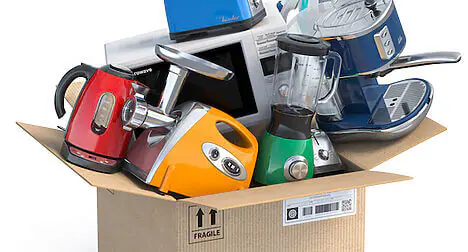
Image Source: www.recycleyourelectricals.org.uk
Why Recycle Your Kitchen Appliances?
Throwing away old appliances is a missed opportunity. These items are packed with materials that can be reused, and they also contain elements that can harm the environment if not handled correctly.
Environmental Benefits
- Resource Conservation: Appliances are made of metals, plastics, and glass. Recycling these materials reduces the need to mine new raw materials, which is an energy-intensive and often damaging process. This is particularly true for metal appliance recycling.
- Reduced Landfill Waste: Kitchen appliances are bulky and take up a significant amount of space in landfills. By recycling them, we lessen the burden on these already strained sites.
- Pollution Prevention: Many appliances contain refrigerants (like Freon in older refrigerators and freezers) or chemicals that can be harmful if released into the atmosphere or groundwater. Proper recycling ensures these substances are managed safely.
- Energy Savings: Manufacturing products from recycled materials generally uses less energy than making them from virgin resources.
Economic Benefits
- Job Creation: The recycling industry supports jobs in collection, processing, and manufacturing.
- Material Value: Metals like steel, copper, and aluminum, which are common in appliances, have significant resale value.
What Kitchen Appliances Can Be Recycled?
Most kitchen appliances, whether large or small, can be recycled. The process might differ slightly depending on the size and type of appliance.
Large Kitchen Appliances
These are typically the workhorses of your kitchen and are often the most challenging to move and dispose of due to their size and weight. Proper large appliance recycling is essential.
- Refrigerators and Freezers: These are prime candidates for refrigerator recycling. They contain valuable metals, but also refrigerants that must be removed by certified technicians before the unit is processed.
- Ovens and Ranges (Electric and Gas): Oven disposal can include electric ovens, gas ovens, cooktops, and ranges. These are largely metal and can be broken down for metal appliance recycling. Gas appliances require special handling to ensure any residual gas is safely purged.
- Dishwashers: Made primarily of metal and plastic, dishwashers are readily recyclable.
- Microwave Ovens: While smaller than other large appliances, microwaves still contain metal, plastic, and electronic components that require specialized e-waste recycling.
- Washing Machines and Dryers: Although often found in laundry rooms, these are frequently included in discussions of kitchen appliance disposal. Washing machine recycling and dryer recycling are common. They are heavy on metal and plastic.
Small Kitchen Appliances
Even your smaller kitchen gadgets can often be recycled, though they usually fall under e-waste recycling guidelines.
- Toasters and Toaster Ovens: Contain metal elements, heating coils, and some electronic parts.
- Blenders and Food Processors: Have motors, blades (metal), and plastic housings.
- Coffee Makers: Contain plastic, metal, and electrical components.
- Electric Kettles: Mostly metal and plastic with heating elements.
- Mixers (Stand and Handheld): Feature motors, metal attachments, and plastic bodies.
- Electric Grills and Sandwich Makers: Made of metal, plastic, and heating elements.
How to Recycle Your Kitchen Appliances: A Step-by-Step Guide
The process of recycling kitchen appliances generally involves a few key steps, from preparation to finding the right recycling facility or service.
Step 1: Prepare Your Appliance for Recycling
Before you can hand over your old appliance, some preparation is needed to ensure a smooth and safe recycling process.
Cleaning Your Appliance
It’s a good practice to clean out your appliance before recycling. Remove any food scraps, residue, or debris. This not only makes the appliance more pleasant to handle for those who will be processing it but also helps prevent contamination of recyclable materials. For refrigerators and freezers, ensure the interior is dry to prevent mold growth.
Removing Specific Components
- Refrigerators and Freezers: The most critical step for these units is the safe removal of refrigerants (like CFCs or HFCs). This must be done by a certified professional. Many recycling centers or appliance removal services will handle this as part of their service, but it’s essential to confirm. Do not attempt to do this yourself.
- Gas Appliances (Ovens, Ranges): Ensure the gas supply to the appliance is turned off and disconnected. If you’re not comfortable doing this, hire a qualified professional.
Detaching Cords and Hoses
For smaller appliances, it’s often helpful to detach power cords and any hoses. These can sometimes be recycled separately, depending on the recycling facility’s capabilities.
Step 2: Find a Recycling Facility or Service
Locating the right place or service for your old appliance is crucial for proper appliance recycling.
Local Recycling Centers
Many municipal waste management facilities or dedicated recycling centers accept large appliances. They often have specific drop-off days or designated areas for bulky items. You can usually find information on your local government’s website or by calling their waste management department.
Retailer Take-Back Programs
When purchasing a new appliance, ask the retailer if they offer a take-back program for your old one. Many large appliance retailers will remove your old unit when they deliver the new one, often for a small fee. This is a convenient option for large appliance recycling.
Appliance Removal Services
There are professional appliance removal services that specialize in picking up and recycling unwanted appliances. These services are convenient, especially for heavy items, and they typically ensure the appliances are disposed of responsibly. Some services might even pay you for the scrap metal value of older appliances. You can search online for “appliance removal near me” or “appliance recycling services.”
E-Waste Recyclers
For smaller kitchen electronics like microwaves, blenders, or coffee makers, dedicated e-waste recycling facilities are the best option. These facilities are equipped to handle the electronic components safely.
Scrap Metal Dealers
Some scrap metal dealers will accept appliances, particularly those with a high metal content like ovens or washing machines. They will often pay you based on the weight of the metals. However, ensure they are also equipped to handle any hazardous components properly.
Step 3: Transporting Your Appliance
If you are taking your appliance to a recycling center yourself, consider these tips:
- Secure Loading: For large appliances, use a strong dolly or hand truck and secure the appliance in your vehicle with straps to prevent shifting during transport.
- Protective Gear: Wear gloves and sturdy shoes, as appliances can have sharp edges.
- Assistance: Large appliances are heavy. Enlist help from a friend or family member, or consider hiring movers for bulky items.
Specific Considerations for Different Appliance Types
While the general process is similar, some appliances have unique recycling needs.
Refrigerator Recycling: The Refrigerant Challenge
Refrigeration recycling is particularly important due to the refrigerants. Older refrigerators often contain Chlorofluorocarbons (CFCs) or Hydrofluorocarbons (HFCs), which are potent greenhouse gases. Modern refrigerators use less harmful alternatives.
- Certified Removal: The removal of refrigerants must be performed by an EPA-certified technician. This process captures the refrigerant, preventing its release into the atmosphere.
- Scrapping the Unit: Once the refrigerant is removed, the rest of the refrigerator, largely made of metal and plastic, can be processed for metal appliance recycling. The metal casing, shelving, and internal components can be sorted and reused.
Oven Disposal: Energy and Materials
Whether electric or gas, oven disposal involves managing both electrical and potentially gas components.
- Electric Ovens: These contain heating elements, wiring, glass, and metal. They are generally straightforward to recycle, with the metal components being the most valuable.
- Gas Ovens: Require that the gas line is safely disconnected. Any residual gas must be purged. The internal components, like burners and pipes, may need specific handling.
Washing Machine Recycling: Water and Metal
Washing machine recycling typically involves a significant amount of metal, primarily steel and copper.
- Draining: Ensure the washing machine is fully drained of any residual water before transport or collection.
- Components: The drum, motor, and casing are usually the most recycled parts. Plastic hoses and electronic controls are also managed.
Microwave and Small Appliance E-Waste
Microwaves and other small kitchen electronics fall under the umbrella of e-waste recycling.
- Electronic Components: These items contain circuit boards, capacitors, and sometimes small amounts of hazardous materials. Dedicated e-waste recyclers are best equipped to handle these.
- Metal and Plastic: The metal casings and plastic parts are also valuable resources that can be recovered.
Dealing with Hazardous Materials in Appliances
Appliances can contain substances that need special handling.
Refrigerants (CFCs/HFCs)
As mentioned, these are in refrigerators, freezers, and some air conditioners. Their release contributes to ozone depletion and climate change. Only certified professionals can legally and safely remove them.
Oils and Lubricants
Some appliances, particularly older ones with motors, might contain small amounts of lubricating oils that need to be drained and disposed of properly.
Batteries
If your small appliances use batteries, remove them and recycle them separately according to your local battery recycling guidelines.
Finding Local Resources: Your Recycling Action Plan
Here’s how to find the best options in your area:
Online Search Tools
- Earth911.com: This website is a fantastic resource. You can search for specific items (like “refrigerators” or “electronics”) and your zip code to find local recycling centers, drop-off locations, and special collection events.
- Call2Recycle.org: Primarily for batteries, but can also provide information on electronics recycling.
- Your Local Government Website: Search for “waste management,” “recycling,” or “bulky item pickup” on your city or county’s official website.
Tips for Choosing an Appliance Recycling Service
- Certification: For appliances containing refrigerants, ensure the service is EPA-certified to handle them.
- Transparency: Ask about their recycling process. Do they dismantle appliances for material recovery, or do they simply haul them away?
- Cost: Compare pricing for removal services if you’re not using a free municipal option.
- Convenience: Consider if they offer curbside pickup or if you need to transport the appliance yourself.
The Future of Appliance Recycling
The push for more sustainable living is leading to innovations in appliance design and recycling processes.
Eco-Design and Durability
Manufacturers are increasingly focusing on designing appliances that are more durable, easier to repair, and made with fewer hazardous materials. This “eco-design” approach aims to extend product life and simplify recycling at the end of life.
Advanced Recycling Technologies
New technologies are emerging to improve the efficiency of dismantling and sorting materials from appliances. This includes robotic sorting and more sophisticated methods for recovering precious metals and rare earth elements found in electronics.
Frequently Asked Questions (FAQ)
Q1: Do I have to pay to recycle my old kitchen appliance?
A1: It varies. Many municipalities offer free pickup for bulky items or have free drop-off locations. Retailers might charge a fee for take-back services. Private appliance removal services will generally charge a fee, but this can sometimes be offset by the scrap value of older appliances.
Q2: Can I just leave my old appliance on the curb for pickup?
A2: This is generally not recommended and often illegal. Most areas have specific rules for large appliance recycling and bulky item disposal. Check with your local waste management authority to see if they offer scheduled curbside pickup for appliances. Improper disposal can result in fines.
Q3: What happens to the refrigerants from refrigerators?
A3: Refrigerants are captured by certified technicians using specialized equipment. They are then either safely destroyed or, in some cases, reclaimed and purified for reuse in new appliances. This is a critical step in proper refrigerator recycling.
Q4: Can I get money for my old appliances?
A4: You might, especially for older appliances with significant amounts of metal. Scrap metal dealers will pay based on the weight of the metals. Some appliance removal services might also offer a small credit if the appliance has good scrap value.
Q5: What should I do if my old appliance is still working?
A5: If your appliance is still functional, consider donating it to a local charity, shelter, or community organization. This is a fantastic way to give your appliance a second life and help someone in need, reducing the need for new manufacturing and the associated environmental impact. Selling it second-hand is also an excellent option.
By taking the time to recycle your kitchen appliances correctly, you’re contributing to a healthier planet. You’re saving valuable resources, reducing pollution, and supporting a more circular economy. So, the next time one of your kitchen staples reaches the end of its life, remember these eco-friendly tips for responsible disposal.