
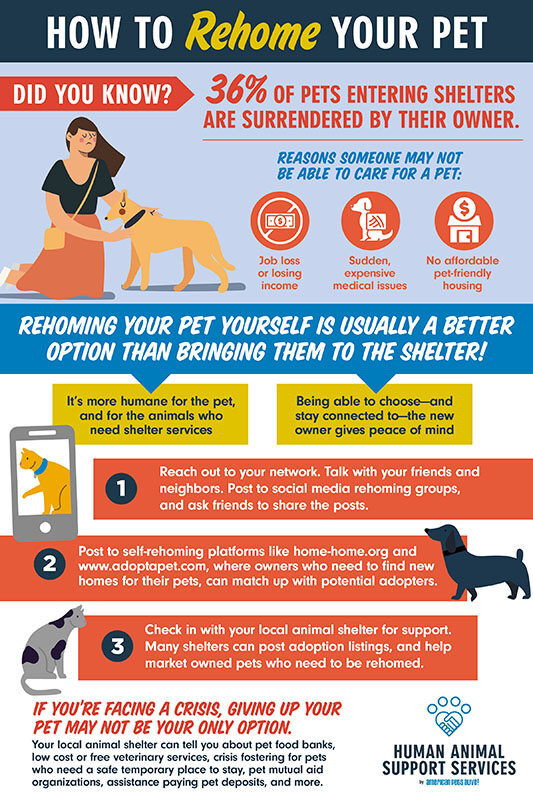
Image Source: www.towncats.org
How To Rehome a Cat Quickly & Safely
Can you rehome a cat quickly? Yes, it is possible to rehome a cat quickly and safely by following a structured approach that prioritizes the cat’s well-being while also being efficient in finding a suitable new home.
The Urgent Need for Cat Rehoming
When life throws unexpected curveballs, sometimes finding a new home for a cat becomes an urgent necessity. This situation can be incredibly stressful for both the cat and their owner. Whether it’s a sudden illness, a change in living arrangements, or an unforeseen financial hardship, responsible pet ownership includes ensuring your feline friend is cared for, even when you can no longer provide that care yourself. This guide is designed to help you navigate the process of finding a new home for a cat as quickly and safely as possible. We will cover everything from preparing your cat for this transition to finding the right adopters and ensuring a smooth move.
Preparing Your Cat for a New Environment
Before you even begin the search for a new home, preparing your cat is a crucial first step. This makes them more appealing to potential adopters and helps them adjust more easily to their new surroundings.
Essential Preparations
- Veterinary Check-up: Ensure your cat is up-to-date on vaccinations, flea and tick prevention, and deworming. A recent vet check-up, along with a health certificate, is highly valuable for potential adopters. If your cat is not spayed or neutered, this is an excellent time to consider it, as it significantly increases their adoptability. It also prevents accidental litters if they are temporarily in a foster home.
- Grooming: A clean, well-groomed cat is more attractive. Brush their coat, trim their nails, and clean their ears if necessary. This also gives you an opportunity to bond with them before the separation.
- Temperament Assessment: Be honest about your cat’s personality. Do they love cuddles? Are they shy? Do they get along with other cats or dogs? This information is vital for matching them with the right family.
- Gather Records: Collect all veterinary records, vaccination history, and any information about their diet, habits, and preferences. This creates a comprehensive profile for potential adopters.
- Favorite Items: Pack a small bag with their favorite food, treats, a well-loved toy, and their favorite blanket or bed. Familiar scents can greatly reduce stress during the transition.
Strategies for Quick Cat Placement
When time is of the essence, you need to employ a multi-pronged approach to maximize your reach and speed up the cat adoption process.
Utilizing Online Platforms
The internet is a powerful tool for connecting with potential adopters.
- Social Media: Create appealing posts on platforms like Facebook, Instagram, and Twitter. Use high-quality photos and a compelling description of your cat. Share these posts in local lost and found pet groups, breed-specific groups, and general community pages.
- Rehoming Websites: Many websites are dedicated to pet rehoming. These platforms allow you to create a profile for your cat and connect with people actively looking to adopt. Some popular options include Petfinder, Adopt-a-Pet, and RescueMe.org.
- Local Classifieds: While less common for pets, some local classified ad sites might still be effective. Ensure you are cautious and screen potential adopters thoroughly.
Leveraging Your Network
Don’t underestimate the power of your existing connections.
- Friends and Family: Let everyone you know – friends, family, colleagues, neighbors – that you are looking to rehome your cat. Personal recommendations are often the most reliable.
- Veterinary Clinics and Pet Stores: Many veterinary clinics and pet stores have bulletin boards where you can post flyers. They may also have staff who know of people looking for a cat.
Engaging with Feline Rescue Organizations
Feline rescue groups and cat adoption agencies are invaluable resources. While they might have a waiting list, they are often the best bet for ensuring a responsible placement.
- Local Shelters and Rescues: Contact your local animal shelters and Feline rescue organizations. Explain your situation. Even if they cannot take your cat directly, they might be able to offer advice, temporary cat fostering, or suggest other avenues.
- No-Kill Shelters: If your situation is particularly urgent, prioritize no-kill shelters that have a strong focus on cat adoption.
The Importance of Thoroughly Screening Potential Adopters
Speed is important, but safety and suitability are paramount. A rushed decision can lead to a bad outcome for everyone involved, especially the cat.
Questions to Ask Potential Adopters
Develop a list of questions to gauge their suitability and commitment.
- Experience with Cats: Do they have prior experience owning cats? What happened to their previous pets?
- Living Situation: Are they renting or do they own their home? If renting, does their landlord allow pets? Are there any pet restrictions (e.g., weight limits, number of pets)?
- Household Members: Who lives in the household? Are there children? What are their ages? Are there other pets? How will the cat be introduced to them?
- Lifestyle: What is their daily routine like? Will the cat be alone for long periods?
- Commitment: Are they prepared for the long-term commitment of caring for a cat, which can be 15-20 years or more? Can they afford ongoing veterinary care, food, and supplies?
- Reasons for Adoption: Why are they looking to adopt a cat?
- Veterinarian: Do they have a veterinarian they plan to use?
What to Look For
Beyond their answers, pay attention to their demeanor and overall impression.
- Enthusiasm and Genuine Care: Do they seem genuinely excited and caring about your cat?
- Preparedness: Do they have the necessary supplies (food bowls, litter box, toys) or a plan to acquire them?
- Questions Asked: Are they asking you questions about the cat? This shows they are invested.
- Red Flags: Be wary of people who seem hesitant, rushed, or unable to provide satisfactory answers. Avoid anyone who wants to take the cat immediately without a proper introduction or home visit.
Creating a Comprehensive Rehoming Profile
A well-crafted profile significantly increases your chances of finding the right adopter quickly.
Essential Profile Components
- High-Quality Photos: Use several clear, well-lit photos of your cat from different angles. Include photos of them playing, sleeping, and interacting with people.
- Engaging Description:
- Name and Age: Start with their name and age.
- Personality Traits: Describe their temperament – affectionate, playful, shy, independent, lap cat, etc.
- Likes and Dislikes: What foods do they love? What toys do they prefer? What do they dislike (e.g., loud noises, being picked up)?
- Health Status: Mention if they are spayed/neutered, vaccinated, microchipped, and any existing medical conditions.
- Behavioral Notes: Do they use a litter box reliably? Do they scratch furniture? Are they good with children or other animals?
- Reason for Rehoming: Be honest but brief about why you are rehoming them.
- Contact Information: Provide your preferred contact method.
Example Profile Snippet
“Meet Luna! This gorgeous 2-year-old calico is a sweet and gentle soul looking for her forever home. Luna is a true lap cat who loves nothing more than to curl up with her favorite human for a good cuddle. She’s playful and enjoys chasing laser pointers but also appreciates quiet afternoons napping in a sunbeam. Luna is spayed, up-to-date on all vaccinations, and litter box trained. She would do best in a calm, adult-only home without other pets, as she can be a little shy around new animals. Luna is microchipped and comes with her favorite toys and a bag of her preferred salmon-flavored food. We are rehoming her due to a sudden family relocation. If you’re looking for a loving companion, Luna might be the purr-fect fit!”
The Role of Temporary Cat Fostering
In some urgent situations, finding a permanent home immediately might not be feasible. Temporary cat fostering can be a crucial bridge.
Finding a Foster Home
- Friends and Family: Again, your personal network is the first place to look. Someone might be willing to provide a safe haven for a few weeks or months.
- Rescue Organizations: Many Feline rescue groups operate foster networks. They can provide the foster home, and you can continue to search for a permanent adopter.
- Online Foster Networks: Some platforms specifically connect people needing temporary foster care with willing individuals.
What to Provide for Foster Care
If you are placing your cat in temporary cat fostering, ensure the foster provider has:
- All necessary food and supplies.
- Clear instructions on feeding, medication, and any behavioral quirks.
- Contact information for their veterinarian.
- A plan for how you will communicate about potential adopters.
Navigating Cat Surrender Options
If you exhaust all other avenues and cannot find a suitable adopter yourself, cat surrender options exist. However, this should be a last resort, as direct rehoming often yields better results for the cat.
Understanding Surrender
- Animal Shelters and Rescues: Most animal shelters and rescue organizations accept surrendered animals, though they may have specific intake procedures, fees, or waiting lists.
- Private Rehoming Services: Some professional pet rehoming services exist. They often charge a fee but can handle the screening process and placement for you. Research these services carefully to ensure they are reputable.
- Veterinary Clinics: Some veterinary clinics have partnerships with rescue groups or may know of resources for surrender.
Making an Informed Decision
- Visit the Facility: If you must surrender your cat to a shelter, try to visit it beforehand. Look for cleanliness, attentive staff, and a generally positive environment.
- Discuss the Process: Ask about their adoption rates and how they match pets with new families. This will help you gauge how likely your cat is to find a new home quickly.
Responsible Cat Rehoming Practices
Responsible cat rehoming goes beyond just finding a home; it means finding the right home.
Creating a Safe Transition
- Gradual Introduction: If possible, arrange for the new owner to meet your cat in their current environment first. This allows the cat to feel more secure.
- Transition Period: Don’t hand your cat over at the door. Spend a few minutes introducing them to their new owner and explaining their habits and needs.
- Support After Rehoming: Offer to be available for questions in the initial days or weeks after the rehoming. This can ease the transition for both the cat and the new owner.
Legal and Ethical Considerations
- Ownership Transfer: Ensure clear ownership transfer. If you are using a pet rehoming service, they will likely have forms for this. If rehoming directly, consider a simple contract outlining the terms of adoption.
- Honesty is Key: Be upfront about any behavioral or health issues your cat may have. This allows the new owner to be prepared and provide appropriate care.
Dealing with Urgent Cat Relocation
Urgent cat relocation can be particularly challenging. These situations often require rapid decision-making and efficient action.
Planning for Unexpected Moves
- Pre-emptive Planning: If you anticipate a move or significant life change, start the rehoming process early. This reduces stress and increases your chances of finding a good home.
- Emergency Contacts: Have a list of trusted friends or family who might be able to help in an emergency rehoming situation.
Steps for Immediate Relocation
- Prioritize Safety: Your cat’s safety is paramount. If you are moving, ensure they are securely contained during transit and arrive at their new location or foster home safely.
- Communicate Clearly: Be very clear with potential adopters or foster families about the urgency and any specific needs your cat has.
Frequently Asked Questions (FAQ)
Q1: How long does it usually take to rehome a cat?
A1: The time it takes to rehome a cat can vary greatly. Some cats find new homes within days, while others may take weeks or months. Factors like the cat’s age, health, temperament, and the current demand for adoptions in your area all play a role.
Q2: Can I charge a rehoming fee for my cat?
A2: Yes, it is common and often recommended to charge a rehoming fee. This fee helps to deter people who are not serious about adoption and covers some of the costs associated with caring for the cat (like vaccinations, spaying/neutering, and food). The fee should be reasonable and reflect the actual costs incurred.
Q3: What if my cat has behavioral issues?
A3: Be honest about any behavioral issues your cat has, such as litter box problems, aggression, or destructive habits. This allows potential adopters to understand the challenges and determine if they can meet the cat’s needs. Sometimes, specific training or a particular home environment can resolve these issues. Rescue groups can often provide advice on managing behavioral challenges.
Q4: What is a good age to rehome a kitten versus an adult cat?
A4: Kittens are typically easier to rehome as they are often seen as more desirable and adaptable. Adult cats, especially older ones or those with special needs, may take longer to rehome but can be incredibly rewarding companions. Highlight the unique qualities of adult cats, such as their established personalities and often calmer demeanor.
Q5: What if I cannot find a suitable home quickly enough?
A5: If you are struggling to find a home within your desired timeframe, consider temporary cat fostering. This gives you more time to find the right permanent placement. If all else fails, explore reputable cat surrender options, but always aim for direct rehoming first to give your cat the best chance.
Conclusion
Rehoming a cat quickly and safely requires dedication, preparation, and a strategic approach. By focusing on your cat’s well-being, utilizing various platforms to find potential adopters, and thoroughly screening candidates, you can significantly increase your chances of a successful and timely relocation. Remember that responsible cat rehoming is a commitment, and the ultimate goal is to ensure your feline friend lands in a loving, permanent home where they will be cherished for years to come.