
Can you give away a cat without ensuring its safety? No, you cannot responsibly give away a cat without prioritizing its well-being and ensuring a safe, loving new home. Rehoming a cat is a significant undertaking that requires careful planning and execution to protect the animal’s welfare. This guide provides comprehensive steps for finding a new home for your cat safely and responsibly, covering everything from initial preparation to post-placement follow-up. Whether you’re considering cat adoption options or need to rehome a cat yourself, this resource will help you navigate the process with care and consideration for cat welfare during rehoming.
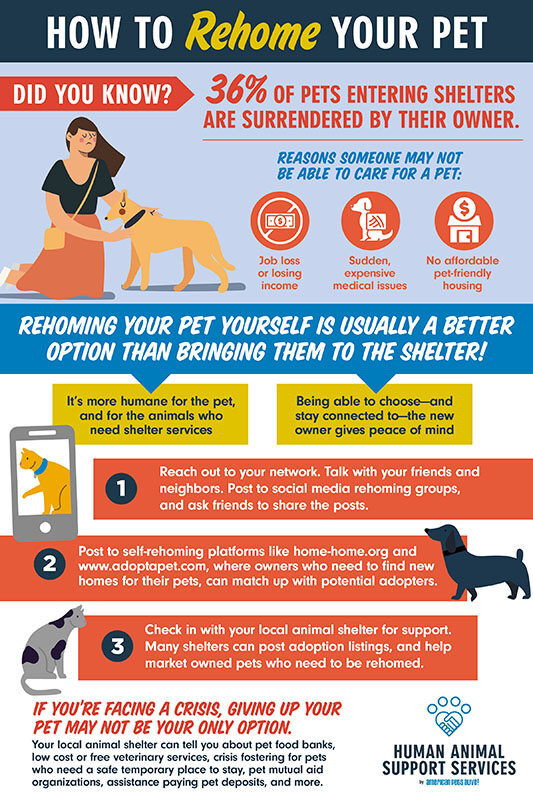
Image Source: www.towncats.org
Preparing Your Cat for a New Beginning
Before you even begin the search for a new home, preparing your cat is crucial. This involves ensuring they are healthy, well-socialized, and have the best chance of adapting to a new environment.
Veterinary Health Check
A thorough veterinary check-up is the first and most important step. This ensures your cat is healthy and free from parasites or diseases that could be transmitted to other animals or pose a risk to a new owner.
- Vaccinations: Ensure your cat is up-to-date on all core vaccinations.
- Deworming and Flea/Tick Treatment: Administer necessary treatments to keep your cat parasite-free.
- Spaying/Neutering: If your cat is not already spayed or neutered, this is highly recommended. It reduces the risk of unwanted litters and can improve behavior.
- Microchipping: Ensure your cat is microchipped with current contact information. This is vital for identification if they ever get lost.
- Health Records: Gather all veterinary records to provide to the new owner. This demonstrates a commitment to your cat’s health and gives the new owner valuable information.
Socialization and Behavior Assessment
A well-adjusted cat is more likely to adapt successfully to a new home.
- Temperament: Assess your cat’s personality. Are they shy, outgoing, playful, or independent? This will help in matching them with a suitable household.
- Interaction with Others: Observe how your cat interacts with children, other pets, and strangers.
- Litter Box Habits: Ensure your cat is consistently using their litter box. Address any issues before rehoming.
- Scratching Habits: If your cat has destructive scratching habits, provide and encourage the use of scratching posts.
Gathering Essential Information
Compile a comprehensive profile of your cat. This will be invaluable when screening potential adopters.
- Age and Breed: Basic identifying information.
- Dietary Needs: What food does your cat eat? Any allergies?
- Medical History: Any past illnesses, treatments, or ongoing conditions.
- Behavioral Quirks: Favorite toys, sleeping spots, fears, and preferences.
- Reason for Rehoming: Be honest and transparent about why you need to rehome your cat.
Strategies for Finding a Suitable New Home
Once your cat is prepared, you can begin the search for a suitable new home. This is where responsible placement truly begins.
Option 1: Reaching Out to Your Network
Often, the best place to start is with people you know and trust.
- Friends and Family: Inform your friends, family, colleagues, and neighbors that you are looking to rehome your cat. They already know you and can offer a trusted environment.
- Social Media: Post a clear, appealing photo and description of your cat on your personal social media pages. Ask friends to share.
Option 2: Utilizing Cat Adoption Resources
Several organizations are dedicated to helping cats find loving homes.
- Local Animal Shelters and Rescues: These organizations have established cat adoption programs. They often have a vetting process for potential adopters and can provide a safe temporary environment for your cat. Be aware that some shelters can be overcrowded, and there might be surrender fees or waiting lists.
- Cat Rescue Organizations: Many cat rescue organizations specialize in rehoming cats. They may have foster homes available, which can be a less stressful environment than a shelter. These groups often have dedicated volunteers who can help with the cat adoption process.
- Online Adoption Platforms: Websites like Petfinder, Adopt-a-Pet, and local rescue group websites can list your cat for adoption. This expands your reach to a wider pool of potential adopters.
Option 3: Direct Placement with Pre-Screening
If you decide to find a home yourself without going through a formal organization, rigorous pre-screening is essential. This is a crucial part of placing a cat safely.
Screening Potential Adopters: The Crucial Steps
This is perhaps the most critical phase to ensure finding a loving home for a cat. You are not just giving away a cat; you are finding its next permanent family.
Initial Contact and Questionnaire
- Inquire about their experience with cats: Have they owned cats before? Are they familiar with cat care?
- Ask about their living situation: Is it a house or apartment? Do they own or rent? If renting, is pet ownership permitted, and are there any restrictions?
- Household members: Who lives in the home? Are there children? If so, what are their ages? How will the cat be introduced to them?
- Other pets: Do they have other pets? How will the new cat be introduced and integrated?
- Time commitment: How much time will the cat be alone each day? Who will be the primary caregiver?
- Veterinary care: Do they have a veterinarian they plan to use?
Home Visit
If their initial responses are positive, arrange a home visit. This allows you to see the environment firsthand and observe how the cat might fit in.
- Observe the environment: Is it clean, safe, and suitable for a cat? Are there potential hazards?
- Meet the family: Observe interactions between the potential adopters and their family members.
- Discuss cat proofing: Ensure they have considered cat-proofing their home.
Adoption Contract
Consider using an adoption contract. This is a legally binding agreement that outlines the responsibilities of the new owner and includes clauses for the cat’s welfare.
- Commitment to care: The contract should state the adopter’s commitment to providing food, water, shelter, veterinary care, and affection.
- Return clause: Include a clause that requires the adopter to contact you if they can no longer keep the cat. This prevents the cat from ending up in a shelter or being rehomed improperly again.
- No resale: Prohibit the sale or rehoming of the cat to another party without your consent.
- Veterinary care commitment: Acknowledge their responsibility for regular vet check-ups and necessary medical treatments.
Preparing the New Owner for Success
Simply handing over your cat is not enough. You need to equip the new owner with the knowledge and resources to make the transition smooth for everyone.
Providing a Starter Kit
Make the transition easier by providing essential items for the first few days or weeks.
- Food: A supply of the food your cat is currently eating to avoid sudden dietary changes and potential upset stomachs.
- Litter Box and Litter: A familiar litter box and some of their preferred litter.
- Familiar Bedding: A favorite blanket or bed that smells like home.
- Toys: A few favorite toys to provide comfort and entertainment.
- Scratching Post: If your cat uses one, include it.
- Carrier: A familiar cat carrier for safe transport.
Educating the New Owner
Share all the information you’ve gathered about your cat’s habits, preferences, and history.
- Dietary Routine: Explain feeding times and amounts.
- Litter Box Preferences: Discuss the type of litter box and litter your cat prefers, and how often it should be cleaned.
- Behavioral Insights: Explain any unique behaviors, fears, or favorite activities.
- Introducing to the Home: Advise on how to introduce the cat slowly and positively to their new environment and family members.
Ensuring Ongoing Cat Welfare During Rehoming
The commitment to your cat’s well-being doesn’t end once they leave your home.
Post-Placement Follow-Up
It’s good practice to follow up with the new owner after a few weeks to ensure everything is going well.
- Check-in calls or messages: See how the cat is settling in and address any concerns the new owner might have.
- Offer support: Be available to answer questions or provide advice if issues arise.
- Respect boundaries: While it’s good to check in, be mindful of the new owner’s privacy and space.
What If Rehoming Isn’t Possible? Understanding Cat Surrender Options
In some situations, finding a suitable private placement might not be feasible. This is when cat surrender options become important to consider.
- No-Kill Shelters: Prioritize shelters that do not euthanize animals except in cases of severe illness or aggression.
- Breed-Specific Rescues: If you have a specific breed of cat, a breed-specific rescue might be a good option, as they often have networks of experienced foster homes.
- Owner-Retained Programs: Some organizations offer programs that help owners keep their pets during difficult times (e.g., temporary housing, financial assistance for vet care). Exploring these might prevent the need for rehoming altogether.
Creating a Safe Transition: Key Considerations
The actual handover of your cat is a delicate process.
The Handover Process
- Neutral Territory: If possible, arrange the handover in a neutral location, or ensure the new owner comes to your home. This allows your cat to leave from a place they know, which can be less disorienting than being picked up in an unfamiliar place.
- Calm Environment: Keep the handover calm and quiet. Avoid excessive excitement or stress.
- Secure Transport: Ensure your cat is safely secured in a carrier for transport.
What to Include in the Rehoming Package
- Full Veterinary History: All records, vaccination certificates, and microchip details.
- Food and Water Bowls: Familiar bowls can provide a sense of continuity.
- Favorite Toys and Blanket: Items that carry familiar scents.
- Litter Scoop and Box: A clean litter box with some familiar litter.
- Grooming Supplies: Brush, nail clippers if they were used.
- Contact Information: Your contact details and the details of any relevant rescue organizations.
Dealing with Difficult Situations
Sometimes, rehoming a cat comes with complications.
Rehoming an Elderly or Special Needs Cat
These cats often require more specialized care and a specific type of home.
- Patient Adopters: Look for individuals or couples who are patient, experienced with cats, and understand the needs of older or special needs animals.
- Retired Individuals or Couples: Often have more time to dedicate to an elderly cat.
- No Young Children or Other Pets: A quiet home environment is often best.
- Financial Commitment: Be clear about potential ongoing veterinary costs. Consider setting up a small fund or providing some initial financial support if possible.
Rehoming a Cat with Behavioral Issues
If your cat has behavioral challenges, it’s essential to be upfront and seek appropriate help.
- Honesty is Key: Disclose all known behavioral issues to potential adopters and any rescue organizations.
- Behavioral Modification: Work with a certified animal behaviorist to address issues like aggression, anxiety, or inappropriate elimination before rehoming.
- Rescue Organizations Specializing in Behavior: Some rescues are equipped to handle cats with specific behavioral needs.
The Legal and Ethical Aspects of Rehoming
Responsible rehoming involves legal and ethical considerations.
Legal Ownership Transfer
While not always legally mandated for cats, having a signed adoption contract can provide a level of legal protection for both the cat and the parties involved. It clarifies expectations and responsibilities.
Ethical Responsibility
The ethical imperative is to ensure the cat’s safety and welfare. This means avoiding situations that could put the cat at risk.
- Avoid “Free to Good Home” Ads Without Scrutiny: These ads can attract individuals looking for free pets for malicious purposes, such as animal testing, fighting, or resale.
- Do Not Give Away Cats to Unchecked Individuals: Always screen potential adopters thoroughly.
Frequently Asked Questions (FAQ)
Q1: What if I can’t find a suitable home for my cat?
If you exhaust all avenues and cannot find a suitable private placement, the next responsible step is to contact reputable cat rescue organizations or animal shelters. While it can be difficult, these organizations are equipped to find appropriate homes or provide care. Do your research to find a facility with good cat welfare during rehoming practices.
Q2: How long does the rehoming process typically take?
The timeline for rehoming can vary greatly. It might take a few days to connect with someone in your network, or it could take weeks or even months to find the perfect match through an adoption agency or by advertising yourself. Patience is key to ensuring responsible placement.
Q3: Can I charge a rehoming fee?
Yes, charging a rehoming fee is common and often encouraged. This fee helps deter individuals who are not serious about adopting and covers some of the costs associated with preparing the cat for a new home, such as vaccinations and vet checks.
Q4: What should I do if the new owner contacts me wanting to return the cat?
Refer to your adoption contract. If you didn’t use one, try to assess the situation and offer guidance or support if possible. If the new owner is unable to keep the cat, the most responsible action is to take the cat back yourself or help them find another suitable placement, rather than letting them give the cat away again or abandon it.
Q5: How can I ensure my cat adapts well to its new environment?
Provide the new owner with detailed information about your cat’s routines and preferences. Advise them to create a safe, quiet space for the cat initially, introduce them slowly to other pets and family members, and be patient during the adjustment period. Positive reinforcement and a predictable routine are essential.
By following these guidelines, you can navigate the process of rehoming a cat responsibly, ensuring a safe and loving future for your feline companion. The goal is always to facilitate successful cat adoption and secure a forever home where your cat can thrive.