
Can you remove a tooth without pain at home safely? While complete and painless at-home tooth extraction is incredibly difficult and carries significant risks, the goal of this guide is to explore methods for gentle tooth extraction and natural tooth removal that prioritize comfort and safety. It is crucial to understand that DIY tooth pulling should only be considered in dire circumstances when professional dental care is completely inaccessible. This information is for educational purposes and does not replace the advice of a qualified dentist.
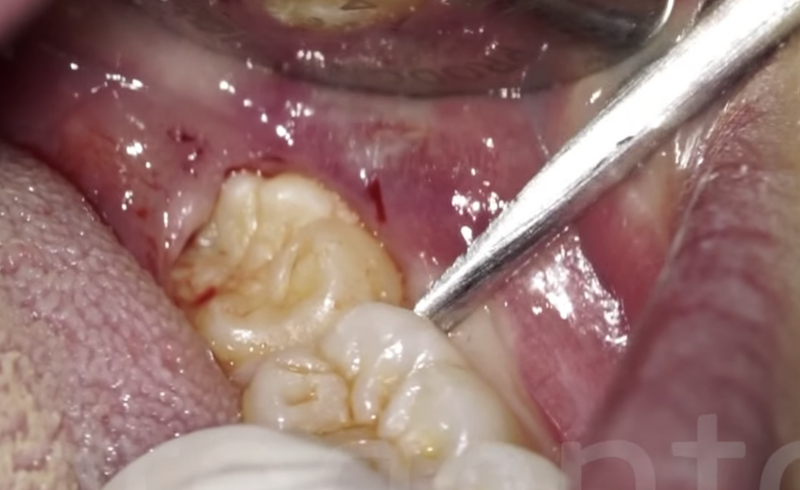
Image Source: www.cozzolinodentaloffice.com
Why Do People Consider At-Home Tooth Extraction?
Life happens, and sometimes a severely damaged or infected tooth becomes unbearable. When dental professionals are miles away, or financial constraints are severe, the idea of safe tooth removal at home can seem like the only option. This often stems from intense tooth pain, swelling, or the fear of a more serious infection spreading. Effective managing tooth pain at home is a priority for many in these situations.
Common Reasons for Tooth Loosening and Pain:
- Severe Decay: Cavities that reach the tooth’s nerve can cause excruciating pain.
- Gum Disease: Advanced periodontitis can lead to tooth loosening and eventual loss.
- Trauma: A blow to the mouth can fracture or dislodge a tooth.
- Abscesses: Infections at the root of the tooth can create pressure and pain.
The Risks of DIY Tooth Pulling: What You Need to Know
Before even contemplating at-home tooth extraction, it’s vital to grasp the substantial risks involved. Dental professionals have specialized tools, sterile environments, and extensive training to perform extractions safely and effectively. Attempting this at home can lead to serious complications.
Potential Complications:
- Infection: The mouth is full of bacteria. Without sterile instruments and technique, you can introduce harmful bacteria into the open wound, leading to severe infection.
- Incomplete Extraction: If the entire tooth root is not removed, it can cause ongoing pain, infection, and the need for professional intervention anyway.
- Damage to Surrounding Teeth: Forceful attempts can chip, fracture, or even knock out adjacent healthy teeth.
- Jawbone Damage: The roots of teeth are anchored in the jawbone. Improper force can fracture the jawbone.
- Excessive Bleeding: Tooth extractions inherently cause bleeding. Without proper techniques to control it, significant blood loss can occur.
- Nerve Damage: Nerves in the mouth can be inadvertently damaged, leading to persistent numbness or altered sensation.
- Pus Release: If an abscess is present, forceful extraction can spread the pus and infection into surrounding tissues and even the bloodstream.
Exploring Gentle Tooth Extraction Techniques and Natural Approaches
While professional extraction is always the safest route, if you are in a situation where you must address a severely loose and painful tooth, the focus should be on gentle tooth extraction and natural pain relief for tooth extraction. The primary goal is to encourage the tooth to loosen further, ideally falling out on its own, while minimizing trauma and pain.
Encouraging Natural Tooth Loosening:
Several methods aim to loosen tooth roots over time, making them more likely to detach with minimal intervention. These are primarily about patience and creating a more favorable environment.
Tooth Loosening Techniques:
- Saltwater Rinses:
- Preparation: Mix 1/2 teaspoon of salt in a glass of warm water.
- Usage: Swish the saltwater around your mouth gently for 30 seconds, focusing on the area of the loose tooth. Do this 2-3 times a day.
- Benefits: Saltwater helps to reduce inflammation, cleanse the area, and can draw out some infection, which may aid in loosening. This is a cornerstone of home dental care.
- Warm Compress:
- Application: Apply a warm, moist cloth or a heating pad set on low to the outside of your cheek near the affected tooth.
- Duration: Use for 15-20 minutes at a time, several times a day.
- Benefits: This can help soothe muscle soreness and improve circulation, potentially reducing discomfort and promoting healing around the tooth.
- Chewing on the Opposite Side:
- Practice: Avoid chewing on the side of your mouth with the loose tooth.
- Benefit: This reduces physical stress on the already compromised tooth and its roots, allowing it to loosen more naturally.
Natural Pain Relief for Tooth Extraction:
Managing pain is paramount when dealing with a problematic tooth. Several painless home remedies can offer temporary relief.
Natural Pain Relief Options:
- Clove Oil:
- How it Works: Clove oil contains eugenol, a natural anesthetic and antiseptic.
- Application: Dab a small amount of clove oil onto a cotton ball or swab. Gently apply it directly to the gum area around the loose tooth. Avoid swallowing.
- Caution: Use sparingly, as it can be potent and may irritate the gum if overused.
- Garlic:
- How it Works: Garlic has allicin, which has antibacterial properties.
- Application: Crush a clove of garlic and mix it with a tiny amount of salt to make a paste. Apply this paste gently to the affected tooth and gum area.
- Caution: The strong taste and smell can be unpleasant for some.
- Peppermint Tea Bags:
- How it Works: Peppermint has mild numbing properties.
- Application: Steep a peppermint tea bag in hot water for a few minutes. Let it cool until it is comfortably warm. Apply the damp tea bag directly to the sore gum area.
- Vanilla Extract:
- How it Works: Vanilla extract contains alcohol, which can have a mild numbing effect.
- Application: Apply a small amount of vanilla extract to a cotton ball and dab it onto the affected gum.
The “Pulling” Method: A Highly Risky Endeavor
While the focus is on natural tooth removal, some may consider actual DIY tooth pulling. This is the most dangerous aspect of at-home tooth extraction and should be approached with extreme caution, if at all. This section details what individuals might attempt, but strongly reiterates the inherent dangers.
Tools and Techniques (Extreme Caution Advised):
The goal here is to apply steady, gentle pressure rather than a sudden yank.
What Some May Consider (Not Recommended):
- Pliers: While not ideal due to their crushing nature, some might consider clean, sterilized needle-nose pliers. The grip needs to be firm but not crushing.
- Dental Floss or Strong String: This is a more traditional, albeit still risky, method.
- Preparation: Ensure the floss is strong and clean.
- Application: Tie a secure loop of floss around the base of the tooth, as close to the gum line as possible.
- Technique: Twist the other end of the floss to create tension. Apply a slow, steady rocking motion, alternating between wiggling the tooth gently and applying slight outward pressure. The idea is to mimic the natural loosening process, but with controlled force.
Key Principles for Any Attempt:
If you absolutely must attempt something resembling DIY tooth pulling, adhere to these principles:
- Sterilize Everything: Cleanliness is paramount. Wash your hands thoroughly. Sterilize any tools (pliers, string) with rubbing alcohol or boiling water.
- Be Gentle: Force is your enemy. The tooth needs to be significantly loose already. You are trying to encourage it, not rip it out.
- Wiggle, Don’t Yank: A slow, back-and-forth rocking motion is less likely to cause trauma than a sudden pull.
- Patience: This may take time. Don’t rush the process.
- Stop if There’s Excessive Pain or Bleeding: If you experience sharp, shooting pain or significant bleeding that doesn’t stop, cease immediately.
Post-Extraction Care: Minimizing Risks
After any form of natural tooth removal or attempted gentle tooth extraction at home, proper aftercare is crucial to prevent infection and promote healing.
Immediate Steps After Tooth Loosens or Detaches:
- Control Bleeding:
- Method: Fold a clean piece of gauze or a clean tea bag into a pad. Place it directly over the empty socket and bite down firmly.
- Duration: Maintain pressure for at least 30-45 minutes. If bleeding persists, replace the gauze and continue pressure.
- Rinse with Saltwater:
- Timing: Start rinsing with a warm salt water solution about 24 hours after the extraction (if it was an actual extraction, not just the tooth falling out). Avoid vigorous rinsing immediately.
- Frequency: Rinse gently every few hours, especially after meals.
- Manage Pain: Continue with natural pain relief for tooth extraction methods mentioned earlier (clove oil, warm compresses) as needed. Over-the-counter pain relievers like ibuprofen or acetaminophen can also be used if available and safe for you.
- Diet:
- Avoid: Hot liquids, hard foods, spicy foods, and anything that can irritate the socket.
- Opt For: Soft foods like yogurt, mashed potatoes, soups, and smoothies.
- Avoid:
- Smoking and Alcohol: These can impede healing and increase infection risk.
- Touching the Socket: Do not poke or prod the empty socket with your fingers or tongue.
When to Seek Professional Dental Help (Even After Home Attempts)
Even if a tooth appears to have come out cleanly at home, it is highly recommended to see a dentist as soon as possible. They can:
- Examine the Socket: Ensure no tooth fragments remain.
- Check for Infection: Assess the area for any signs of bacteria or pus.
- Clean the Area: Perform professional cleaning to reduce infection risk.
- Provide Aftercare Advice: Offer tailored guidance for optimal healing.
- Discuss Replacement Options: If necessary, discuss options for replacing the missing tooth.
Crucially, seek immediate professional dental or medical attention if you experience any of the following:
- Severe, uncontrolled bleeding.
- Signs of infection (fever, increasing swelling, pus, foul taste/odor).
- Severe pain that doesn’t subside with home remedies.
- Difficulty breathing or swallowing.
- Suspected jaw fracture.
Natural Tooth Removal: The Ideal Scenario
The safest form of natural tooth removal is when a tooth becomes so loose due to decay or gum disease that it eventually detaches on its own with minimal or no intervention. This is the ideal outcome for at-home tooth extraction when professional help is unavailable. The methods described for loosening teeth aim to encourage this natural process.
Factors Promoting Natural Detachment:
- Advanced Gum Recession: When gums pull away significantly, the bone supporting the tooth can erode, leading to looseness.
- Severe Tooth Decay: Extensive decay weakens the tooth structure, making it brittle and prone to falling out.
- Infection: Abscesses can break down the bone and ligaments holding the tooth, causing it to loosen.
Frequently Asked Questions (FAQ)
Q1: Can I really remove a tooth without pain at home?
A1: Achieving a completely painless at-home tooth extraction is highly unlikely. While painless home remedies can help manage discomfort, the act of extraction itself can be painful. The focus should be on making the process as comfortable and safe as possible, ideally by encouraging natural loosening.
Q2: Is using dental floss to pull a tooth safe?
A2: Using dental floss for DIY tooth pulling is inherently risky. While it might seem like a less invasive tool than pliers, it can still cause trauma, incomplete extraction, and infection if not done with extreme care and if the tooth isn’t already very loose. Professional extraction is always safer.
Q3: What are the best natural pain relief options for a loose tooth?
A3: Some of the best natural pain relief for tooth extraction include clove oil applied to the gum, using peppermint tea bags, or gently rinsing with warm salt water. These methods aim to reduce inflammation and provide a numbing sensation.
Q4: How do I know if my tooth is loose enough to come out naturally?
A4: A tooth is considered loose if it wiggles significantly in its socket when you gently try to move it with your tongue or finger. If it moves with noticeable play, it’s a sign that the supporting structures are compromised. However, even a very loose tooth can be difficult to remove without trauma.
Q5: What should I do if my tooth bleeds a lot after it comes out?
A5: Apply firm pressure to the socket using a clean gauze pad or a damp tea bag. Bite down gently but firmly for at least 30-45 minutes. If bleeding is severe and doesn’t stop after repeated attempts at applying pressure, seek professional medical attention immediately.
Q6: Can I use pliers for DIY tooth pulling?
A6: Using pliers for DIY tooth pulling is extremely risky. Pliers are designed to grip and crush, which can easily damage the tooth, jawbone, and surrounding tissues. If you must consider such methods due to absolute lack of access to care, extreme caution and sterilization are essential, but it is strongly discouraged.
Q7: What are the signs of infection after a tooth extraction at home?
A7: Signs of infection include increased pain, swelling that worsens, redness or red streaks emanating from the socket, pus discharge, fever, and a foul taste or smell in your mouth. If you notice any of these, seek professional medical or dental care immediately.
Q8: How important is sterile technique for at-home tooth extraction?
A8: Sterile technique is absolutely critical. The mouth contains millions of bacteria. Without sterile instruments and proper cleaning, you risk introducing dangerous infections into the wound, which can lead to serious health complications.
Q9: What if the tooth doesn’t come out but it’s very painful?
A9: If the tooth is very painful but not naturally loosening or coming out with gentle attempts, it often indicates a more significant problem like a deep infection or abscess. This is a clear sign that you need professional dental attention to avoid spreading the infection.
Q10: Are there any natural remedies to strengthen loose teeth?
A10: While there are no guaranteed natural remedies to “re-firm” a dangerously loose tooth, maintaining excellent home dental care, including regular gentle cleaning and using salt water rinses, can help manage inflammation and keep the surrounding gum tissue healthy. However, a tooth that is truly loose due to bone loss or decay usually cannot be saved without professional intervention.