
Can you restore a faded leather bag at home? Yes, you absolutely can! With the right leather care products and a little patience, you can bring your beloved faded leather bag back to life. This guide will walk you through the simple steps of DIY leather restoration, making it easy to tackle cleaning faded leather and revive its former glory.
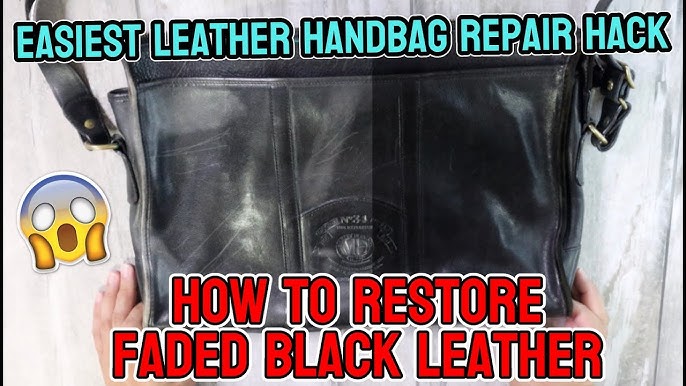
Image Source: i.ytimg.com
Why Does Leather Fade?
Leather is a natural material, and like anything natural, it’s susceptible to the effects of time and the environment. The most common culprit for a faded leather bag is exposure to sunlight. Ultraviolet (UV) rays break down the pigments in the leather and can also dry it out, leading to that dull, washed-out appearance. Other factors include:
- Heat: Prolonged exposure to high temperatures can also degrade the leather and its color.
- Moisture: While leather needs some moisture, excessive or repeated wetting and drying can damage its structure and affect its color.
- Oils and Greases: Body oils from handling, or accidental spills, can penetrate the leather and alter its appearance over time.
- Harsh Chemicals: Using the wrong cleaning products can strip the natural oils and dyes from the leather, accelerating fading.
Assessing Your Faded Leather Bag
Before you dive into DIY leather restoration, take a moment to assess the condition of your bag. This will help you choose the right products and techniques.
What to Look For:
- Evenness of Fading: Is the fading uniform across the entire bag, or are there specific areas that are more affected?
- Dryness and Stiffness: Does the leather feel brittle or stiff? This indicates a need for deep conditioning.
- Surface Scratches or Cracks: Are there any minor imperfections that need addressing before you recolor leather?
- Type of Leather: Is it smooth finished leather, suede, nubuck, or a more delicate type? The method will vary slightly. For this guide, we’ll focus on smooth finished leather, which is the most common for handbags.
Gathering Your DIY Leather Restoration Supplies
Having the right leather care products on hand is crucial for successful DIY leather restoration. Here’s what you’ll likely need:
Essential Supplies:
- Gentle Leather Cleaner: A good quality leather cleaner is your first line of defense. Look for pH-neutral formulas specifically designed for leather.
- Soft, Lint-Free Cloths: You’ll need several of these for cleaning, conditioning, and buffing. Microfiber cloths are ideal.
- Leather Conditioner: This is vital for replenishing the oils and moisture lost due to fading and drying.
- Leather Dye or Color Restorer: This is what will help you recolor leather and restore its original shade. Choose a dye that matches your bag’s original color as closely as possible. A leather repair kit often includes these.
- Applicators: These might include sponges, foam applicators, or small brushes, depending on the dye you choose.
- Gloves: To protect your hands from the dye and cleaning solutions.
- Protective Covering: Newspaper or an old sheet to protect your work surface.
- Optional: Leather Repair Kit: These kits often contain a combination of cleaner, conditioner, dye, and applicators, making them a convenient all-in-one solution for DIY leather restoration.
Choosing the Right Color for Recolor Leather:
Selecting the correct leather dye is perhaps the most critical step when you recolor leather.
- Identify the Original Color: Look at less-exposed areas of the bag, like the inside of a pocket or the underside of a flap.
- Test in an Inconspicuous Area: Always test your chosen dye on a small, hidden spot first to ensure the color is a good match and that it doesn’t react negatively with the leather.
Step-by-Step Guide to Restoring Your Faded Leather Bag
Now that you have your supplies, let’s get to the actual DIY leather restoration.
Step 1: Thorough Cleaning
The first step in cleaning faded leather is to remove any surface dirt, grime, or old product residue. This ensures the dye and conditioner can penetrate the leather effectively.
- Prepare Your Workspace: Lay down protective covering on your work surface. Put on your gloves.
- Apply Leather Cleaner: Dampen a soft, lint-free cloth with your leather cleaner. Don’t oversaturate the cloth; it should be damp, not wet.
- Gentle Wiping: Gently wipe down the entire surface of the bag. Work in sections, using a circular motion.
- Address Stubborn Spots: For any tougher spots, you might need to apply a little more cleaner and gently rub. Avoid harsh scrubbing, which can damage the leather.
- Wipe Away Residue: Use a separate, clean, damp cloth to wipe away any remaining cleaner residue.
- Allow to Dry: Let the bag air dry completely. Avoid placing it in direct sunlight or near a heat source, as this can cause further damage.
Table 1: Recommended Leather Cleaners
| Product Type | Key Features | Best For |
|---|---|---|
| pH-Neutral Leather Cleaner | Gentle on finishes, removes surface dirt. | All smooth finished leather bags. |
| All-Purpose Leather Cleaner | May contain mild solvents for tougher grime. | Bags with moderate dirt and oil buildup. |
| Mink Oil Cleaner | Cleans and conditions simultaneously. | Dry, slightly stiff leather requiring cleaning. |
Step 2: Conditioning the Leather
Once the bag is clean and dry, it’s time to rehydrate it. This is a crucial step in restoring leather color and preventing future cracking.
- Apply Leather Conditioner: Apply a small amount of leather conditioner to a clean, lint-free cloth.
- Gentle Application: Gently massage the conditioner into the leather using circular motions. Work it in evenly over the entire bag.
- Allow Absorption: Let the conditioner soak into the leather for at least 15-20 minutes. You’ll see the leather begin to look richer and more supple.
- Buffing: Use another clean, dry cloth to gently buff the surface of the bag. This will remove any excess conditioner and restore a subtle sheen.
Why Conditioning is Key for Faded Leather:
Faded leather is often dry leather. The UV rays and environmental exposure that cause fading also strip away the natural oils that keep leather supple and vibrant. Leather conditioner replenishes these oils, which not only helps restore leather color by making it appear richer but also improves the texture and flexibility of the leather, preventing cracks.
Step 3: Recoloring the Leather (If Needed)
If cleaning and conditioning haven’t brought back enough color, or if the fading is significant, you’ll need to recolor leather using a leather dye or a specialized color restorer.
- Prepare the Dye: If you are using a dye from a leather repair kit, follow the kit’s instructions for preparation. Some dyes require mixing.
- Test the Color: As mentioned before, test the dye on an inconspicuous area. Let it dry completely to see the true color.
- Application:
- For Dyes: Using a sponge, applicator pad, or small brush, apply the dye in thin, even coats. Work in sections, covering the entire area you want to recolor. Try to apply it as uniformly as possible to avoid streaks.
- For Color Restorers: These are often more like a tinted conditioner and can be applied with a cloth, similar to the conditioner.
- Build Color Gradually: It’s better to apply multiple thin coats than one thick coat. Allow each coat to dry completely (usually 15-30 minutes) before applying the next. This helps achieve a more even finish.
- Addressing Fading Patterns: If your bag has a pattern, you might need to be more careful with the dye application. Consider using a smaller brush or cotton swabs for precise application in textured areas.
- Allow to Dry Thoroughly: Let the dyed bag dry completely, ideally for 24 hours, in a well-ventilated area.
Step 4: Finishing and Protection
After the dye has dried, you’ll want to seal and protect your restored bag.
- Apply Another Coat of Conditioner: Once the dye is fully dry, apply another thin layer of leather conditioner over the entire bag. This helps to lock in the color, further moisturize the leather, and create a uniform finish.
- Buffing: Gently buff the bag with a clean, dry cloth.
- Sealant (Optional but Recommended): For extra protection against future fading and damage, consider applying a leather sealant or protector. These products create a barrier against moisture and UV rays. Apply according to product instructions.
Table 2: Leather Dye and Color Restorer Options
| Product Type | Application Method | Best For | Notes |
|---|---|---|---|
| Leather Dye | Sponge, brush, or cloth | Significant fading, color loss, or a desire to change color. | Requires careful application for evenness. Multiple thin coats are best. |
| Color Restorer | Cloth or sponge | Minor fading, reviving the original color. | Often easier to apply than traditional dyes, less risk of streaks. |
| Leather Stains | Applicator dauber or cloth | Dyeing edges or small sections. | Good for touch-ups and detailed work. |
| Leather Recoloring Balm | Cloth | General fading, conditioning, and subtle recoloring. | Easiest to use, good for beginners. |
Leather Polishing: Adding the Final Shine
Once your bag is restored and protected, a final leather polishing can really make it gleam.
- Use a Soft Brush or Cloth: Gently buff the entire surface of the bag with a clean, soft brush or a dry microfiber cloth.
- Circular Motions: Use light, circular motions to bring out a natural sheen.
- Focus on High-Touch Areas: Pay a little extra attention to areas that naturally get more buffing from handling, like the handles or the flap closure.
What is Leather Polishing?
Leather polishing is the final step in the restoration process that enhances the bag’s natural luster and smooths out any minor surface imperfections. It involves gently buffing the leather to bring out its natural shine, making it look more refined and cared for.
Tips for Maintaining Your Restored Leather Bag
To prevent your bag from fading again, proper maintenance is key.
- Store Properly: When not in use, store your bag in a dust bag in a cool, dry place away from direct sunlight.
- Avoid Overexposure: Limit the amount of time your bag spends in direct sunlight or extreme heat.
- Regular Conditioning: Apply leather conditioner every 3-6 months, depending on how often you use the bag and the climate you live in.
- Clean Spills Immediately: Blot up any spills with a clean, dry cloth as soon as they happen.
- Use Appropriate Cleaners: Always use leather care products specifically designed for leather.
Frequently Asked Questions (FAQ)
Can I use shoe polish to restore a faded leather bag?
While shoe polish can recolor leather, it’s generally not recommended for handbags. Shoe polish can be too waxy, stiff, or contain dyes that are not suitable for the softer, more flexible leather used in bags. This can lead to cracking or a less desirable finish. Stick to specialized leather dye or color restorers for the best results.
How long does the restoration process take?
The entire DIY leather restoration process, including drying times between steps, can take anywhere from a few hours to a full day or even two, depending on how many coats of dye are needed and how thoroughly you let everything dry.
Will recoloring my bag make it stiff?
If done correctly with quality leather dye and followed by thorough conditioning, recoloring leather should not make your bag stiff. In fact, proper conditioning afterward will help keep it supple. Applying dye too thickly or using an inappropriate product can lead to stiffness.
My bag has a very light color. Can I still restore it?
Yes, restoring light-colored bags is very achievable. However, you need to be extra careful with leather dye application to avoid streaks or uneven color. Using a color restorer or a very light-toned dye might be a better option for subtle fading. Always test the color first!
Do I need a professional leather repair kit?
A leather repair kit can be very helpful, especially for beginners, as it often contains the necessary leather care products like cleaner, conditioner, and dye, along with applicators. However, you can also purchase these items individually if you prefer.
How do I know if my leather bag is beyond repair?
If your bag has deep cracks, tears, or severe damage to the leather structure, home restoration might not be enough. In such cases, professional leather repair services might be necessary. However, for fading and minor wear, DIY leather restoration is usually very effective.
By following these steps, you can effectively restore faded leather bags at home, breathing new life into your favorite accessories. Remember to be patient and use the right leather care products for a beautiful, long-lasting result.