
Can you smooth a rough tooth at home? While some minor smoothing of very mild roughness might be possible with gentle, temporary methods, significant smoothing of tooth enamel is best left to a dental professional. Attempting aggressive DIY tooth filing can damage your enamel, leading to more serious dental problems.
A rough tooth can be an annoyance, catching on your tongue or cheek and sometimes causing discomfort. It might be a sign of a small chip, wear, or even a rough filling. If you’re experiencing this, you might be wondering about at-home dental smoothing techniques. This guide will explore how to address a rough spot on your tooth using DIY methods, focusing on safe and temporary solutions, and when it’s crucial to seek professional help.
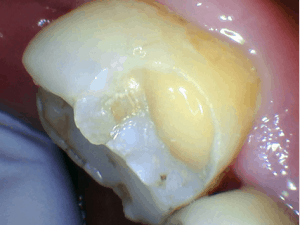
Image Source: valleyofthesundentistry.com
Why Are My Teeth Feeling Rough?
Grasping the reasons behind a rough tooth is the first step to finding a solution. Several factors can contribute to an uneven tooth surface:
- Minor Chipping or Fractures: Even tiny chips, often invisible to the naked eye, can create a rough edge. These can happen from biting down on hard food, trauma, or even grinding your teeth.
- Enamel Wear: Over time, the protective outer layer of your teeth, the enamel, can wear down. This can be due to aggressive brushing, grinding (bruxism), or acidic foods and drinks.
- Rough Fillings: If you have dental fillings, they might not always be perfectly smooth. A filling that’s slightly raised or has a rough edge can feel uncomfortable.
- Food Debris: Sometimes, a rough feeling can simply be due to food particles stuck to your teeth that aren’t easily removed by brushing alone.
- Dental Erosion: Acidic substances in food and drinks can erode enamel, leaving teeth feeling rough and sensitive.
- Surface Stains: Certain stains can create a slightly rough texture on the tooth’s surface.
DIY Dental Care: Temporary Smoothing Techniques
When you notice a rough spot on your tooth, your first instinct might be to reach for something to file it down. However, it’s vital to approach this with extreme caution. Enamel is the hardest substance in your body, but it’s also finite. Once it’s gone, it doesn’t grow back. Therefore, any at-home methods should be gentle and focus on temporary relief rather than permanent alteration.
Here are some gentle DIY dental care approaches you can try:
Gentle Brushing and Flossing
Sometimes, the roughness is simply due to plaque or food buildup.
- Technique: Ensure you’re brushing gently but thoroughly. Use a soft-bristled toothbrush and fluoride toothpaste. Pay attention to the gum line and all surfaces of your teeth.
- Flossing: Flossing daily is crucial for removing debris from between teeth where your toothbrush can’t reach. This can often resolve a feeling of roughness caused by trapped food.
- Mouthwash: An antimicrobial mouthwash can help reduce bacteria and remove loose particles, contributing to a smoother feel.
Using a Soft Nail File (with extreme caution!)
This is a highly debated DIY dental care method. If you choose to try this, it’s essential to proceed with extreme caution and only for the most minor, superficial roughness.
- When to Consider: Only for a very small, noticeable rough edge that feels like it’s snagging.
- What to Use: A clean, fine-grit metal nail file (not the coarse emery boards).
- How to Do It:
- Rinse your mouth thoroughly with water.
- Gently hold the file against the rough spot.
- Use very light, sweeping motions. Do not saw or apply pressure. The goal is to gently buff the surface, not to remove significant amounts of enamel.
- Work for only a few seconds at a time.
- Rinse your mouth again and check the feeling.
- Repeat only if absolutely necessary, with even lighter pressure.
- Warnings:
- Risk of Damage: You can easily wear down enamel if you’re not careful.
- Sensitivity: Damaged enamel can lead to tooth sensitivity.
- Not for Chips: This is not a solution for a chipped tooth repair.
- Avoid: Never use coarse files, nail clippers, or any other sharp objects.
Natural Tooth Smoothing Options
Some natural remedies are suggested for improving tooth health, which might indirectly contribute to a smoother feel by improving overall oral hygiene.
- Baking Soda Paste:
- How it works: Baking soda is a mild abrasive that can help remove surface stains and plaque.
- Preparation: Mix a small amount of baking soda with water to form a paste.
- Application: Brush your teeth with this paste gently.
- Frequency: Use this method sparingly, perhaps once or twice a week, as overuse can also be abrasive.
- Oil Pulling:
- How it works: Swishing oil (like coconut oil or sesame oil) in your mouth for 15-20 minutes is an ancient practice believed to draw out toxins and bacteria. While it won’t directly smooth enamel, it can improve gum health and reduce plaque buildup, which might contribute to a cleaner, smoother feeling.
- Method: Swish a tablespoon of oil in your mouth for 15-20 minutes, then spit it into the trash (not the sink, as it can clog pipes) and rinse thoroughly with water.
When DIY Isn’t Enough: Seeking Professional Dental Help
It’s crucial to recognize the limitations of at-home treatments. For anything more than a very minor, superficial roughness, or if you suspect a more significant issue, you absolutely need to see a dentist.
Professional Dental Smoothing Techniques
Dentists have specialized tools and expertise to safely address rough tooth surfaces.
- Enameloplasty: This is a procedure where a dentist carefully reshapes the tooth’s surface using dental burs or polishing discs. It’s often used to smooth out minor imperfections, slightly uneven tooth surfaces, or correct small chips that create roughness. This is a precise procedure that removes very minimal enamel.
- Polishing: After dental procedures like fillings or cleanings, dentists often polish teeth to ensure smooth surfaces, which helps prevent plaque buildup and improves the feel.
- Bonding: If the roughness is due to a chipped tooth or a worn edge, a dentist can use a tooth-colored resin (bonding) to reshape and smooth the tooth. This is a more involved repair than simple smoothing but is very effective for chipped tooth repair.
- Veneers or Crowns: For more significant damage or wear that affects the tooth’s surface and structure, veneers or crowns can be used to restore a smooth, uniform appearance.
When to See a Dentist Immediately
You should consult a dentist without delay if:
- The roughness is accompanied by pain or sensitivity.
- You notice a visible chip, crack, or break in the tooth.
- The rough spot is large or irregular.
- You have tried gentle DIY methods, and the roughness persists or worsens.
- You suspect the roughness is due to a faulty filling.
- You experience bleeding gums or other signs of gum irritation around the rough area.
What NOT to Do for a Rough Tooth
Some “DIY” advice found online can be dangerous. Avoid these methods at all costs:
- Using Coarse Files or Abrasives: Never use anything coarser than a very fine-grit nail file. Sandpaper, rough files, or anything designed for materials other than teeth can cause irreversible damage.
- Aggressive Scrubbing: Don’t scrub your teeth with excessive force, even with a soft brush, as this can wear down enamel and irritate gums.
- Sharp Objects: Never use sharp objects like knives, scissors, or even nail clippers to try and shave down a rough spot. This is incredibly dangerous and can lead to severe injury.
- Acidic Rinses: While some people experiment with acidic rinses, these can actually erode enamel further, making the problem worse.
The Importance of Enamel Health
Smoothing enamel is a delicate process. Your enamel is your tooth’s primary defense. Once it’s damaged or removed, it cannot be regenerated. This is why any attempt at at-home dental smoothing must prioritize the preservation of your enamel.
- Protection: Enamel protects the softer dentin layer underneath from decay and sensitivity.
- Appearance: Healthy enamel is smooth and reflects light, contributing to a bright smile.
- Structure: Enamel provides the hard surface needed for chewing.
When you’re dealing with an uneven tooth surface, it’s easy to get frustrated. However, a little patience and the right approach can make a big difference.
Comparing Professional vs. DIY Smoothing
Here’s a quick comparison to help you decide:
| Feature | DIY Dental Care (Gentle) | Professional Dental Smoothing |
|---|---|---|
| Effectiveness | Temporary relief for minor surface issues. | Permanent correction for various types of roughness and damage. |
| Safety | High risk of enamel damage if not extremely cautious. | High safety due to expertise and specialized equipment. |
| Tools Used | Soft toothbrush, floss, very fine nail file (with caution). | Dental burs, polishing discs, bonding agents, veneers, crowns. |
| Cost | Very low. | Varies from moderate to high, depending on the procedure. |
| Risk | Enamel erosion, increased sensitivity, further damage. | Minimal risk when performed by a qualified dentist. |
| Best For | Very minor roughness, plaque buildup. | Chipped teeth, worn enamel, rough fillings, significant unevenness. |
Maintaining Smooth Teeth: Prevention is Key
Preventing roughness in the first place is the best strategy. Focus on good oral hygiene:
- Brush Twice Daily: Use a soft-bristled brush and fluoride toothpaste.
- Floss Daily: Remove food particles and plaque from between teeth.
- Eat a Balanced Diet: Limit acidic foods and sugary drinks.
- Stay Hydrated: Drink plenty of water.
- Avoid Grinding: If you grind your teeth, talk to your dentist about a night guard.
- Regular Dental Check-ups: Visit your dentist for cleanings and check-ups every six months. They can identify and address minor issues before they become major problems.
Frequently Asked Questions (FAQ)
Q1: Can I file down a sharp edge on my tooth at home?
A: You can try gently buffing a very minor sharp edge with a fine-grit nail file, but this is risky. It’s much safer to see a dentist. Filing enamel incorrectly can lead to permanent damage and sensitivity.
Q2: My tooth feels rough, but there’s no visible chip. What could it be?
A: Roughness without visible damage could be due to enamel wear, a rough filling, plaque buildup, or even early stages of erosion. A dental check-up will help diagnose the exact cause.
Q3: How do dentists smooth rough teeth?
A: Dentists use specialized tools like dental burs and polishing discs for enameloplasty, or they may use dental bonding materials to reshape and smooth teeth. They can also polish rough fillings.
Q4: Is baking soda safe for smoothing teeth?
A: Baking soda is a mild abrasive and can help remove surface stains and plaque when used in moderation. However, excessive use can still wear down enamel. It’s best used as an occasional treatment, not a daily solution for smoothing.
Q5: What if I have a rough filling?
A: If a filling feels rough, it’s best to see your dentist. They can adjust and polish the filling to make it smooth and comfortable. Attempting to file down a filling yourself could damage the surrounding enamel.
Q6: Are there any natural ways to achieve smooth dental edges?
A: Natural tooth smoothing primarily involves excellent oral hygiene practices that prevent plaque and stain buildup. Oil pulling and gentle brushing with baking soda paste (sparingly) can contribute to a cleaner feel, but they won’t fundamentally change the tooth’s surface like professional methods.
Q7: I have a rough spot on the back of my front tooth. Can I fix this myself?
A: Rough spots on the back of front teeth can be tricky and are often caused by wear or minor damage. While you could try a very gentle buff with a fine nail file, it’s highly recommended to get it checked by a dentist to ensure no enamel is unnecessarily removed.
By prioritizing professional care when needed and practicing excellent oral hygiene, you can maintain the health and smoothness of your teeth. Remember, your smile is a valuable asset, and protecting your enamel is key to a lifetime of healthy teeth.