
Can you sterilize jewelry at home? Yes, you can effectively sterilize jewelry at home using various safe methods, especially for items like earrings or piercings. This guide will walk you through the best ways to ensure your jewelry is clean and germ-free, covering everything from basic jewelry cleaning to more advanced disinfect jewelry techniques. We’ll explore how to sterilize earrings, sanitize necklaces, clean rings, and maintain overall jewelry hygiene.
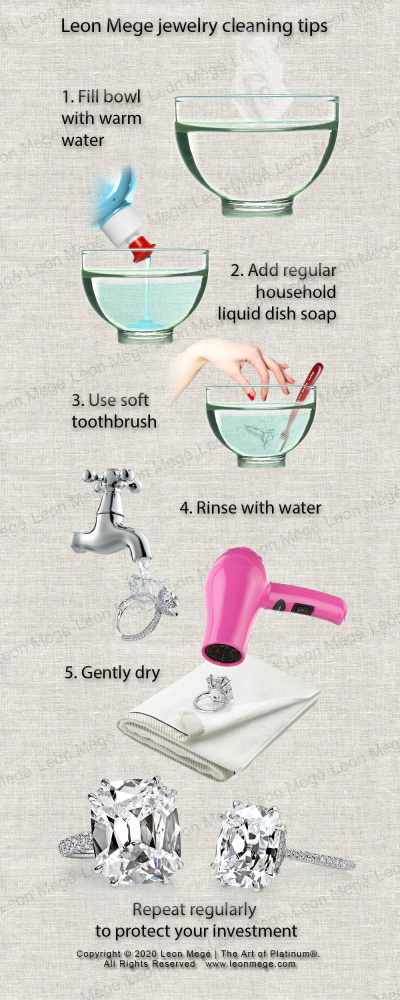
Image Source: leonmege.com
Why Sterilize Your Jewelry?
Jewelry, especially pieces worn close to the skin like earrings or rings, can accumulate bacteria, oils, and dead skin cells. This build-up can lead to skin irritation, infections, and dullness of your precious metals and stones. Regular sterilization helps prevent these issues, keeping your jewelry looking its best and your skin healthy.
Preventing Infections
For piercings, proper sterilization is crucial. Unsterile jewelry can introduce harmful bacteria into a new piercing, causing redness, swelling, pain, and potential infection. Even with healed piercings, switching jewelry without cleaning can transfer germs.
Maintaining Jewelry’s Luster
Dirt and grime don’t just affect your skin; they also diminish the sparkle of your jewelry. A good cleaning and sterilization routine will bring back the shine to your favorite pieces.
Allergy Management
Some individuals have sensitivities to certain metals. Keeping jewelry clean can reduce the risk of reactions caused by trapped irritants.
What You’ll Need for Home Sterilization
Gathering the right supplies is the first step to successful home jewelry sterilization.
Essential Supplies
- Mild Soap: Dish soap or a gentle hand soap works well.
- Soft Brush: A toothbrush with soft bristles is ideal for scrubbing.
- Soft Cloths: Microfiber cloths are best for polishing without scratching.
- Container: A small bowl or glass to soak your jewelry.
- Water: Lukewarm water is generally recommended.
- Rubbing Alcohol (Isopropyl Alcohol): A high percentage (70-90%) is effective for disinfection.
- Hydrogen Peroxide: Another good disinfectant, but use with caution on certain materials.
- Baking Soda: Can be used as a gentle abrasive for cleaning.
- Salt: Can be used with baking soda or in solutions.
Optional but Helpful Tools
- Tweezers: For safely handling small jewelry pieces.
- Cotton Swabs: For cleaning intricate details.
- Jewelry Polishing Cloths: Specifically designed for metal.
- Ultrasonic Jewelry Cleaner: For a deeper, more thorough clean.
Safe Sterilization Methods for Different Jewelry Materials
The best way to sterilize your jewelry depends heavily on the materials it’s made from. Using the wrong method can damage your precious items.
Precious Metals: Gold, Silver, Platinum
These metals are generally durable and can withstand most sterilization methods.
1. Soaking in Mild Soap and Water
This is a gentle and effective way to start jewelry cleaning.
Steps:
- Fill a small bowl with lukewarm water.
- Add a few drops of mild dish soap.
- Submerge your gold, silver, or platinum jewelry.
- Let it soak for 5-10 minutes.
- Use a soft-bristled toothbrush to gently scrub away dirt and grime, paying attention to settings and crevices.
- Rinse thoroughly under clean water.
- Pat dry with a soft, lint-free cloth.
This method is excellent for everyday jewelry hygiene.
2. Using Rubbing Alcohol (Isopropyl Alcohol)
Rubbing alcohol is a potent home jewelry disinfectant that can kill bacteria and viruses.
Steps:
- Ensure your jewelry is clean of visible dirt first (using the soap and water method).
- Place your jewelry in a small dish.
- Pour enough 70-90% isopropyl alcohol to cover the pieces.
- Let them soak for at least 10 minutes.
- Remove the jewelry using tweezers and let it air dry completely or pat dry with a soft cloth.
This is a great way to disinfect jewelry and is particularly useful for sterilize earrings after wearing them for a while.
3. Baking Soda Paste
Baking soda is a mild abrasive that can help lift tarnish and dirt.
Steps:
- Mix baking soda with a small amount of water to create a paste.
- Gently apply the paste to your jewelry using your fingers or a soft cloth.
- Rub gently in a circular motion.
- Rinse thoroughly with water.
- Dry with a soft cloth.
Caution: Avoid using this method on plated jewelry as it can wear away the plating over time.
4. Boiling Water (Use with Extreme Caution)
While boiling water can sterilize, it’s risky for jewelry with certain stones or delicate parts.
Suitable for: Solid gold, platinum, and sterling silver without any stones or glued components.
Steps:
- Bring a small pot of water to a boil.
- Carefully place your jewelry into the boiling water using tongs or a slotted spoon.
- Boil for 5-10 minutes.
- Carefully remove the jewelry and let it cool completely before handling.
- Dry with a soft cloth.
Extreme Caution: Never use this method for jewelry with pearls, opals, turquoise, emeralds, coral, or any glued or porous materials, as extreme heat can cause damage or discoloration.
Gemstones and Delicate Materials
Certain gemstones and materials require much gentler treatment.
Soft Gemstones (Pearls, Opals, Turquoise, Coral, Amber)
These gemstones are porous or sensitive to chemicals and heat.
- Best Method: Mild soap and water soak (as described above) followed by gentle wiping. Avoid harsh chemicals, ultrasonic cleaners, and high heat.
- Drying: Pat dry immediately with a soft cloth. Never leave them to soak for extended periods.
Hard Gemstones (Diamonds, Sapphires, Rubies)
These are generally durable but can still be affected by certain cleaning agents.
- Best Method: Mild soap and water, or a soak in rubbing alcohol.
- Ultrasonic Cleaners: Can be used with caution for diamonds, sapphires, and rubies if they don’t have inclusions or treatments that might be affected by vibrations. Consult a jeweler if unsure.
Plated Jewelry
Plated jewelry has a thin layer of precious metal over a base metal. Aggressive cleaning can strip this layer.
- Best Method: Very gentle cleaning with mild soap and lukewarm water. Use a soft brush very sparingly. Avoid abrasive materials, ultrasonic cleaners, and strong chemicals like ammonia or bleach.
- Drying: Pat dry immediately.
Enamel and Painted Jewelry
- Best Method: Dusting with a soft brush or cloth. If cleaning is needed, use only a slightly damp cloth. Avoid soaking or harsh chemicals.
Wood and Fabric Jewelry
- Best Method: Wipe with a dry or slightly damp cloth. Avoid submerging in water or using any cleaning solutions.
Specific Jewelry Sterilization Scenarios
Let’s look at how to sterilize jewelry for specific needs.
How to Sterilize Earrings
This is perhaps the most common need for home sterilization.
For New Earrings or After Prolonged Storage
- Initial Wash: Wash your hands thoroughly.
- Soak: Place the earrings in a solution of 70% isopropyl alcohol for at least 10 minutes.
- Rinse (Optional): You can rinse with clean water if you dislike the smell of alcohol, but ensure they are completely dry before wearing.
- Dry: Pat dry with a soft, lint-free cloth.
This is a reliable way to sterilize earrings and ensure they are safe to wear.
For Frequent Wearers
Regular cleaning after each wear or every few wears is beneficial.
- Gentle Wash: Use mild soap and lukewarm water.
- Scrub: Gently use a soft toothbrush on posts and backs.
- Rinse: Rinse thoroughly.
- Dry: Pat dry completely.
You can also give them a quick wipe with rubbing alcohol as an extra disinfect jewelry step.
How to Sanitize Necklaces
Necklaces can be trickier due to chains and clasps.
- Untangle: Gently untangle any knots.
- Soak: Place the necklace in a bowl with lukewarm water and a drop of mild soap. Let it soak for 10-15 minutes.
- Clean Chain: Use a soft brush or even a toothpick to gently clean between chain links.
- Rinse: Rinse the necklace under running water, making sure to get all soap residue off.
- Dry: Lay the necklace on a soft cloth and gently pat it dry. You can hang it to air dry completely if it has intricate parts.
- Disinfect (Optional): For an extra layer of safety, you can soak the dry necklace in rubbing alcohol for a few minutes, then air dry.
This is a good routine for sanitize necklaces and maintain their appearance.
How to Clean Rings
Rings, especially those with intricate settings, need careful attention.
- Soak: Place rings in a bowl of lukewarm water with mild dish soap for 10-15 minutes.
- Scrub: Use a soft-bristled toothbrush to gently clean around the stones, under settings, and on the band.
- Rinse: Rinse thoroughly under running water.
- Dry: Pat dry with a soft cloth.
- Disinfect (Optional): For metal rings without sensitive stones, a quick soak in rubbing alcohol can provide additional disinfection.
Regularly clean rings ensures they remain beautiful and hygienic.
Sterilize Piercings (Jewelry for New Piercings)
This requires the highest level of sterile practice. It is crucial to follow the advice of your piercer.
- Generally: Jewelry intended for new piercings should be sterile before insertion. This usually means it comes in sealed, sterile packaging from a reputable supplier.
- Never Use: Homemade solutions or unsterile jewelry for a new piercing.
- Cleaning During Healing: Continue to use saline solution as recommended by your piercer. If you need to change jewelry on a healed piercing, always use clean hands and freshly sterilized jewelry. For sterilizing jewelry to insert into a healed piercing, use the rubbing alcohol method described earlier, ensuring the jewelry is completely dry before insertion.
Can I use an Ultrasonic Jewelry Cleaner?
Yes, an ultrasonic jewelry cleaner can be a very effective tool for jewelry cleaning and disinfect jewelry. These devices use high-frequency sound waves to create tiny bubbles that implode, dislodging dirt and debris from even the most intricate parts of your jewelry.
How to Use an Ultrasonic Cleaner:
- Fill the Tank: Fill the tank with clean water. You can add a drop of mild dish soap or a specialized jewelry cleaning solution for better results.
- Place Jewelry: Submerge your jewelry in the water. Ensure the pieces are not touching each other excessively.
- Run the Cycle: Turn on the ultrasonic cleaner. Cycles typically last from 3 to 10 minutes, depending on the level of dirt.
- Rinse: After the cycle, remove the jewelry (use tweezers) and rinse it thoroughly under clean water.
- Dry: Pat dry with a soft cloth.
Materials to Avoid in Ultrasonic Cleaners:
- Pearls
- Opals
- Turquoise
- Coral
- Amber
- Emeralds (especially treated ones)
- Jewelry with glued-in stones
- Soft or porous gemstones
- Plated jewelry (can sometimes accelerate wear)
If you’re unsure about a specific gemstone, it’s always best to err on the side of caution and use a gentler method.
Homemade Jewelry Cleaner Recipes
While many commercial cleaners are available, you can make effective homemade jewelry cleaner solutions.
Recipe 1: Simple Dish Soap Solution
- 1 cup lukewarm water
- 2-3 drops mild dish soap
Use for: Gold, silver, platinum, diamonds, most durable gemstones.
Recipe 2: Baking Soda and Salt Paste
- 2 tablespoons baking soda
- 1 tablespoon salt
- Water to form a paste
Use for: Sterling silver, gold (use very gently). Avoid on plated items or soft stones.
Recipe 3: Ammonia and Water (Use with Caution)
- 1 cup warm water
- 1/4 cup ammonia
Use for: Diamonds, platinum, gold (except rose gold, which can discolor). Never use on pearls, opals, turquoise, emeralds, or other soft/porous stones. Ensure good ventilation.
Steps:
- Mix ingredients in a bowl.
- Soak jewelry for 5-10 minutes.
- Gently scrub with a soft toothbrush.
- Rinse thoroughly under running water.
- Dry with a soft cloth.
Recipe 4: Hydrogen Peroxide Solution
- 1/2 cup hydrogen peroxide (3%)
- 1/4 cup warm water
Use for: Gold, platinum, diamonds, sapphires, rubies. Avoid on pearls, opals, emeralds, turquoise, or plated jewelry.
Steps:
- Mix ingredients in a bowl.
- Soak jewelry for 10-15 minutes.
- Rinse thoroughly.
- Dry with a soft cloth.
When to Seek Professional Cleaning
Sometimes, a professional touch is best.
- Valuable or Antique Jewelry: If your jewelry is very valuable, antique, or has sentimental importance, it’s best to have it professionally cleaned and inspected.
- Heavily Tarnished Silver: Professionals have specialized tools and solutions for severe tarnish.
- Jewelry with Complex Settings: Intricate settings or delicate gemstones might require expert handling.
- Uncertainty About Materials: If you are unsure about the material composition of your jewelry, consult a jeweler before attempting any cleaning or sterilization at home.
Frequently Asked Questions (FAQ)
Q1: How often should I sterilize my jewelry?
A1: For everyday wear jewelry, a gentle clean with soap and water weekly is good. For earrings, or if you notice any irritation, sterilizing with alcohol monthly or as needed is recommended. For new piercings, always use sterile jewelry, and follow your piercer’s specific instructions for cleaning.
Q2: Can I use toothpaste to clean my jewelry?
A2: It’s generally not recommended. Toothpaste contains abrasives that can scratch softer metals and gemstones, and can dull the finish of precious metals over time. Stick to mild soaps or specialized cleaners.
Q3: Is it safe to sterilize jewelry in bleach?
A3: No. Bleach is a harsh chemical that can damage many types of jewelry, especially gold alloys, and can cause discoloration or pitting. It’s also harmful if ingested or comes into contact with skin.
Q4: What about jewelry polishing cloths?
A4: Polishing cloths are excellent for removing light tarnish and buffing metal surfaces to restore shine. They often contain a mild cleaning agent. Use them gently on precious metals. Avoid using them on plated items if you want to preserve the plating.
Q5: My jewelry has a strong odor. What should I do?
A5: A strong odor usually means there is a build-up of oils, sweat, and bacteria. Thoroughly clean and sterilize the jewelry using the soap and water method followed by an alcohol soak to remove the odor-causing substances. Ensure it is completely dry afterward.
Conclusion
Maintaining clean and sterilized jewelry is an important part of both your personal hygiene and the care of your treasured pieces. By choosing the right method for your jewelry’s materials and following these safe practices, you can effectively sterilize earrings, disinfect jewelry, sanitize necklaces, clean rings, and ensure your entire collection stays beautiful and safe to wear. Remember to always prioritize gentleness and consult professionals when in doubt.