
Yes, you can store homemade chicken stock in the refrigerator for up to 3-4 days, and in the freezer for much longer, typically 6 months to a year, depending on how well it’s packaged. Proper storage is key to maintaining its flavor, preventing spoilage, and ensuring it’s safe to use. This guide will walk you through the best chicken stock preservation methods to keep your homemade broth tasting its best.
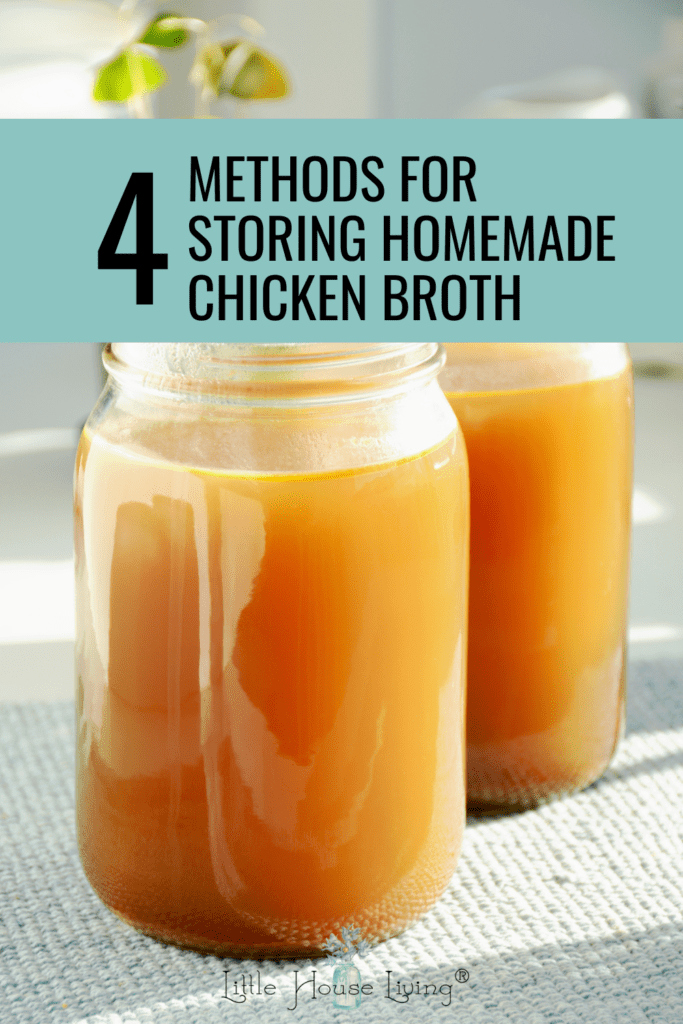
Image Source: www.littlehouseliving.com
How To Store Homemade Chicken Stock Safely & Freshly
There’s nothing quite like the depth of flavor that homemade chicken stock brings to your cooking. From comforting soups to rich sauces, it’s a culinary workhorse. But once you’ve gone through the effort of simmering bones and aromatics, you want to make sure you store it correctly. Storing chicken stock in jars, containers, or bags improperly can lead to a loss of quality or, worse, foodborne illness. Let’s dive into the best ways to ensure your precious broth stays fresh and flavorful.
Refrigerating Homemade Broth: Short-Term Storage
When you’ve just finished making a batch of chicken stock, you’ll likely want to use some of it right away. For immediate use or for a few days of cooking, the refrigerator is your go-to.
Cooling Down Your Stock Swiftly
Before you even think about refrigerating, it’s crucial to cool the stock down as quickly as possible. Hot liquids create a breeding ground for bacteria. The “danger zone” for bacterial growth is between 40°F (4.4°C) and 140°F (60°C). You want to move your stock out of this zone rapidly.
- Ice Bath Method: For larger batches, place your stockpot into a larger container filled with ice and water. Stir the stock frequently to speed up the cooling process.
- Shallow Containers: Once it’s cool enough to handle, transfer the stock to shallow, wide containers. This increases the surface area, allowing the stock to cool more efficiently in the refrigerator.
- Do Not Seal Hot: Never place a hot or even warm container of stock directly into the refrigerator. Wait until it has cooled considerably at room temperature (no more than 1-2 hours) before transferring it.
The Refrigerator’s Role in Chicken Stock Shelf Life
Once cooled, refrigerating homemade broth is straightforward. Pour the cooled stock into clean, airtight containers. You can use glass jars, plastic containers, or even specialized freezer-safe bags.
- Airtight Containers for Stock: This is non-negotiable. Exposure to air can lead to oxidation, which affects flavor and can promote bacterial growth. Ensure your lids are tightly sealed.
- Labeling is Key: Always label your containers with the date and contents. This helps you track chicken stock shelf life and prevent accidental spoilage.
- Storage Duration: Properly refrigerated, homemade chicken stock typically lasts for 3 to 4 days. If it develops an off-smell, a cloudy appearance (beyond the natural slight cloudiness of homemade stock), or a slimy texture, discard it immediately.
Freezing Chicken Stock: Long Term Storage
For those times when you make a big batch, or simply want to have homemade broth on hand for future recipes, freezing chicken stock is the ideal solution. This is a fundamental aspect of batch cooking chicken stock.
Best Practices for Freezing
The goal when freezing is to protect the stock from freezer burn and to make it easy to use portions as needed.
- Cool Completely: As with refrigeration, ensure the stock is completely cool before freezing.
- Airtight Containers for Stock: Again, airtight containers are essential. For freezing, consider materials specifically designed for low temperatures.
- Portioning for Convenience: This is a game-changer for using leftover chicken stock. Instead of freezing one massive container, divide your stock into usable portions.
- Ice Cube Trays: Perfect for small amounts. Once frozen, transfer the cubes to a freezer bag. These are great for adding a little flavor to pan sauces or vegetables.
- Muffin Tins: For slightly larger portions (1/2 cup or 1 cup). Freeze until solid, then pop them out and store in freezer bags.
- Freezer Bags: Lay flat in the freezer for easy stacking and thawing. Squeeze out as much air as possible before sealing.
- Freezer-Safe Containers: Glass or plastic containers designed for freezing work well. Leave a little headspace at the top, as liquids expand when frozen.
- Label Everything: Date, contents, and portion size are crucial for effective long term storage chicken stock.
How Long Does Frozen Stock Last?
When frozen correctly, homemade chicken stock can last for a significant period.
- Optimal Quality: For the best flavor and quality, aim to use it within 6 to 9 months.
- Safe for Longer: While it remains safe to consume for longer, the quality might degrade. It can typically be kept for up to 1 year.
Storing Chicken Stock in Jars: A Versatile Option
Storing chicken stock in jars is a popular method, especially for those who prefer glass containers. It’s important to follow the same cooling and sealing principles as other methods.
- Glass Jars: Use wide-mouth glass jars with tight-fitting lids. Mason jars are excellent for this.
- Cooling is Crucial: Never fill hot jars with stock. Let it cool down considerably before transferring.
- Headspace for Freezing: If you plan to freeze stock in jars, leave about 1 inch of headspace at the top. Glass can crack if the liquid expands too much during freezing.
- Refrigeration Storage: For refrigerated storage, you can fill the jars closer to the brim but still ensure an airtight seal.
Properly Storing Chicken Broth: Beyond the Basics
Beyond the primary methods of refrigeration and freezing, there are a few nuances to properly storing chicken broth to maximize its life and utility.
Dealing with Fat
When homemade chicken stock cools, the fat solidifies on the surface. You have a few options:
- Skim it Off: For lighter stock (useful for broths and clear soups), you can skim off the solidified fat once it’s chilled.
- Leave it On: For richer applications like gravies or stews, you might want to leave some of the fat on. It adds flavor and can be a barrier against oxidation in the refrigerator.
Using Leftover Chicken Stock
Using leftover chicken stock promptly is always the best approach. However, if you find yourself with more stock than you can use within the refrigeration period, freezing is your next step. Don’t let good stock go to waste!
- Check for Quality: Before using any stored stock, always give it a sniff and a visual check. If anything seems off, it’s better to be safe and discard it.
- Thawing Frozen Stock: Thaw frozen stock in the refrigerator overnight, or gently heat it on the stovetop. Avoid thawing at room temperature, as this can bring it back into the temperature danger zone for bacteria.
Chicken Stock Preservation Methods: A Summary Table
To make things even clearer, here’s a quick reference table summarizing the chicken stock preservation methods:
| Method | Container Type | Cooling Requirement | Storage Duration (Best Quality) | Notes |
|---|---|---|---|---|
| Refrigeration | Airtight jars, plastic containers, freezer bags | Cool completely | 3-4 days | Use quickly; check for spoilage signs. |
| Freezing | Freezer-safe jars, containers, bags, ice trays | Cool completely | 6-9 months | Leave headspace in rigid containers; label clearly. |
| Jar Storage (Fridge) | Airtight glass jars | Cool to warm before jar | 3-4 days | Ensure seal is airtight. |
| Jar Storage (Freezer) | Airtight glass jars (with headspace) | Cool completely | 6-9 months | Leave 1 inch headspace to prevent cracking. |
Batch Cooking Chicken Stock: Maximizing Efficiency
Making chicken stock is a labor of love that often yields a substantial amount. Batch cooking chicken stock means making a large quantity at once and then storing it for future use. This saves time and energy in the long run, as you’ll always have a flavorful base ready to go.
- Maximize Your Pot: When you have a whole chicken carcass or a large quantity of bones, use the biggest pot you have.
- Streamline the Process: While the stock simmers, you can be cleaning and preparing your storage containers.
- Invest in Storage: If you regularly batch cook, consider investing in a good supply of freezer-safe containers or bags.
Frequently Asked Questions About Storing Chicken Stock
Here are some common questions people have about storing chicken stock:
Q1: Can I freeze chicken stock in plastic water bottles?
A1: It’s not ideal. Plastic water bottles aren’t typically designed for repeated freezing and thawing and can leach chemicals. It’s best to use food-grade freezer-safe containers or bags.
Q2: How do I know if my homemade chicken stock has gone bad?
A2: Look for a cloudy, milky appearance (beyond normal slight cloudiness), a sour or “off” smell, or a slimy texture. If you notice any of these, discard the stock.
Q3: What is the best way to thaw frozen chicken stock?
A3: The safest way is to thaw it in the refrigerator overnight. You can also gently heat it on the stovetop. Avoid thawing at room temperature.
Q4: Can I reheat chicken stock multiple times?
A4: While you can reheat stock, it’s best to reheat only the amount you need. Repeated reheating and cooling can degrade quality and increase the risk of bacterial growth.
Q5: My stock solidified with a thick layer of fat. Is this normal?
A5: Yes, this is completely normal! The fat rises to the top and solidifies as it cools. You can skim it off if you prefer a leaner stock.
By following these guidelines for refrigerating homemade broth, freezing chicken stock, and utilizing airtight containers for stock, you can ensure that your delicious homemade chicken stock remains a safe, flavorful, and versatile ingredient in your kitchen for months to come. Happy cooking!