
Can you stretch boots at home? Yes, you absolutely can stretch boots at home using a few different methods. Whether your new boots feel a bit snug or your favorite old pair has shrunk slightly, there are simple, effective ways to achieve a more comfortable fit. This guide will walk you through various techniques to help you loosen tight boots and improve your boot fitting experience, ensuring you can break in new boots or revive beloved old ones with ease.
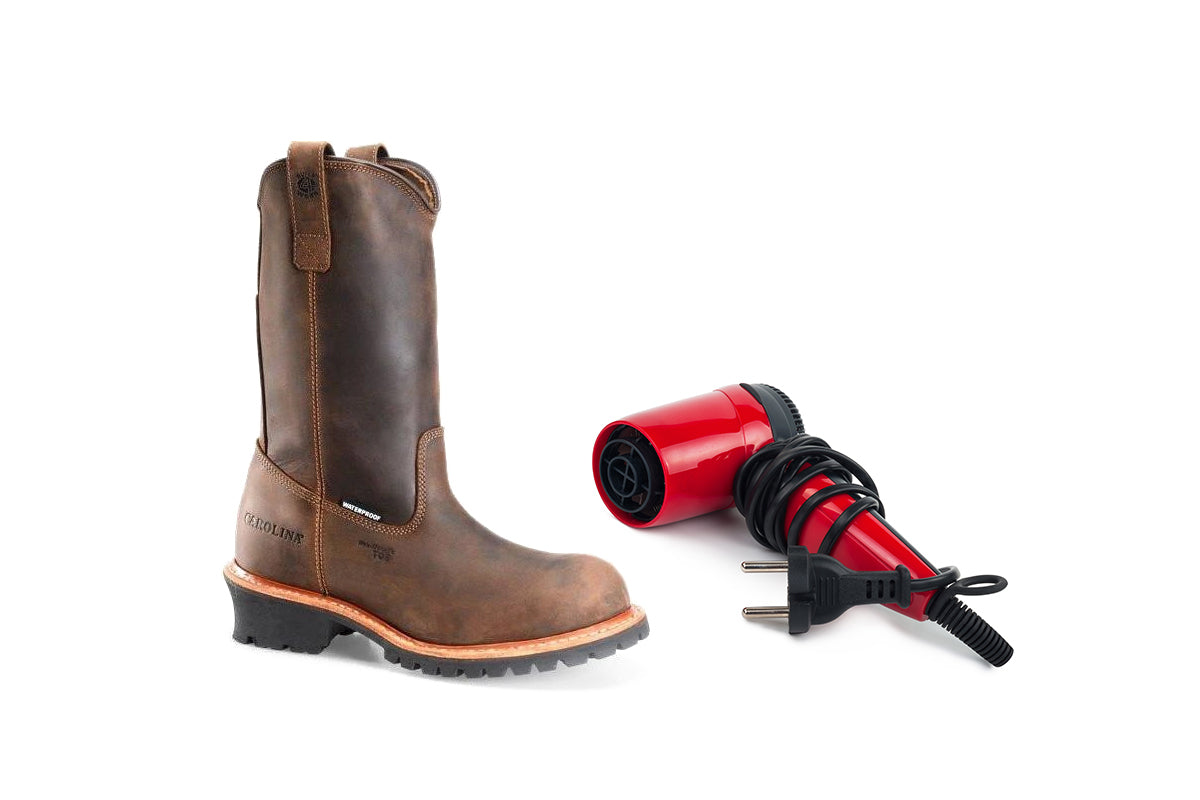
Image Source: www.overlookboots.com
Why Your Boots Might Feel Tight
It’s a common problem: you find the perfect pair of boots, but they pinch, rub, or feel too restrictive. This can happen for several reasons. Boot fitting is a crucial aspect of owning comfortable footwear, and understanding why boots become tight is the first step to solving the issue.
- Natural Shrinkage: Leather, a common material for boots, can shrink over time, especially if exposed to heat or moisture and then dried improperly.
- Manufacturing Variations: Even within the same size, different brands and styles can have slightly different fits.
- Foot Swelling: Feet can swell throughout the day due to activity, heat, or even diet, making previously comfortable boots feel tight.
- New Boot Stiffness: Brand new boots, particularly those made of sturdy leather, often require a break in new boots period to soften and conform to your feet.
- Incorrect Sizing: Sometimes, we simply buy boots that are a half or full size too small.
Common Areas for Boot Stretching
When we talk about boot stretching, we often focus on specific areas where tightness is most problematic:
- Length: If your toes hit the end of the boot, stretching the length is necessary.
- Width: This is perhaps the most common issue. Tightness across the ball of the foot or the widest part of your foot can be very uncomfortable.
- Instep: The top of your foot, where the laces or buckle sit, can feel constricted.
- Heel: While less common for stretching, a heel that slips can sometimes be addressed with minor adjustments or inserts, though actual stretching of the heel cup is rare.
- Calf (for boots): For taller boots, the calf area can be too tight, preventing them from being zipped or fastened comfortably.
DIY Boot Stretching Techniques
There are several DIY boot stretching methods you can try at home. These range from simple, natural approaches to using specialized tools. The best method for you will depend on the material of your boots, the degree of tightness, and the area you need to stretch.
1. The Thick Socks Method
This is one of the simplest and most accessible ways to stretch boots, particularly for minor tightness or to help break in new boots.
How it works: You essentially wear thicker socks than usual inside your boots, forcing the material to expand gradually.
Steps:
- Put on the thickest socks you own. If you don’t have thick socks, you can layer two pairs of regular socks.
- Wear your boots. Wiggle your toes and adjust your feet inside the boots.
- Walk around your house. Do this for as long as you comfortably can. Focus on putting pressure on the tight areas.
- Repeat daily. Continue this process for several days or until the boots feel more comfortable.
Pros:
- Extremely easy and requires no special equipment.
- Low risk of damaging the boots.
- Effective for mild tightness and breaking in new boots.
Cons:
- May not be sufficient for significant stretching needs.
- Can be uncomfortable initially.
2. Freezing Method (for Water/Ice)
This method uses the expansion of water when it freezes to stretch the boot material. It’s particularly effective for widening boots.
How it works: Water expands when it freezes. By filling a sealed bag with water and placing it inside the tight part of the boot, the freezing water will push outward, stretching the material.
Steps:
- Get sturdy, sealable plastic bags. Freezer bags or Ziploc bags work well. Double-bagging is recommended to prevent leaks.
- Fill the bags with water. Don’t fill them completely to allow for expansion. Leave about an inch of air at the top.
- Seal the bags securely. Ensure there are no leaks.
- Place the water bags inside the boots. Position them in the areas that feel tightest (e.g., width, toe box).
- Place the boots in the freezer. Leave them overnight or until the water is completely frozen.
- Remove the boots from the freezer. Let them thaw slightly for about 20-30 minutes. The ice will have expanded, stretching the boot.
- Remove the ice bags. Carefully take them out.
- Try on the boots. If they are still too tight, repeat the process.
Pros:
- Can be quite effective for widening boots.
- Uses readily available household items.
Cons:
- Requires careful sealing of bags to prevent water damage.
- Not suitable for delicate materials or embellishments.
- Can be time-consuming due to freezing and thawing cycles.
- May not work well for stretching the length of a boot.
3. Boot Stretching Spray
Boot stretching spray is a liquid solution designed to soften leather and other boot materials, making them more pliable and easier to stretch. This is a popular and effective method for leather boot stretching.
How it works: The spray penetrates the material, relaxing the fibers and allowing them to expand when pressure is applied.
Steps:
- Purchase a reputable boot stretching spray. Look for sprays specifically designed for the material of your boots (e.g., leather, suede).
- Read the product instructions carefully. Different sprays may have slightly different application methods.
- Test the spray in an inconspicuous area. This is crucial to ensure it doesn’t discolor or damage the material.
- Spray the inside of the boots in the tight areas. Focus on the spots that need stretching.
- Immediately put on the boots with thick socks. The spray works best when combined with pressure.
- Wear the boots. Walk around your house until the boots feel more comfortable or the spray has dried.
- Repeat if necessary. You may need to apply the spray and wear the boots multiple times.
Pros:
- Specifically formulated for shoe and boot stretching.
- Often works quickly and effectively.
- Can be used in conjunction with other methods.
Cons:
- Requires purchasing a product.
- Always test for colorfastness and material compatibility.
- May have a chemical odor.
4. Boot Stretching Device (Shoe Stretcher)
A boot stretching device, also known as a shoe stretcher, is a specialized tool designed for targeted stretching. These are excellent for achieving a precise fit and can stretch boots in length or width.
How it works: These devices are inserted into the boot and can be expanded by turning a handle, applying controlled pressure to specific areas of the boot.
Types of Boot Stretchers:
- Two-Way Stretchers: These can stretch both the length and the width of a boot. They typically have adjustable mechanisms for each dimension.
- One-Way Stretchers: These are designed to stretch either the length or the width only.
- Boot Shapers/Expanders: These are often simpler devices that focus on maintaining or gently expanding the shape of the boot.
- Bunion Plugs/Stretchers: These are small, plug-like devices that can be inserted into specific areas of the boot to target pressure points, like bunions or corns.
Steps for Using a Two-Way Stretcher:
- Identify the tight areas. Determine whether you need to stretch the length or the width (or both).
- Assemble the stretcher. Most come in two parts that connect.
- Insert the stretcher into the boot. Make sure it’s fully seated. If you have a two-way stretcher, you’ll likely insert the heel piece first, then the toe piece.
- Adjust the stretcher for width. Turn the handle to expand the width until it’s snug against the sides of the boot in the tight area.
- Adjust the stretcher for length (if applicable). If your stretcher has a length adjustment, turn that handle until it gently pushes against the toe of the boot.
- Leave the stretcher in place. This can range from 24-48 hours, or even longer for stubborn boots. Check the fit periodically.
- Remove the stretcher and try on the boots. If more stretching is needed, reinsert the stretcher and leave it in for longer.
Tips for Using Boot Stretchers:
- Start gradually. Don’t over-stretch the boots initially, as this can damage them.
- Consider using with spray. Applying boot stretching spray before inserting the stretcher can enhance the results.
- Be patient. Stubborn materials may require multiple stretching sessions.
Pros:
- Offers precise control over stretching.
- Can address specific problem areas (width, length, bunions).
- Reusable and a good investment for regular boot wearers.
Cons:
- Requires purchasing a specialized tool.
- Can be intimidating to use for the first time.
- Not all stretchers are suitable for all boot types or materials.
5. Natural Stretching Methods
These methods leverage common household items and a bit of ingenuity.
a) Hair Dryer and Thick Socks
This method uses heat to make the leather more pliable, combined with the expansion of thick socks. It’s a popular technique for leather boot stretching.
How it works: Heat softens leather, making it easier to stretch. Wearing thick socks while the leather is warm and then allowing it to cool in its stretched position helps it retain the new shape.
Steps:
- Put on the thickest socks you can.
- Put on your boots.
- Use a hairdryer on a medium heat setting. Hold it a few inches away from the tight areas of the boots.
- Apply heat for about 20-30 seconds at a time. Flex your foot and wiggle your toes as you apply heat.
- Continue walking around in the boots. While they are still warm, walk as much as you can.
- Let the boots cool down completely while you are still wearing them.
- Repeat the process if the boots are still too tight.
Pros:
- Relatively quick and uses a common household item.
- Effective for softening and stretching leather.
Cons:
- Caution is paramount: Overheating can damage leather, causing it to dry out, crack, or even melt synthetic components. Always keep the dryer moving and at a safe distance.
- More effective on genuine leather than synthetic materials.
b) Rubbing Alcohol Method
Rubbing alcohol (isopropyl alcohol) can help soften leather, making it more receptive to stretching.
How it works: Alcohol evaporates quickly, and as it does, it can help relax the leather fibers.
Steps:
- Mix equal parts rubbing alcohol and water in a spray bottle.
- Lightly spray the inside of the boots in the areas that are too tight. Do not soak the leather.
- Immediately put on the boots with thick socks.
- Wear the boots around your house until the alcohol has evaporated and the boots feel more comfortable.
- Repeat if necessary.
Pros:
- Simple and uses readily available materials.
- Can help soften leather effectively.
Cons:
- Alcohol can dry out leather if used excessively. Always condition the leather afterward.
- Always test in an inconspicuous area first to check for color changes.
6. Professional Stretching Services
If you’re hesitant to try DIY boot stretching, or if your boots are made of particularly delicate or expensive material, consider professional help.
How it works: Cobblers and shoe repair shops have specialized equipment and expertise to stretch boots safely and effectively. They often use hydraulic stretching machines that provide consistent and controlled pressure.
When to consider professional stretching:
- Your boots are made of expensive or delicate materials like fine suede or exotic leathers.
- You need significant stretching.
- You’re afraid of damaging your boots.
- You’ve tried DIY methods without success.
Pros:
- Safe and effective for most materials.
- Professionals can achieve precise results.
- Saves you the risk of damaging your footwear.
Cons:
- Can be more expensive than DIY methods.
- Requires taking your boots to a shop.
Stretching Specific Boot Types
Different boot materials and styles require slightly different approaches to boot stretching.
Leather Boots
Leather is generally the most forgiving material for stretching.
- Methods: Thick socks, freezing, boot stretching spray, hair dryer, boot stretching device, professional services.
- Key Considerations: Always condition leather after stretching, especially if using heat or alcohol. Use products specifically designed for leather.
Suede and Nubuck Boots
These materials are more delicate and require a gentler touch.
- Methods: Thick socks, boot stretching spray specifically for suede/nubuck, professional services. Avoid excessive heat and water.
- Key Considerations: Suede can be easily damaged by water, so the freezing method should be approached with extreme caution, ensuring bags are perfectly sealed. Always test sprays in an inconspicuous area.
Synthetic Material Boots
Boots made from synthetic leather, faux leather, or fabric can be stretched, but often to a lesser extent than genuine leather.
- Methods: Thick socks, boot stretching spray (ensure it’s safe for synthetics), boot stretching device.
- Key Considerations: Heat can damage synthetic materials, so use the hairdryer method with extreme caution, if at all. Some synthetic materials may not stretch significantly.
Boots with Zippers or Elastic Panels
- Methods: Focus on stretching the leather or synthetic parts. Be mindful of the zipper and elastic, as over-stretching could damage them. Boot stretching devices with bunion plugs can be useful for targeting specific pressure points without stressing the entire boot.
Calf Boots
Stretching the calf circumference of taller boots requires a different approach.
- Methods:
- Boot Stretchers for Shafts: Specialized boot stretchers are available with adjustable shafts to widen the upper part of the boot.
- Thick Socks/Leggings: Wearing thick socks or even tight leggings inside the boots for extended periods can help stretch the shaft.
- Professional Services: Cobblers are often the best bet for significant calf stretching.
Table: Comparison of Stretching Methods
| Method | Effectiveness for Width | Effectiveness for Length | Material Suitability | Risk of Damage | Ease of Use |
|---|---|---|---|---|---|
| Thick Socks | Moderate | Mild | Most | Low | Very High |
| Freezing | High | Low | Leather, some synthetics | Moderate | High |
| Boot Stretching Spray | High | Moderate | Leather, Suede, Nubuck | Low | High |
| Boot Stretching Device | Very High | Very High | Most | Low | Moderate |
| Hair Dryer + Thick Socks | Moderate | Mild | Leather | Moderate-High | High |
| Rubbing Alcohol + Socks | Moderate | Mild | Leather | Moderate | High |
| Professional Stretching | Very High | Very High | All | Very Low | N/A |
Tips for Successful Boot Stretching
- Patience is Key: Don’t expect miracles overnight. Most stretching methods require time and repetition.
- Start Small: Always begin with less aggressive methods and gradually increase the intensity or duration if needed.
- Condition After Stretching: Especially with leather boots, applying a good quality leather conditioner after stretching will help restore moisture and prevent the material from drying out or cracking.
- Test First: Before applying any spray or significant pressure, test the method on a hidden area of the boot to ensure it doesn’t cause discoloration or damage.
- Consider the Material: Not all materials respond to stretching in the same way. Be realistic about what your boots can achieve.
- Know When to Stop: Over-stretching can permanently damage your boots, making them too loose or misshapen.
Frequently Asked Questions (FAQ)
Q1: How long does it typically take to stretch boots?
A1: The time it takes to stretch boots can vary greatly depending on the method used, the material of the boot, and how much stretching is required. Simple methods like wearing thick socks might take several days of consistent wear. Using a boot stretching device or sprays might show results in 24-48 hours, but repeated applications may be necessary for significant stretching.
Q2: Can I stretch boots made of faux leather?
A2: Yes, you can often stretch faux leather boots, but they may not stretch as much or as easily as genuine leather. Methods like using thick socks or boot stretching sprays designed for synthetics are generally safe. Be cautious with heat, as it can damage faux leather.
Q3: Will stretching damage my boots?
A3: While most DIY methods are relatively safe if done carefully, there is always a small risk of damage. Overheating leather with a hairdryer can cause it to crack. Using too much water with the freezing method can damage certain materials or adhesives. Over-tightening a boot stretching device can also distort the shape of the boot. Always start gently and test methods on inconspicuous areas first.
Q4: What is the best way to stretch the toe box of a boot?
A4: For stretching the toe box, a boot stretching device designed to expand in width and length is often the most effective. You can also try the freezing method by filling bags of water to fit snugly within the toe box. Wearing thick socks and walking around is a gentler approach for minor toe box tightness.
Q5: Can I make my boots bigger overall?
A5: It’s generally easier to stretch boots to accommodate a slightly tighter fit rather than to make them a full size bigger. While stretching can add some room, especially in width, a significant size increase is usually not possible through home methods. If your boots are more than a half-size too small, professional stretching or purchasing a larger size might be more appropriate.
Q6: What should I do if my boots are too tight in the calf?
A6: For calf boots that are too tight, look for specialized boot shaft stretchers. Alternatively, consistently wearing thick socks or even leggings inside the boots can help gradually expand the shaft. For significant tightness or delicate materials, consulting a professional cobbler is recommended.
Q7: When should I use boot stretching spray?
A7: Boot stretching spray is useful when you want to soften the leather or material to make it more pliable for stretching. It’s often used in conjunction with wearing thick socks or using a boot stretching device to enhance the effectiveness of these methods. Always ensure the spray is compatible with your boot material.
By employing these various techniques, you can effectively stretch your boots at home, ensuring a comfortable and personalized fit. Whether you’re looking to loosen tight boots, break in a new pair, or simply improve the boot fitting of your favorites, these DIY boot stretching methods offer accessible solutions for comfortable footwear. Remember to choose the method that best suits your boots’ material and your specific stretching needs.