
Can you sweeten homemade yogurt? Yes, you absolutely can! Sweetening homemade yogurt is the key to transforming its naturally tart flavor into a delightful treat. Whether you prefer a subtle sweetness or a more decadent dessert, there are countless ways to make your yogurt sing. This comprehensive guide explores the best ways to sweeten yogurt, focusing on both taste and health. We’ll delve into natural sweeteners for yogurt, explore sugar-free yogurt sweeteners, and offer creative ideas for adding flavor to plain yogurt. Get ready to discover how to make your homemade yogurt the star of your breakfast, snack, or dessert!
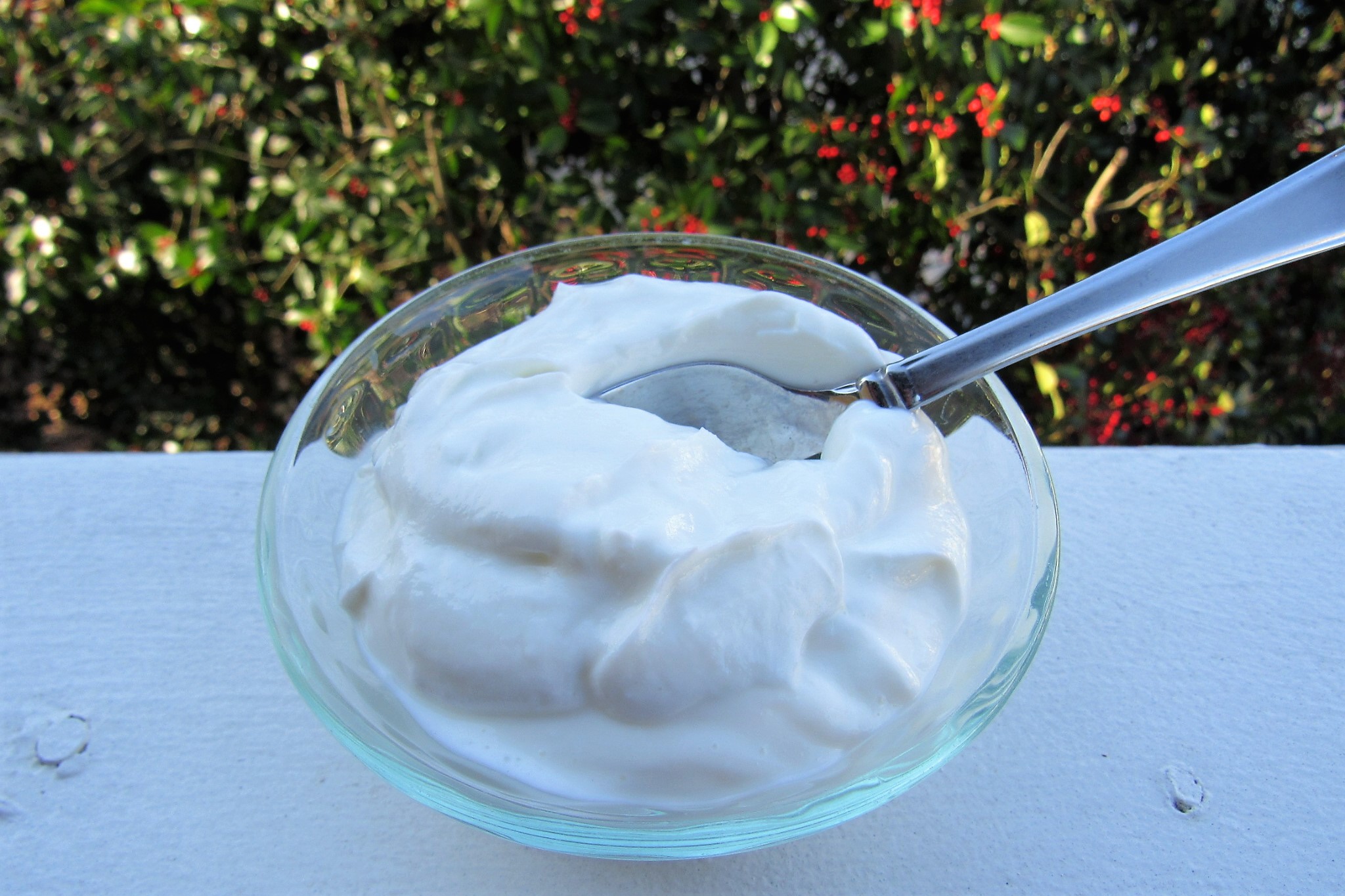
Image Source: www.healthy-inspiration.com
Embracing the Art of Sweetening Homemade Yogurt
Homemade yogurt, with its creamy texture and tangy profile, is a fantastic canvas for culinary creativity. However, its inherent tartness can be off-putting to some. The good news is that mastering the art of sweetening yogurt unlocks a world of delicious possibilities. This isn’t just about masking the tartness; it’s about enhancing its natural goodness and creating a truly enjoyable experience. We’ll cover everything from simple additions to more sophisticated flavor pairings, ensuring your homemade yogurt is always a hit.
Why Sweeten Homemade Yogurt?
The primary reason to sweeten homemade yogurt is to improve its palatability. The fermentation process, while beneficial, leaves behind a distinct sourness. Sweeteners balance this out, making the yogurt more approachable and enjoyable. Beyond just sweetness, various additions can also boost the nutritional value and add textural interest.
- Taste Enhancement: The most obvious reason is to make it taste better.
- Versatility: Sweetened yogurt can be used in a wider range of dishes, from breakfast bowls to desserts.
- Nutritional Boost: Many natural sweeteners also bring vitamins, minerals, and antioxidants to the table.
- Customization: You control the sweetness level and the type of sweetener used, tailoring it to your dietary needs and preferences.
What Makes Homemade Yogurt Tart?
The tartness in yogurt comes from the lactic acid produced by the bacteria (cultures) during the fermentation process. These bacteria consume lactose, the natural sugar in milk, and convert it into lactic acid. This acid is what gives yogurt its characteristic tang and helps preserve it.
Exploring Your Sweetening Options: A World of Flavor
When it comes to sweetening homemade yogurt, you have a vast spectrum of choices, ranging from simple sugars to complex natural flavors. We’ll explore a variety of options, categorizing them for clarity.
Natural Sweeteners for Yogurt
These are the heroes of our quest for delicious yogurt. They offer sweetness along with potential health benefits and nuanced flavors.
1. Honey: Nature’s Liquid Gold
Honey is a classic choice for sweetening yogurt, and for good reason. It provides a natural sweetness that complements the yogurt’s tang beautifully. Different types of honey offer unique flavor profiles, from light and floral to dark and robust.
-
Types of Honey:
- Clover Honey: Mild and floral, a crowd-pleaser.
- Wildflower Honey: Varies in flavor depending on the floral sources.
- Buckwheat Honey: Dark and malty, with a stronger flavor.
- Manuka Honey: Known for its unique antibacterial properties and earthy flavor.
-
How to Use: Start with a teaspoon or two and stir well. Allow it to dissolve slightly before tasting and adding more if needed.
- Benefits: Contains antioxidants, trace minerals, and enzymes.
2. Maple Syrup: A Touch of Autumn
Pure maple syrup offers a rich, caramel-like sweetness that pairs wonderfully with yogurt. It’s a fantastic option, especially during cooler months.
-
Grades of Maple Syrup:
- Golden Color, Delicate Taste: Lightest in color and flavor.
- Amber Color, Rich Taste: More robust flavor.
- Dark Color, Robust Taste: Strongest maple flavor.
- Very Dark Color, Strong Taste: Best for cooking, but can be used for a bold flavor in yogurt.
-
How to Use: Similar to honey, start with a small amount and adjust to your preference.
- Benefits: Contains minerals like manganese and zinc.
3. Agave Nectar: A Milder Alternative
Agave nectar is a popular choice for its liquid form and relatively neutral flavor. It dissolves easily and offers a clean sweetness.
- Considerations: It’s sweeter than sugar, so use it sparingly.
- How to Use: Add a teaspoon at a time.
- Benefits: Low glycemic index, though processed.
4. Date Syrup (Silan): Deep, Fruity Sweetness
Made from dates, date syrup offers a complex, caramel-like sweetness with a hint of fruitiness. It’s a fantastic whole-food sweetener.
- How to Use: Its thick consistency means it blends in well.
- Benefits: Rich in fiber, potassium, and antioxidants.
5. Coconut Sugar: A Subtle Caramel Note
Coconut sugar has a subtle caramel flavor that adds depth to yogurt. It also has a slightly lower glycemic index than regular sugar.
- How to Use: Use it cup-for-cup as a sugar substitute.
- Benefits: Contains inulin, a prebiotic fiber.
6. Fruit Sweeteners for Yogurt: Nature’s Candy
Incorporating fruits is one of the most delicious ways to sweeten yogurt. This approach naturally adds flavor, texture, and nutrients.
- Fresh Fruit: Berries, sliced bananas, peaches, mangoes – the possibilities are endless.
- Mashed Fruit: Bananas or berries mashed into a puree add sweetness and a creamy texture.
- Fruit Purees/Compotes: Cooked fruits (like applesauce or berry compotes) offer concentrated sweetness and flavor.
- Dried Fruits: Raisins, chopped apricots, dates, or figs can be added whole or chopped for bursts of sweetness. Be mindful of their concentrated sugar content.
Sugar-Free Yogurt Sweeteners
For those watching their sugar intake, several excellent sugar-free options can make your yogurt taste great. These are ideal for making yogurt taste better without added sugars.
1. Stevia: The Natural Powerhouse
Stevia, derived from the Stevia rebaudiana plant, is a calorie-free sweetener. It’s incredibly potent, so a little goes a long way.
- Forms: Available in liquid drops, powder, and granulated forms.
- Considerations: Can have a slightly bitter aftertaste for some people. Start with a tiny amount.
- Benefits: Zero calories, does not raise blood sugar.
2. Monk Fruit Sweetener: Another Zero-Calorie Gem
Monk fruit sweetener, extracted from monk fruit, is another zero-calorie, natural sweetener. It’s often blended with erythritol to improve its texture and taste.
- Considerations: Similar to stevia, it’s very sweet.
- Benefits: Zero calories, good for blood sugar control.
3. Erythritol: A Sugar Alcohol
Erythritol is a sugar alcohol that has very few calories and doesn’t impact blood sugar levels. It has about 70% of the sweetness of sugar.
- Considerations: Some people experience digestive issues with sugar alcohols if consumed in large quantities.
- Benefits: Minimal impact on blood sugar, good for baking.
4. Xylitol: A Sweetener with Caveats
Xylitol is another sugar alcohol that closely mimics the taste and texture of sugar. It has about the same sweetness as sugar but with fewer calories.
- Crucial Warning: Xylitol is highly toxic to dogs. Keep it away from pets.
- Considerations: Can cause digestive upset in some individuals.
- Benefits: May have dental benefits, minimal impact on blood sugar.
Adding Flavor to Plain Yogurt: Beyond Sweetness
Sweetening is just one part of making yogurt delicious. Adding other flavors elevates your yogurt creations.
1. Spices: Warmth and Depth
Spices add a beautiful complexity without adding sugar.
- Cinnamon: A classic pairing, great for digestion.
- Nutmeg: Adds a warm, slightly sweet note.
- Cardamom: Offers a fragrant, exotic flavor.
- Ginger (ground or fresh): Provides a zesty kick.
- Vanilla Bean Powder or Extract: Enhances sweetness and adds a rich aroma.
2. Extracts: Concentrated Aromas
Pure extracts provide intense flavor.
- Vanilla Extract: The most common and versatile.
- Almond Extract: Adds a nutty depth.
- Peppermint Extract: For a refreshing twist.
- Lemon or Orange Extract: For a bright, citrusy note.
3. Zest: Bright, Citrusy Notes
The zest of citrus fruits adds a vibrant aroma and subtle flavor.
- Lemon Zest: Bright and refreshing.
- Orange Zest: Sweet and fragrant.
- Lime Zest: Tangy and tropical.
4. Nuts and Seeds: Texture and Nutrients
These add a satisfying crunch and a boost of healthy fats and protein.
- Almonds: Sliced, slivered, or whole.
- Walnuts: Heart-healthy and flavorful.
- Pecans: Rich and buttery.
- Chia Seeds: Add texture and omega-3s.
- Flax Seeds: Ground for better absorption of nutrients.
- Sunflower Seeds: A good source of vitamin E.
- Pumpkin Seeds (Pepitas): Offer a satisfying crunch and nutrients.
5. Oats: Hearty and Filling
Rolled oats or granola add substance and fiber, making your yogurt more of a meal.
6. Cocoa Powder: Chocolate Indulgence
Unsweetened cocoa powder mixed in creates a healthy chocolate yogurt.
7. Coffee or Espresso Powder: A Grown-Up Kick
A tiny amount of instant coffee or espresso powder can transform yogurt into a mocha delight.
Sweetening Greek Yogurt: Tips and Tricks
Greek yogurt, known for its thick, creamy texture and higher protein content, can be slightly more challenging to sweeten due to its density. However, the principles remain the same.
Best Ways to Sweeten Yogurt
When sweetening Greek yogurt, consider how well your chosen sweetener will incorporate.
- Liquids are Key: Liquid sweeteners like honey, maple syrup, agave, or stevia drops mix in most easily.
- Mashed Fruits: Mashed bananas or berries blend seamlessly into the thick yogurt.
- Stir Well: Be prepared to stir a bit more vigorously to ensure even distribution of sweeteners.
- Layering: Sometimes, it’s easier to sweeten the yogurt in layers or mix the sweetener into a smaller portion first before combining it with the main batch.
Healthier Yogurt Additions
Making your yogurt a powerhouse of nutrition is easy with the right additions.
- Berries: Packed with antioxidants and fiber.
- Nuts and Seeds: Provide healthy fats, protein, and essential minerals.
- Oats: Offer complex carbohydrates for sustained energy.
- Chia Seeds and Flax Seeds: Excellent sources of omega-3 fatty acids and fiber.
- Fruit Purees: Natural sweetness with added vitamins.
Dairy-Free Yogurt Sweetening
For those who opt for dairy-free yogurt (made from almond, coconut, soy, or cashew milk), the sweetening process is similar, but you might notice slight differences in texture and flavor absorption.
Sweetening Non-Dairy Yogurt
- Flavor Profiles: Dairy-free yogurts can have distinct flavors (e.g., coconut, almond). Choose sweeteners that complement these profiles. Honey or maple syrup often works well with coconut yogurt.
- Texture: Some dairy-free yogurts are thinner. Liquid sweeteners integrate easily.
- Natural Sweeteners: Fruit sweeteners, honey, maple syrup, and agave nectar are all excellent choices for dairy-free options.
- Sugar-Free: Stevia and monk fruit are also great for unsweetened dairy-free yogurts.
Making Yogurt Taste Better: Creative Combinations
Let’s move beyond basic sweetening and explore some delightful combinations that will make your homemade yogurt truly shine.
Yogurt Topping Ideas
Toppings are where you can really have fun and make your yogurt a complete experience.
1. Fruit-Forward Creations
- Berry Blast: Mixed berries (fresh or thawed frozen), a drizzle of honey, and a sprinkle of granola.
- Tropical Delight: Diced mango, pineapple, shredded coconut, and a squeeze of lime.
- Apple Cinnamon Crumble: Cooked diced apples with cinnamon, a handful of chopped walnuts, and a swirl of maple syrup.
- Peach Melba: Sliced peaches, a dollop of raspberry compote, and slivered almonds.
2. Nutty and Seed-Centric Bowls
- Almond Butter Swirl: A tablespoon of almond butter swirled into the yogurt, topped with sliced banana and chia seeds.
- Seed Medley: A mix of pumpkin seeds, sunflower seeds, and hemp seeds, with a drizzle of agave.
3. Indulgent Desserts
- Chocolate Peanut Butter: Unsweetened cocoa powder mixed into the yogurt, topped with a tablespoon of peanut butter and a few dark chocolate chips.
- Lemon Blueberry: Lemon zest and blueberries, with a hint of stevia or honey.
4. Savory Twists (Yes, Really!)
While most people sweeten yogurt, some enjoy a savory yogurt. If you’re making a savory dish with yogurt, you might skip the sugar entirely or use a very small amount of honey to balance. Think of additions like cucumber, dill, garlic, and a pinch of salt.
Sweetening for Specific Dietary Needs
- Low-Carb/Keto: Opt for sugar-free sweeteners like stevia, monk fruit, or erythritol. Add berries in moderation. Nuts and seeds are excellent additions.
- Diabetic-Friendly: Focus on sugar-free sweeteners or natural, low-glycemic options like berries and a minimal amount of pure maple syrup or honey. Always monitor blood sugar response.
- Vegan: Use plant-based sweeteners like maple syrup, agave nectar, date syrup, or fruit. Avoid honey.
Tables of Sweetener Comparisons
To help you choose the best sweetener for your needs, here’s a comparative look at some popular options.
| Sweetener | Sweetness (Relative to Sugar) | Calories (per tsp) | Glycemic Index | Key Flavor Notes | Best For |
|---|---|---|---|---|---|
| Sugar (Sucrose) | 1x | ~16 | ~65 | Neutral | General use, baking (not recommended for health-focused sweetening) |
| Honey | 1.3x | ~21 | ~58 | Floral, caramel, robust | General use, adding depth of flavor |
| Maple Syrup | 1.3x | ~17 | ~54 | Caramel, woody | Pancakes, yogurt, baking |
| Agave Nectar | 1.5x | ~20 | ~15 | Neutral, slightly floral | Liquid applications, baking |
| Date Syrup | 1.2x | ~20 | ~40 | Caramel, fruity | Adding depth, whole-food sweetener |
| Stevia | 200-300x | 0 | 0 | Varies (can be bitter) | Sugar-free, calorie-free, needs careful measurement |
| Monk Fruit | 150-200x | 0 | 0 | Clean sweetness | Sugar-free, calorie-free, often blended with erythritol |
| Erythritol | 0.7x | ~0.2 | 0 | Clean sweetness | Sugar-free baking, low-carb diets |
| Xylitol | 1x | ~9.6 | ~7 | Sweet, slightly minty | Baking, sugar-free options (CAUTION: toxic to dogs) |
Frequently Asked Questions About Sweetening Homemade Yogurt
Q1: What is the healthiest way to sweeten yogurt?
The healthiest ways to sweeten yogurt generally involve using whole fruits, berries, or minimal amounts of natural sweeteners like honey or maple syrup. For a sugar-free option, stevia or monk fruit are good choices.
Q2: Can I sweeten yogurt after it’s made?
Yes, you absolutely can and should sweeten your homemade yogurt after it has been made and cooled. This is the standard practice.
Q3: How much sweetener should I use?
This is entirely subjective and depends on your taste preferences and the type of sweetener used. It’s always best to start with a small amount (e.g., ½ teaspoon for liquids, a pinch for stevia) and add more gradually until you reach your desired sweetness.
Q4: Will adding sweeteners affect the yogurt cultures?
Adding sweeteners after the yogurt has cooled down will not harm the live and active cultures. In fact, once the fermentation is complete, the cultures are largely dormant.
Q5: How do I store sweetened yogurt?
Store sweetened homemade yogurt in an airtight container in the refrigerator. It will typically last for about 7-10 days.
Q6: Can I add sweeteners while the yogurt is still warm?
It’s best to let the yogurt cool to at least room temperature before adding sweeteners, especially delicate ones like honey. Adding sweeteners to very hot yogurt can sometimes alter their flavor and potentially reduce the benefits of certain natural sweeteners.
Q7: What are some good yogurt topping ideas?
Great topping ideas include fresh berries, sliced bananas, chopped nuts, seeds, granola, a drizzle of honey or maple syrup, cinnamon, cocoa powder, or a spoonful of fruit preserves.
Q8: How do I make plain yogurt taste better without sugar?
To make plain yogurt taste better without sugar, rely on flavor enhancers like vanilla extract, cinnamon, nutmeg, cocoa powder, citrus zest, or simply top it with unsweetened fruit purees or fresh fruit.
Q9: Is it possible to sweeten dairy-free yogurt?
Yes, dairy-free yogurts can be sweetened using the same methods as dairy yogurt, including natural sweeteners, sugar-free options, and fruit.
Q10: What are the best ways to sweeten yogurt for kids?
For kids, a mix of mashed banana, berries, a touch of honey (for children over one year old), or a sprinkle of cinnamon are usually well-received and healthier than processed sugars.
Conclusion: Your Delicious Yogurt Awaits!
Sweetening homemade yogurt is a journey of discovery, allowing you to tailor its taste to your exact preferences while also considering your health goals. By exploring the diverse range of natural and sugar-free sweeteners, and by incorporating flavorful additions like spices, fruits, nuts, and seeds, you can transform a simple batch of homemade yogurt into a culinary masterpiece. Remember to start small with your sweeteners, taste as you go, and have fun experimenting with different combinations. Your perfectly sweetened, delicious homemade yogurt is just a few stirs away!