
Can you treat a rabbit’s broken leg at home? While immediate veterinary attention is crucial, some aspects of rabbit fracture care can be managed at home under veterinary guidance. This comprehensive guide offers expert advice on caring for a rabbit with a broken limb, covering everything from recognizing the signs of a broken leg in a rabbit to managing pain and ensuring proper healing. A rabbit hind leg injury can be particularly debilitating, impacting their mobility and overall well-being, so prompt and correct action is vital.
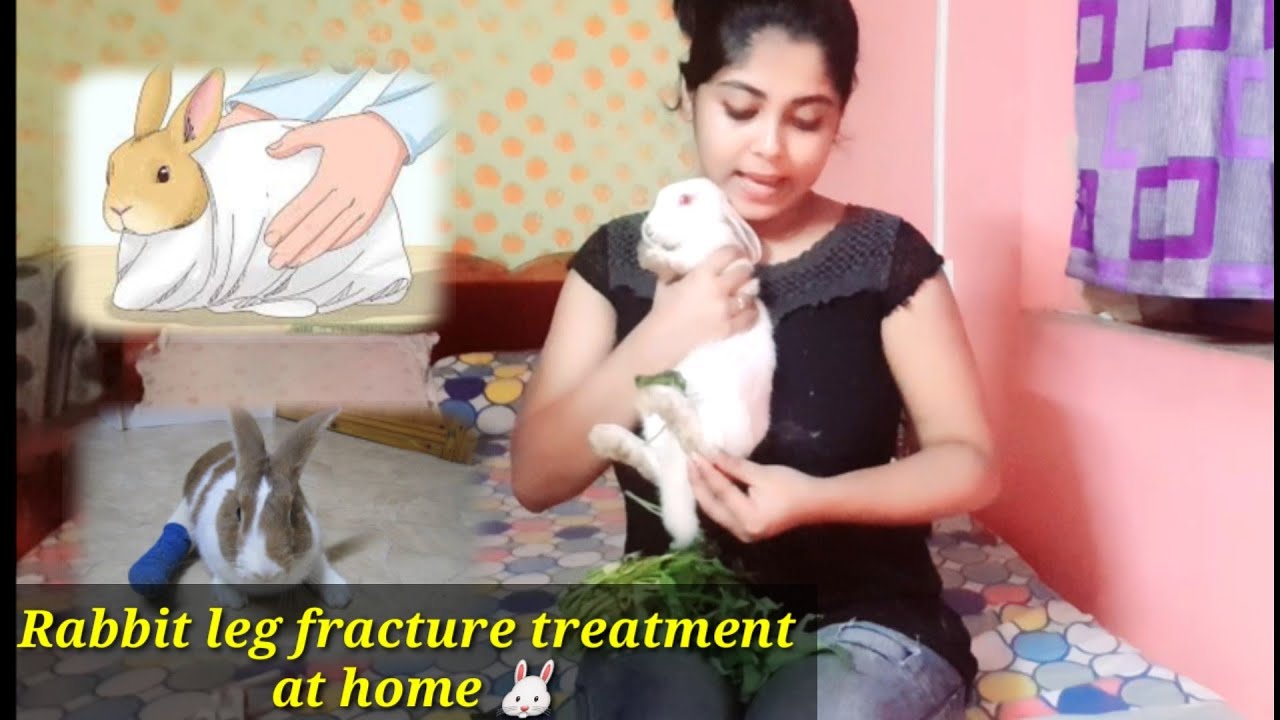
Image Source: i.ytimg.com
Recognizing the Signs of a Broken Leg in a Rabbit
Before you can treat a rabbit’s broken leg, you need to know how to identify it. Rabbits are prey animals, and their instinct is to hide pain and injury. This means you might not see obvious signs immediately. However, a keen observer can spot subtle indicators.
Common Signs to Watch For:
- Limping or Dragging a Limb: This is often the most apparent sign. The rabbit may hold the affected leg in an unusual position or refuse to put weight on it. They might hop on three legs.
- Swelling: The injured area might appear swollen or puffy compared to the opposite limb.
- Pain and Distress: While rabbits are masters of disguise, you might notice signs like hunched posture, reluctance to move, grinding teeth (a sign of pain in rabbits), lethargy, or a lack of appetite.
- Visible Deformity: In severe cases, you might see a noticeable bend or unnatural angle in the bone.
- Bleeding: If the fracture is compound (the bone breaks through the skin), there will be visible bleeding and potentially exposed bone. This is an emergency.
- Unusual Posture: The rabbit might sit or lie in an odd position, trying to keep pressure off the injured leg.
- Sudden Quietness or Hiding: A normally active and social rabbit becoming withdrawn and hiding is a red flag.
If you suspect your rabbit has a broken leg, do not attempt to set the bone yourself. Your immediate priority is to contact a rabbit-savvy veterinarian.
The Crucial Role of Veterinary Consultation
It cannot be stressed enough: home care for bunny leg injury is never a substitute for professional veterinary care. Rabbits have fragile skeletons and unique physiological needs. A veterinarian specializing in exotic animals or rabbits is essential for accurate diagnosis and a tailored treatment plan.
Why Vet Care is Non-Negotiable:
- Accurate Diagnosis: X-rays are necessary to determine the type and severity of the fracture. This informs the best course of treatment.
- Pain Management: Rabbits experience pain, and proper pain relief is vital for their recovery and comfort. Vets can prescribe appropriate analgesics.
- Infection Control: If the skin is broken, antibiotics are crucial to prevent serious infections.
- Appropriate Treatment: Depending on the fracture, a vet may recommend surgery, casting, or splinting. Attempting these at home without expertise can cause more harm.
- Guidance on Home Care: Once the initial veterinary treatment is done, your vet will provide specific instructions for home care.
Initial Steps for Home Management (After Veterinary Consultation)
Once your rabbit has been seen by a vet and you have a treatment plan, you can begin providing supportive care at home. This is where your role in caring for a rabbit with a broken limb becomes critical.
Creating a Safe and Comfortable Environment:
- Confine Your Rabbit: Your rabbit must be kept in a small, secure enclosure to prevent movement that could worsen the injury or disrupt healing. A dog crate or a spacious cage with a solid bottom is ideal. Avoid wire-bottomed cages, which can cause further injury.
- Soft, Absorbent Bedding: Use plenty of soft bedding like shredded paper, old towels, or fleece blankets. Avoid anything that could snag on the injured leg. Ensure the bedding is changed frequently to maintain hygiene.
- Easy Access to Essentials: Place food, water bowls, and a litter box within easy reach. The rabbit should not have to stretch or hop excessively to get to these necessities. Consider low-sided bowls.
- Quiet and Stress-Free: Place the enclosure in a quiet part of your home away from loud noises, other pets, and excessive activity. Stress can hinder healing.
Understanding Rabbit Fracture Treatment Options
The specific treatment for a rabbit’s broken leg depends on the location and severity of the fracture. Your veterinarian will discuss the best approach.
Common Veterinary Treatments:
- Splinting Rabbit Leg: For stable, simple fractures, a vet might apply a splint. This involves immobilizing the rabbit leg to allow the bone to heal. This often uses materials like padded gauze, tape, and possibly a rigid support.
- Casting: Similar to splinting, a cast provides rigid support for the limb.
- Surgery: Complex fractures, compound fractures, or those in areas difficult to splint may require surgery. This could involve pins, plates, or external fixators to stabilize the bone.
- Amputation: In severe cases, especially with compound fractures or irreparable damage, amputation of the limb may be necessary for the rabbit’s survival and quality of life.
At-Home Care for a Rabbit with a Broken Limb
Your veterinarian will provide specific instructions tailored to your rabbit’s condition. However, general principles of home care for bunny leg injury include:
1. Pain Management: Administering Rabbit Pain Relief
Pain is a significant factor in a rabbit’s recovery. Administering rabbit pain relief as prescribed by your vet is paramount. Never give human pain medication to your rabbit, as it can be toxic.
- Follow Vet’s Dosage Precisely: Administer medication at the exact times and dosages recommended.
- Oral Syringe Administration: Most rabbit pain relief is given orally via a syringe.
- Observe for Side Effects: Monitor your rabbit for any adverse reactions to medication, such as lethargy, decreased appetite, or digestive upset. Report these to your vet immediately.
- Make it Appealing (If Possible): Sometimes, pain medication can be mixed with a small amount of tempting food like a tiny piece of banana or applesauce to encourage intake. Consult your vet before doing this.
2. Wound Care and Hygiene
If there is an open wound associated with the fracture, diligent wound care is essential.
- Cleanliness is Key: Keep the enclosure clean and dry. Change bedding regularly, especially if soiled.
- Follow Vet’s Wound Cleaning Instructions: Your vet will advise you on how to clean any wounds. This might involve using a sterile saline solution or an antiseptic recommended by your vet.
- Observe for Signs of Infection: Look for increased redness, swelling, discharge (pus), foul odor, or fever. Contact your vet immediately if you notice any of these.
3. Diet and Hydration
A rabbit’s appetite can decrease when they are in pain or stressed. Ensuring they eat and drink is vital for rabbit bone healing.
- Encourage Hay Intake: High-quality grass hay (like timothy hay) should be the cornerstone of your rabbit’s diet. It provides essential fiber for digestion.
- Fresh Greens: Offer small amounts of rabbit-safe fresh greens daily.
- Pellets: Continue to offer a small amount of high-quality rabbit pellets, but hay is more important.
- Monitor Appetite: If your rabbit stops eating or eats very little, this is a critical emergency. Syringe feeding may be necessary, but this should be done under veterinary guidance.
- Fresh Water: Ensure a constant supply of fresh water, ideally from a sipper bottle, as some rabbits find bowls difficult to access when immobile.
4. Promoting Healing and Comfort
Beyond medication and basic care, there are other ways to support your rabbit’s healing.
- Gentle Handling: Handle your rabbit minimally and with extreme care. Support their body and the injured limb as much as possible.
- Monitor Mobility: Keep a close eye on their ability to move, even within their confined space. Any worsening of rabbit mobility issues needs veterinary attention.
- Preventative Measures: Ensure there are no objects in the enclosure that the rabbit could snag its injured limb on.
Specific Considerations for Rabbit Hind Leg Injury
A rabbit hind leg injury is particularly common due to the powerful muscles in the hindquarters. These injuries can significantly impact their ability to hop and balance.
- Support and Positioning: You may need to gently reposition the injured hind leg to prevent it from being trapped or bearing weight inappropriately. Again, follow veterinary advice on how to do this safely.
- Litter Box Access: Ensure the litter box is easily accessible. Some rabbits may struggle to get in and out of a standard litter box. Consider a shallower tray or a ramp if necessary, but ensure it doesn’t create a tripping hazard.
The Process of Rabbit Bone Healing
Rabbit bone healing is a biological process that requires time, proper nutrition, and minimal disruption.
Stages of Bone Healing:
- Inflammatory Phase: Immediately after the fracture, the body initiates an inflammatory response to clear debris and prepare for healing.
- Soft Callus Formation: Within days to weeks, a soft callus (fibrous tissue and cartilage) forms around the fracture site, providing initial stability.
- Hard Callus Formation: Over several weeks, this soft callus is replaced by a hard bony callus, offering much stronger support.
- Bone Remodeling: This is the longest phase, where the bone gradually returns to its original shape and strength.
The total healing time can vary from 4 to 12 weeks, depending on the rabbit’s age, health, and the nature of the fracture. Consistent care and adherence to the vet’s plan are crucial for successful rabbit bone healing.
When to Seek Urgent Veterinary Care at Home
While managing a broken leg at home, you must be vigilant for signs that require immediate veterinary intervention.
Emergency Situations:
- Increased Pain or Distress: If your rabbit seems to be in significantly more pain, is vocalizing in distress, or is unresponsive to prescribed pain relief.
- Worsening Swelling or Redness: Indicating potential infection or complications.
- Bleeding from the Wound: Especially if it’s profuse or persistent.
- Discharge of Pus or Foul Odor: Clear signs of infection.
- Loss of Appetite or Lethargy: If your rabbit stops eating or drinking entirely, or becomes extremely lethargic. This can lead to gut stasis, a life-threatening condition in rabbits.
- Disruption of Splint/Cast: If the splint or cast becomes loose, wet, or causes any signs of discomfort or pressure sores.
- New Signs of Distress: Any new or concerning symptoms that you haven’t observed before.
Long-Term Recovery and Rehabilitation
Once the initial healing phase is complete and the vet gives the OK, you can gradually reintroduce more activity.
Gradual Return to Normalcy:
- Controlled Exercise: Start with short periods of supervised free-roam time in a safe, enclosed area.
- Observe for Fatigue: Watch for signs of your rabbit tiring easily or exhibiting discomfort.
- Physiotherapy (If Recommended): In some cases, gentle physiotherapy or guided exercises might be recommended by your vet or a specialized animal physiotherapist to help regain strength and mobility.
- Environmental Adjustments: You might need to make permanent adjustments to their living space, such as removing obstacles or providing ramps, to accommodate any residual effects of the injury.
Frequently Asked Questions (FAQ)
Q1: Can I splint a rabbit’s leg myself?
A1: No. Splinting a rabbit leg requires specific knowledge of anatomy and materials to avoid causing further damage, nerve compression, or infection. Always consult a veterinarian for proper splinting or other fracture stabilization methods.
Q2: How long does it take for a rabbit’s bone to heal?
A2: Rabbit bone healing typically takes between 4 to 12 weeks. This depends on the age of the rabbit, the severity of the fracture, and the quality of care provided.
Q3: What are the signs of a broken leg in a rabbit?
A3: Common signs of a broken leg in a rabbit include limping, dragging a limb, swelling, pain, reluctance to move, and visible deformity. Rabbits often try to hide their pain.
Q4: Is it safe to give my rabbit pain medication at home?
A4: Only administer pain medication prescribed by your veterinarian. Never give human pain relief. Administering rabbit pain relief correctly as directed is crucial for their recovery and comfort.
Q5: My rabbit has a hind leg injury. What should I do?
A5: A rabbit hind leg injury requires immediate veterinary attention. Confine your rabbit to a safe space and contact a rabbit-savvy vet for diagnosis and treatment. Home care will follow veterinary guidance.
Q6: How can I help my rabbit with a broken limb recover?
A6: Caring for a rabbit with a broken limb involves providing a safe, quiet environment, administering prescribed medications, ensuring proper nutrition and hydration, maintaining hygiene, and strictly following your veterinarian’s instructions.
Q7: Will my rabbit be able to hop normally again?
A7: In many cases, with proper treatment and care, rabbits can make a full recovery and regain their ability to hop normally. However, some may experience residual rabbit mobility issues. Your veterinarian can provide a prognosis based on the specific injury.
Q8: What if my rabbit stops eating after a leg injury?
A8: A rabbit not eating is a medical emergency. It can lead to gut stasis. Contact your veterinarian immediately. They may need to provide nutritional support and address the underlying cause of the lack of appetite.
Q9: How do I prevent my rabbit from moving too much with a broken leg?
A9: Immobilizing a rabbit leg and limiting overall movement is achieved by confining them to a small, safe enclosure. This prevents jumping, running, or twisting that could displace the fracture or impede healing.
Q10: What is a rabbit fracture care plan?
A10: A rabbit fracture care plan is a veterinary-directed strategy for managing a broken bone in a rabbit. It includes diagnosis, pain management, stabilization (splinting, casting, surgery), wound care, nutritional support, and home care instructions.
In conclusion, while the term “treat rabbit broken leg at home” can be misleading, with expert veterinary guidance, you play a vital role in your rabbit’s recovery. Your attentive care, adherence to medical advice, and creation of a supportive environment are instrumental in helping your furry friend heal and regain mobility.