
Can you put chicken manure directly on plants? No, it’s best to avoid putting raw chicken manure directly on plants. It’s too strong and can burn them. It’s also important to prepare it properly to kill any harmful germs. This guide will show you how to use chicken manure safely and effectively in your garden.
Chicken manure is a powerful fertilizer. It’s packed with nitrogen, phosphorus, and potassium – the big three for plant growth. It also adds valuable organic matter to your soil, making it healthier and more productive. Many gardeners consider it a “superfood” for their plants. Let’s explore the benefits of chicken manure and how to use it to make your garden thrive.
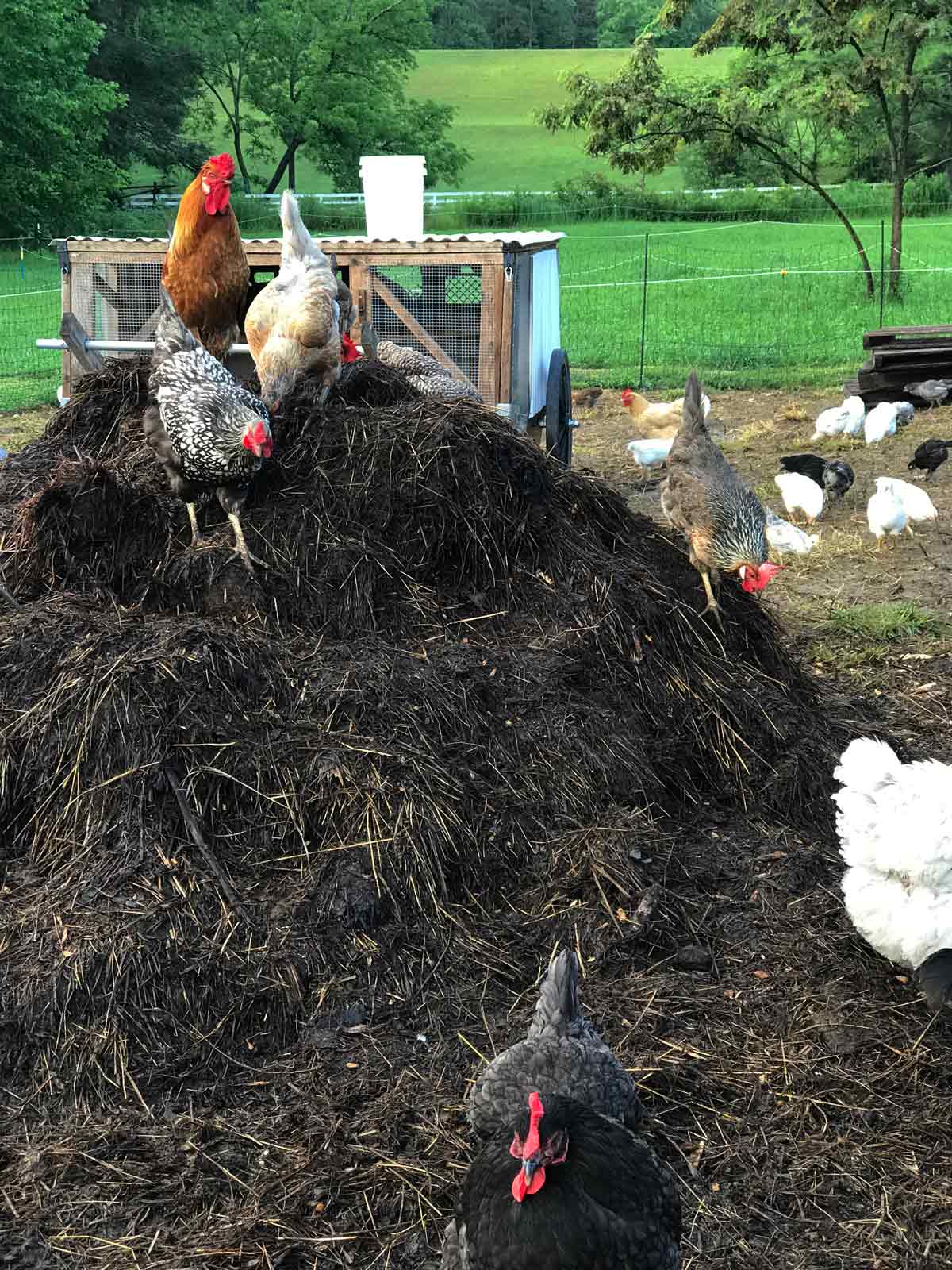
Image Source: abundantpermaculture.com
The Benefits of Chicken Manure
Chicken droppings are more than just waste; they’re a treasure trove for your garden. Here’s why using them is a great idea:
- Nutrient Rich: Chicken manure contains high levels of nitrogen, phosphorus, and potassium. These are essential for healthy plant growth, vibrant flowers, and bountiful harvests.
- Improves Soil Structure: As organic matter, it helps bind soil particles together. This improves aeration (air flow) and drainage, making it easier for roots to grow and access water and nutrients.
- Boosts Soil Microbes: The organic material feeds beneficial bacteria and fungi in the soil, creating a more lively and healthy ecosystem.
- Slow Release of Nutrients: When properly prepared, chicken manure releases nutrients slowly over time. This means your plants get a steady supply of food without being overwhelmed.
- Cost-Effective: If you have chickens, it’s a readily available and free source of fertilizer. Even if you buy it, it’s often cheaper than commercial options.
Nutrient Content Comparison
While nutrient levels can vary based on the chicken’s diet and bedding, chicken manure is generally richer than other common manures.
| Nutrient | Chicken Manure (Approx. %) | Cow Manure (Approx. %) | Horse Manure (Approx. %) |
|---|---|---|---|
| Nitrogen (N) | 1.1% | 0.25% | 0.7% |
| Phosphorus (P) | 0.8% | 0.15% | 0.3% |
| Potassium (K) | 0.5% | 0.25% | 0.6% |
Preparing Chicken Manure for Use
This is a crucial step. Raw chicken manure is too potent. It can “burn” plants, meaning it damages their roots and leaves due to its high nitrogen content and salts. It can also contain pathogens like Salmonella or E. coli. Preparing it correctly solves both these problems.
Raw vs. Composted Chicken Manure
The main difference lies in safety and strength.
- Raw Chicken Manure: High in ammonia, which is toxic to plants and can cause root burn. It can also harbor harmful bacteria. Never use raw chicken manure directly on plants.
- Composted Chicken Manure: The composting process breaks down the strong nitrogen compounds (like ammonia) into more stable forms. It also kills off weed seeds and pathogens. Composted manure is safe and highly beneficial for your garden.
Composting Chicken Manure: The Best Approach
Composting chicken manure is the most recommended method. It transforms a potentially harmful substance into a garden gold.
The Composting Process
Composting involves mixing “greens” (nitrogen-rich materials like chicken manure) with “browns” (carbon-rich materials like dried leaves or straw). This creates the ideal environment for microorganisms to break down the materials.
What You’ll Need for Composting:
- Chicken Manure
- Bedding material (straw, wood shavings, shredded paper)
- Carbon-rich materials (dried leaves, straw, sawdust, shredded cardboard)
- A compost bin or pile
- Water
- A pitchfork or turning tool
Steps for Composting Chicken Manure:
- Gather Your Materials: Collect your chicken manure and suitable bedding.
- Choose Your Location: Select a well-drained spot for your compost pile, preferably in partial shade.
- Layering is Key: Start with a layer of brown material (about 4-6 inches thick). This helps with aeration and absorbs excess moisture.
- Add Chicken Manure: Add a layer of chicken manure (about 2-3 inches thick).
- Alternate Layers: Continue alternating layers of brown and green materials. The ideal ratio is roughly 2-3 parts brown to 1 part green. This is crucial for composting chicken manure effectively.
- Moisten: Lightly water each layer as you build the pile. The compost should be as damp as a wrung-out sponge.
- Turn Regularly: The most important part of composting chicken manure is turning the pile. Use a pitchfork to mix the materials every 1-2 weeks. This aerates the pile, speeds up decomposition, and ensures even composting.
- Monitor Temperature: A hot compost pile (130-160°F or 54-71°C) composts faster and kills pathogens more effectively. Turning helps the pile heat up.
- Patience: Composting can take anywhere from 3 months to a year, depending on how often you turn it, the materials used, and the weather. You’ll know it’s ready when it looks dark, crumbly, and smells earthy.
Hot Composting vs. Cold Composting
- Hot Composting: This method is faster and kills weed seeds and pathogens. It requires careful balancing of green and brown materials and frequent turning. It’s the preferred method for composting chicken manure.
- Cold Composting: This is a slower, “set it and forget it” method. It takes longer, and there’s a higher chance of weed seeds and pathogens surviving. It’s less ideal for composting chicken manure due to its potent nature.
Aging Chicken Manure
If you don’t have the time or space for a full compost pile, aging is an alternative. This involves letting the manure sit for a period to allow some of the ammonia to dissipate.
How to Age Chicken Manure:
- Gather Manure and Bedding: Collect the manure and the bedding material (straw, wood shavings).
- Pile it Up: Create a pile of this mixture.
- Let it Sit: Leave the pile undisturbed for at least 6 months, preferably a year. During this time, some decomposition will occur naturally, and volatile compounds will escape.
- Keep it Dry: Protect the pile from excessive rain, as too much moisture can lead to unwanted decomposition and nutrient loss.
While aging reduces the risk compared to raw manure, it doesn’t eliminate pathogens as effectively as hot composting. Therefore, applying aged chicken manure is still better done with caution, especially around edible plants.
Using Chicken Manure in Your Garden
Once your chicken manure is properly prepared, you can start using chicken droppings in your garden. There are several ways to do this, depending on whether it’s composted or aged.
Applying Composted Chicken Manure
Composted chicken manure is a fantastic soil amendment and fertilizer.
As a Soil Amendment
- When to Apply: You can add composted chicken manure to your garden beds in the spring or fall.
- How to Apply: Spread a layer of 1-3 inches of compost over your garden beds.
- Work it In: Gently work the compost into the top 6-8 inches of soil. You can use a shovel or a garden fork. This incorporates the nutrients and organic matter deep into the soil.
As a Top Dressing
- When to Apply: You can apply composted chicken manure as a top dressing around established plants throughout the growing season.
- How to Apply: Sprinkle a thin layer (about 1/2 inch) around the base of plants, keeping it a few inches away from the stem to prevent any potential issues.
Fertilizing Vegetables with Chicken Manure
Fertilizing vegetables with chicken manure is a common practice. Composted manure provides a balanced release of nutrients that vegetables need to grow strong and produce well.
- Before Planting: Mix a generous amount of composted chicken manure into the soil where you plan to grow vegetables. This prepares the soil for planting.
- During the Growing Season: Apply a thin layer as a top dressing around vegetable plants every 4-6 weeks. This gives them a boost of nutrients as they grow.
Applying Aged Chicken Manure (Use with Caution)
Applying aged chicken manure is less ideal than composted manure but can still be beneficial if done carefully.
- As a Side Dressing: Spread a thin layer (no more than 1/2 inch) in the space between rows of established plants, or around the drip line of trees and shrubs.
- In Furrows: When planting root vegetables like carrots or potatoes, you can dig a trench (furrow) and mix a small amount of aged manure with the soil at the bottom. Then, plant the seeds or seedlings on top of this mixture, ensuring they are not directly touching the manure.
- Mix with Soil: Always mix aged manure into the soil well before planting. Let it sit for a few weeks if possible before planting.
Important Note on Safe Use of Chicken Manure:
The key to the safe use of chicken manure is proper preparation. Never apply raw or insufficiently aged/composted manure directly to plant roots or edible parts of plants. Always wash your hands after handling manure.
Chicken Manure as a Soil Amendment
Beyond its fertilizer properties, chicken manure acts as a powerful chicken manure soil amendment. It helps improve the physical properties of your soil.
- Improving Clay Soil: Clay soil can become compacted and drain poorly. Adding composted chicken manure helps to loosen it, improving aeration and drainage.
- Improving Sandy Soil: Sandy soil drains too quickly and doesn’t hold nutrients well. The organic matter in composted chicken manure helps to improve its water and nutrient retention.
Preparing Soil with Chicken Manure
When preparing new garden beds or amending existing ones, incorporating composted chicken manure is highly effective.
- Add to the Bed: Spread 2-4 inches of composted chicken manure over the surface of your garden bed.
- Till or Dig: Use a tiller or garden fork to mix the compost into the top 6-12 inches of soil.
- Let it Rest: Ideally, let the amended bed rest for a few weeks before planting, especially if you are adding a significant amount. This allows the nutrients to further integrate into the soil.
When to Apply Chicken Manure
Timing is important for maximizing the benefits of chicken manure.
- Fall Application: Adding composted chicken manure in the fall is excellent. It gives the nutrients time to break down further and integrate into the soil over winter, ready for spring planting.
- Spring Application: You can also apply composted chicken manure in the spring as you prepare your beds for planting.
- During the Growing Season: A light application of composted manure as a top dressing can provide a nutrient boost to plants that are actively growing. Avoid heavy applications during hot weather, as this can stress plants.
Chicken Manure Fertilizer: Getting the Best Results
To truly harness chicken manure as a chicken manure fertilizer, consider these tips:
- Balance is Key: While chicken manure is rich in nitrogen, it also contains phosphorus and potassium. Ensure you’re not over-applying, which can lead to nutrient imbalances.
- Observe Your Plants: Watch your plants for signs of nutrient deficiency or excess. Yellowing leaves might indicate a nitrogen deficiency, while stunted growth could be due to various factors.
- Test Your Soil: For precise fertilization, consider a soil test. This will tell you the exact nutrient levels in your soil and help you determine how much of any amendment you need.
- Avoid Direct Contact: Always ensure chicken manure, even aged, doesn’t sit directly against plant stems or roots.
Common Questions About Using Chicken Manure
Here are some frequently asked questions to help you navigate using this valuable resource.
FAQ: Using Chicken Manure in the Garden
Q1: Can I use fresh chicken manure on my garden?
A1: No, it is not recommended to use fresh, uncomposted chicken manure directly on plants. It is too “hot” (high in nitrogen) and can burn plant roots. It can also contain harmful pathogens.
Q2: How long does it take for chicken manure to compost?
A2: Properly managed hot composting can take as little as 3-6 months. Cold composting can take 6-12 months or longer. The speed depends on factors like the mix of materials, moisture, and how often you turn it.
Q3: Can I put chicken manure in my worm farm?
A3: Yes, but with caution. You should only add small amounts of aged or partially composted chicken manure to a worm farm, and it should be well-mixed with other bedding materials. Fresh manure can harm the worms.
Q4: Is chicken manure good for all types of plants?
A4: Yes, when properly prepared, chicken manure is beneficial for most plants. However, some plants, like those in the Brassica family (broccoli, cabbage, kale), are heavy feeders and benefit greatly from nutrient-rich organic matter.
Q5: How much chicken manure should I use?
A5: For composted chicken manure, you can generally mix 1-3 inches into the soil before planting or use it as a top dressing around established plants. For aged manure, use it more sparingly, mixing a small amount into the soil. Always err on the side of caution.
Q6: What are the risks of using raw chicken manure?
A6: The main risks are burning plants due to high ammonia and salt content, and the potential presence of harmful bacteria (like Salmonella) and weed seeds.
Q7: How do I know when chicken manure is safe to use?
A7: If you have composted it, it should be dark, crumbly, and smell earthy, with no trace of ammonia. If you’ve aged it, it should no longer have a strong, pungent smell of ammonia.
Q8: Can chicken manure attract pests to my garden?
A8: Improperly composted or raw manure can sometimes attract flies or other pests. Properly composted manure, which has an earthy smell, is much less likely to attract unwanted visitors.
Q9: What bedding is best with chicken manure for composting?
A9: Straw, wood shavings, shredded paper, and sawdust are all good options. The bedding helps absorb moisture and provides carbon for the composting process.
Q10: Can I use chicken manure on my lawn?
A10: Yes, you can use composted chicken manure on your lawn. Spread a thin layer (about 1/4 inch) in the spring or fall, and rake it in. It’s an excellent way to fertilize your grass.
Conclusion
Using chicken manure in your garden is an excellent way to enrich your soil and provide your plants with essential nutrients. By following the proper preparation methods, primarily through composting chicken manure, you can transform this potent resource into a highly beneficial garden amendment. Remember that safe use of chicken manure is paramount, ensuring that raw manure is never applied directly to plants and that aging or composting is done thoroughly. Whether you’re fertilizing vegetables with chicken manure or using it as a general chicken manure soil amendment, the results will be healthier soil and more vigorous plant growth. Embrace this natural fertilizer and watch your garden flourish!